
Studies of Hands and Bending Figures (verso) — History & Facts
No single sheet of paper better reveals the restless curiosity of Abraham Bloemaert than Studies of Hands and Bending Figures (verso). Unlike most finished compositions, this drawing is a private rehearsal, a glimpse into the artist’s workshop, where the search for anatomical truth took precedence over polished narrative. It is a rare survival: the reverse side of a study, not intended for public view, but preserved as a testament to the labor behind the art of the Dutch Golden Age.
Scholars are drawn to its energetic lines, which pulse with the urgency of invention. Here, the page is crowded with hands: splayed, clenched, fingers curled or extended, each rendered with a different pressure of chalk or pen. Alongside these, bent torsos and crouching figures twist in space, their limbs contorted in poses that seem to anticipate action or burden. This is not a scene from myth or scripture, but a catalogue of possibilities—a visual vocabulary from which Bloemaert could draw for his more elaborate religious or allegorical works.
The artist’s focus on the expressive potential of the hand recalls the studies of Leonardo da Vinci, though Bloemaert’s forms are heavier, more rooted in the earthiness of Northern realism. The precise origins and purpose of Studies of Hands and Bending Figures (verso) remain uncertain; no commission or patron is recorded. Such sheets were common tools in the studios of Mannerist and early Baroque artists, used both for personal practice and as teaching aids for pupils. Bloemaert, a prolific teacher in Utrecht, likely kept this drawing among his studio materials, where it may have inspired generations of students.
Today, the sheet survives as a rare window into the creative process, valued as much for its immediacy as for its connection to one of the leading figures of Dutch art.
More Artworks by Abraham Bloemaert

Adam and Eve
Abraham Bloemaert
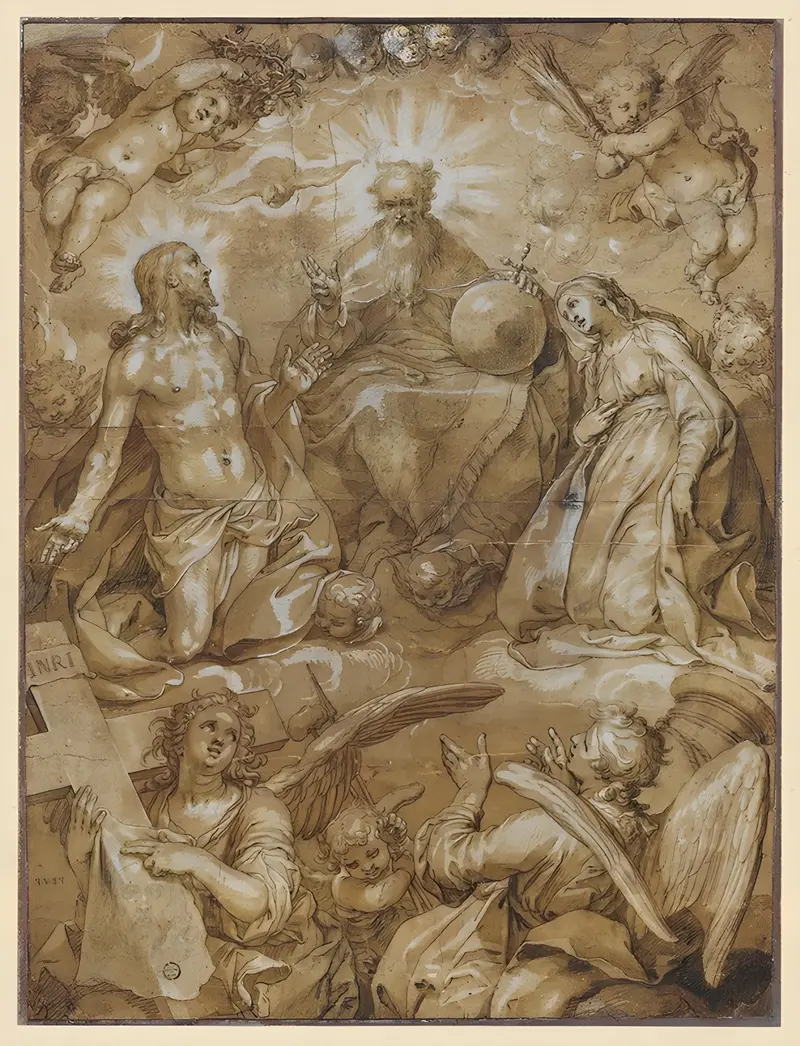
Intercession of Christ and Mary before God the Father
Abraham Bloemaert
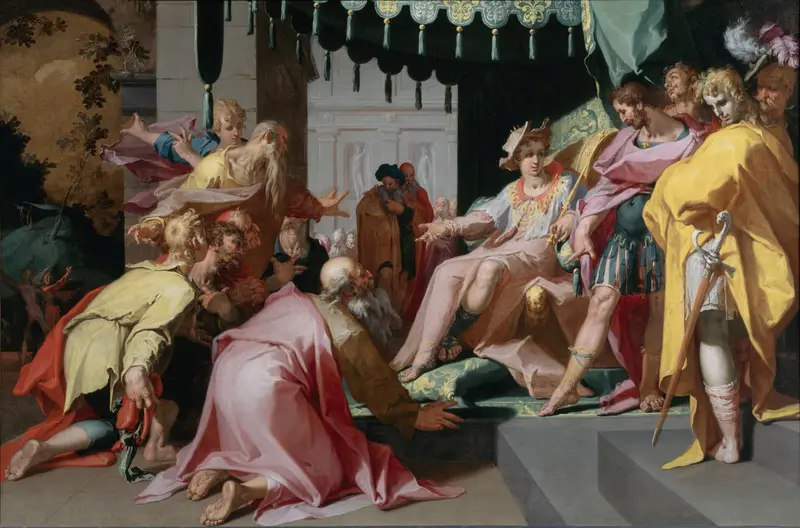
Joseph and his Brothers
Abraham Bloemaert
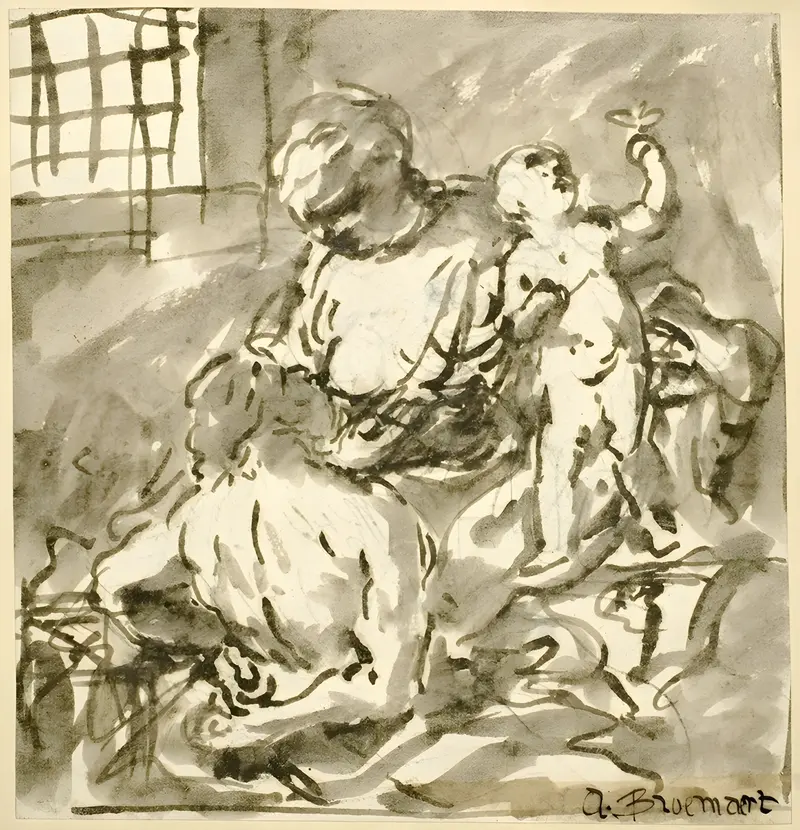
Caritas Romana
Abraham Bloemaert
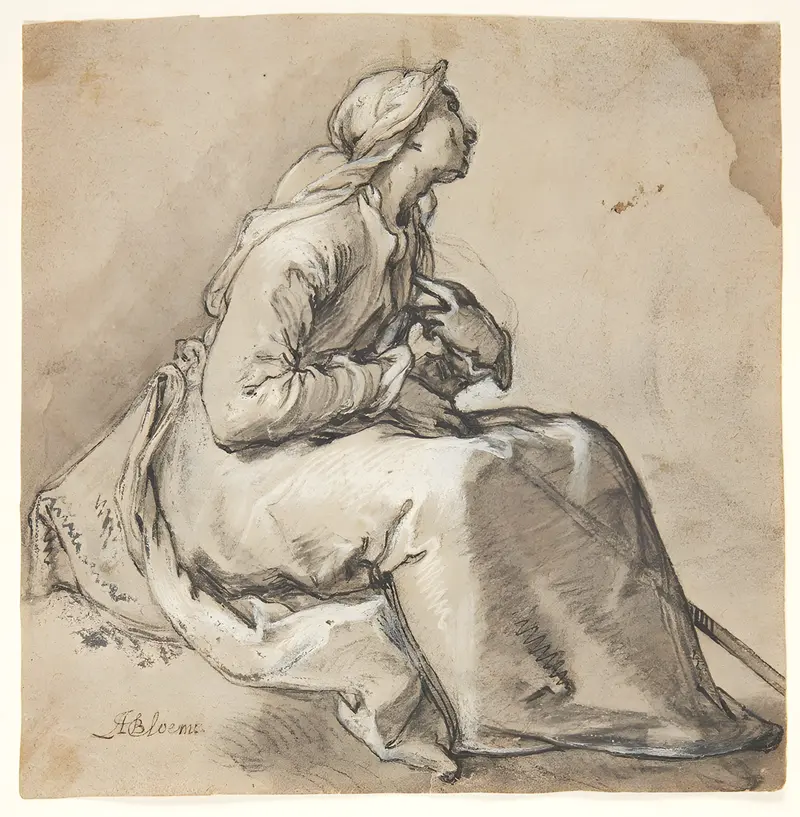
A seated woman facing right
Abraham Bloemaert
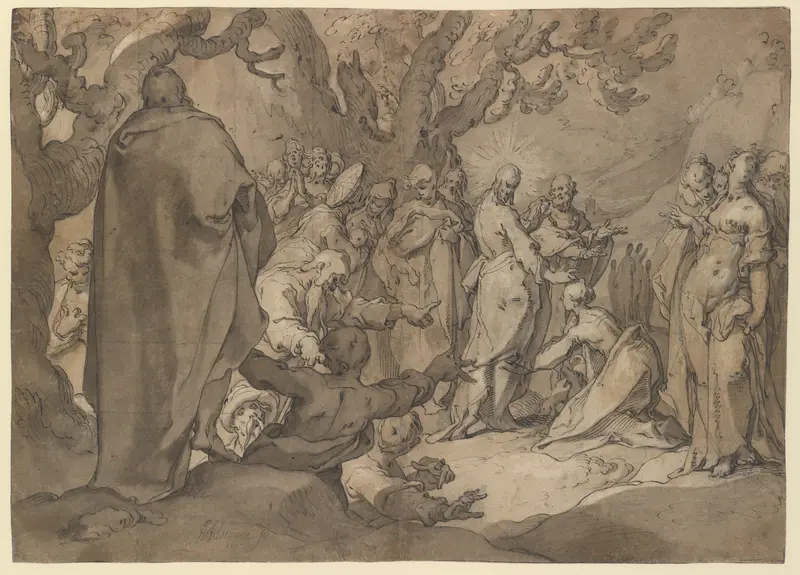
Christ and the Canaanite Women
Abraham Bloemaert
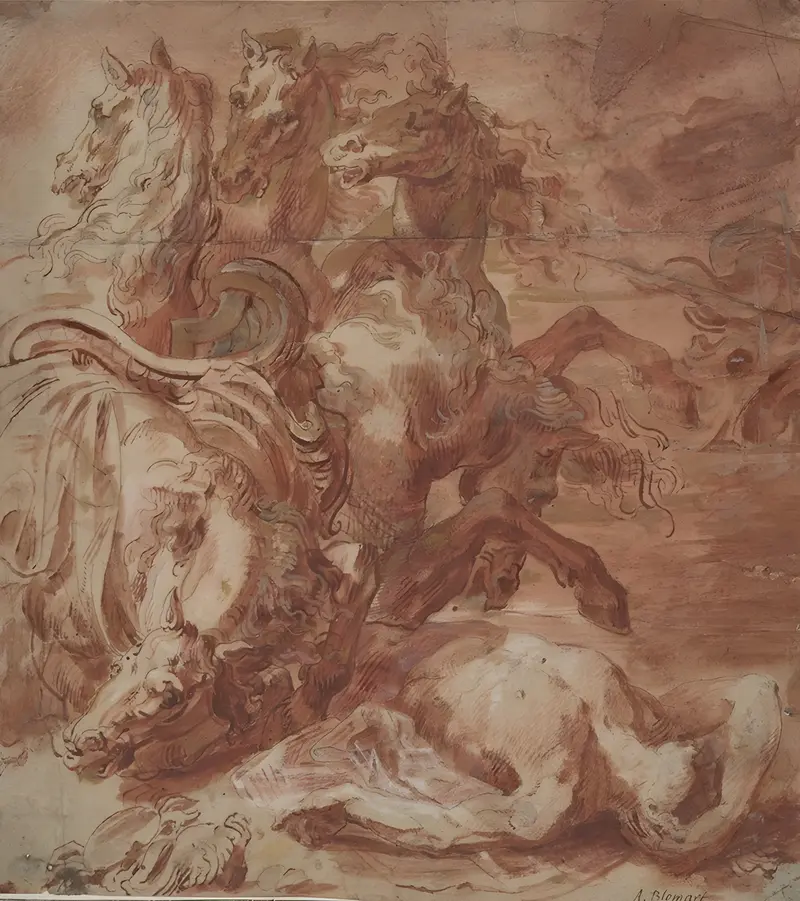
Hippolytus
Abraham Bloemaert
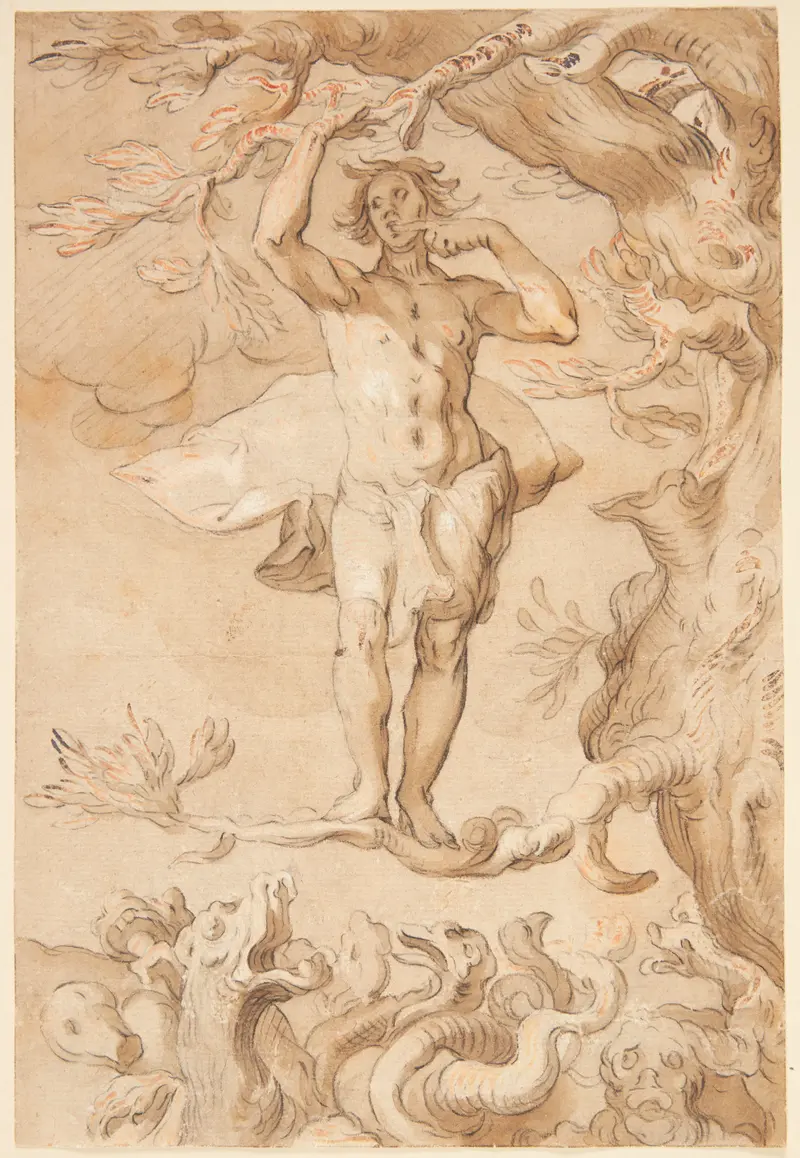
Den menneskelige glædes skrøbelighed En mand, der jages af en drage, klynger sig til en gren, mens han slikker honning af sin finger
Abraham Bloemaert

Moses Striking the Rock
Abraham Bloemaert
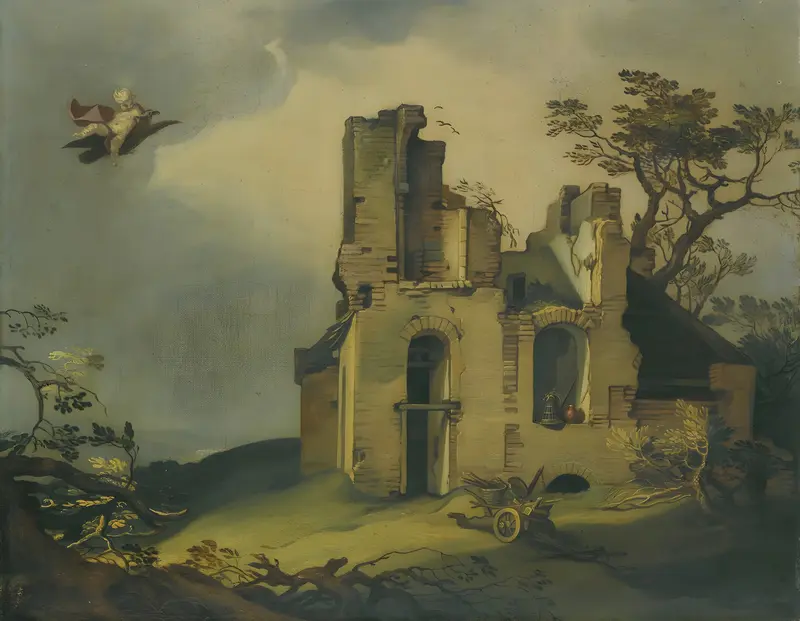
A Landscape With Ruins, With The Rape Of Ganymede
Abraham Bloemaert




