
Studies of Two Pollard Willows — History & Facts
Few artists in the Dutch Golden Age were as devoted to the study of nature as Abraham Bloemaert, and nowhere is this clearer than in Studies of Two Pollard Willows. What makes this work remarkable is its role as a teaching tool: Bloemaert, who ran a busy Utrecht studio, encouraged his students to draw directly from the landscape, and these studies were often copied or used as models by generations of young artists. The willows, pruned and gnarled, are not just trees—they are the result of careful observation, and their forms appear in countless later Dutch landscapes.
This sheet stands as evidence of the artist’s commitment to training the eye and hand through direct engagement with the world outside the studio. In this drawing, the two pollard willows stand side by side, their trunks thick and their crowns cropped flat by years of cutting. Bloemaert captures the peculiar character of these trees, which were a common sight along Dutch waterways, their knotted shapes shaped by both nature and human intervention. The careful rendering of bark and stubby branches invites the viewer to look closely, to appreciate the individuality of each tree.
Unlike the grand, romanticized trees found in the works of Jacob van Ruisdael, Bloemaert’s willows are humble, functional, and true to life—a celebration of the ordinary. The absence of figures or dramatic scenery focuses attention on the trees themselves, making them the quiet protagonists of the scene. The precise date and medium of Studies of Two Pollard Willows remain uncertain, though it is generally placed in the early 17th century, when Bloemaert was at the height of his career as both painter and teacher. Works like this were rarely meant for public display; instead, they circulated within the studio, passed from master to pupil as examples of technique and observation.
Over time, such studies gained recognition as works of art in their own right, and today, sheets like this are prized by collectors and museums for their insight into the working methods of the Dutch Golden Age. Studies of Two Pollard Willows is now held in an online collection, a testament to the enduring appeal of Bloemaert’s attentive eye and his influence on generations of landscape artists.
More Artworks by Abraham Bloemaert

Adam and Eve
Abraham Bloemaert
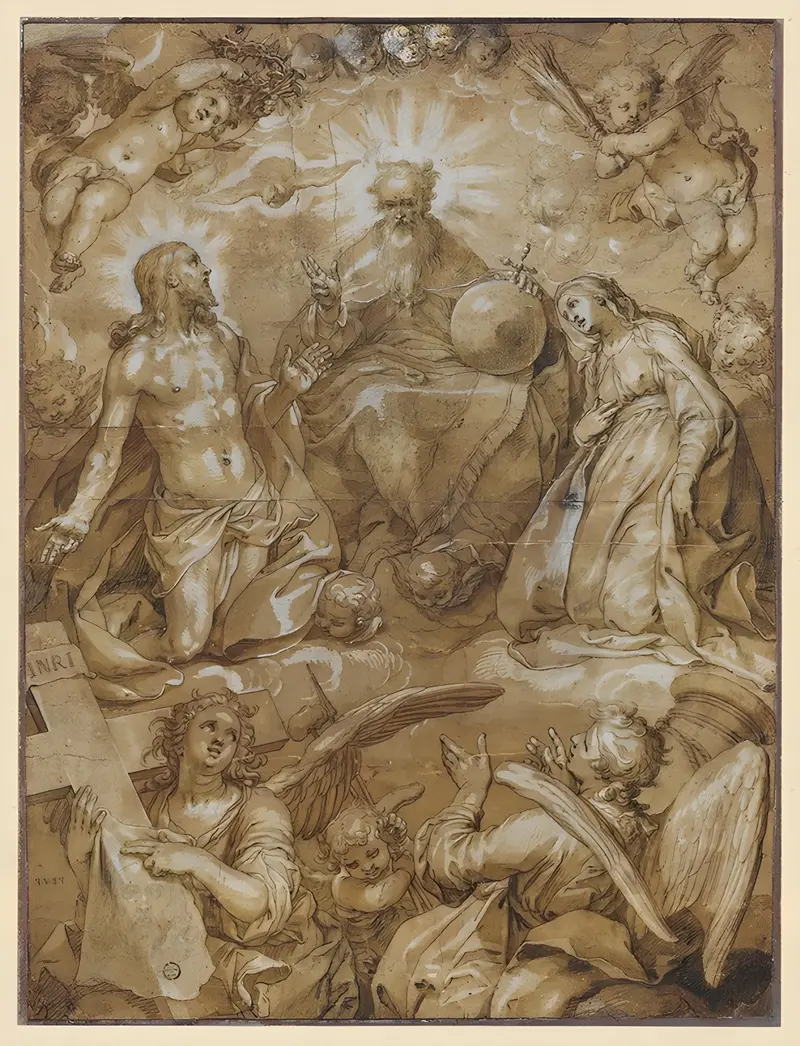
Intercession of Christ and Mary before God the Father
Abraham Bloemaert
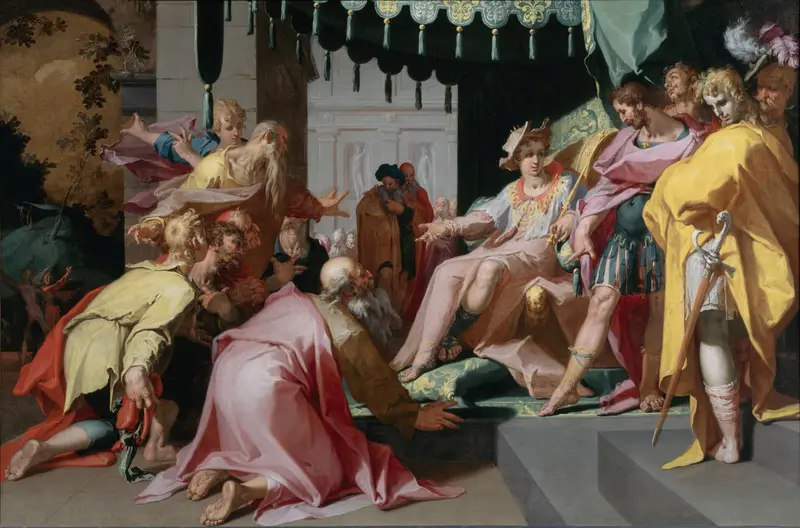
Joseph and his Brothers
Abraham Bloemaert
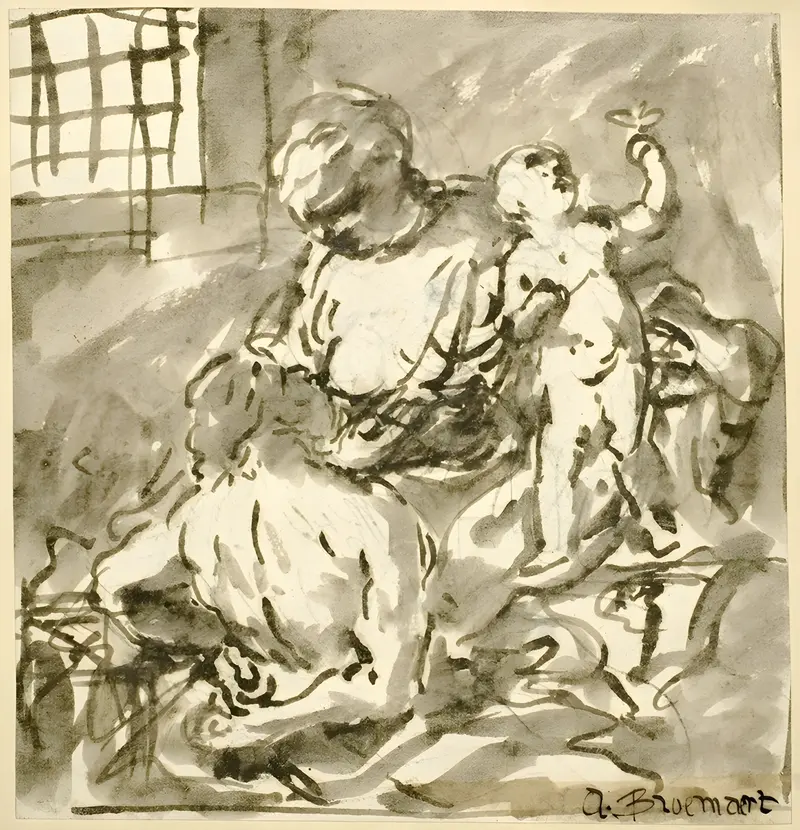
Caritas Romana
Abraham Bloemaert
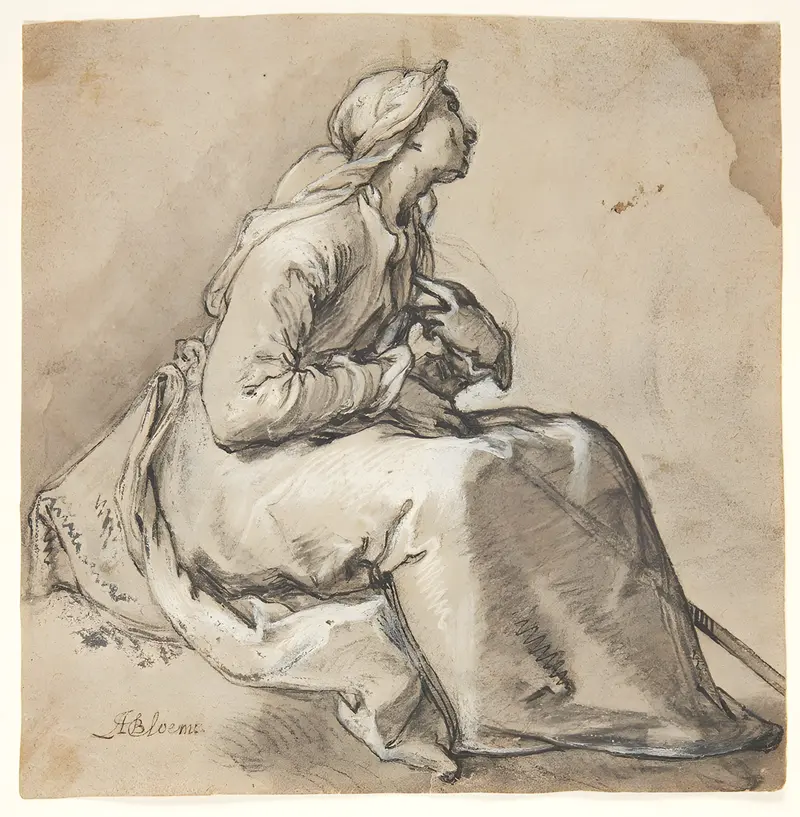
A seated woman facing right
Abraham Bloemaert
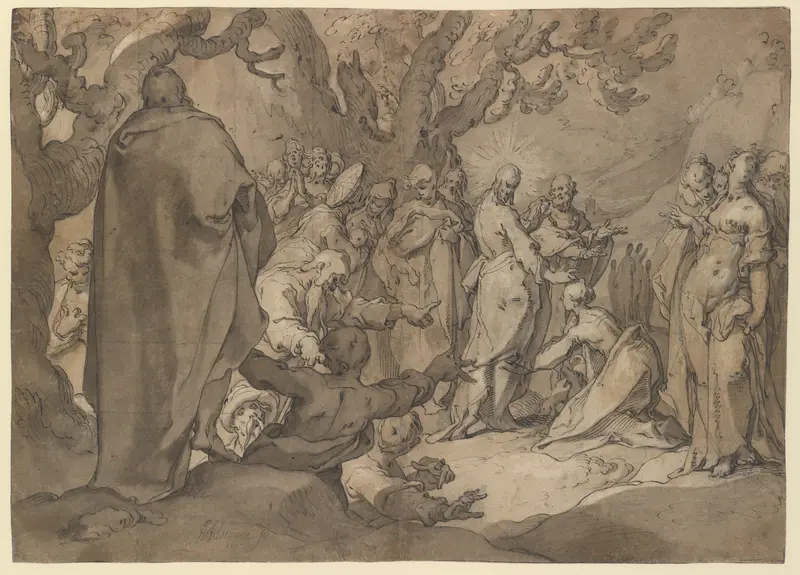
Christ and the Canaanite Women
Abraham Bloemaert
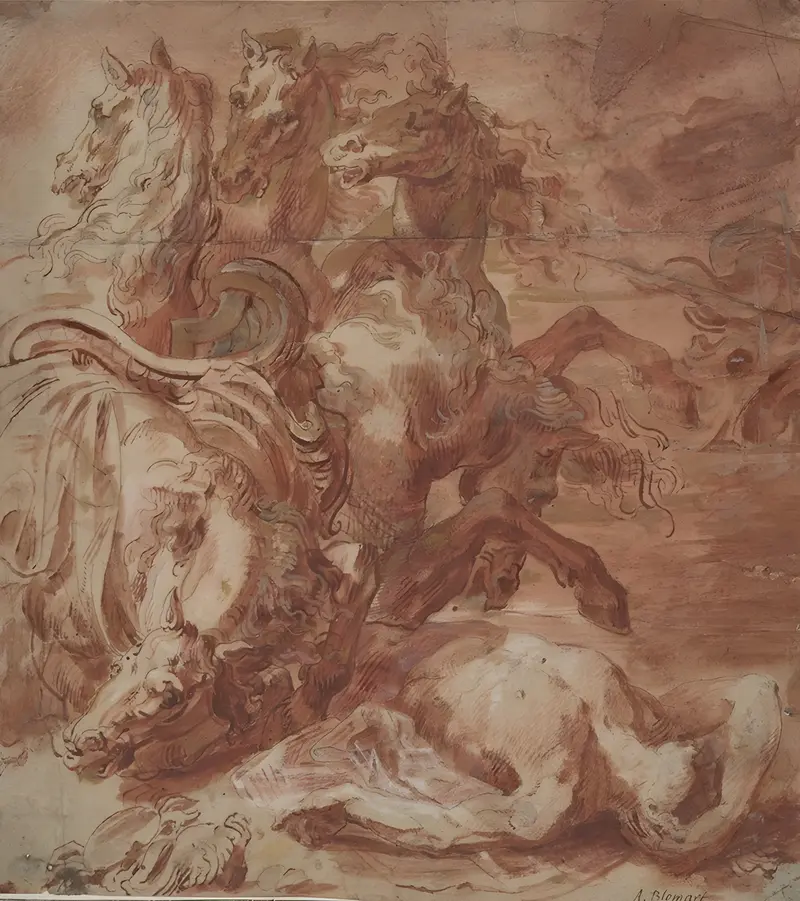
Hippolytus
Abraham Bloemaert
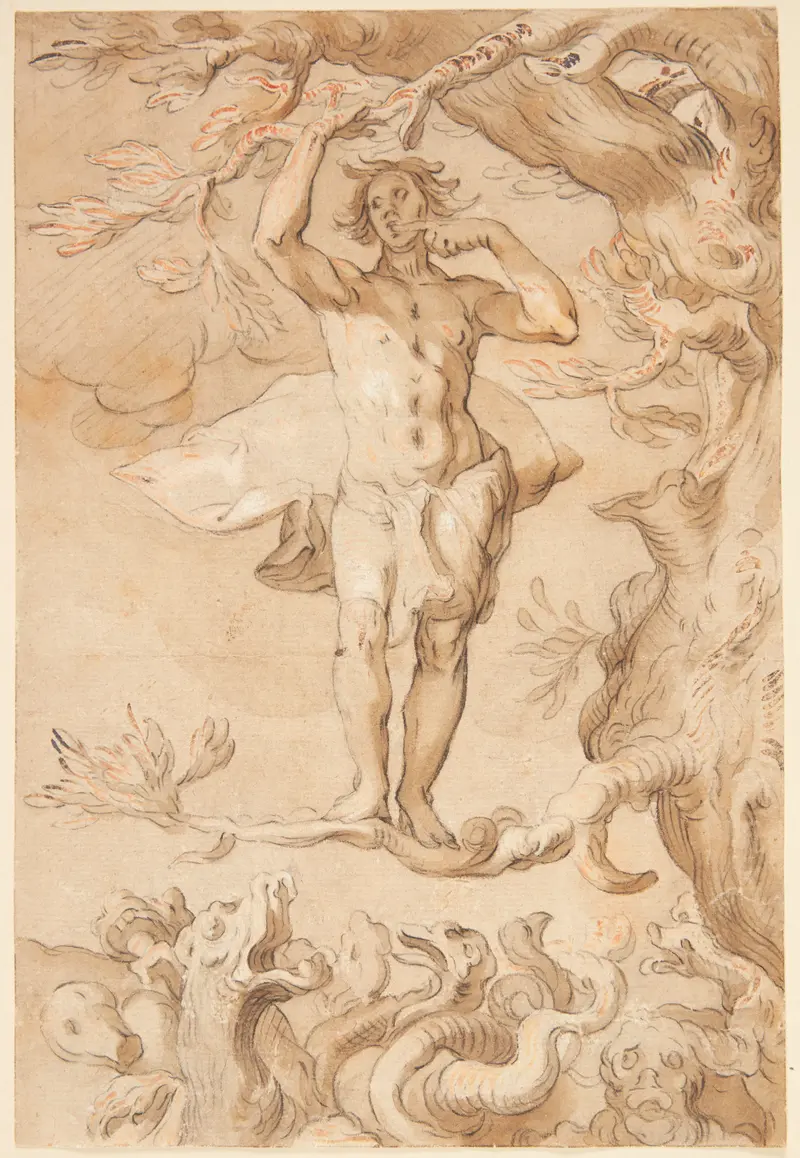
Den menneskelige glædes skrøbelighed En mand, der jages af en drage, klynger sig til en gren, mens han slikker honning af sin finger
Abraham Bloemaert

Moses Striking the Rock
Abraham Bloemaert
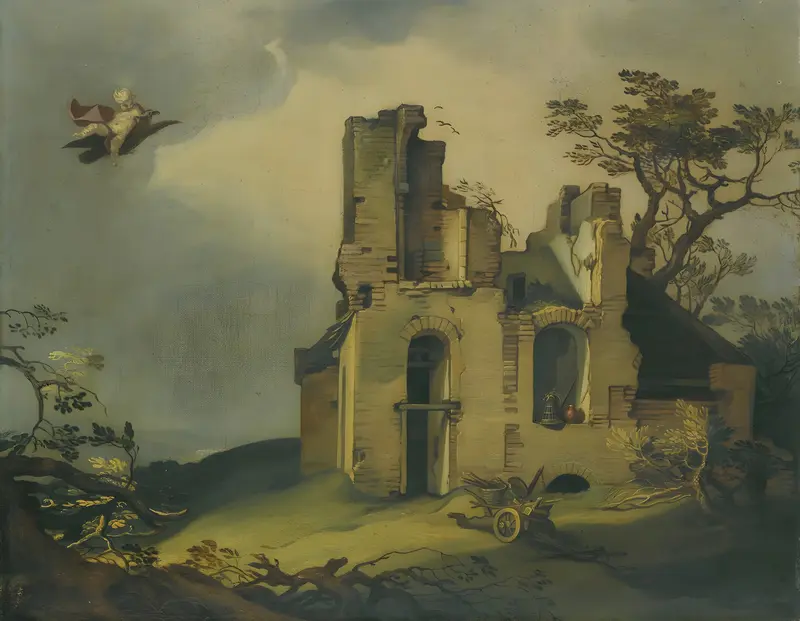
A Landscape With Ruins, With The Rape Of Ganymede
Abraham Bloemaert
More Landscape Art

The Starry Night
Vincent van Gogh

View of Delft
Johannes Vermeer

Water Lilies
Claude Monet

The Grand Canal, Venice, looking north-west from the Ca' Corner to the Ca' Contarini degli Scrigni, with the campanile of Santa Maria della Carità
Canaletto

Windsor Castle
Canaletto

The Grand Canal looking North-East from the Palazzo Dolfin-Manin to the Rialto Bridge
Canaletto