Study of a Willowherb — History & Analysis
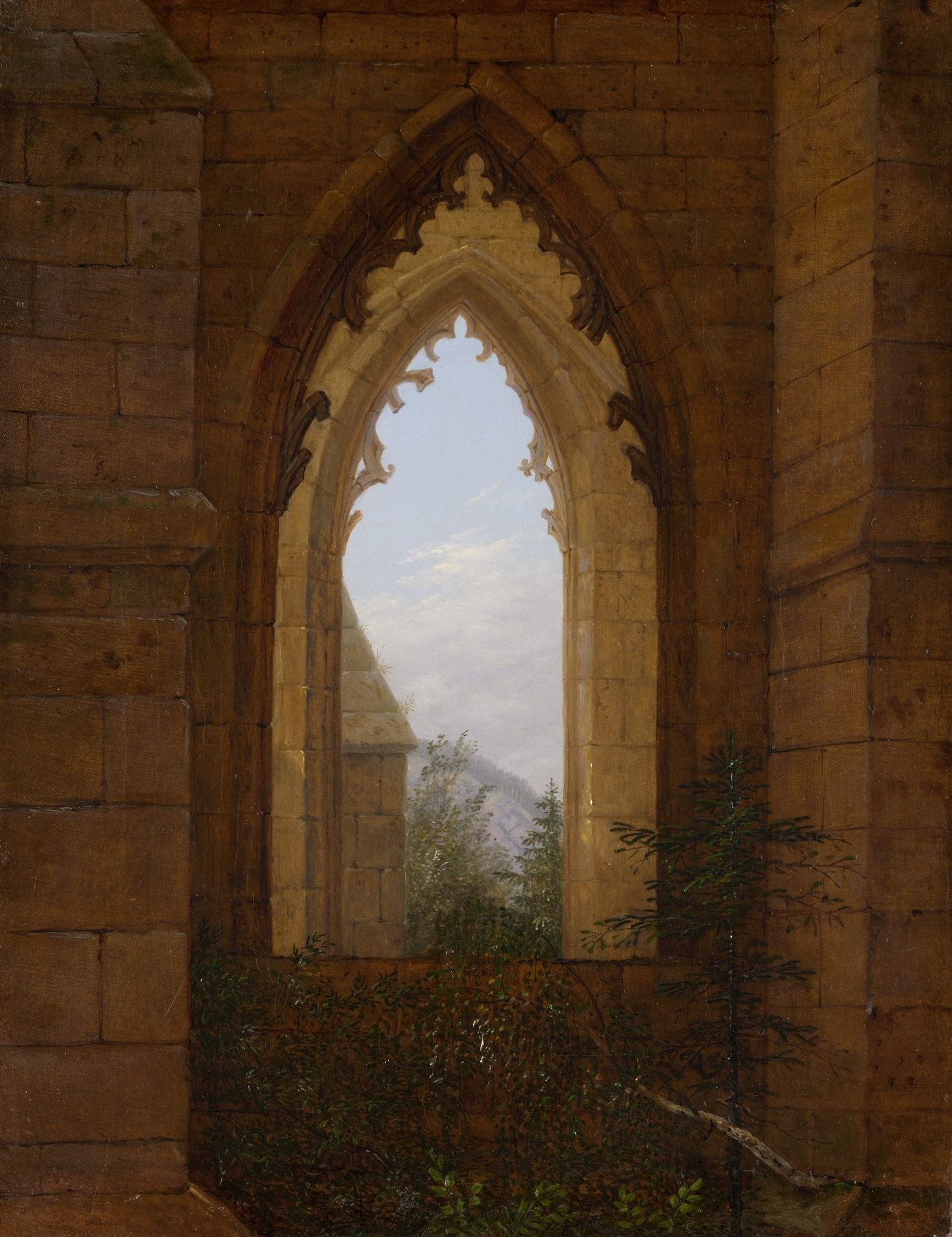
Could a single brushstroke hold eternity? In Study of a Willowherb, a delicate interplay of color and form transcends the confines of the canvas, inviting contemplation of the ephemeral. Look to the center, where a radiant willowherb unfurls, its soft pink petals brushed with an almost tender touch. Surrounding it, a wash of greens speaks of life and growth, while subtle strokes of earthy tones ground the composition. The gentle blending of hues creates a luminous softness, highlighting the fragility of the blossom against a faint, almost ghostly background.
The composition draws the eye inward, creating a meditative focus that encourages reflection on the beauty found in fleeting moments. Beneath this serene exterior lies a profound commentary on existence and emptiness. The precision of the flower’s details contrasts with the expansive void surrounding it, symbolizing the tension between presence and absence. The choice of color evokes feelings of tranquility yet hints at an underlying melancholy, suggesting that even in beauty, there is a whisper of loss.
Every brushstroke, meticulously placed, encapsulates not just a flower, but the essence of transience—capturing a moment that will soon fade into memory. Carl Gustav Carus painted this piece in 1858, during a period of personal and artistic exploration. After moving to Dresden, he immersed himself in the study of nature, viewing it as a pathway to understanding the divine. This phase marked a significant contribution to the Romantic movement, where the connection between nature and human emotion became ever more profound.