
Study of the Head of a Bearded Man — History & Facts
No one knows for certain whom Abraham Bloemaert was studying when he created Study of the Head of a Bearded Man, but the face has become a recurring presence in his workshop’s output. This head appears, with slight variations, in several of Bloemaert’s paintings and drawings, suggesting it was a favored model or a stock type used for apostles, prophets, or wise men. The practice of creating such studies was common in the Dutch and Flemish workshops of the late sixteenth and early seventeenth centuries, where artists built up a library of expressive faces to draw upon for larger compositions.
The mystery of this man’s identity—whether real sitter or idealized type—adds a layer of intrigue to the work. The moment Bloemaert chose to capture is one of quiet introspection: the man’s gaze is slightly averted, his brow furrowed in thought, and his beard rendered with careful, almost loving attention. The strong light falls across his forehead and cheek, emphasizing the volume of his features and the texture of his hair, while the shadows carve out the deep-set eyes and hollow cheeks. This play of light and shadow gives the head a sculptural quality, reminiscent of the studies by Peter Paul Rubens or the Italian masters Bloemaert admired.
Unlike Rubens’s more theatrical heads, however, Bloemaert’s study is restrained, focusing on the dignity and humanity of the sitter rather than dramatic gesture. The precise origins and early history of Study of the Head of a Bearded Man are uncertain, as is often the case with preparatory works and studio studies. It was likely kept in the artist’s studio as a reference, perhaps handled by pupils and assistants who learned from Bloemaert’s approach to anatomy and expression. Over time, such drawings were sometimes sold, gifted, or dispersed in estate sales, making their provenance difficult to trace.
Today, the work stands as a testament to Bloemaert’s role as a teacher and innovator in the Dutch Baroque, his studies bridging the gap between observation and invention. Its survival allows us a rare glimpse into the daily practice and creative process of one of Utrecht’s leading artists.
More Artworks by Abraham Bloemaert

Adam and Eve
Abraham Bloemaert
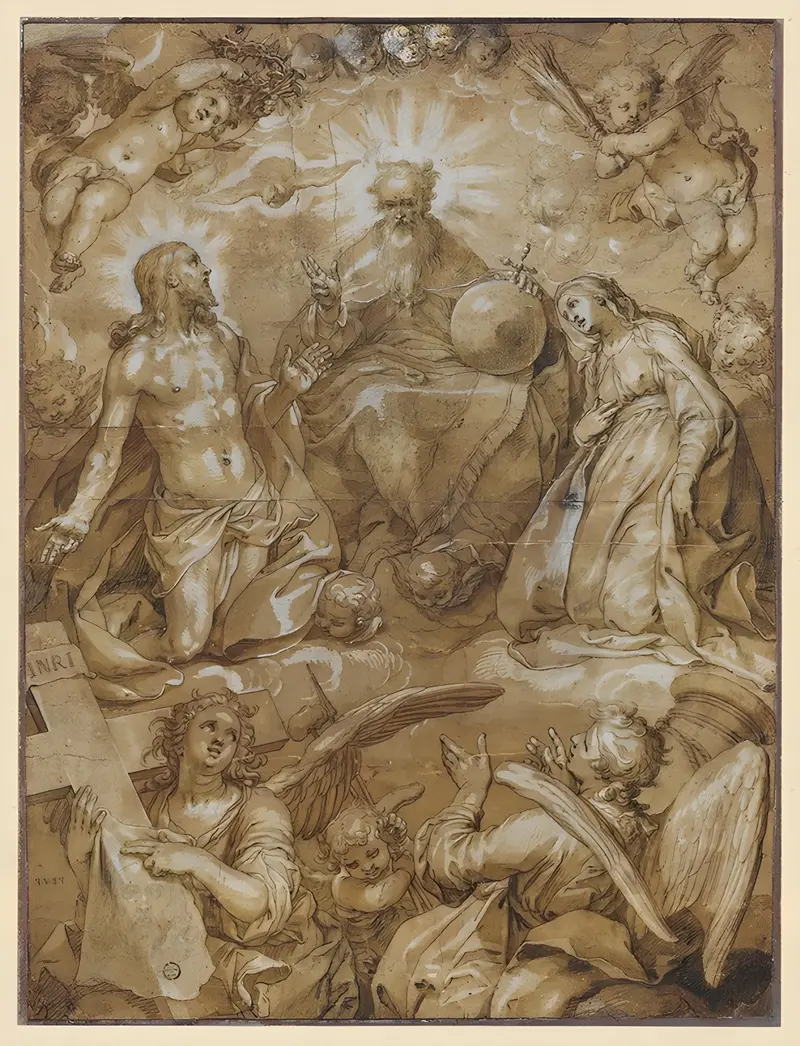
Intercession of Christ and Mary before God the Father
Abraham Bloemaert
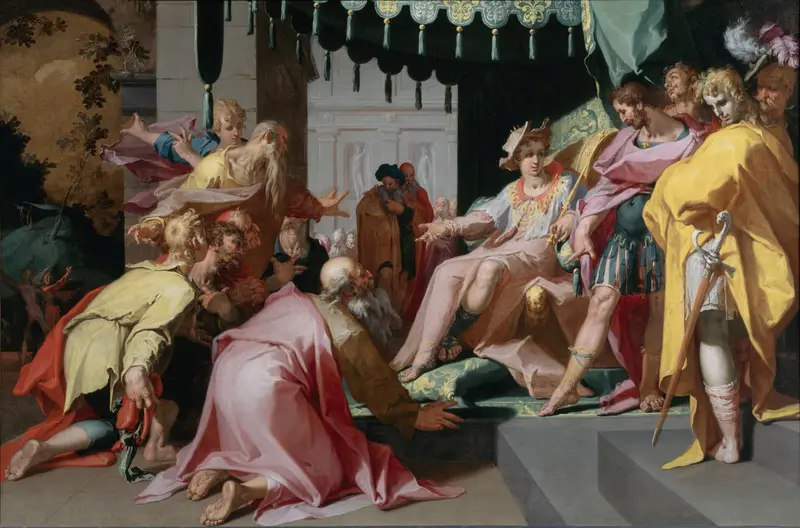
Joseph and his Brothers
Abraham Bloemaert
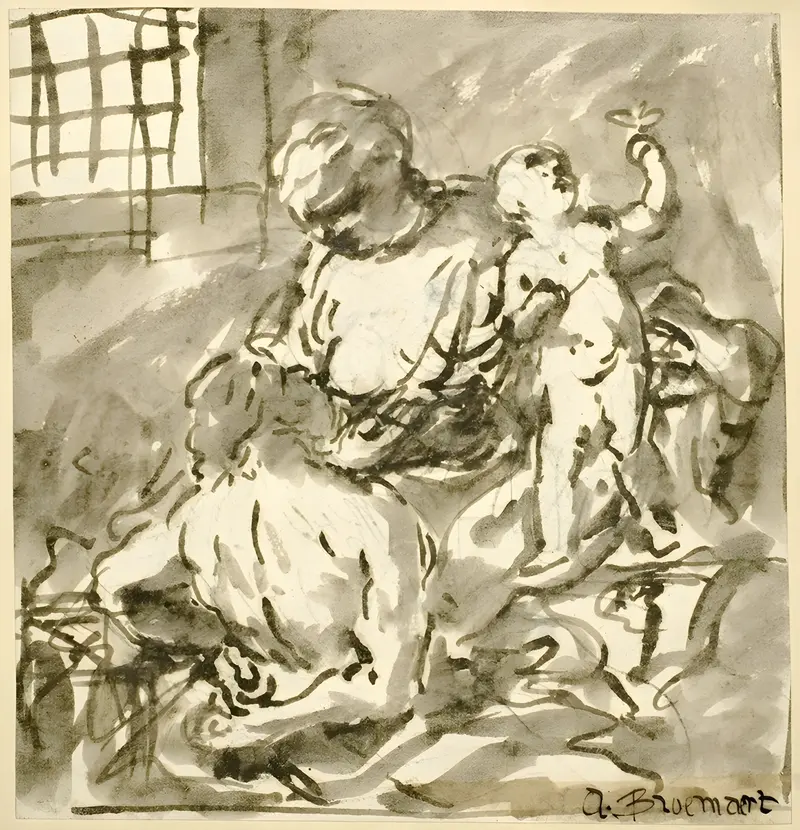
Caritas Romana
Abraham Bloemaert
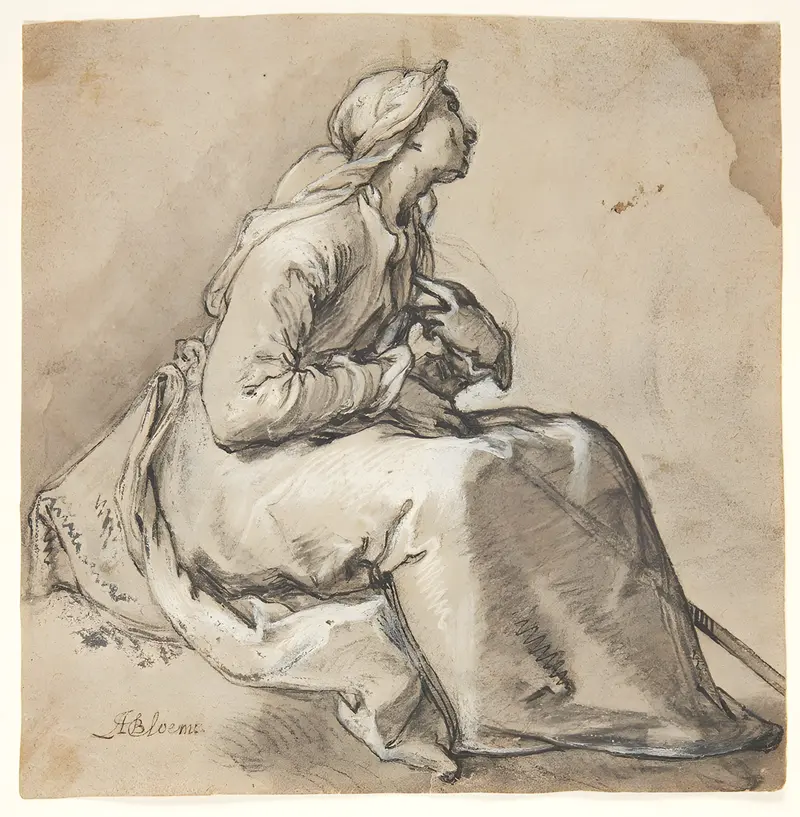
A seated woman facing right
Abraham Bloemaert
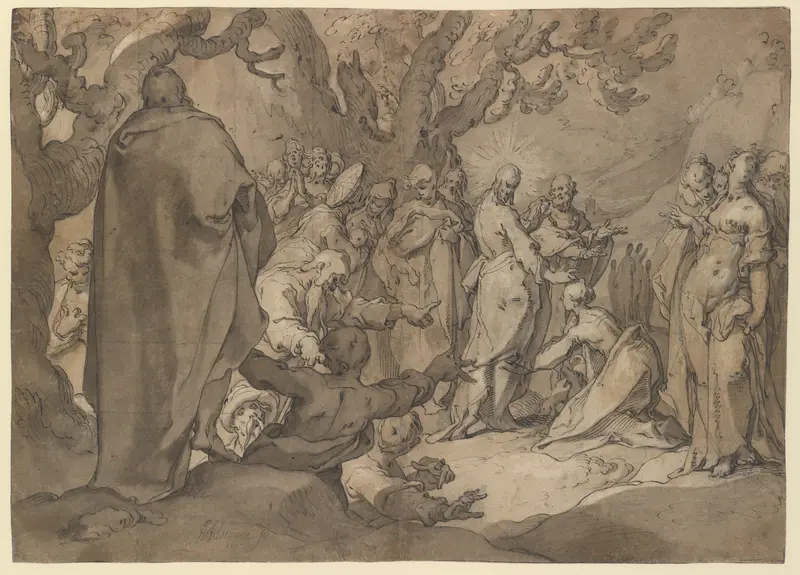
Christ and the Canaanite Women
Abraham Bloemaert
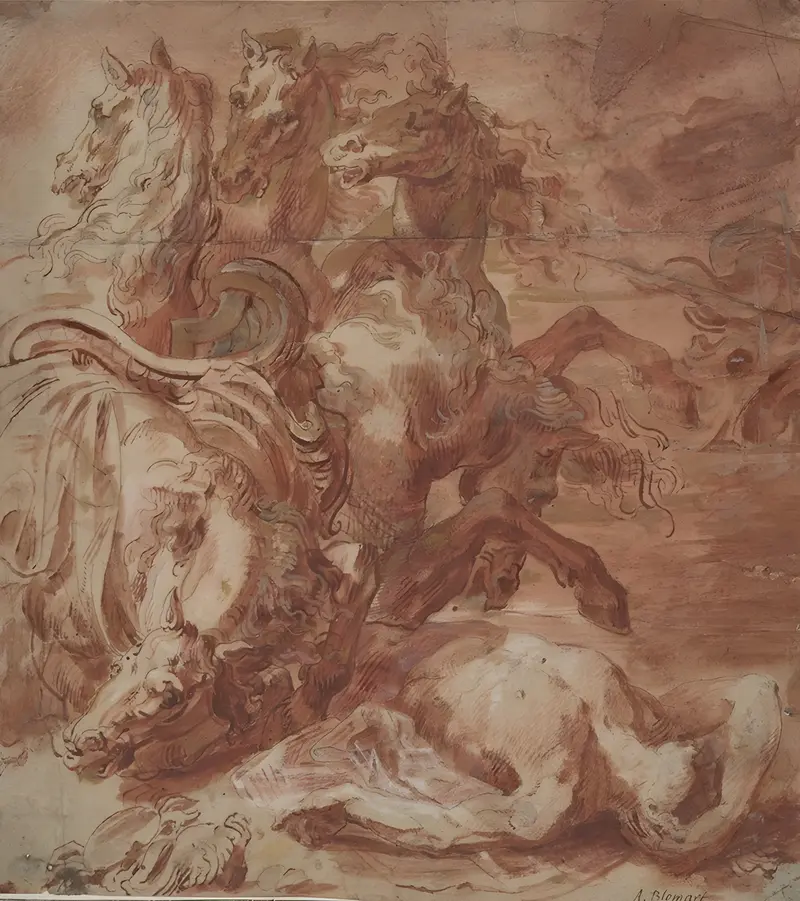
Hippolytus
Abraham Bloemaert
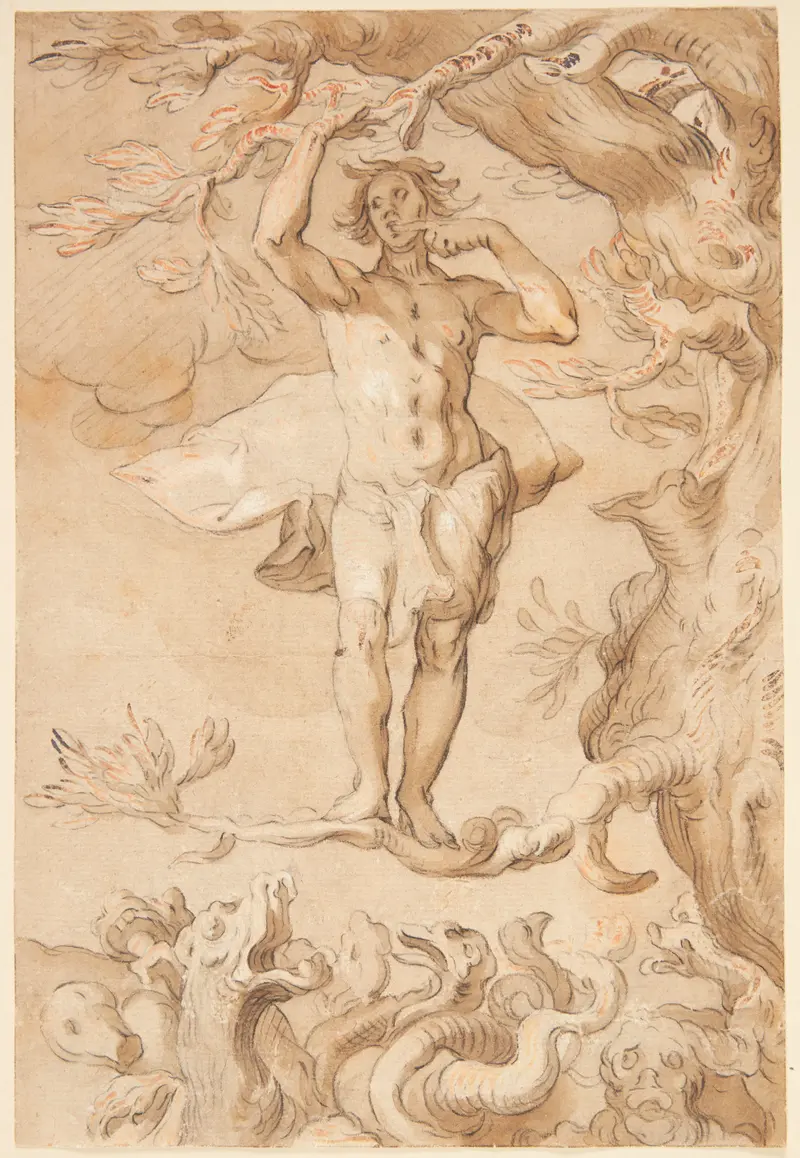
Den menneskelige glædes skrøbelighed En mand, der jages af en drage, klynger sig til en gren, mens han slikker honning af sin finger
Abraham Bloemaert

Moses Striking the Rock
Abraham Bloemaert
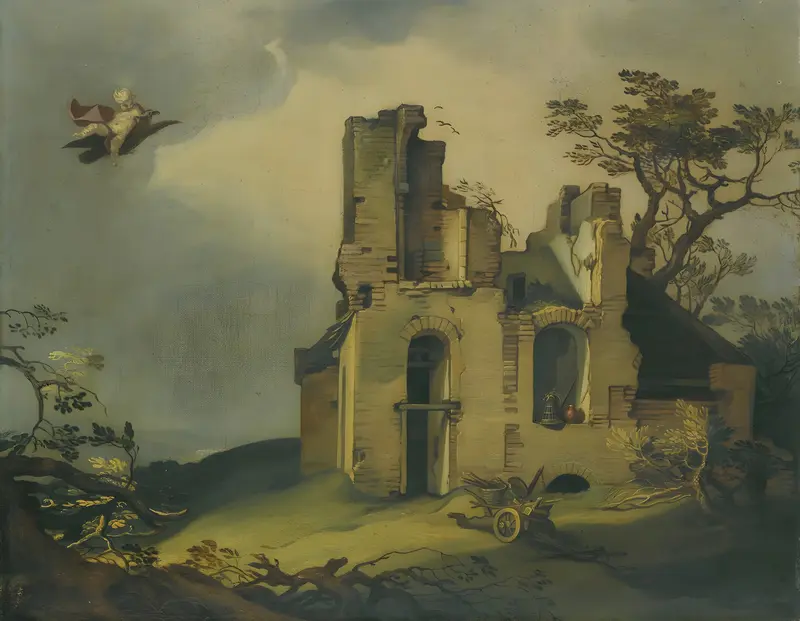
A Landscape With Ruins, With The Rape Of Ganymede
Abraham Bloemaert





