
Tamar onteerd door Amnon — History & Facts
Can beauty exist without sorrow? In the haunting embrace of Tamar onteerd door Amnon, this question lingers in the air, challenging the viewer to confront the delicate tension between desire and despair. The dreamlike quality of the scene draws you into a world where innocence is eclipsed by the shadow of violence, provoking a poignant reflection on the human experience. Look to the left at the figure of Tamar, her delicate features framed by cascading hair, a vision of vulnerability. The muted colors of her garment contrast sharply with the vivid reds and deep blues encircling her assailant, adding layers of emotional depth.
Notice how the artist masterfully uses light to illuminate her face, creating a stark juxtaposition between her ethereal beauty and the dark undertones of the composition, inviting the viewer to grapple with the resulting tension. Hidden within this disturbing narrative are themes of power, betrayal, and the loss of innocence. The positioning of the figures suggests a predatory dynamic, where the gaze of Amnon captures both lust and malice. As the viewer absorbs this visual dialogue, the delicate details—like the intricate patterns of Tamar’s clothing—serve as a reminder that beauty and horror often coexist, revealing the complexity of human emotion and experience. Created in a time when Europe was rife with religious conflict and shifting artistic paradigms, the artist worked between 1520 and 1562, possibly in the Northern Renaissance milieu.
This period saw the exploration of emotional depth in art, reflecting the societal struggles of the time. The artist’s engagement with biblical themes not only echoes the tumult of the era but also invites viewers to contemplate their own narratives of beauty and sorrow through the lens of history.
More Artworks by Monogrammist AC (16e eeuw)
Browse all →
Heilige Catharina
Monogrammist AC (16e eeuw)
Echtpaar met de Dood
Monogrammist AC (16e eeuw)
Allegorie van Tijd en Fortuin
Monogrammist AC (16e eeuw)

Portret van een jongeman (Vanitas)
Monogrammist AC (16e eeuw)

Heilige Martha en de draak
Monogrammist AC (16e eeuw)
Twee verliefden onder een boom
Monogrammist AC (16e eeuw)
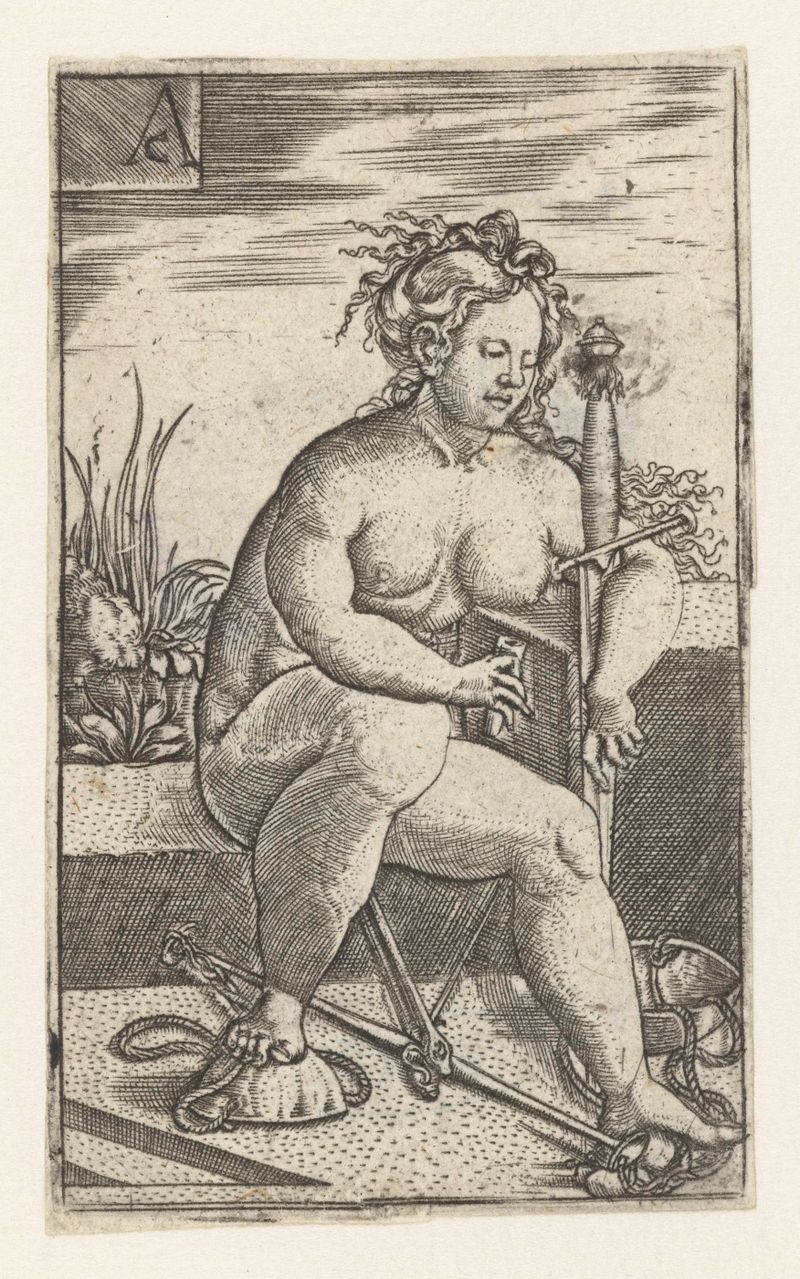
Gerechtigheid (Justitia)
Monogrammist AC (16e eeuw)
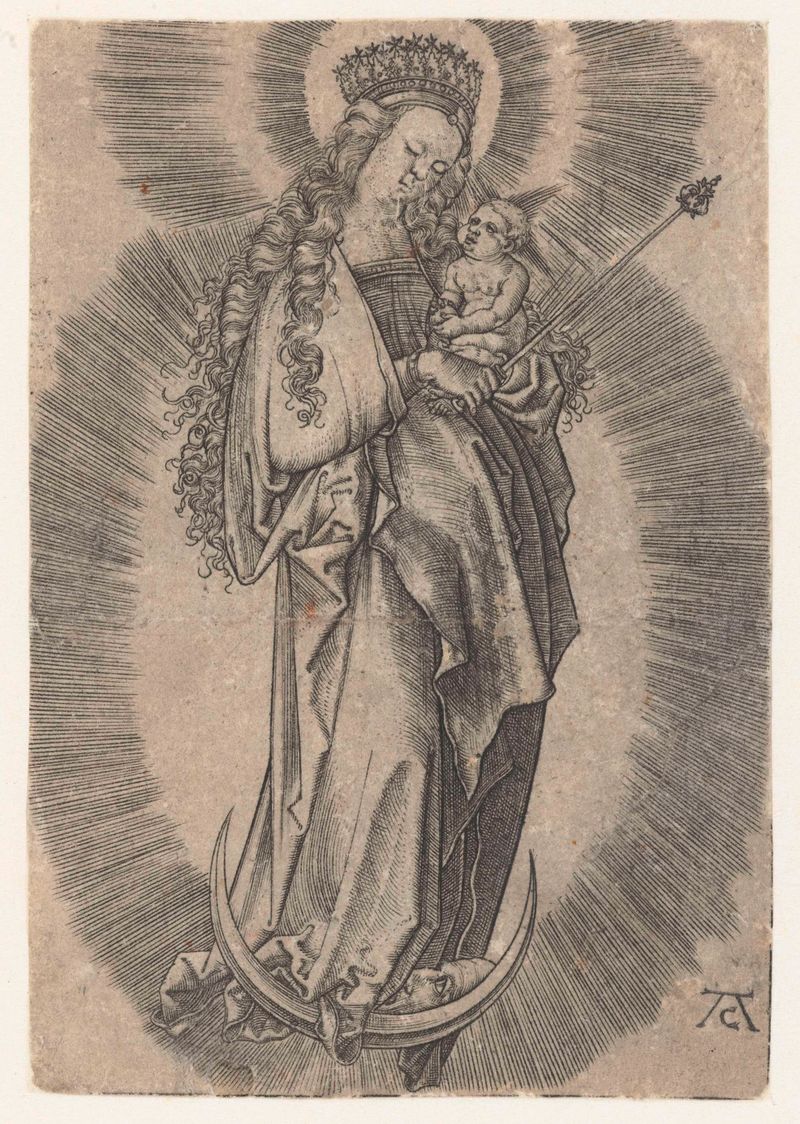
Madonna op de maansikkel.
Monogrammist AC (16e eeuw)
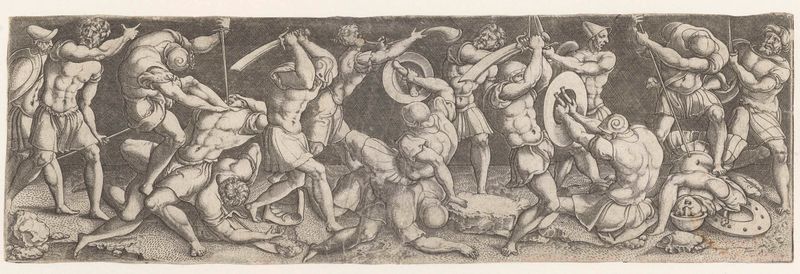
Gevecht tussen Romeinse soldaten
Monogrammist AC (16e eeuw)
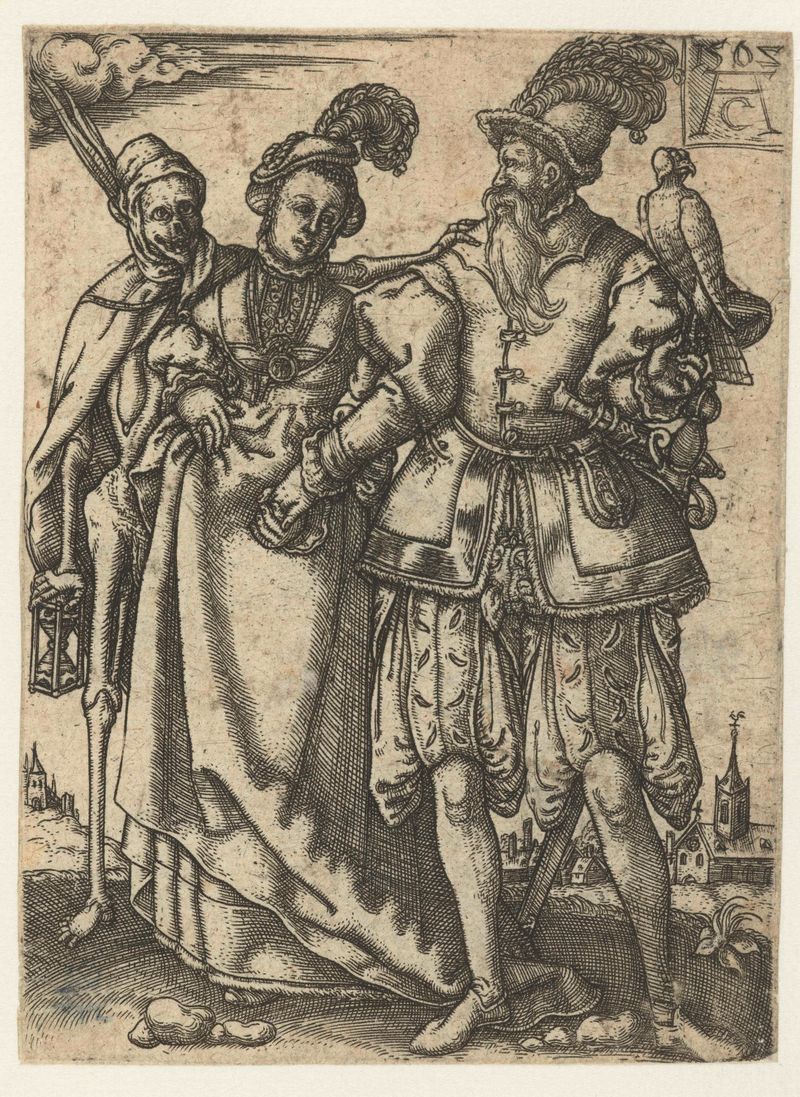
Echtpaar met de Dood
Monogrammist AC (16e eeuw)
More Historical Art
Browse all →
The Night Watch Militia Company of District II under the Command of Captain Frans Banninck Cocq
Rembrandt van Rijn

Lincoln Memorial
Henry Bacon

The Third of May 1808
Francisco de Goya

Isaac and Rebecca, Known as ‘The Jewish Bride’
Rembrandt van Rijn

The Charge of the Mamelukes (1814)
Francisco de Goya

De vier ruiters van de apocalyps
Albrecht Dürer