Tea Rusk and Brick House — History & Facts
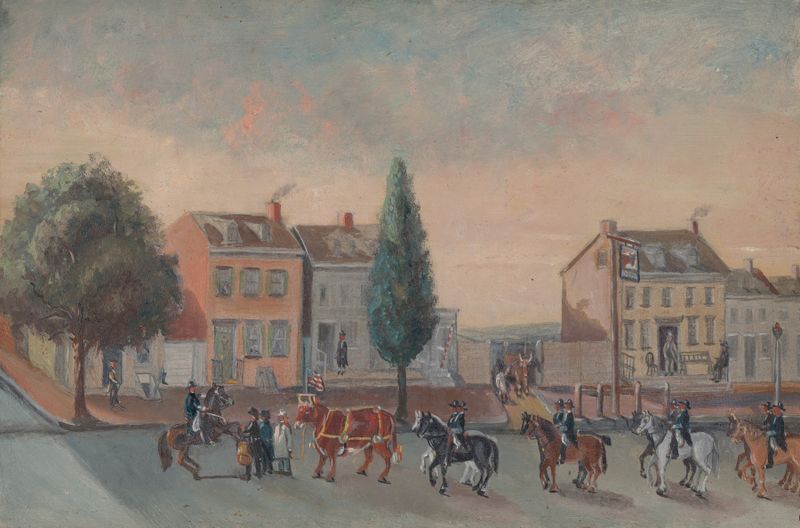
This profound sentiment lingers like a whisper in the air when gazing upon the stillness captured here, where time itself seems suspended. Look to the center of the canvas, where a delicate arrangement of tea rusk lies in quiet repose. The gentle sheen of golden-brown hues calls to the viewer, inviting them to consider the warmth and comfort of daily rituals. Notice how the soft light bathes the surface, casting subtle shadows that create a sense of intimacy.
The rustic brick house, positioned just behind, stands as a silent witness, its weathered facade rich with stories of the past, providing a juxtaposition between the fragility of the snack and the enduring nature of the structure. This artwork reflects a poignant contrast between the simplicity of the objects and the weight of time that hangs over them. The mundane act of enjoying tea rusk becomes a meditation on life's fleeting moments, while the sturdy brick house hints at permanence amidst transience. Each crumb and crack in the brick speaks to the passage of years, ensuring that beauty is not merely skin deep, but layered with history and emotion. In the 1870s, William P.
Chappel painted this piece during a period of burgeoning artistic exploration in America. While the world around him was evolving rapidly, marked by industrial growth and social change, he chose to focus on everyday life’s quiet moments. This decision speaks to a larger artistic movement that sought to find beauty in the ordinary, capturing the essence of time as it flows through both the mundane and the remarkable.
More Artworks by William P. Chappel
Browse all →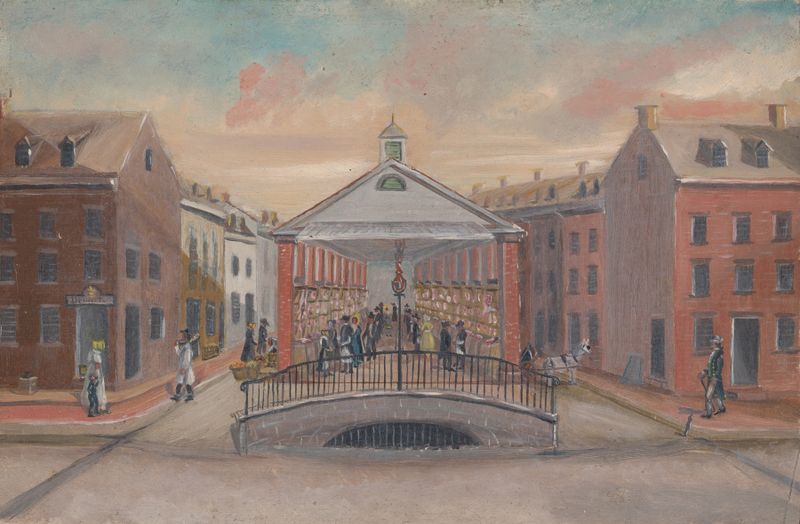
Fly Market
William P. Chappel
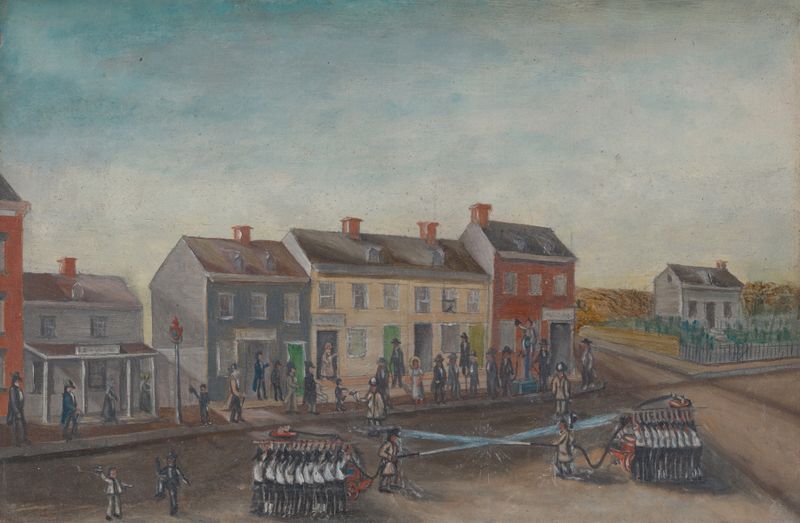
Firemen’s Washing Day
William P. Chappel
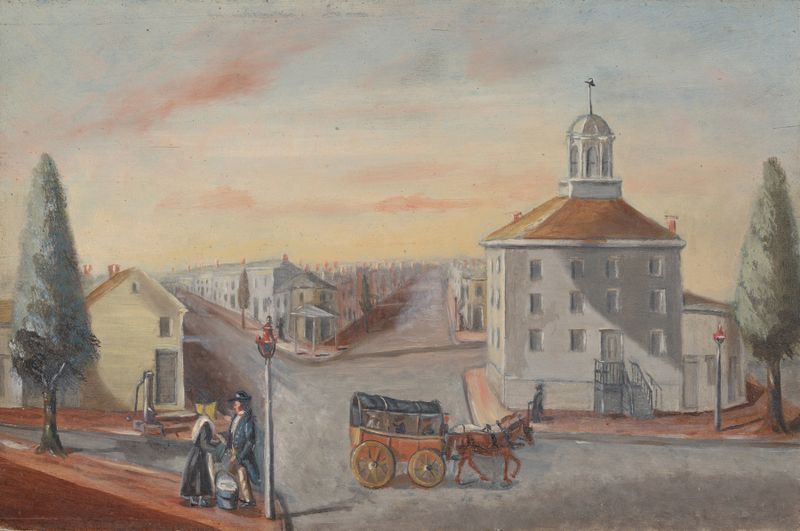
Hot Corn Seller
William P. Chappel
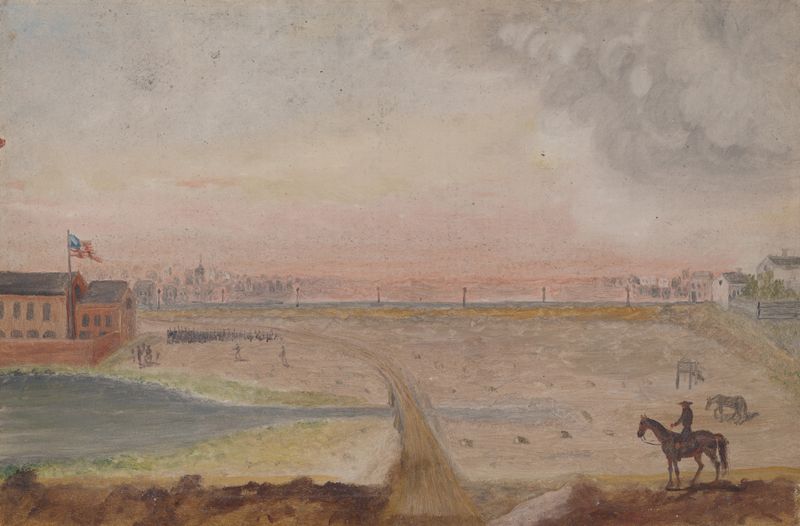
Militia Drilling
William P. Chappel
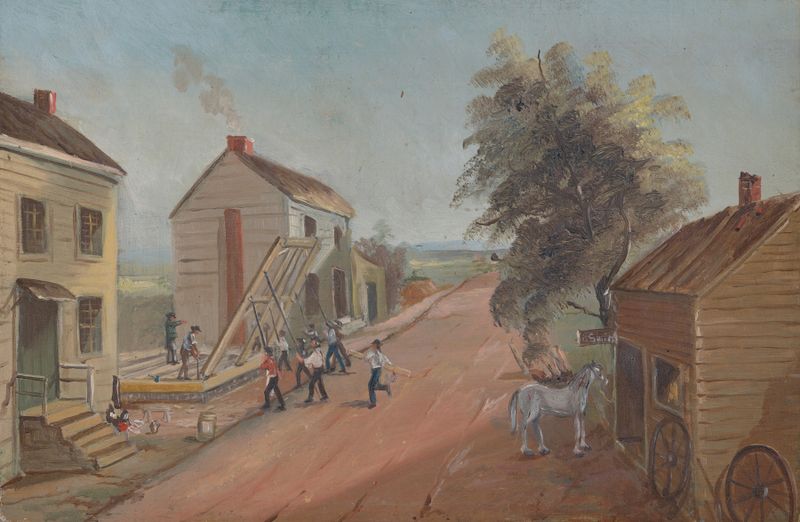
House Raising
William P. Chappel
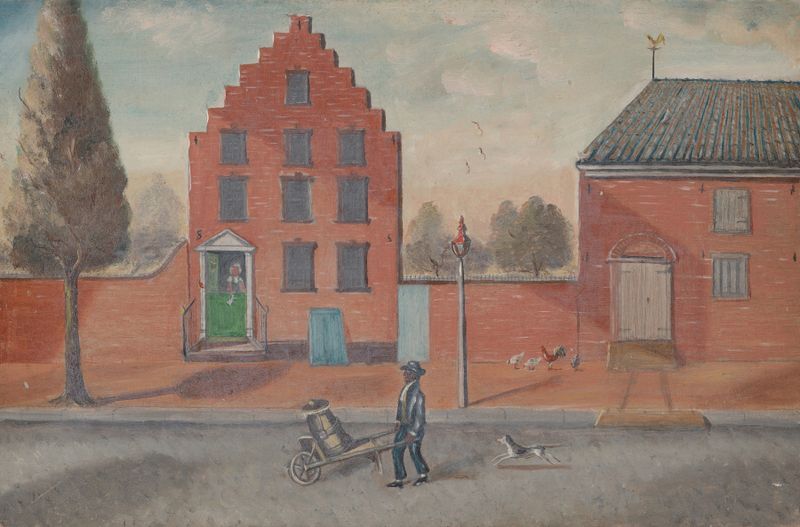
Buttermilk Pedlar
William P. Chappel
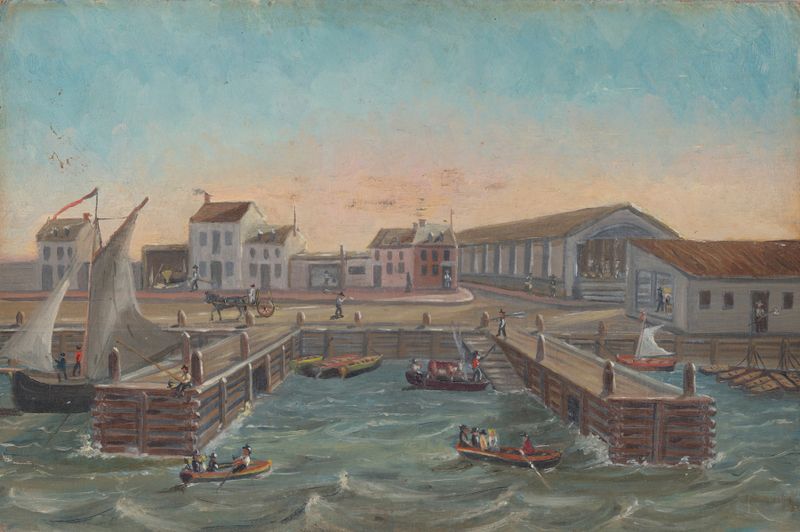
Old Ferry Stairs
William P. Chappel
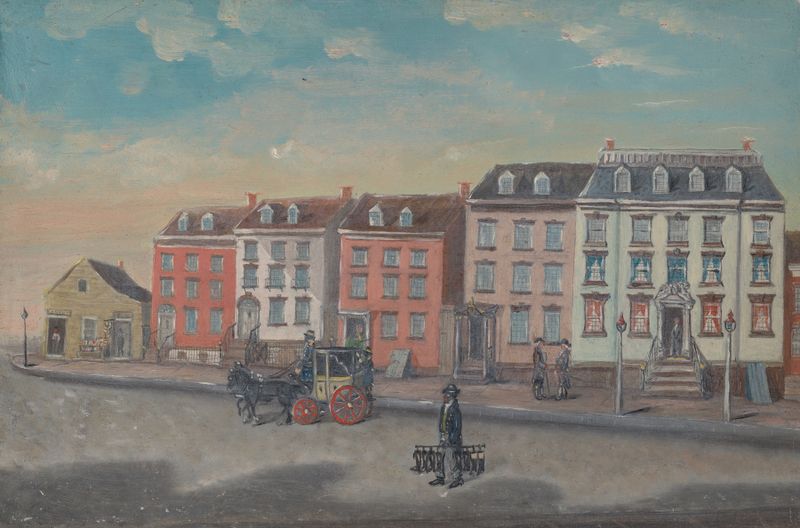
The Boot Black
William P. Chappel
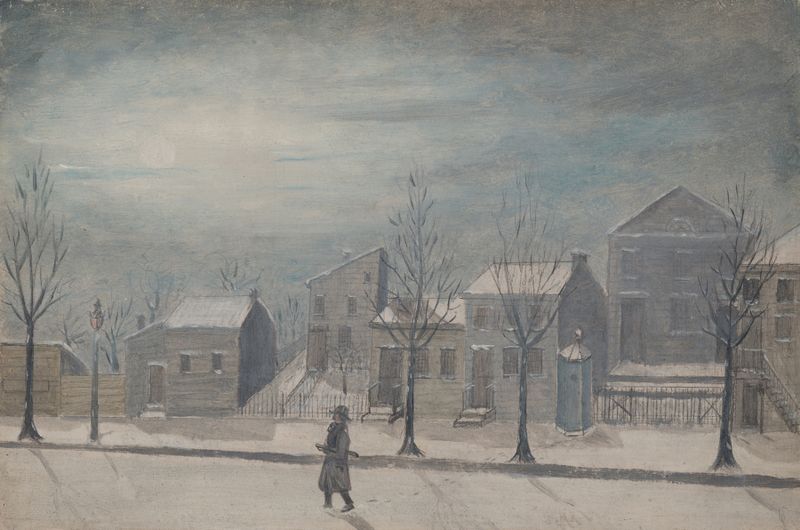
City Watchman
William P. Chappel
Bull’s Head Tavern
William P. Chappel