Discover insights about this artwork
Tête-à-tête — History & Facts
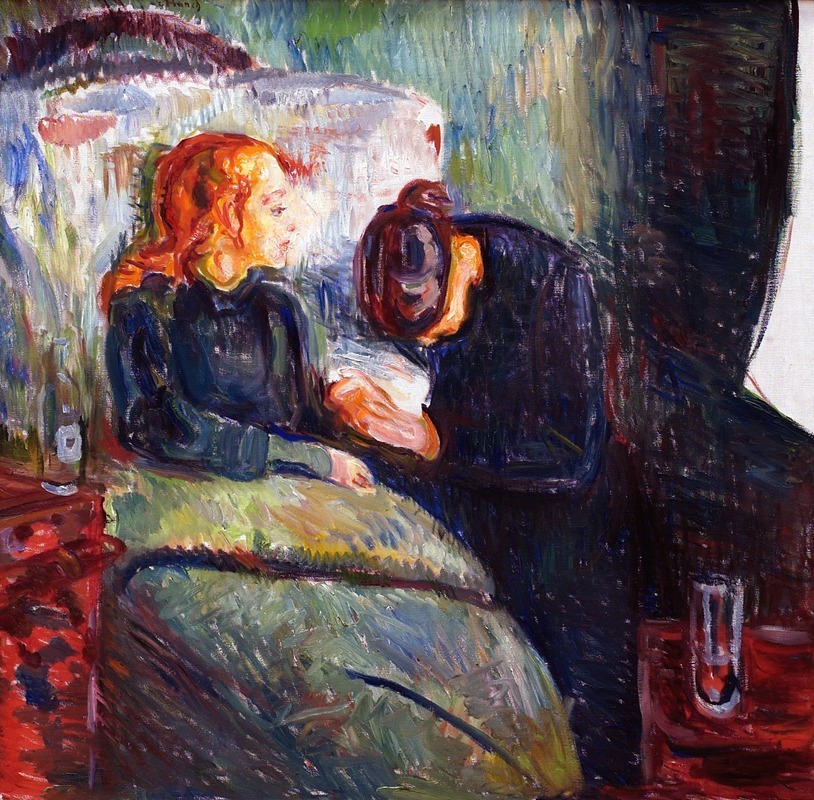
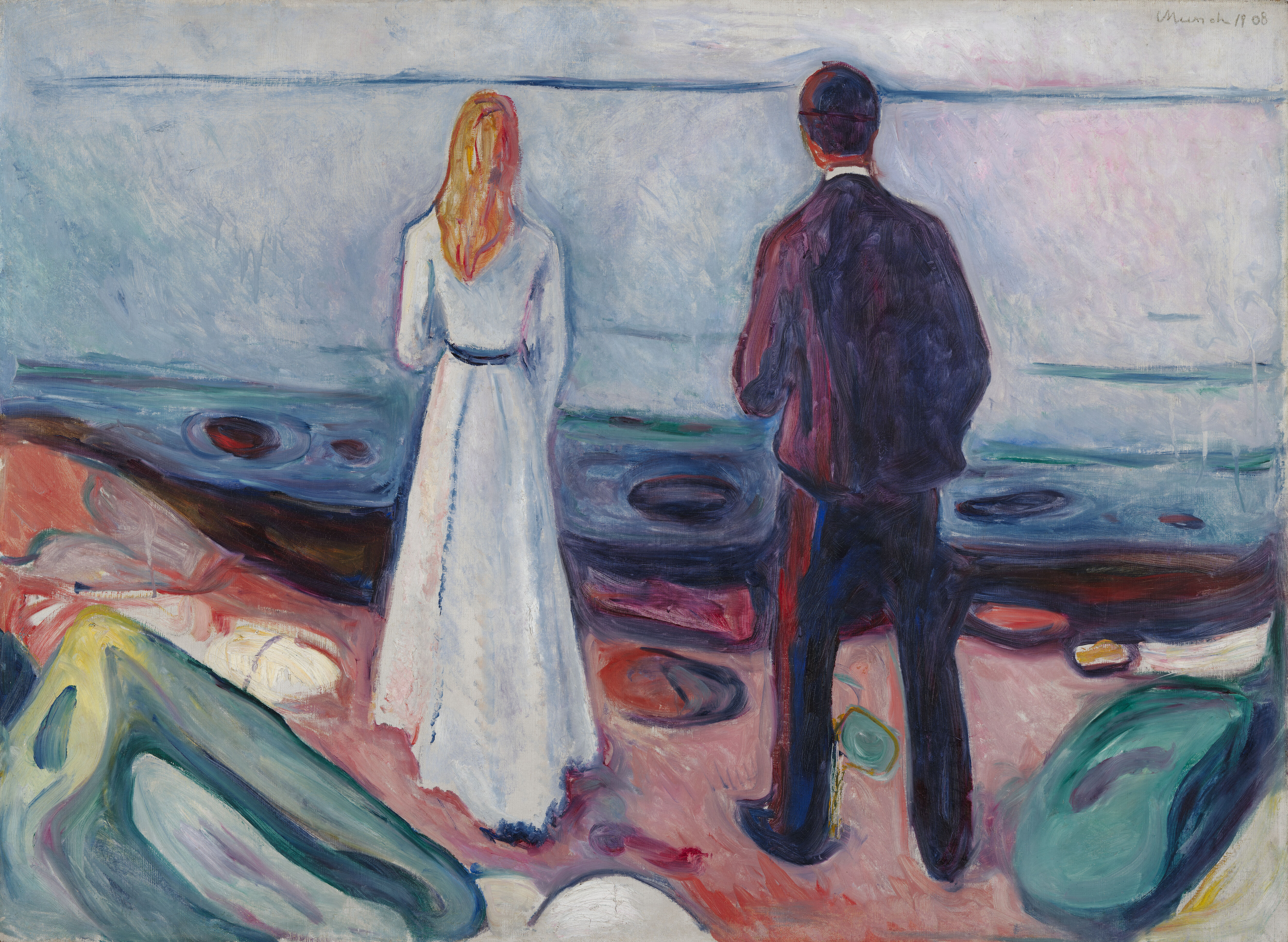
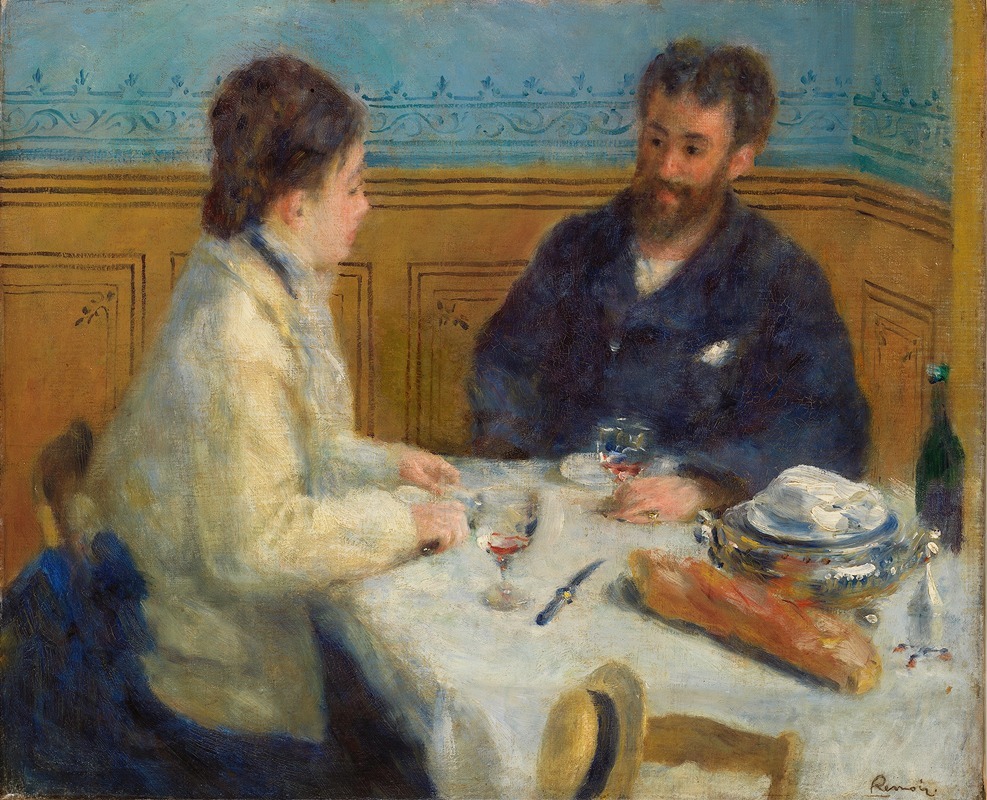
In Tête-à-tête, Edvard Munch presents two figures engaged in a close conversation. The colors are rich and expressive, with deep reds and blues dominating the scene. The figures are somewhat abstract, their features exaggerated to convey emotion.
The setting appears intimate, perhaps in a private space, enhancing the sense of connection between the two subjects. The painting is characterized by Munch's signature brushwork, which adds a sense of movement and emotion. The use of color is striking, with bold contrasts that draw the viewer's eye. The figures are positioned closely together, emphasizing their relationship.
Munch's style in this work reflects the emotional intensity typical of Expressionism. Edvard Munch, known for his exploration of human emotion, painted Tête-à-tête during a period of personal turmoil. This work reflects his interest in intimate relationships and the complexities of human connection. Interestingly, Munch often used his own experiences as inspiration for his art.
This painting is a testament to his ability to capture deep emotional states through visual means.