Discover insights about this artwork
Tête-à-Tête (Plauderstunde) — History & Facts
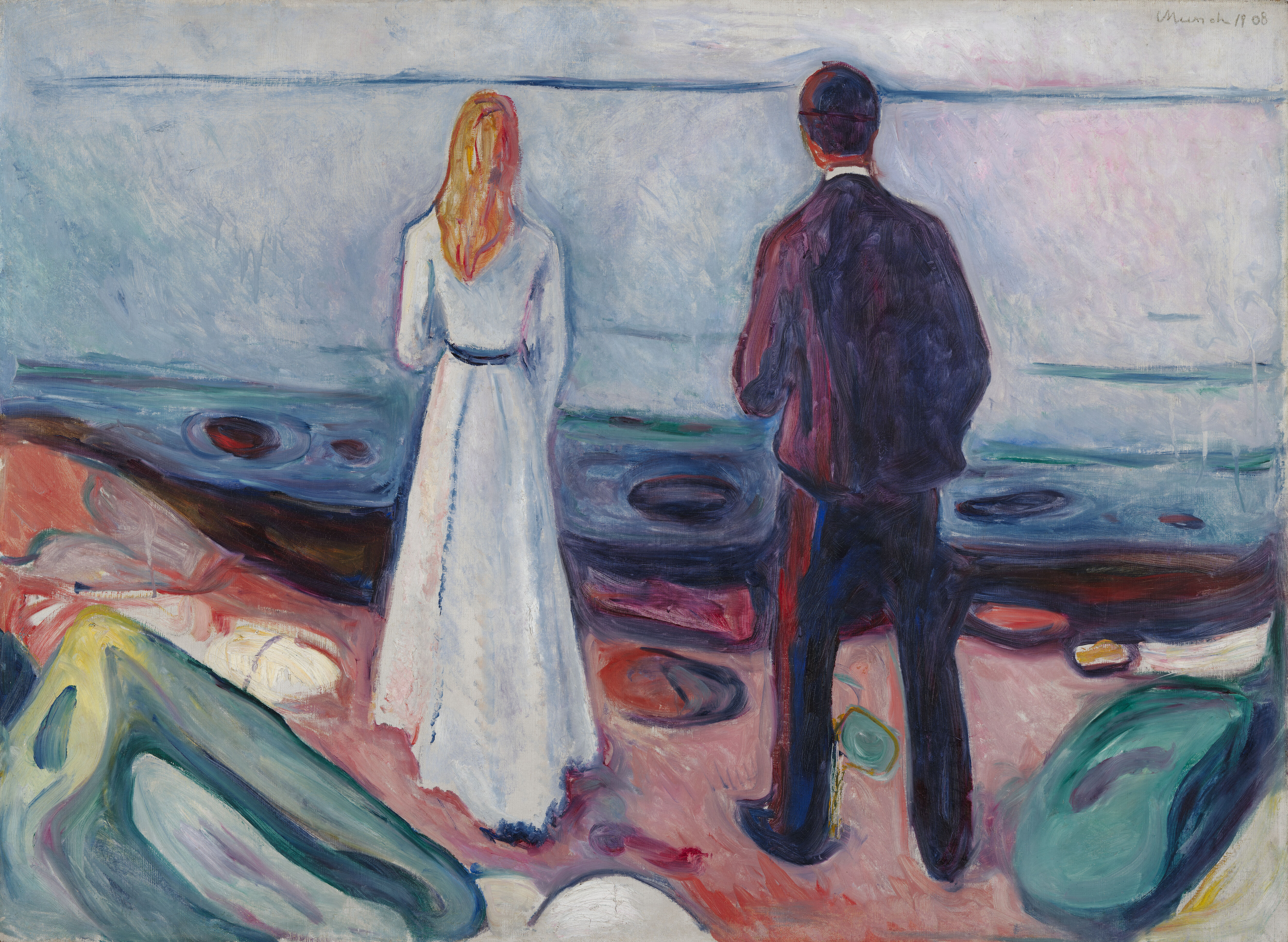
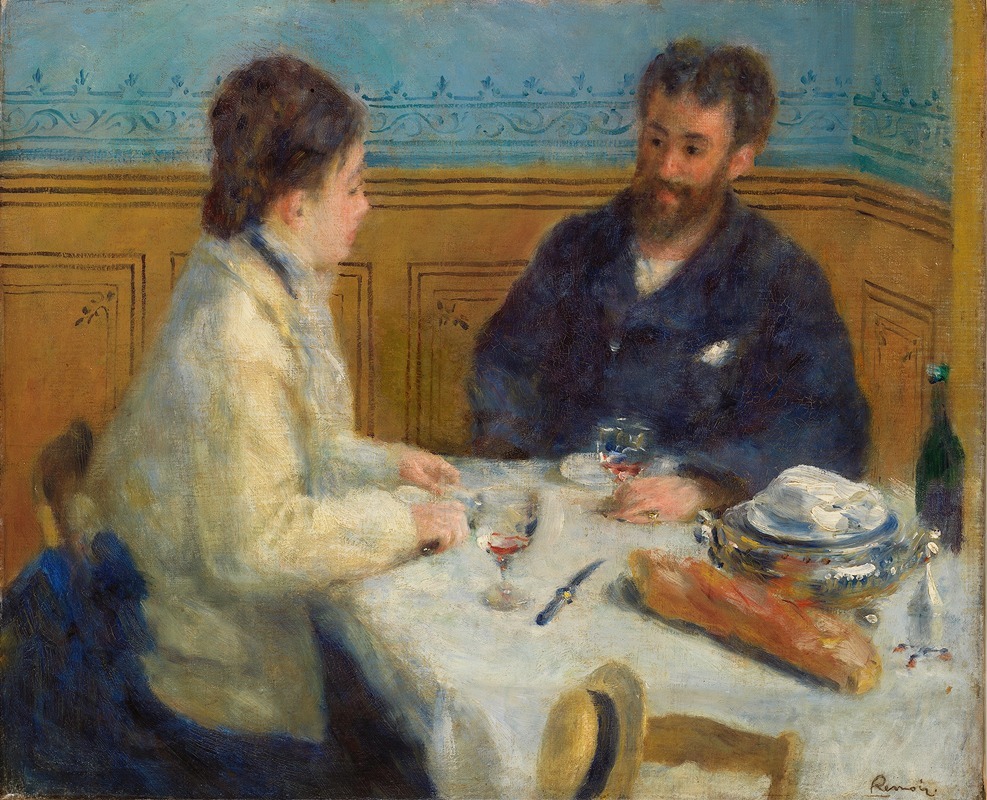
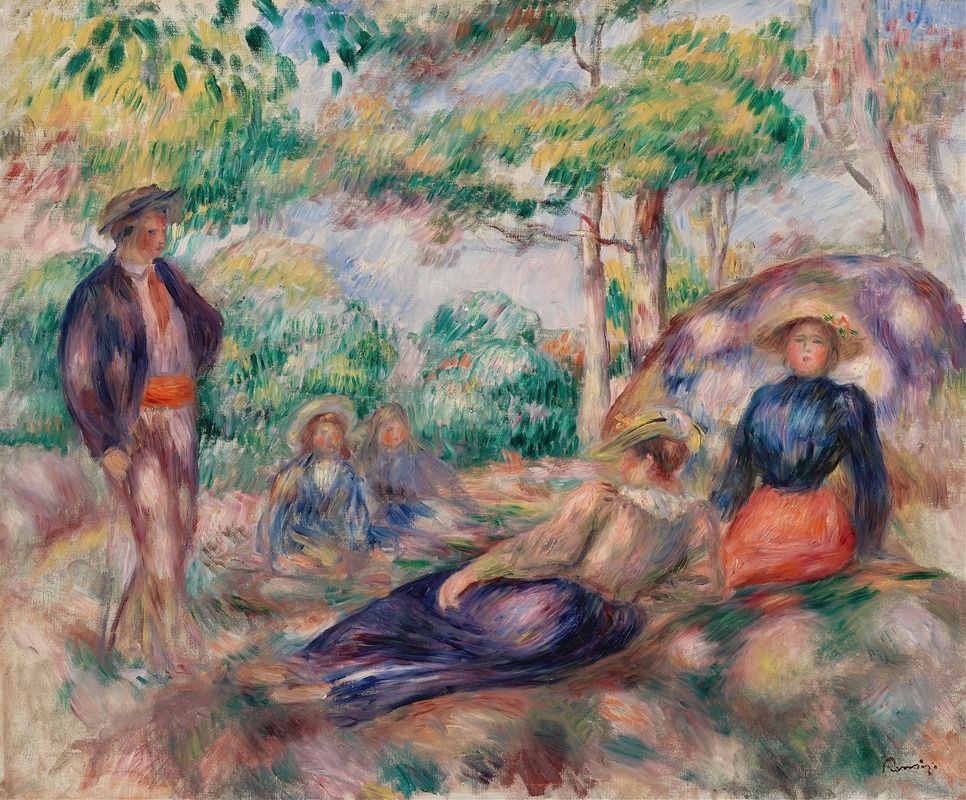
In Tête-à-Tête (Plauderstunde), Edvard Munch presents a scene filled with warm, muted colors. Two figures engage in a close conversation, their expressions revealing a mix of intimacy and contemplation. The background is softly blurred, drawing attention to the figures and their interaction.
The overall atmosphere feels intimate and personal, inviting viewers into their private moment. The painting is characterized by Munch's distinctive brushwork and use of color, typical of his Expressionism style. The figures are rendered with a certain fluidity, emphasizing their emotional connection. Munch often explored themes of love and human relationships, and this work is no exception.
The composition is balanced, with the figures centrally placed, enhancing the sense of closeness. Edvard Munch was a pivotal figure in the development of modern art, known for his exploration of psychological themes. Tête-à-Tête reflects his interest in the complexities of human relationships. Interestingly, this work is part of a private collection, making it less accessible to the public compared to his more famous pieces.
Munch's ability to convey emotion through color and form remains influential in contemporary art.