
The Abduction of Deianira by the Centaur Nessus — History & Facts
A rush of movement and color seizes the eye at the center of The Abduction of Deianira by the Centaur Nessus, painted by Louis-Jean-François Lagrenée in 1755. The drama unfolds in a single, explosive instant: a woman is swept up by a centaur whose muscular back twists toward the viewer, her limbs and garments flung wide in protest and panic. The artist choreographs every gesture for maximum tension—Deianira’s upturned face and flailing arm are a silent cry, while Nessus’s determined grip and forward thrust make escape seem impossible.
The swirl of pink and gold fabric is not just ornament but a visual alarm, drawing the gaze to the struggle at the painting’s heart, while the fallen figure and the river’s churn below hint at chaos and danger. This is a picture built on contrasts: flesh against hide, violence against beauty, the wild against the civilized. The centaur’s body, half-man and half-horse, is rendered with anatomical precision, his power emphasized by the twisting pose and taut muscles. Deianira’s pale skin and flowing hair catch the brightest light, setting her apart from the darker, earthier tones of Nessus and the shadowed landscape.
In the background, a bowman—likely Hercules—takes aim, his presence a silent promise of retribution. The entire scene is staged with the theatricality and sensuality of mid-18th-century French painting, where mythological subjects allowed artists to explore human emotion and physicality with both grace and daring. Works like this were often commissioned for aristocratic interiors, meant to display both the patron’s taste for classical learning and the painter’s command of narrative. In 1755, Lagrenée was part of a generation of French artists who brought the grand themes of antiquity to life with new lightness and sensuality, blending the drama of the Baroque with the elegance of the Rococo.
The myth of Nessus and Deianira was a favorite in this period, offering both moral warning and an excuse for dynamic, expressive bodies. History has kept few traces of this particular painting’s early journey, but its energy and polish are reminders of a world where myth, art, and ambition were tightly entwined—inviting us to look again at every detail, from the trembling reeds to the archer’s poised arrow.
More Artworks by Louis-Jean-François Lagrenée
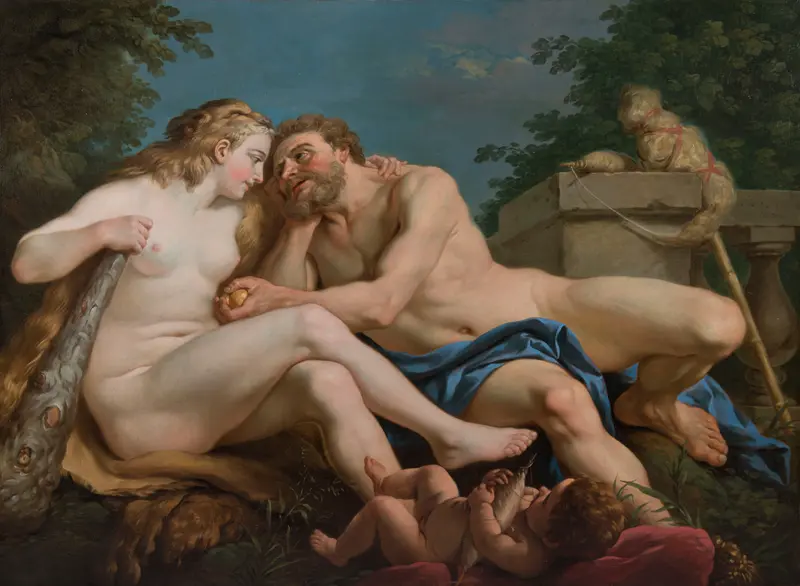
Herkules and Omphale
Louis-Jean-François Lagrenée
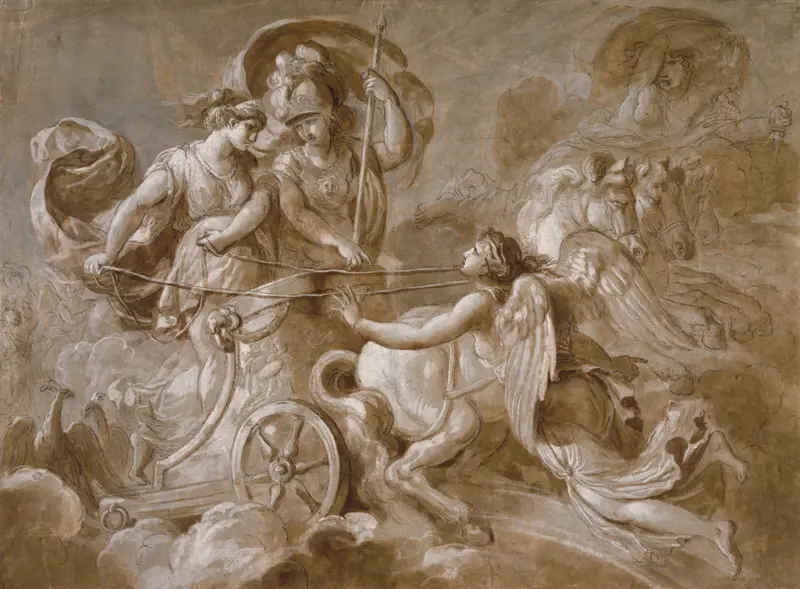
Iris Approaching Athena and Hera
Louis-Jean-François Lagrenée
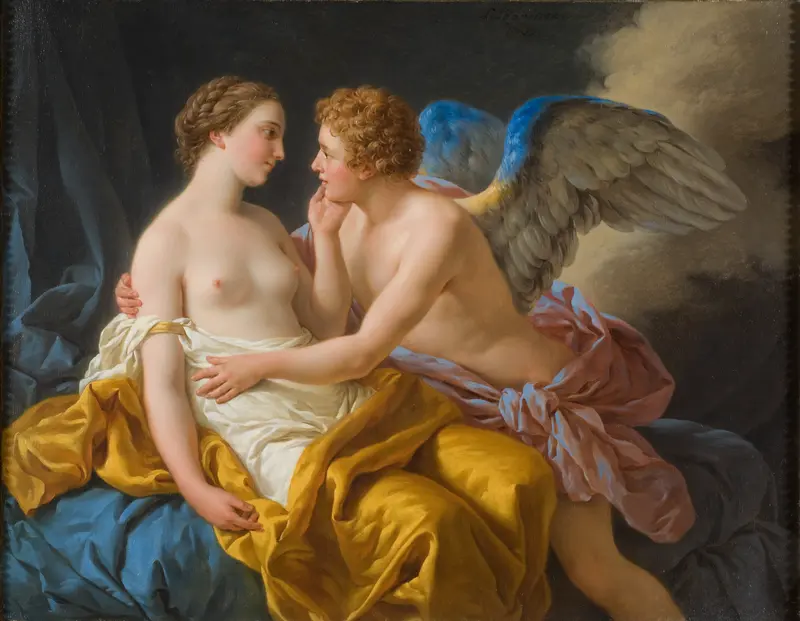
Cupid and Psyche
Louis-Jean-François Lagrenée
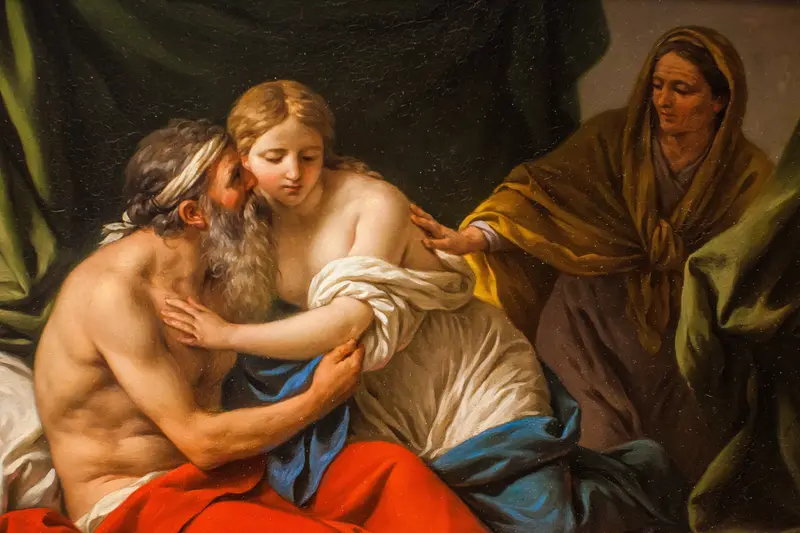
Sarah Presenting Hagar to Abraham
Louis-Jean-François Lagrenée
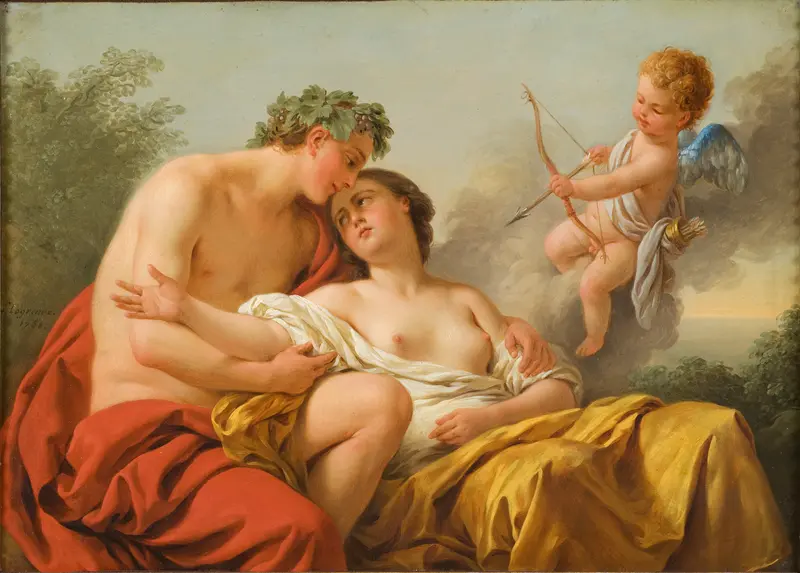
Bacchus and Ariadne
Louis-Jean-François Lagrenée
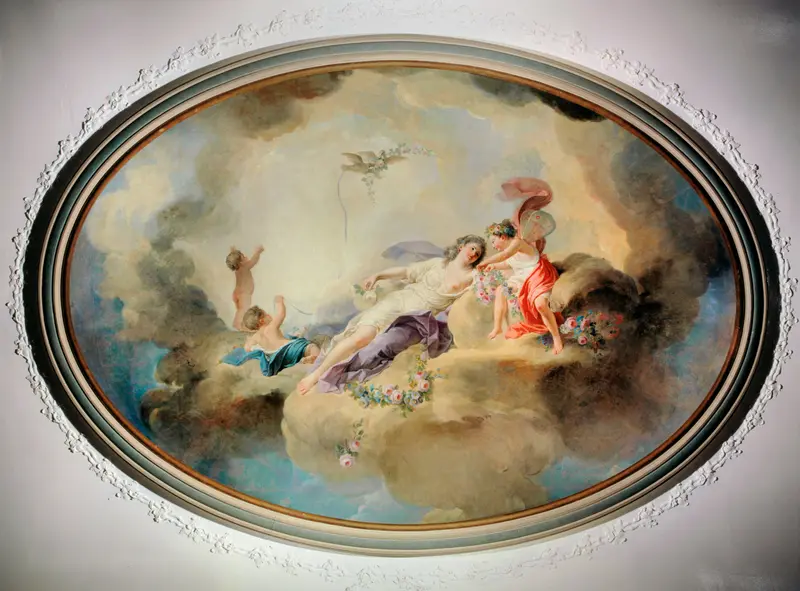
Louis Jean François Lagrenée Le triomphe de Flore P787 Musée Carnavalet
Louis-Jean-François Lagrenée
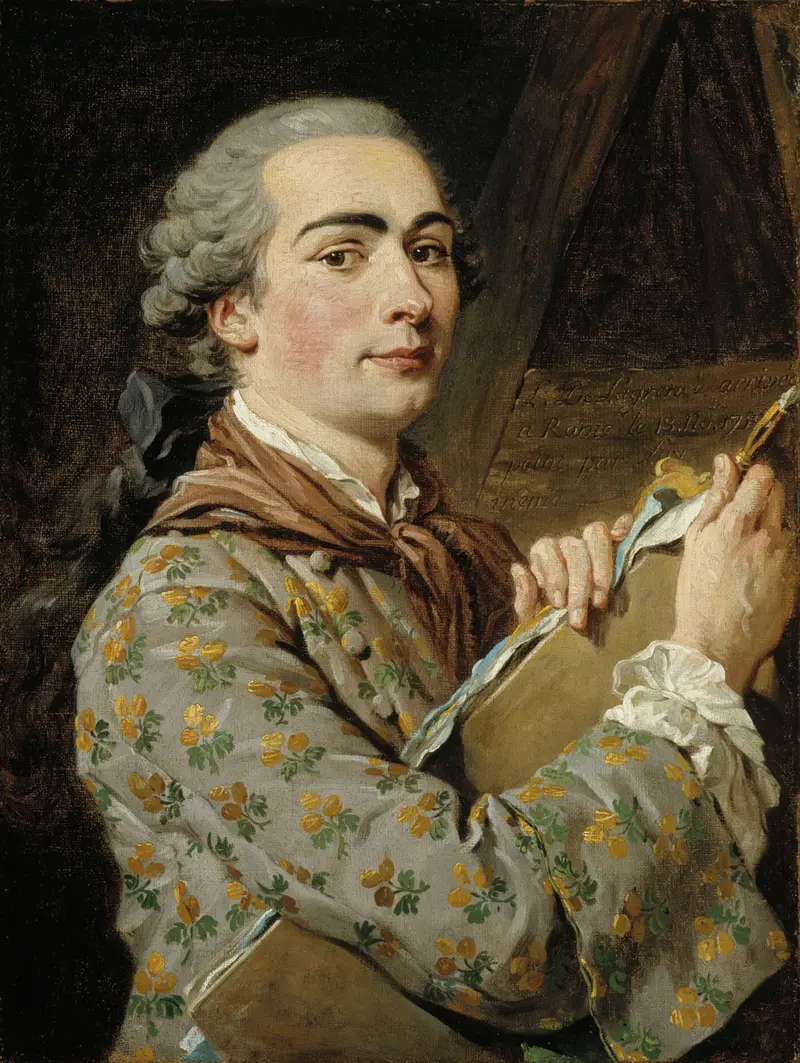
Self-Portrait
Louis-Jean-François Lagrenée
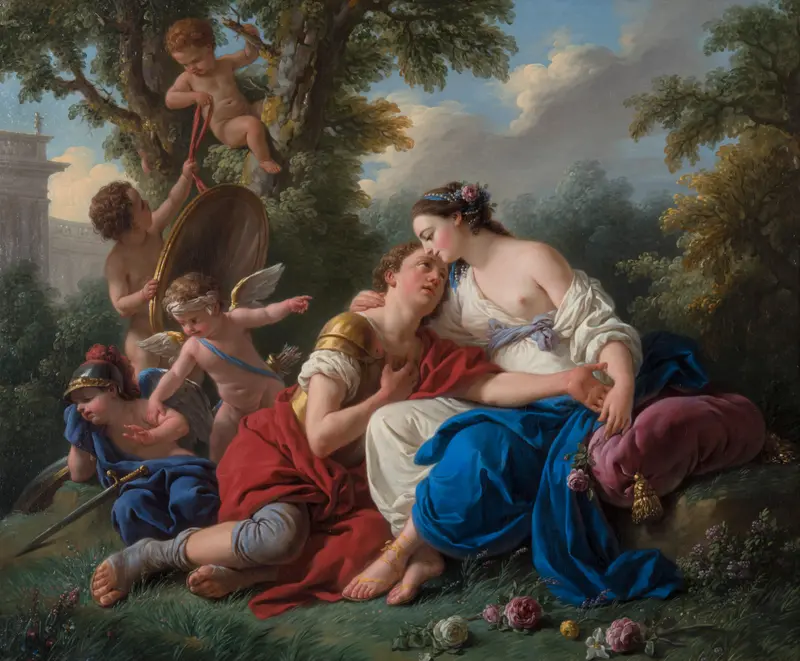
Rinaldo and Armida
Louis-Jean-François Lagrenée
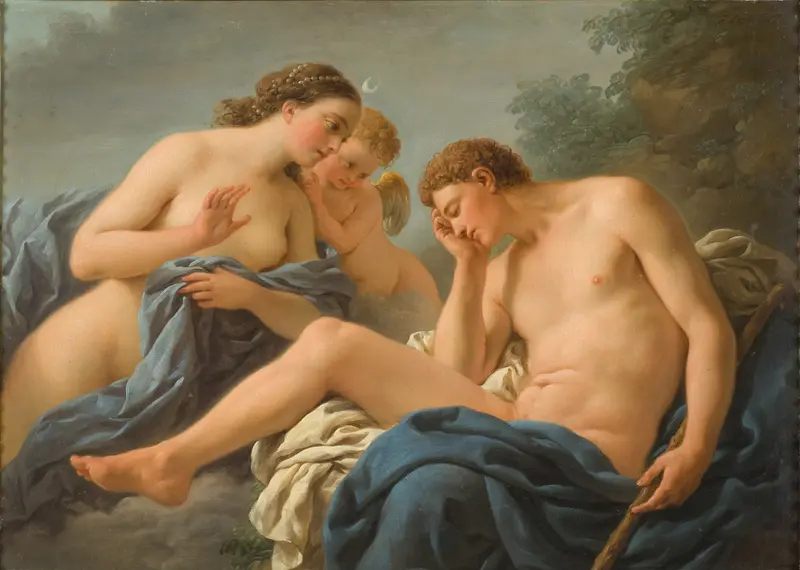
Diana and Endymion
Louis-Jean-François Lagrenée
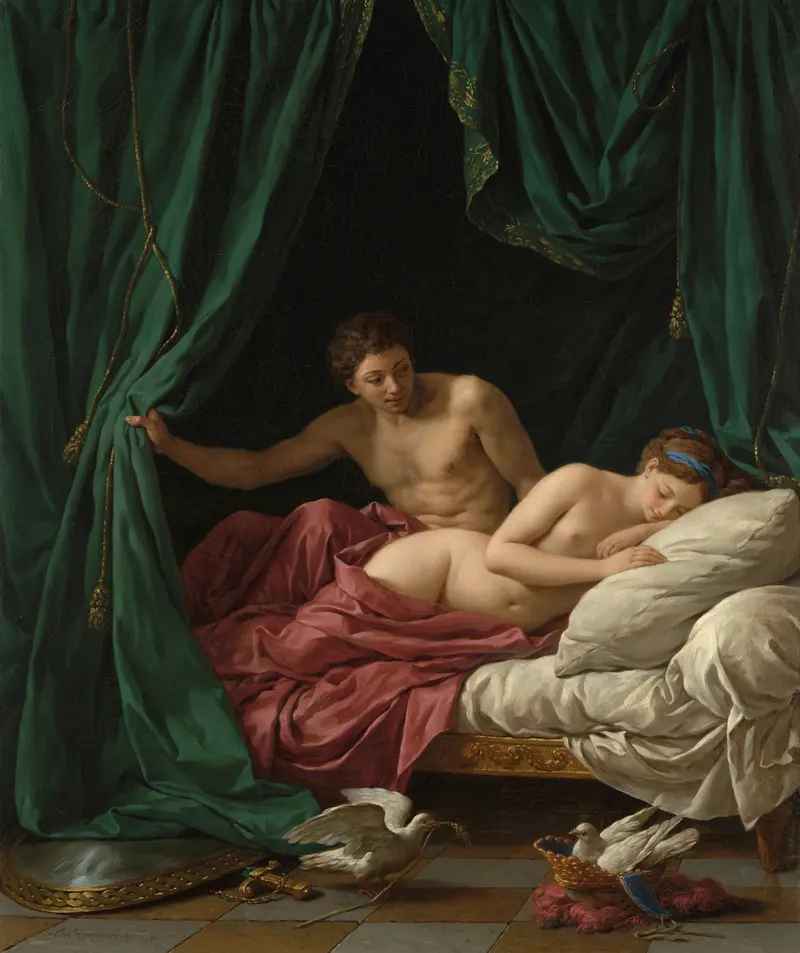
Mars and Venus, Allegory of Peace
Louis-Jean-François Lagrenée





