
The Acrobats in Grey — History & Facts
Limbs tangle and bodies overlap in a restless knot, drawing the viewer into a puzzle of flesh, gesture, and gaze. The eye is caught first by the bold, sculptural outlines—thick black lines that carve each figure from the yellow ground, yet refuse to separate them fully. Blue shadows pool on the skin, lending a sense of both mass and movement, as if these acrobats are caught mid-performance, suspended between balance and collapse.
Hands grip shoulders, feet brace against backs, and faces emerge at unexpected angles, each expression calm, almost mask-like, despite the contortions below. The composition is dense, but not chaotic; every limb is accounted for, every space filled, as if the painting itself is a stage and the acrobats are both performers and architecture. Painted between 1942 and 1944, The Acrobats in Grey belongs to a world in upheaval, yet it draws on the traditions of modernism that flourished in early twentieth-century Europe. Fernand Léger was known for his fascination with the human figure as a machine—interlocking, functional, and rhythmic—and here he pushes that idea to its limit.
The palette, dominated by cool greys and blues against a warm yellow, is typical of the period’s experiments with abstraction and the reduction of form. Now held in the Centre Pompidou, this work stands as a testament to the era’s search for order and harmony amid uncertainty. The longer you look, the more the figures seem to shift, inviting you to find your own path through their labyrinth of limbs.
More Artworks by Fernand Léger

The Tugboat Bridge
Fernand Léger
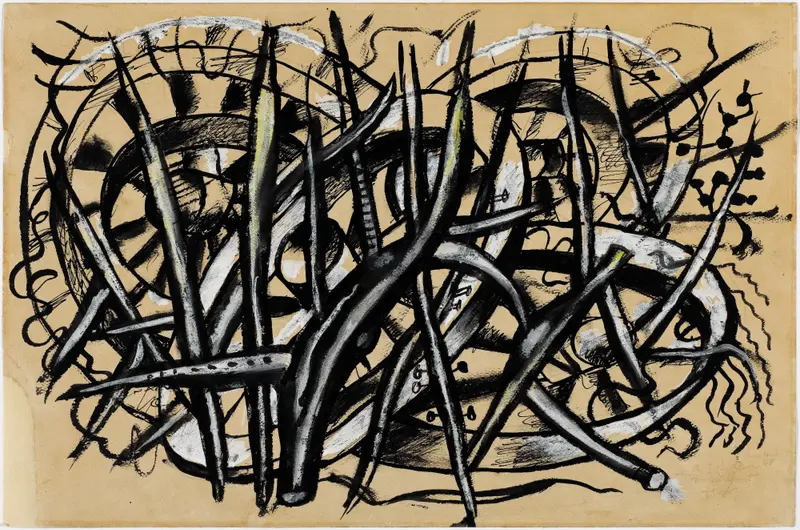
The Wheels
Fernand Léger

Le Cirque Médrano
Fernand Léger
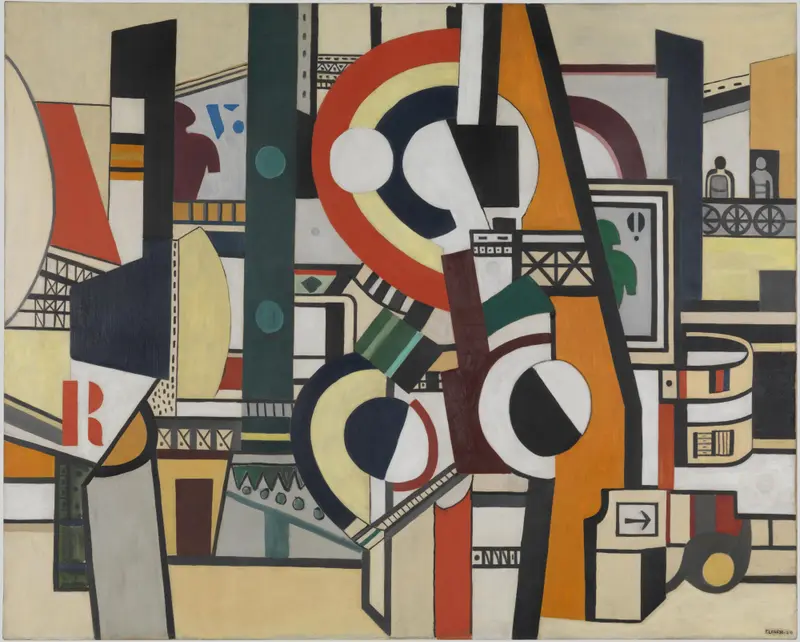
The Disks in the City
Fernand Léger
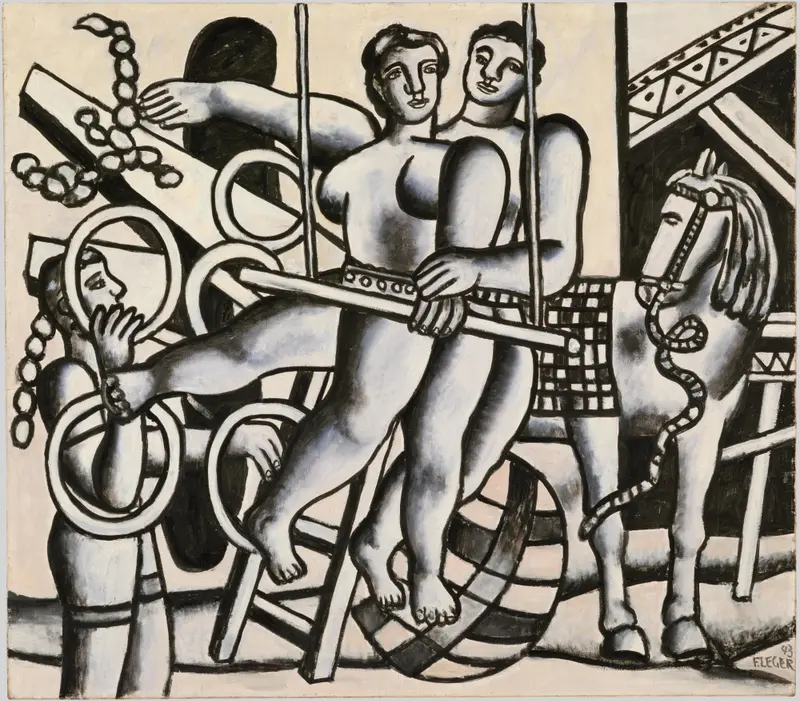
Le Jongleur et les acrobates
Fernand Léger
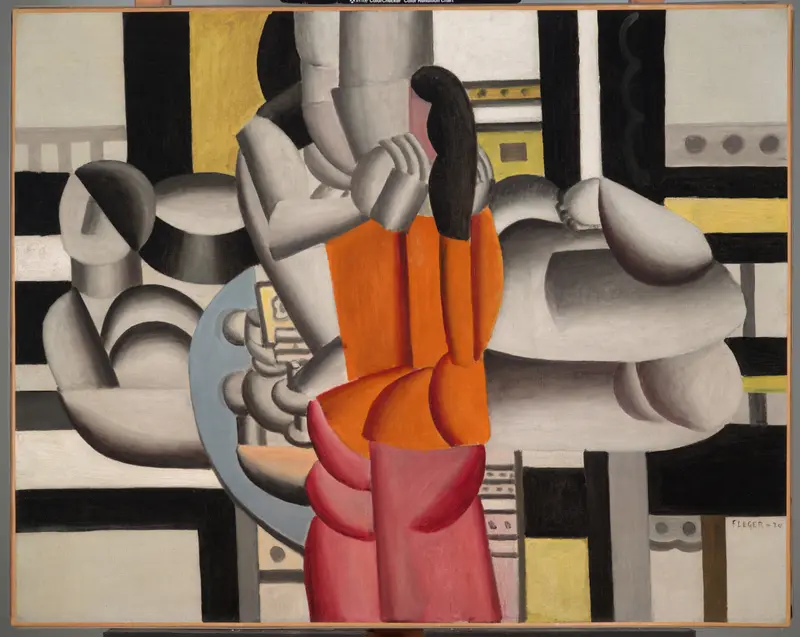
Three Women and Still Life (Déjeuner)
Fernand Léger
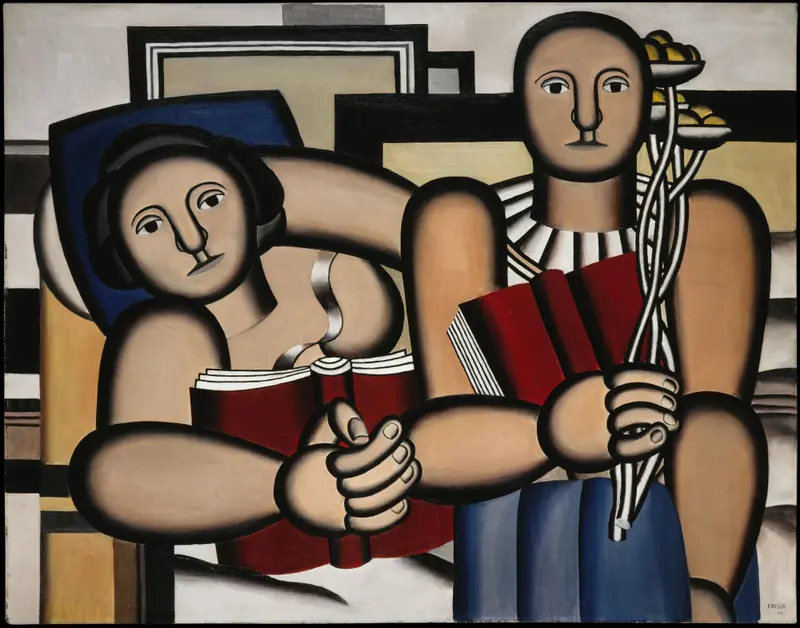
Reading
Fernand Léger
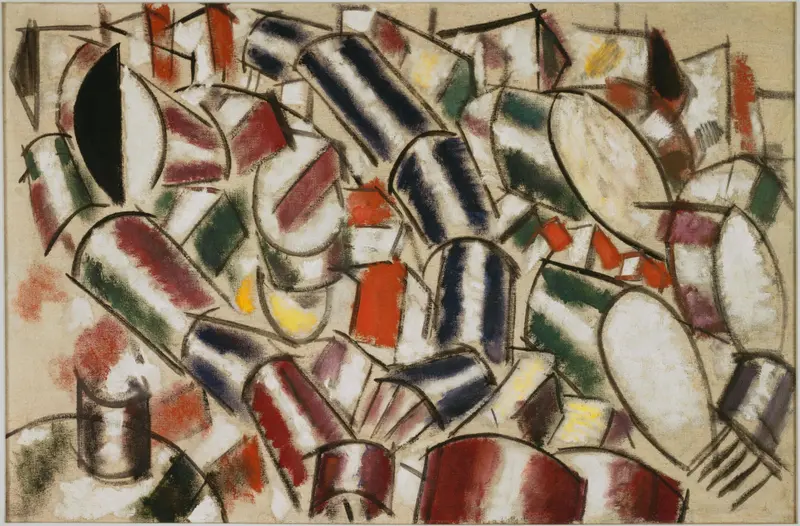
Femme couchée
Fernand Léger
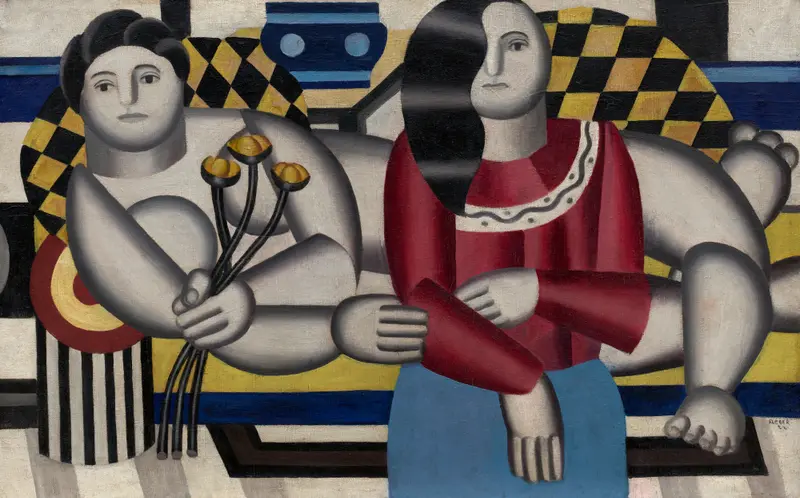
Woman holding flowers
Fernand Léger
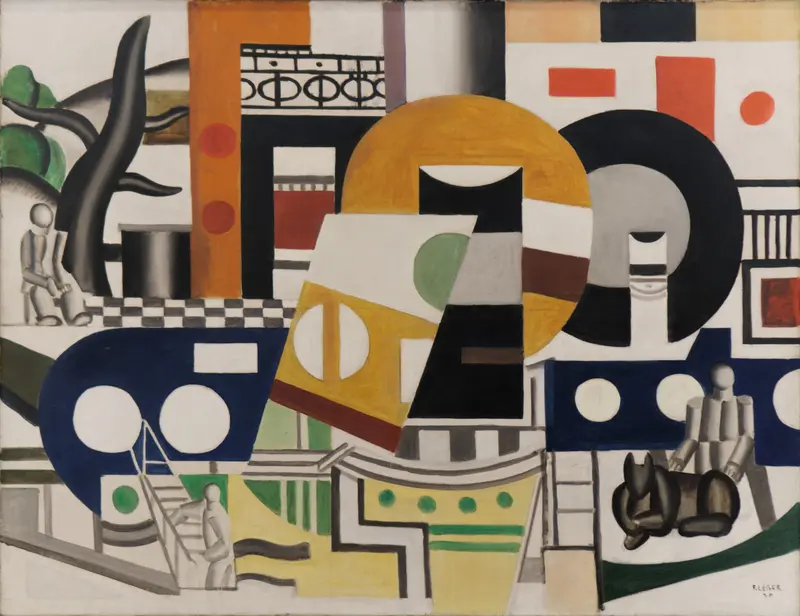
The Tug
Fernand Léger



