
The Adoration of the Magi — History & Facts
Gold, crimson, and midnight blue converge in a single, luminous moment: here, the three Magi kneel before the Christ child, their gifts gleaming in the warm candlelight. The painter, Abraham Janssens, has chosen the instant when awe and humility radiate from every figure, drawing the viewer into the hush at the heart of this crowded scene. The faces—each rendered with care—speak of different ages and distant lands, yet all are united in their gaze toward the infant.
The hands of the Magi, open and offering, echo the gestures of those behind them, as if the entire assembly is swept into the act of adoration. Light pours from above, illuminating Mary and the child while casting the visitors in a gentle shadow, heightening the sense of reverence and focus. The rich fabrics and intricate turbans of the Magi contrast with the simple drapery of Mary, underscoring the meeting of worldly power and divine humility. In the background, a swirl of attendants and onlookers recedes into darkness, their faces half-glimpsed, suggesting the wider world just beyond this sacred threshold.
Painted in 1616, this Adoration of the Magi would have spoken to a world hungry for grandeur and reassurance, offering a vision of order and wonder at the heart of faith. The painting now resides in the Royal Museum of Fine Arts Antwerp, inviting us to step closer and join the circle of witnesses.
More Artworks by Abraham Janssens

Jupiter Rebuked by Venus
Abraham Janssens
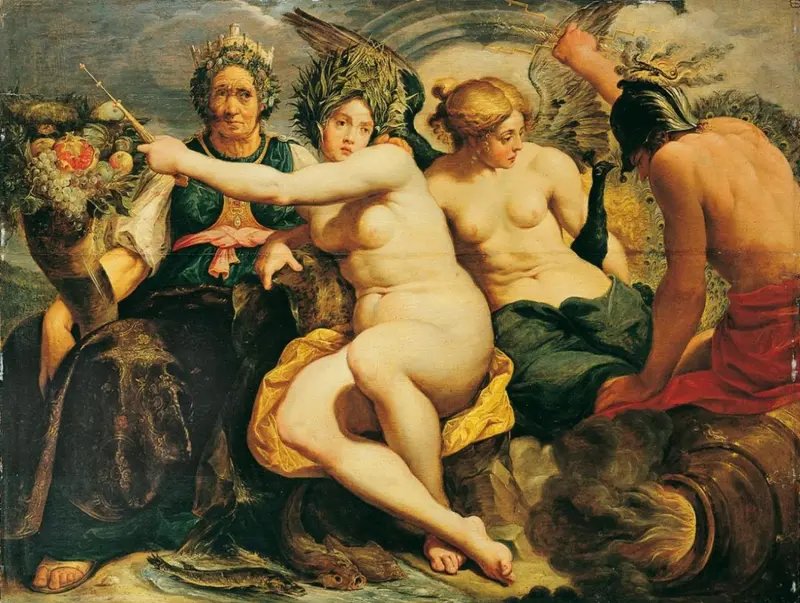
Allegorie der vier Elemente
Abraham Janssens
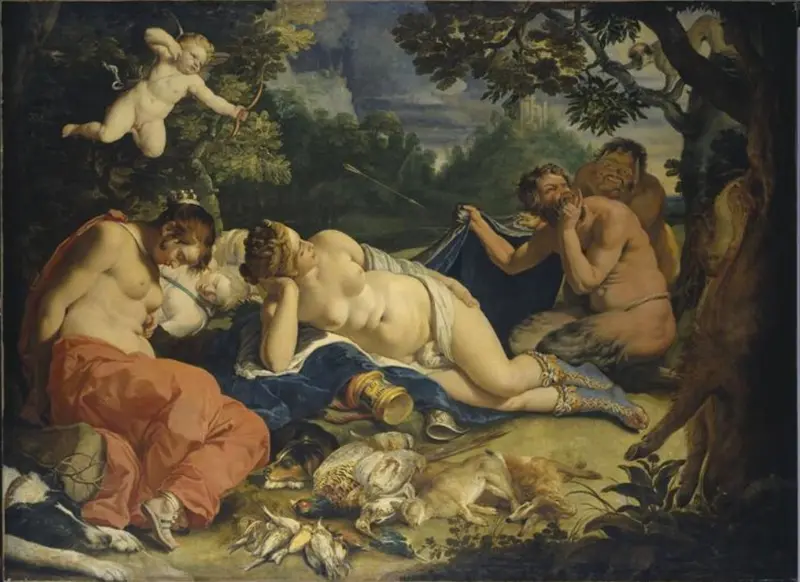
Diana and her nymphs spied on by satyrs
Abraham Janssens

Die Erweckung des Lazarus 153 Bavarian State Painting Collections
Abraham Janssens
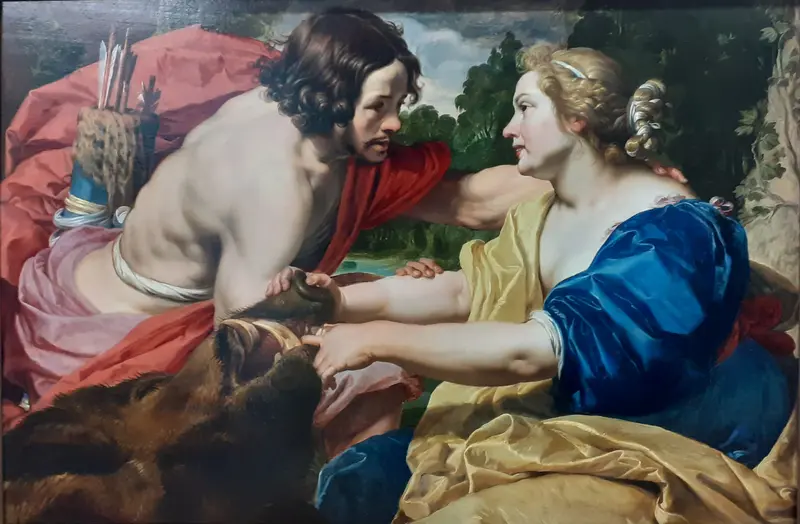
Meleager presents the head of the Calydonian Boar to Atalanta
Abraham Janssens
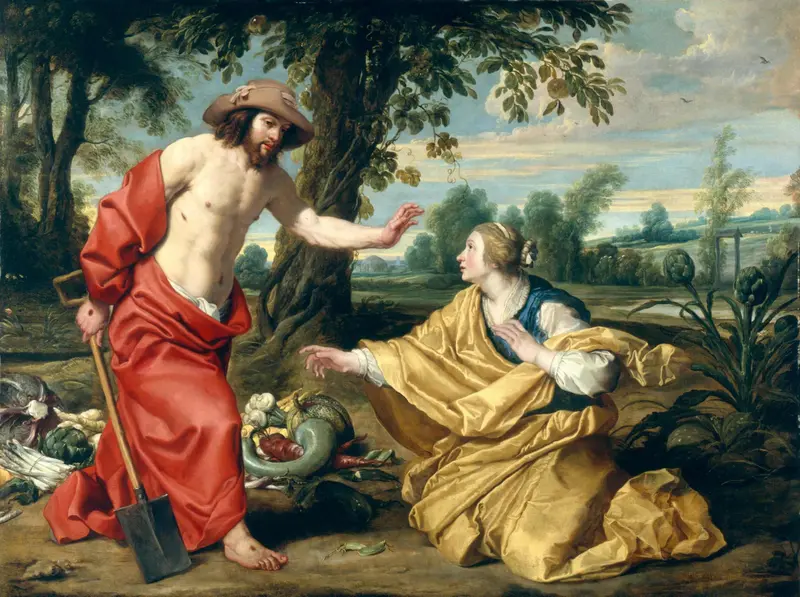
Noli me Tangere
Abraham Janssens
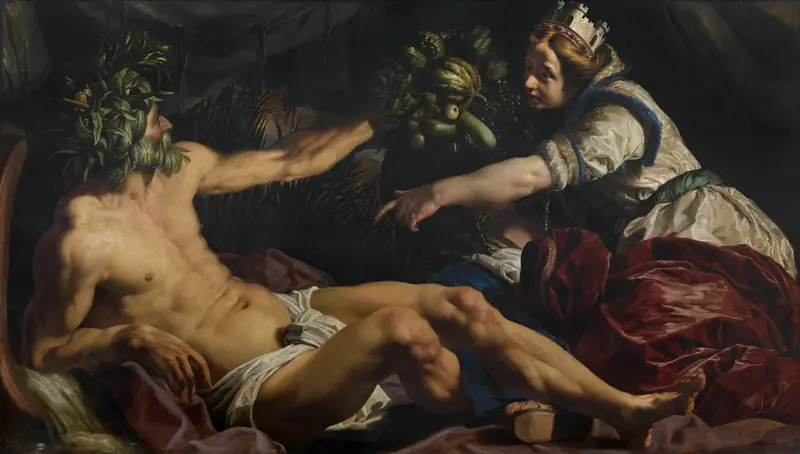
Scaldis and Antverpia
Abraham Janssens
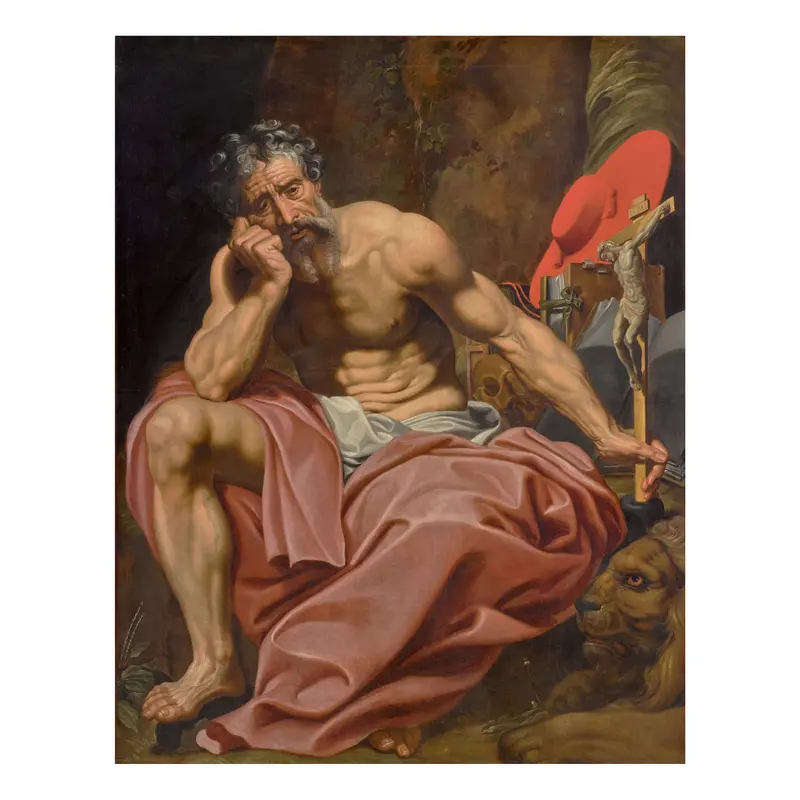
Saint Jerome
Abraham Janssens
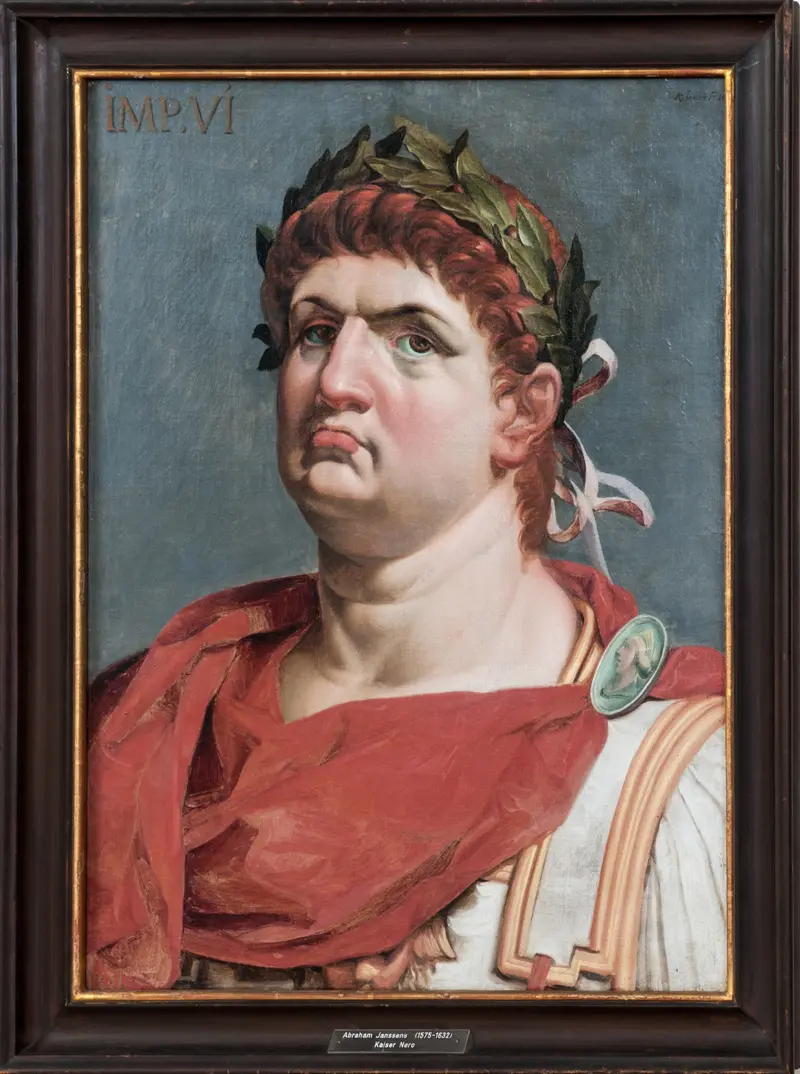
Nero
Abraham Janssens
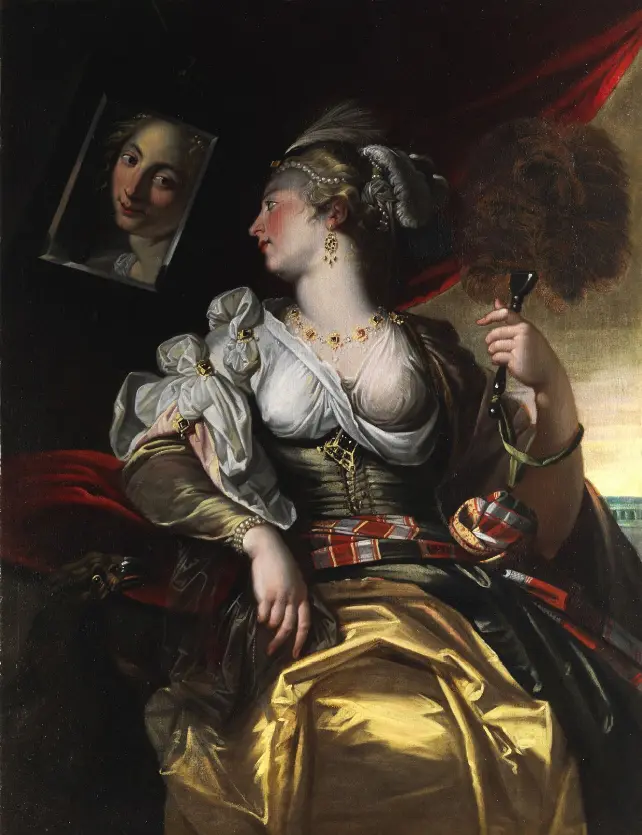
The Face
Abraham Janssens





