
The Adoration of the Magi — History & Facts
No other artist before Giotto di Bondone had so radically reimagined the moment when three kings from distant lands knelt before a newborn child. In the early fourteenth century, the story of the Magi was a familiar one, but Giotto’s interpretation was so influential that it became a model for generations of painters across Europe. The painting’s fame rests not only on its subject but on the way it signaled a new era in art: Giorgio Vasari later wrote of Giotto, "He made painting leave the stiff Greek manner and return to the likeness of nature." The exact date and original location of this Adoration of the Magi remain uncertain, adding to the fascination that surrounds it. At the heart of the scene, the eldest Magus kneels, his crown set aside, as he gently kisses the foot of the Christ child, who sits in his mother’s lap.
Behind them, Joseph watches protectively, while the other two kings wait their turn, bearing gifts of gold, frankincense, and myrrh. The star that guided them burns bright above the humble stable, its rays pointing directly to the child. Giotto’s figures are solid, their gestures deliberate: the tender interaction between king and child, the attentive gaze of Mary, the bustling retinue of servants and animals behind.
Unlike earlier Byzantine icons, Giotto gives each figure weight and emotion, a quality that would later inspire artists like Masaccio in his own Adoration scenes. Though the precise journey of this panel is lost to history, works of this type were often commissioned for chapels or altarpieces in Florence or Padua, where Giotto was active. Over the centuries, many of Giotto’s paintings have been moved, damaged, or misattributed, and scholars continue to debate the authorship and provenance of several Adoration panels. Today, The Adoration of the Magi stands as a testament to Giotto’s pivotal role in the birth of the Renaissance, bridging the medieval and the modern with a humanity that still compels the viewer.
Its survival, despite the uncertainties of its past, is a reminder of the enduring power of storytelling through paint.
More Artworks by Giotto di Bondone
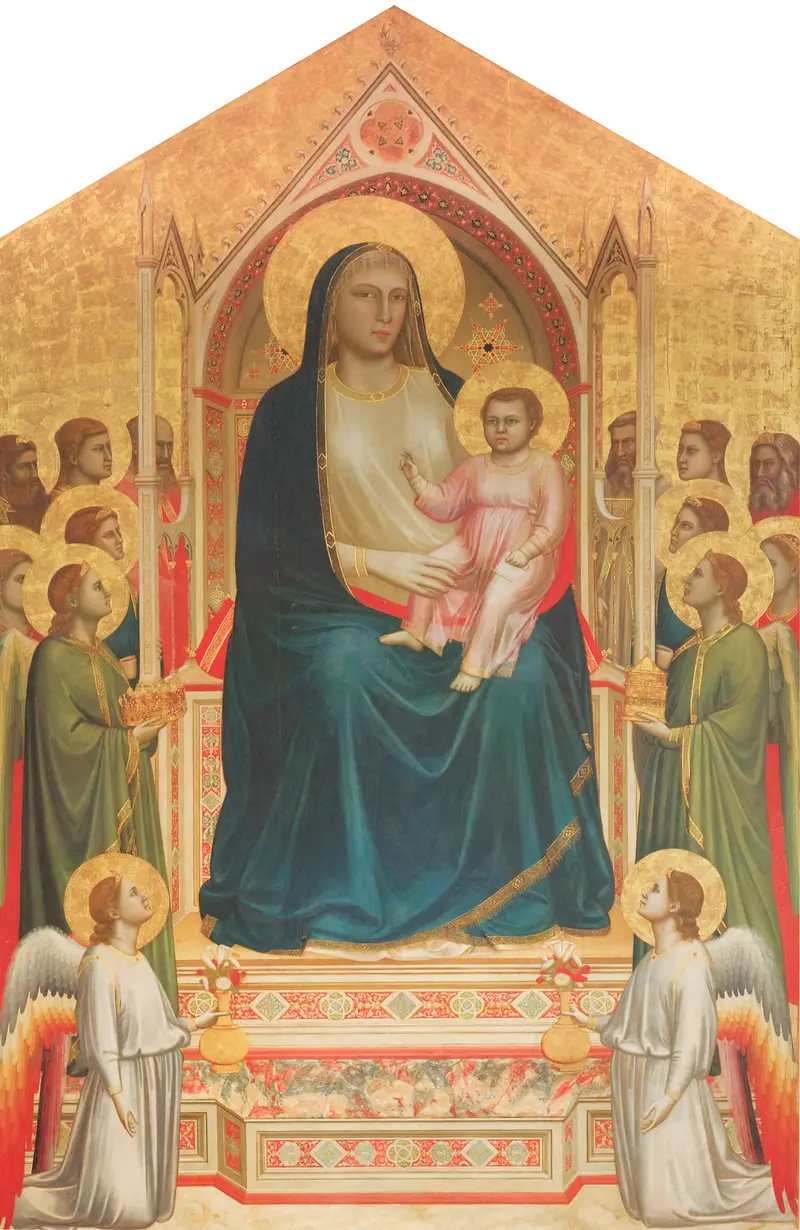
Ognissanti Madonna
Giotto di Bondone
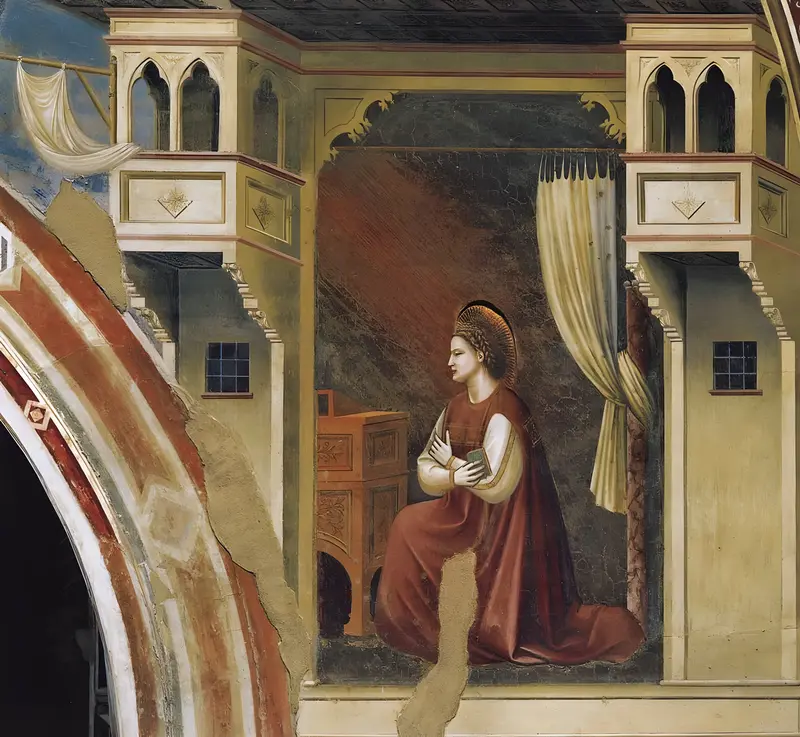
The Virgin of the Annunciation
Giotto di Bondone
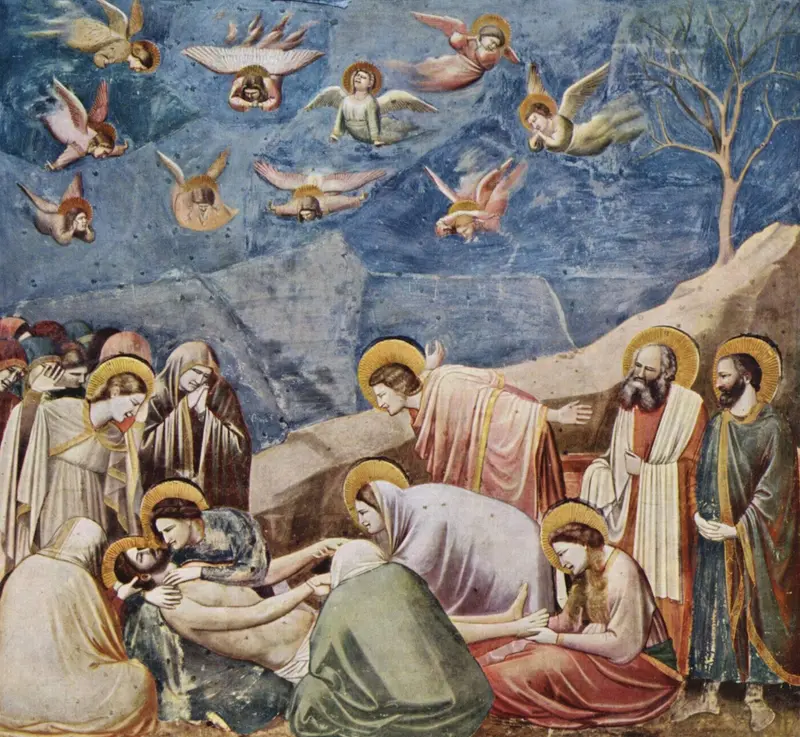
Lamentation (The Mourning of Christ)
Giotto di Bondone
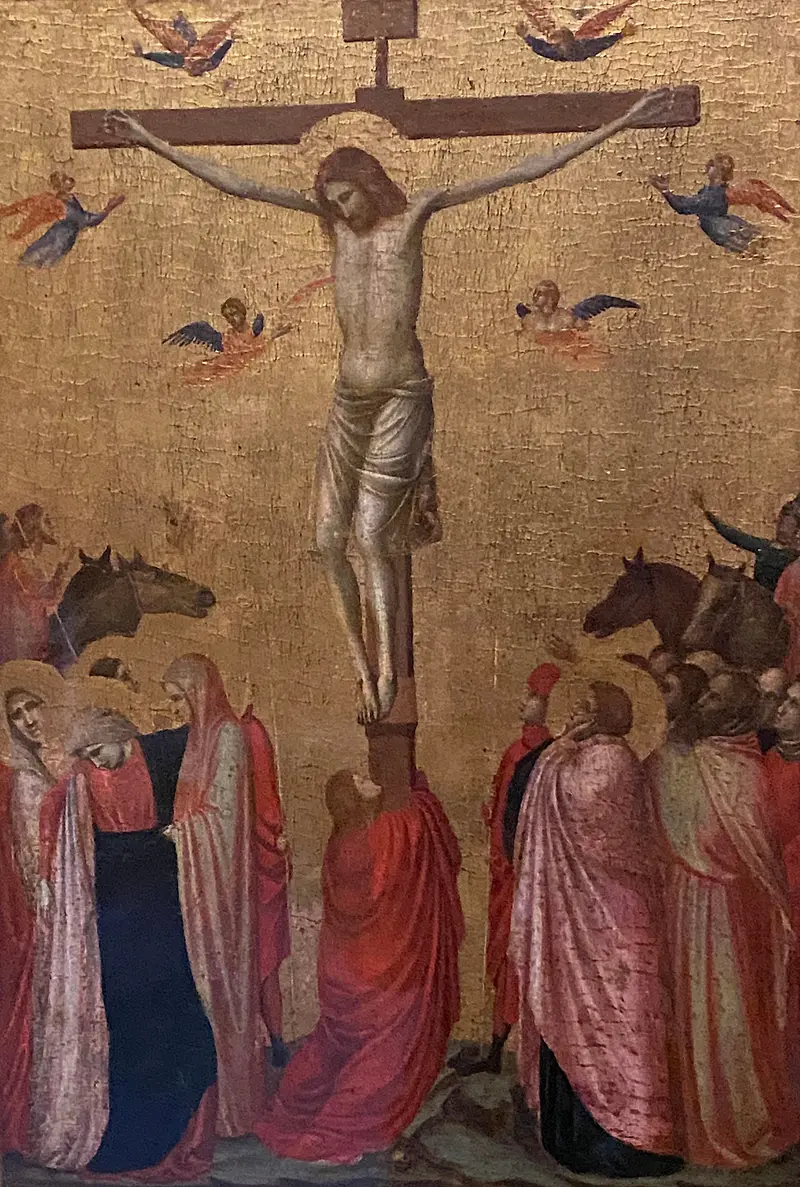
Crucifixion of Strasbourg
Giotto di Bondone
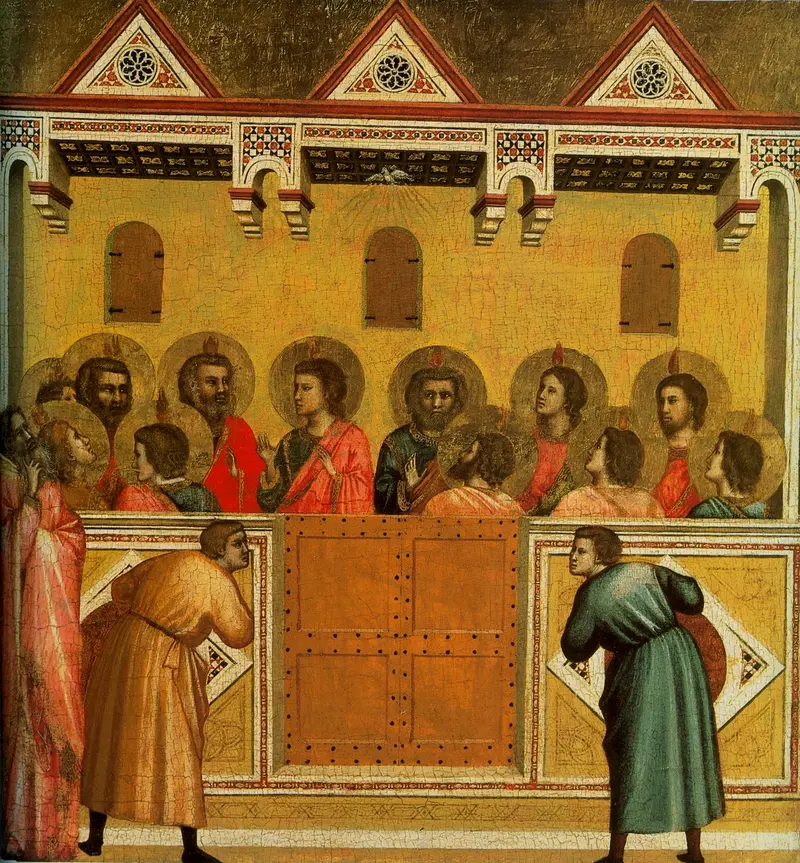
Pentecost
Giotto di Bondone
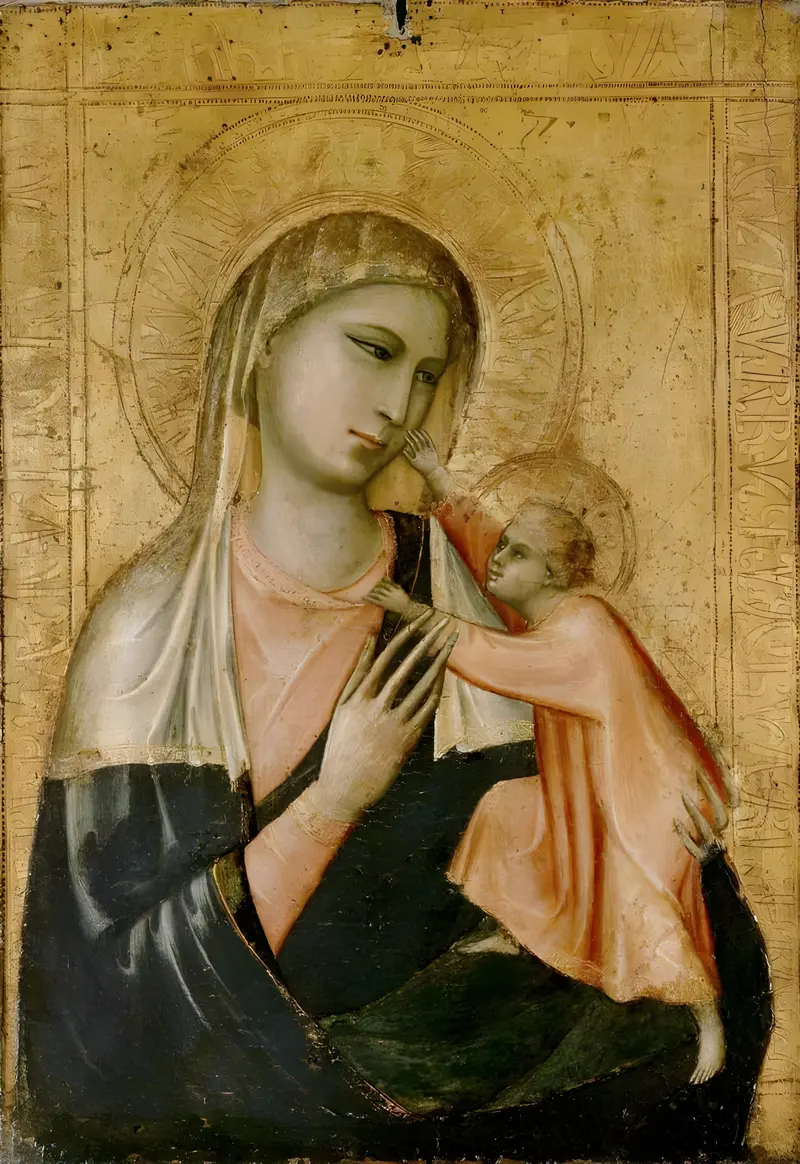
The Virgin and Child
Giotto di Bondone
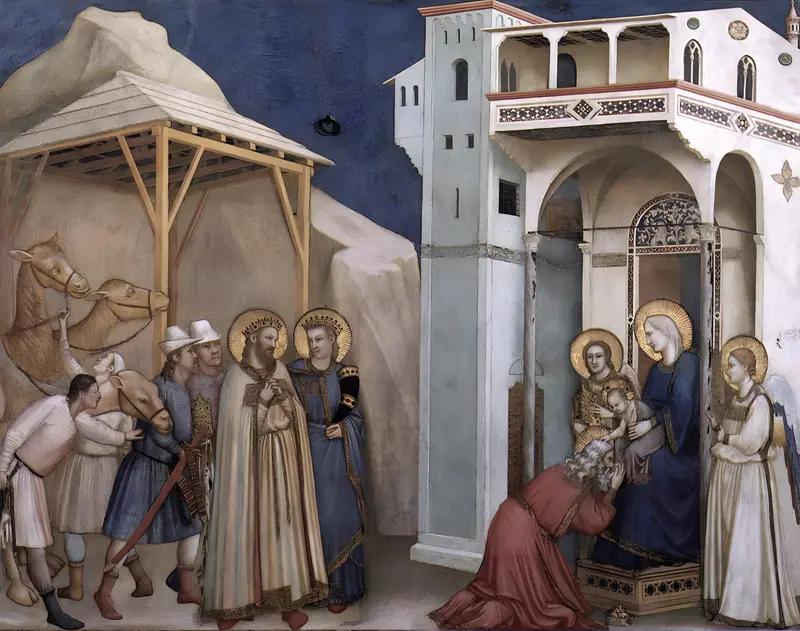
Anbetung der Könige
Giotto di Bondone
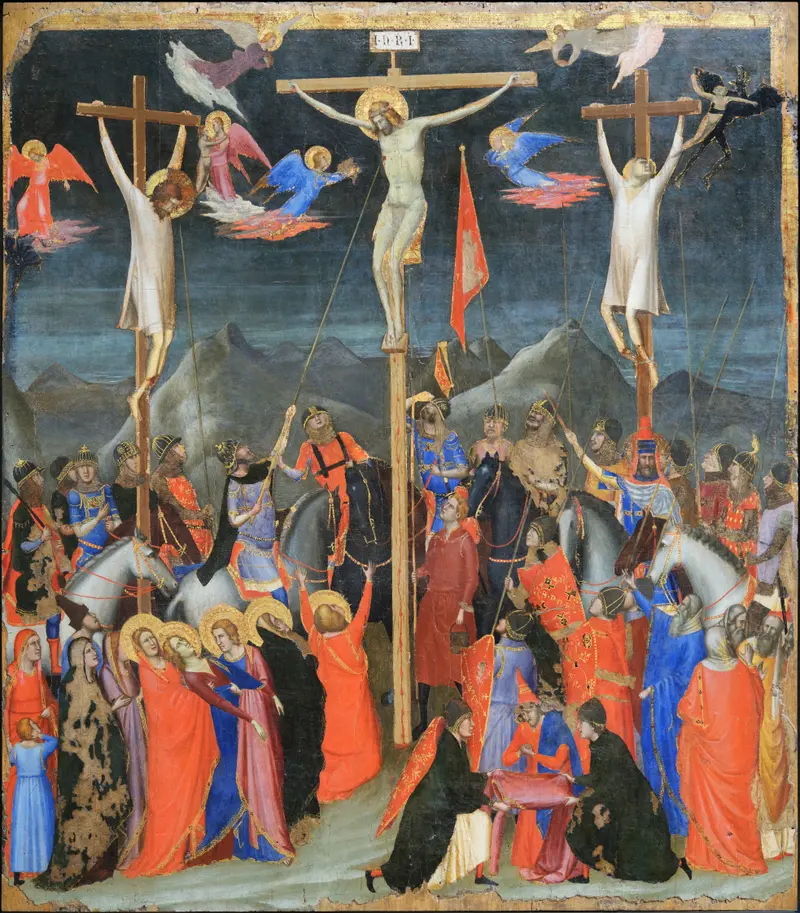
Crucifixion
Giotto di Bondone
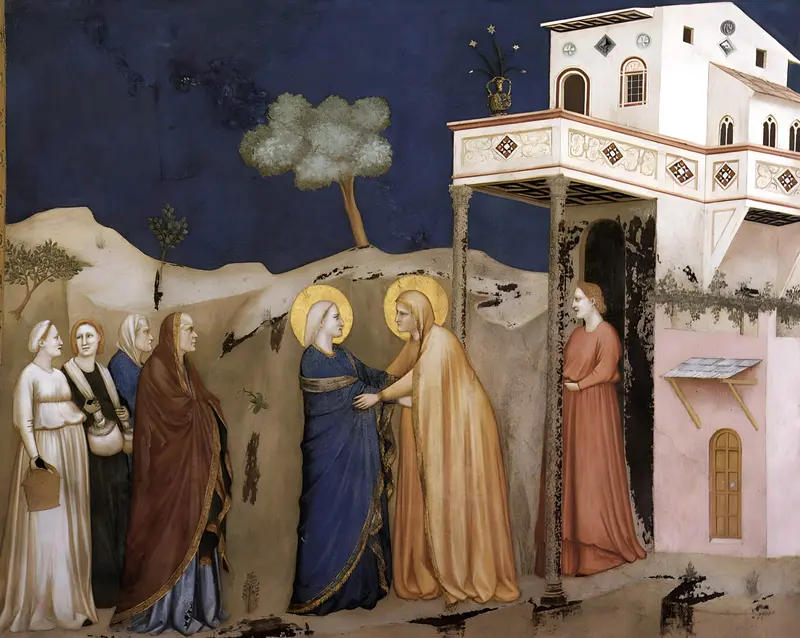
The Visitation
Giotto di Bondone
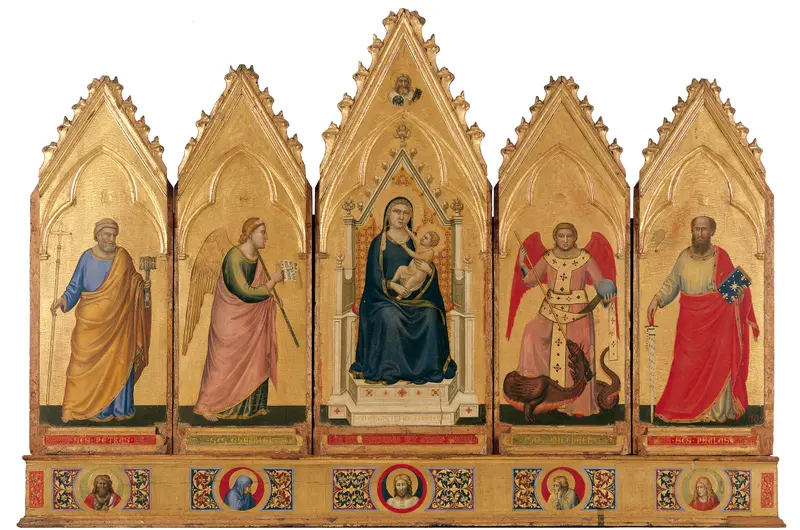
Bologna Polyptych
Giotto di Bondone





