
The Annunciation — History & Facts
What draws the eye first in The Annunciation by John William Waterhouse is the charged stillness between the two figures: the angel Gabriel, arm outstretched with lilies, and Mary, caught in a moment of startled grace. The scene is set in a sunlit courtyard, where the marble steps and scattered pottery root the miracle in the everyday. Waterhouse’s palette, dominated by the deep blue of Mary’s robe and the soft violets of Gabriel’s wings, draws a line of quiet tension between the divine and the human.
Mary’s hand pressed to her chest and the other raised to her brow signal both awe and bewilderment, while the angel’s gentle gesture with the lilies—symbols of purity—makes the message clear without a word spoken. Even the dropped spindle at Mary’s knee hints at a life interrupted, a moment suspended between the ordinary and the extraordinary. Painted in 1914, this work stands at the twilight of the Pre-Raphaelite tradition, a movement that had already transformed British art with its devotion to luminous color and narrative detail. By this time, artists like Waterhouse were revisiting religious and mythological themes with a new psychological depth, often for private collectors or public exhibition rather than church commissions.
The Art Renewal Center, where this painting is now documented, preserves such works as part of a broader effort to champion academic and narrative art from this era. History has kept few traces of the painting’s early journey, but its lingering power lies in how it invites us to linger, too—caught in the hush before a life changes forever.
More Artworks by John William Waterhouse
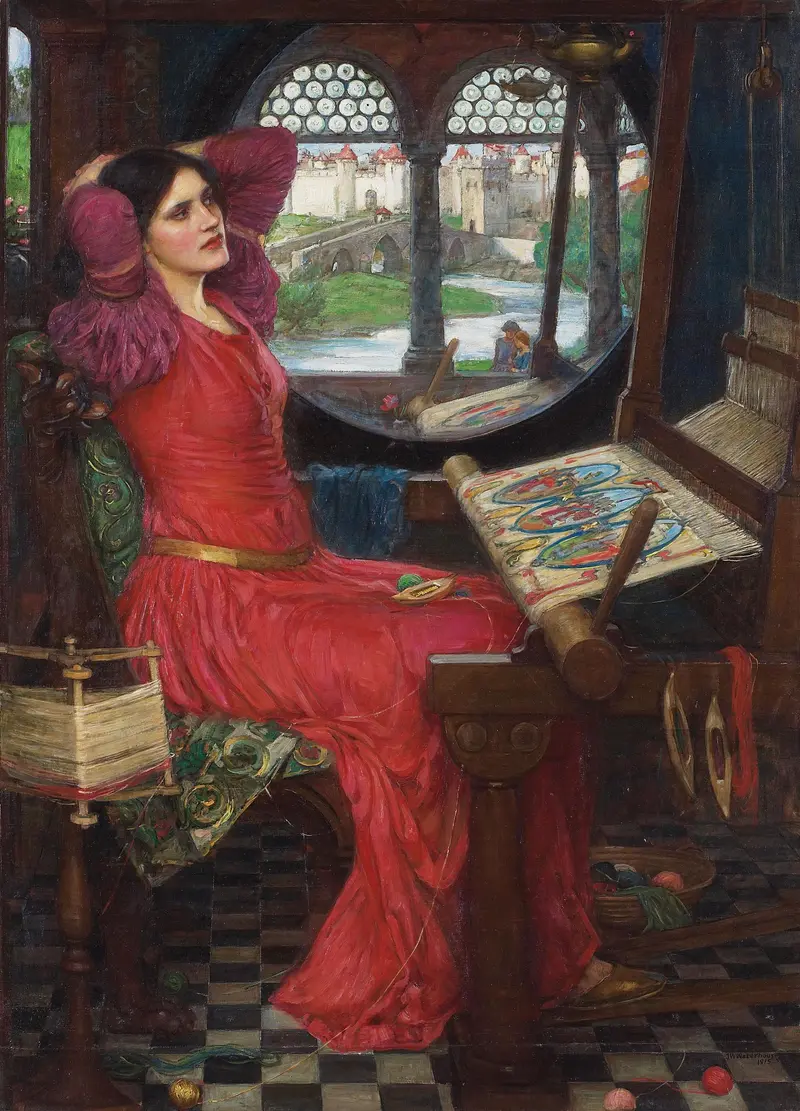
'I Am Half-Sick of Shadows,' Said the Lady of Shalott
John William Waterhouse

The Favourites of the Emperor Honorius, 1883
John William Waterhouse
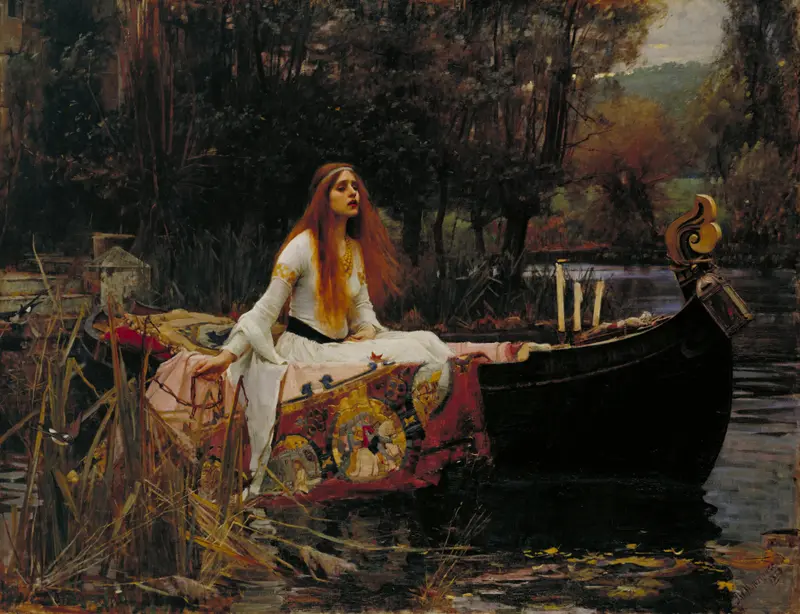
The Lady of Shalott
John William Waterhouse
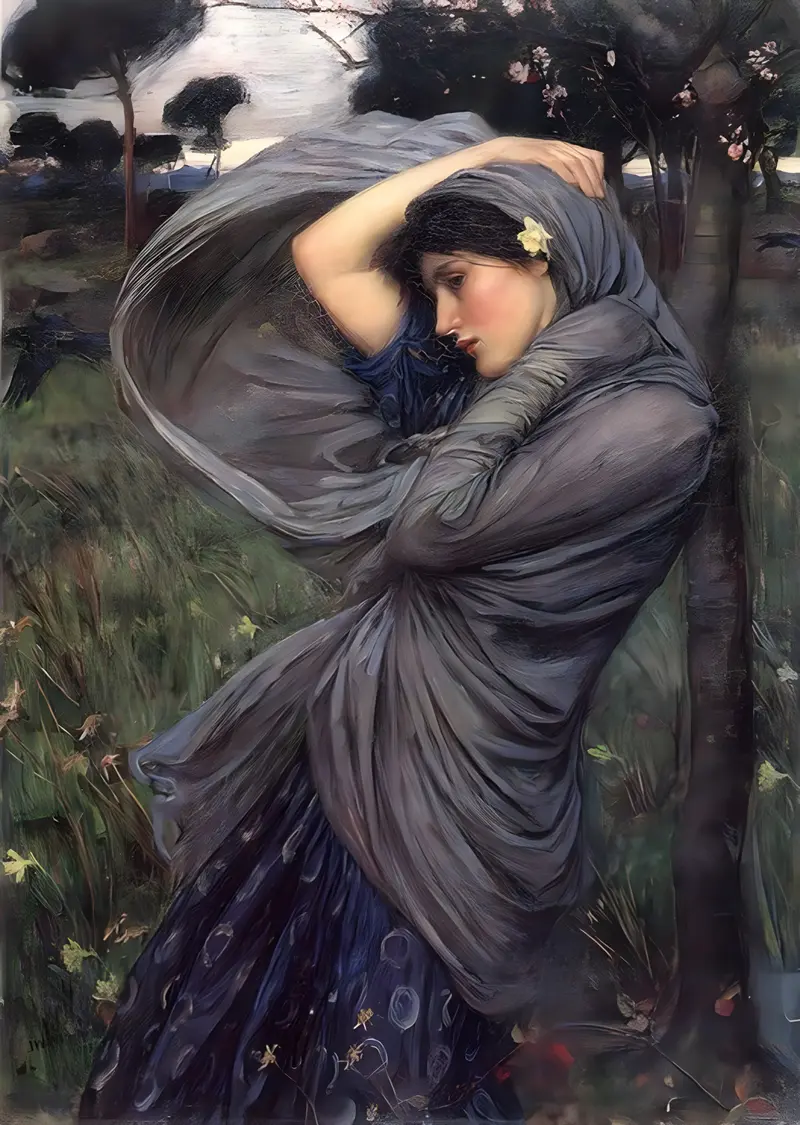
Boreas
John William Waterhouse
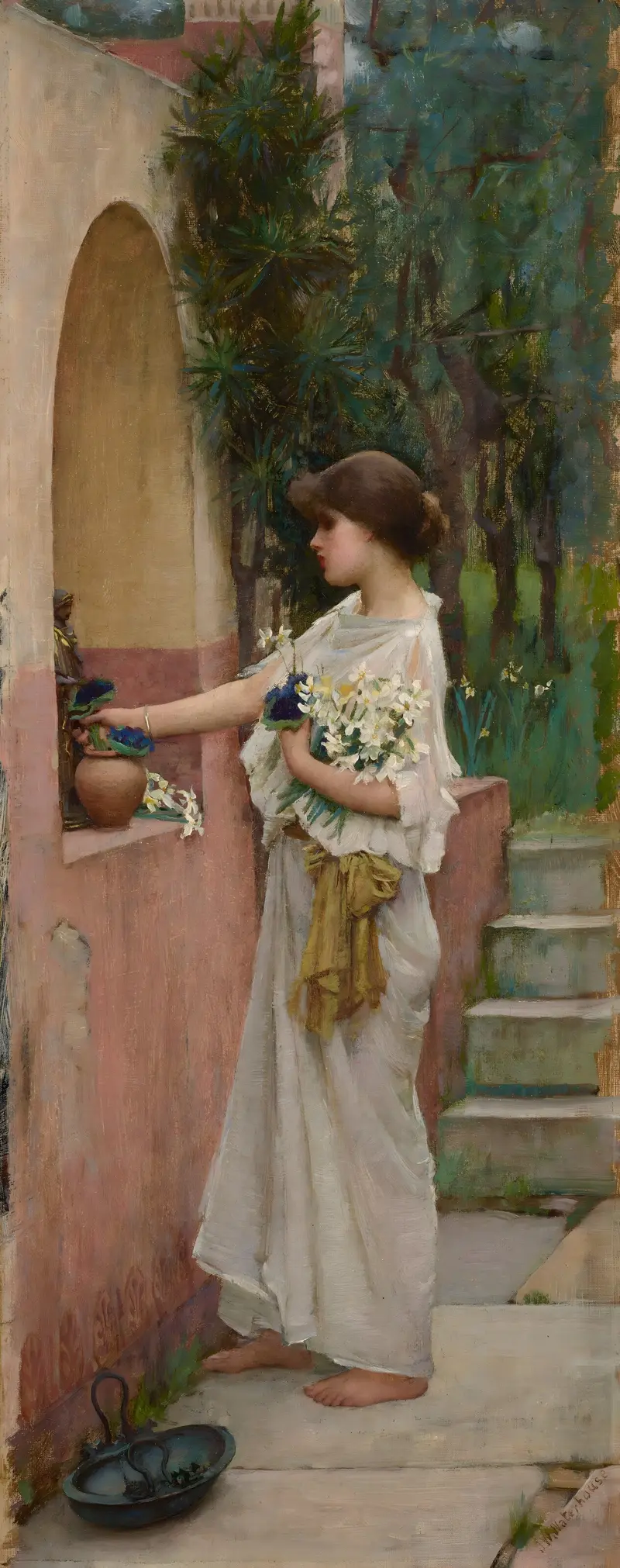
A Roman Offering
John William Waterhouse
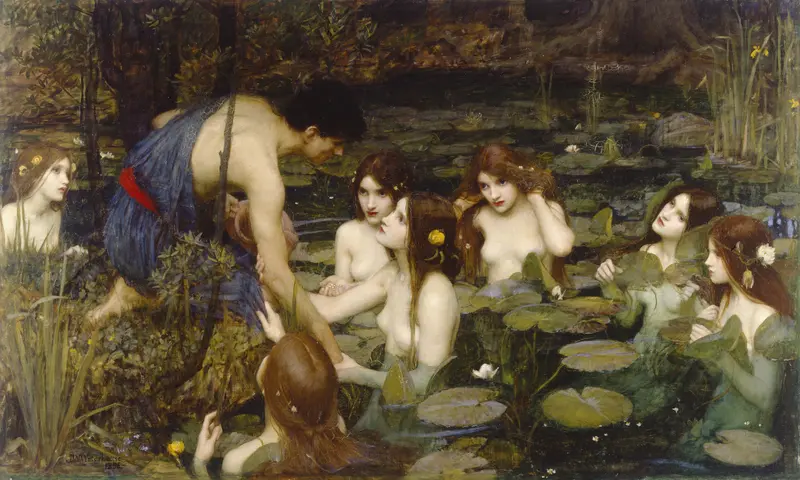
Hylas and the Nymphs
John William Waterhouse
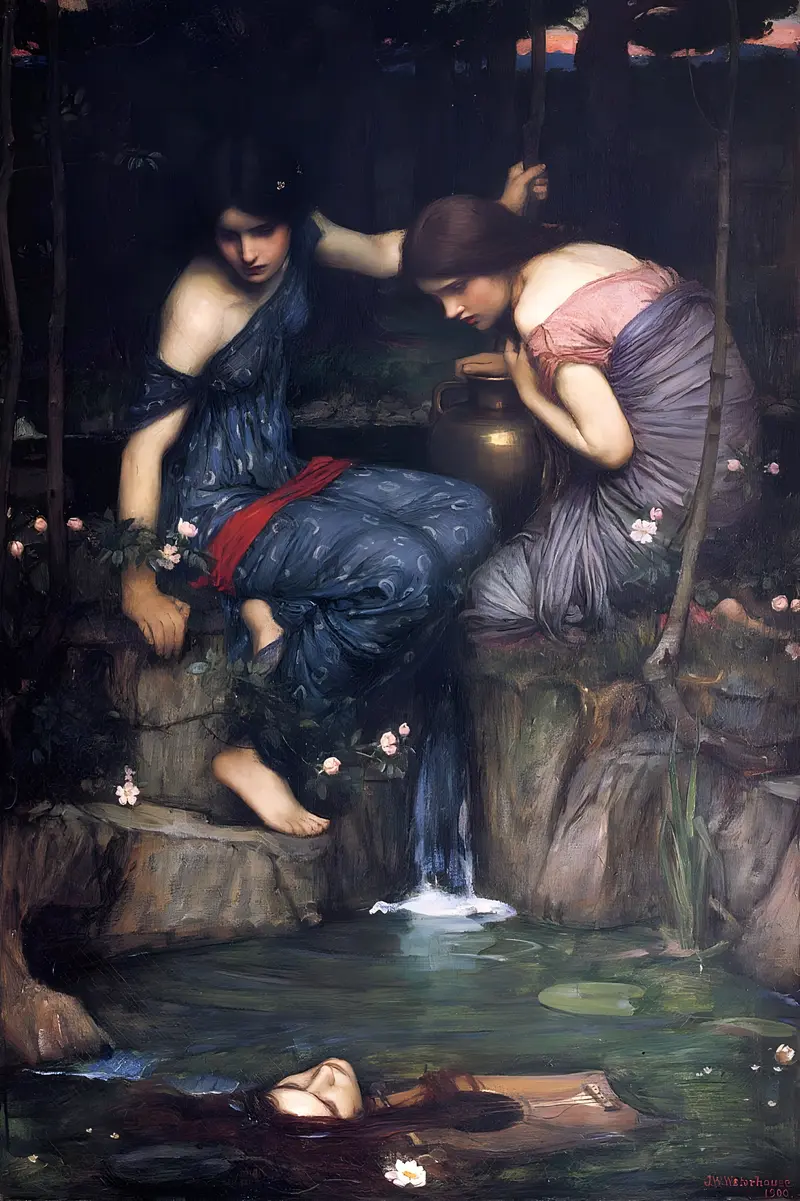
Nymphs Finding the Head of Orpheus
John William Waterhouse
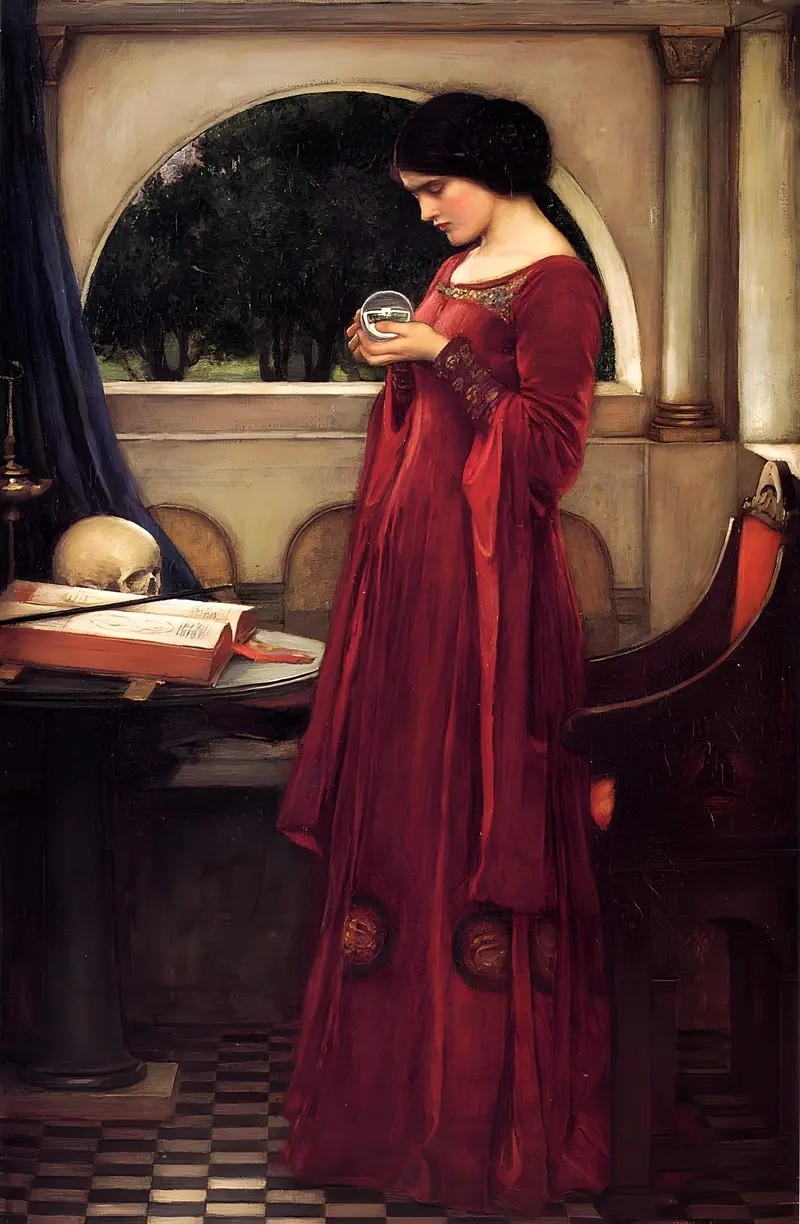
The Crystal Ball
John William Waterhouse
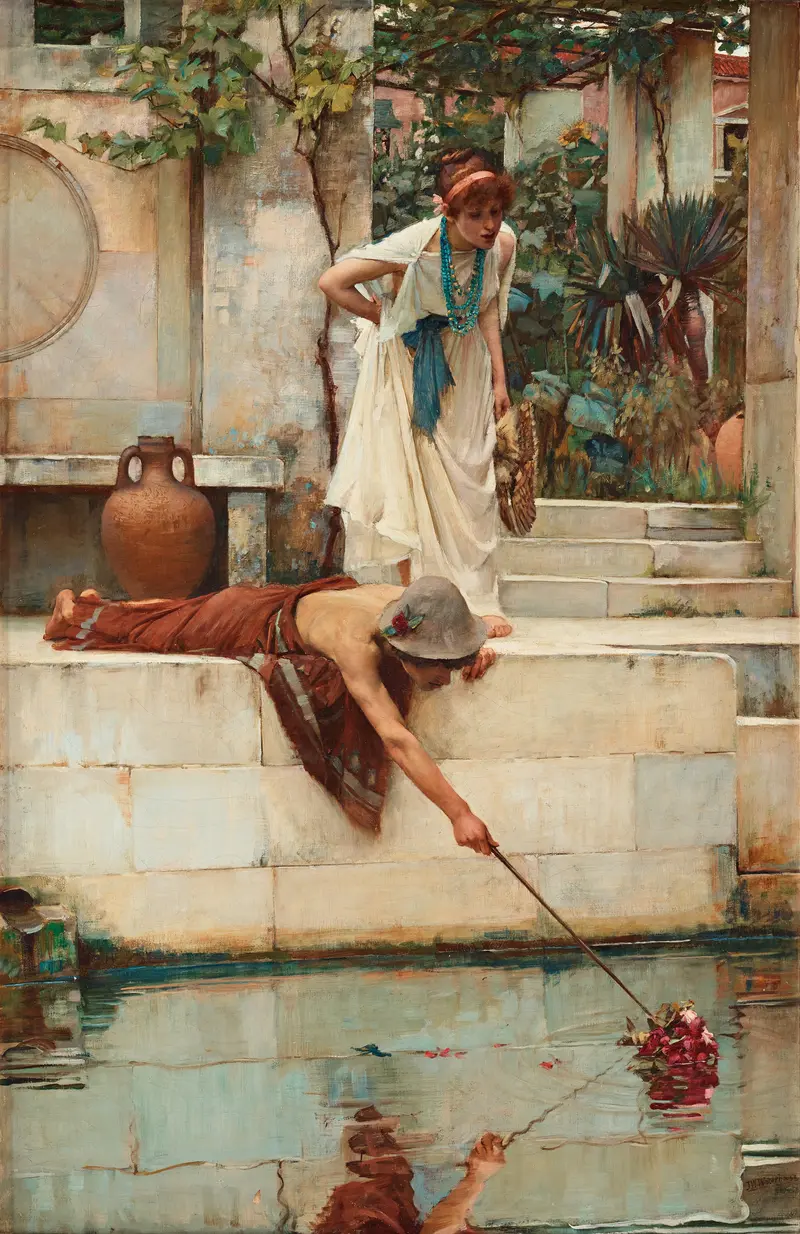
The Rescue
John William Waterhouse
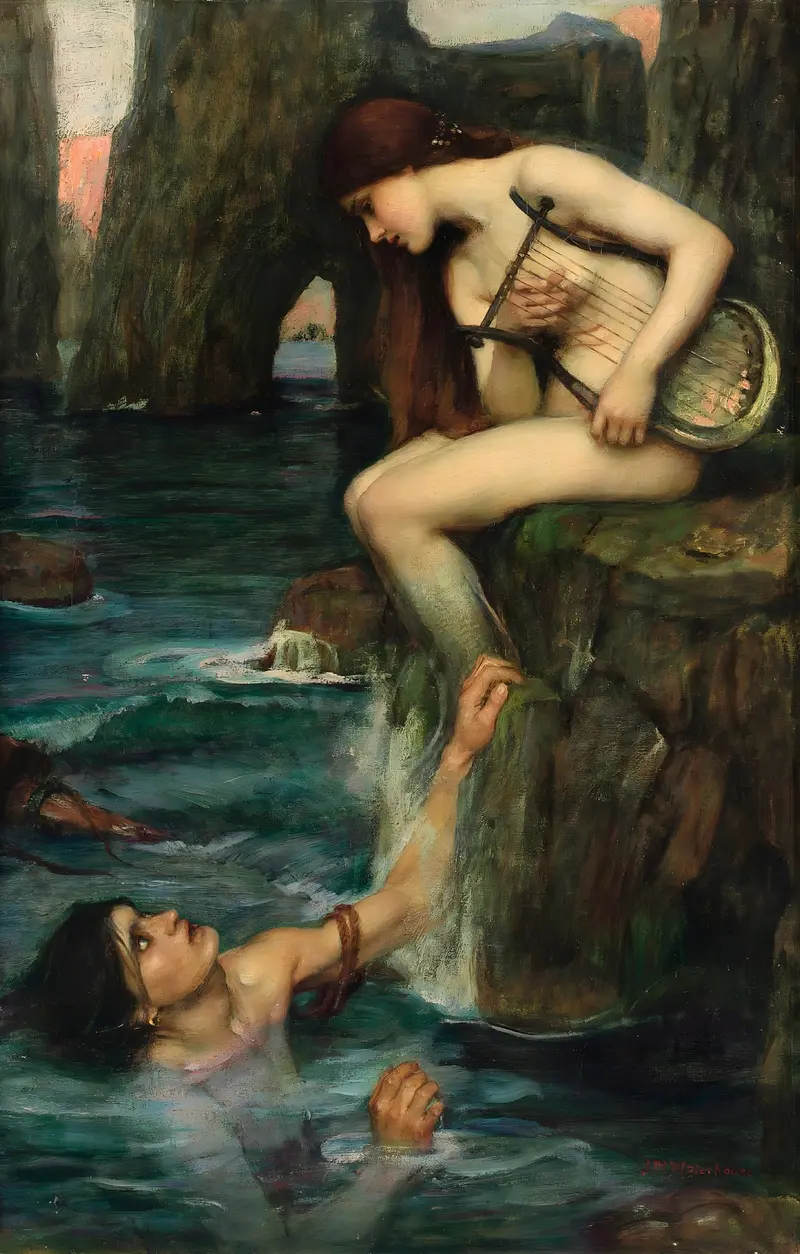
The Siren, 1900
John William Waterhouse





