
The Artist's Sister at a Window — History & Facts
A hush of afternoon light falls across the figure seated by the open window, her pale dress catching every cool reflection from the Parisian air outside. The viewer’s gaze is drawn first to the luminous sweep of fabric, then up to the gentle curve of her cheek, intent on the fan she holds. The world beyond—the ironwork balcony, the blurred façade across the street—remains just out of reach, a suggestion of city life that contrasts with the private, almost meditative calm within.
The open window is not merely a backdrop but a threshold, hinting at the tension between enclosure and the possibility of escape, between observation and participation. Morisot’s brushwork, loose yet attentive, allows the scene to breathe, the light to flicker, and the sitter’s inwardness to feel both intimate and universal. Painted in 1869, this work belongs to a moment of great transformation in French art, as painters like Berthe Morisot began to explore the fleeting effects of light and the quiet dramas of daily life. The domestic interior, once a symbol of bourgeois order, becomes here a site of gentle ambiguity—does the young woman read, dream, or wait? Works like this were rarely grand commissions; instead, they were often painted for family, friends, or the artist’s own circle, reflecting the shifting roles of women and artists in a rapidly modernizing society.
Now part of the collection at the National Gallery of Art, the painting invites us to linger in its charged stillness, to wonder what stories unfold just beyond the frame.
More Artworks by Berthe Morisot

The Harbor at Lorient
Berthe Morisot
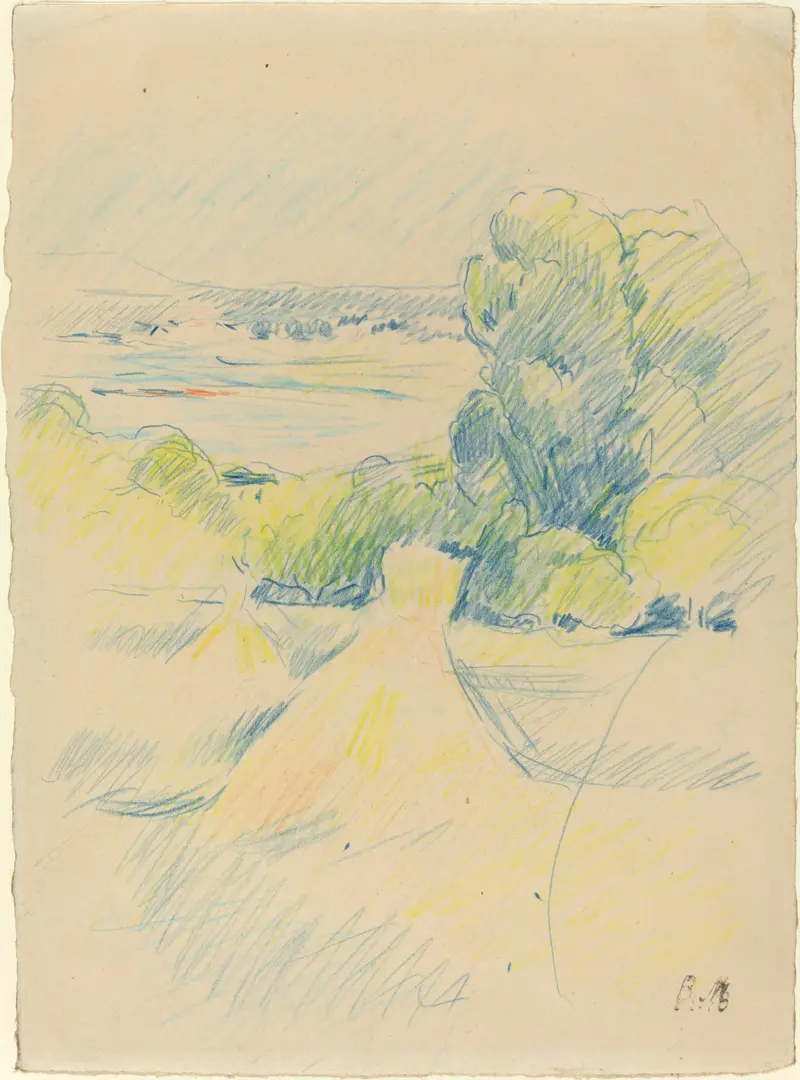
Landscape
Berthe Morisot

Hanging the Laundry out to Dry
Berthe Morisot

Woman in a Garden
Berthe Morisot

Young Girl with Hat
Berthe Morisot
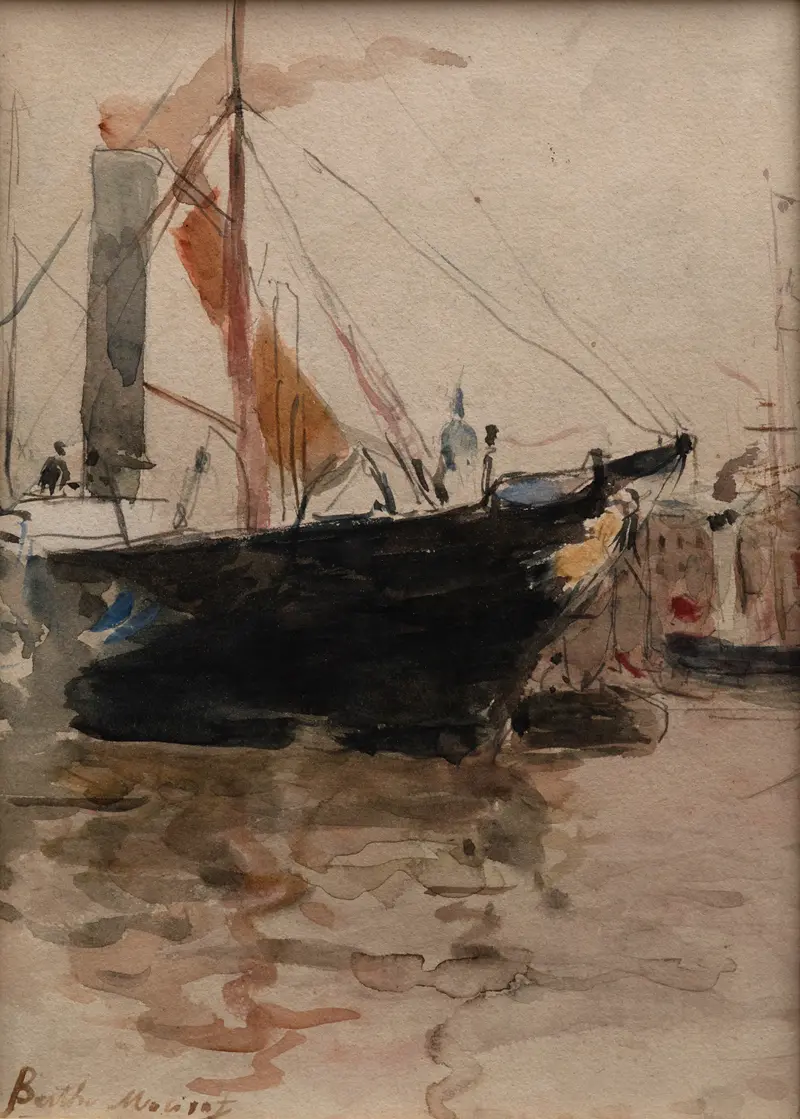
Harbor Scene, Isle of Wight
Berthe Morisot
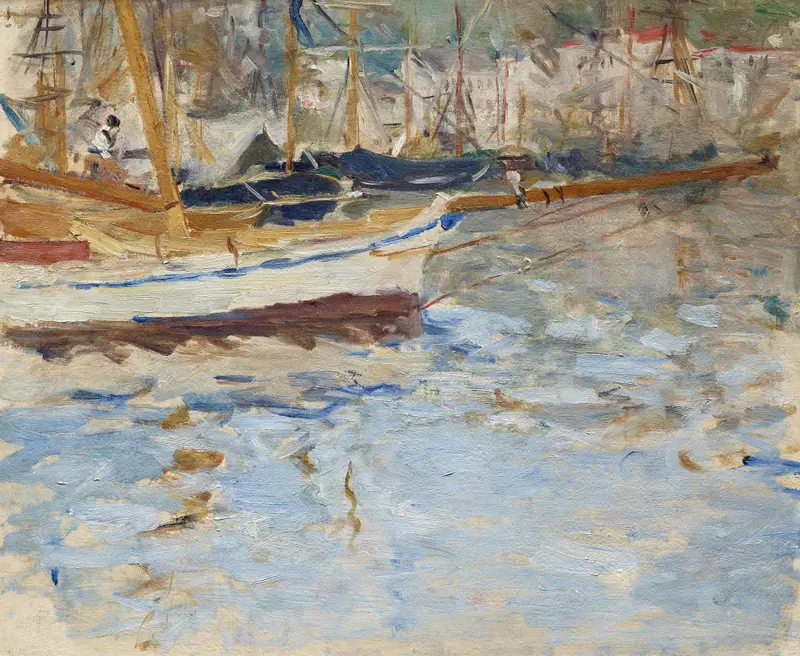
The Port of Nice
Berthe Morisot
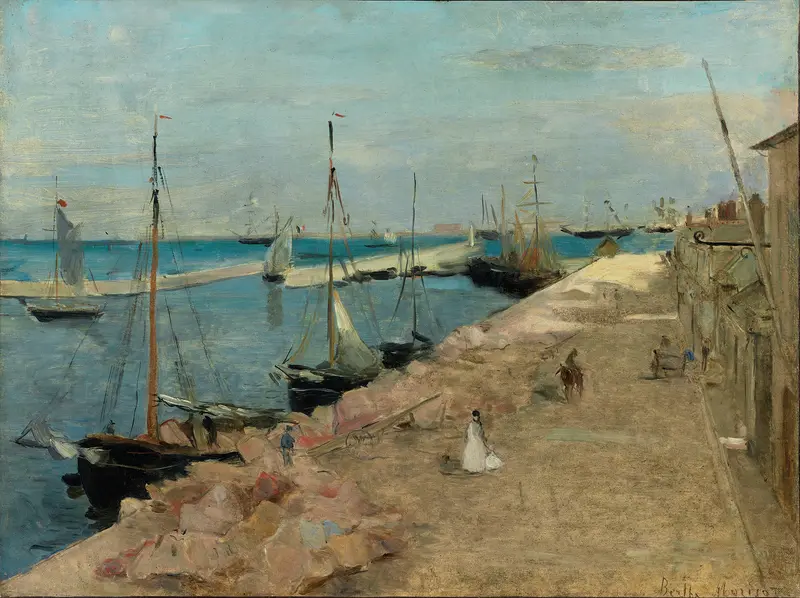
The Harbor at Cherbourg
Berthe Morisot

The Mother and Sister of the Artist
Berthe Morisot
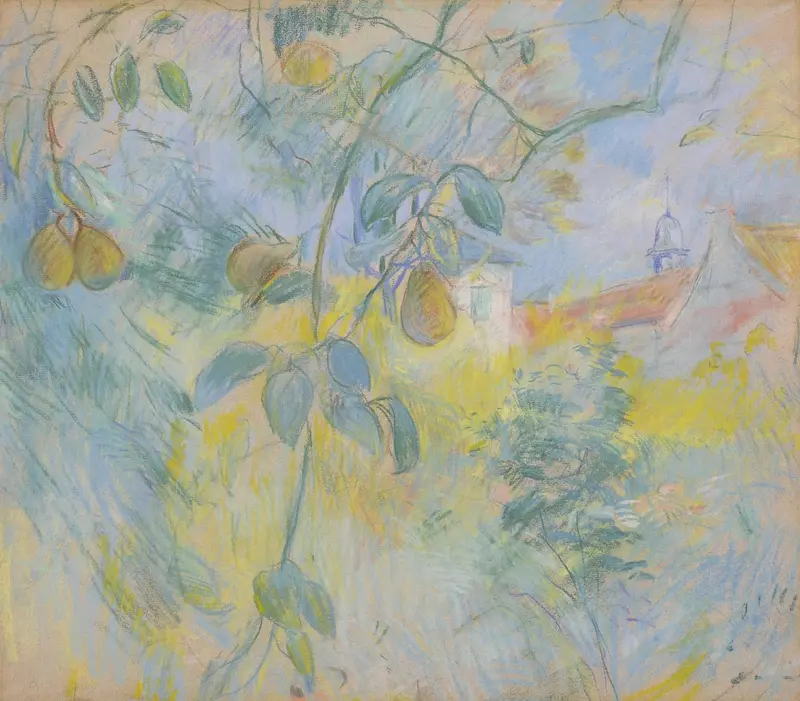
Les Poires
Berthe Morisot





