
The Avenue at Middelharnis — History & Facts
The Avenue at Middelharnis was painted by Meindert Hobbema in 1689, near the end of his career. This landscape is one of the artist’s most celebrated works and is notable for its unusually precise depiction of a specific location, the avenue leading to the village of Middelharnis in the province of South Holland. The painting marks a departure from Hobbema’s earlier woodland scenes, reflecting a more structured and topographically accurate approach that emerged in his later years. The composition features a straight, tree-lined avenue receding into the distance, flanked by pollarded trees and fields.
A figure walks along the sandy road, accompanied by a dog, while a cluster of buildings and a church tower rise in the background to the left. The sky is expansive, filled with billowing clouds and soft light, which enhances the sense of depth and calm. Hobbema’s technique is evident in the careful rendering of textures, from the foliage and tree bark to the cultivated fields and water channels, and in his subtle use of color to evoke the atmosphere of the Dutch countryside. The Avenue at Middelharnis entered the collection of the National Gallery, London, where it remains a highlight of the museum’s Dutch painting holdings.
Over time, it has been widely exhibited and reproduced, and it is recognized as one of the finest examples of Dutch landscape painting from the period.
More Artworks by Meindert Hobbema

The Water Mill (The Trevor Landscape)
Meindert Hobbema
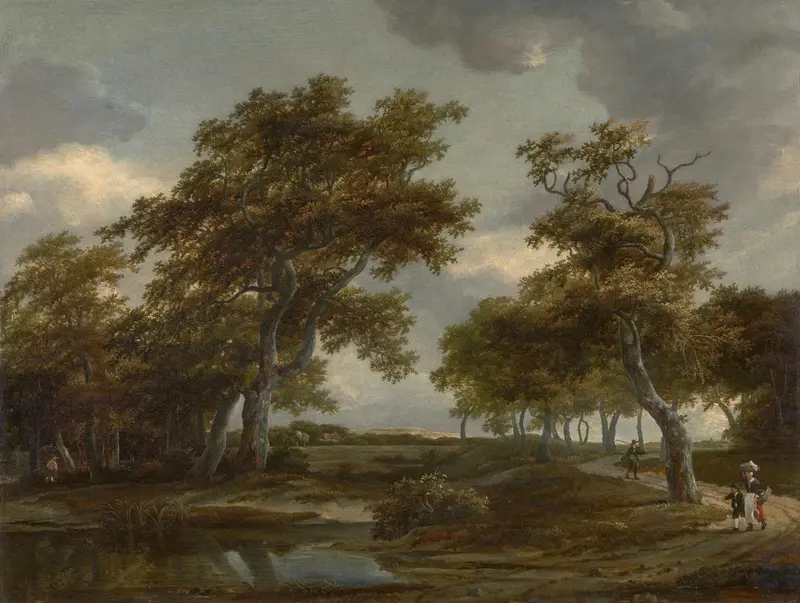
Bewaldete Flusslandschaft mit Figuren auf einem Weg
Meindert Hobbema
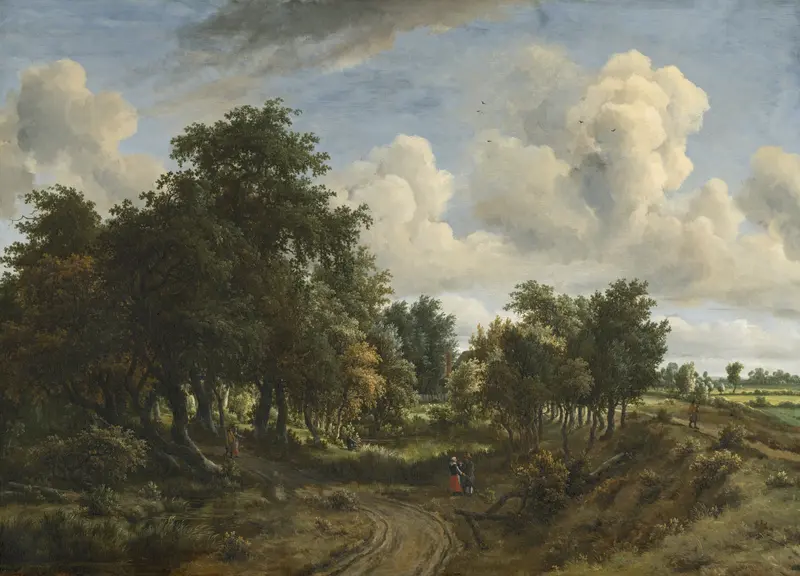
A Wooded Landscape
Meindert Hobbema
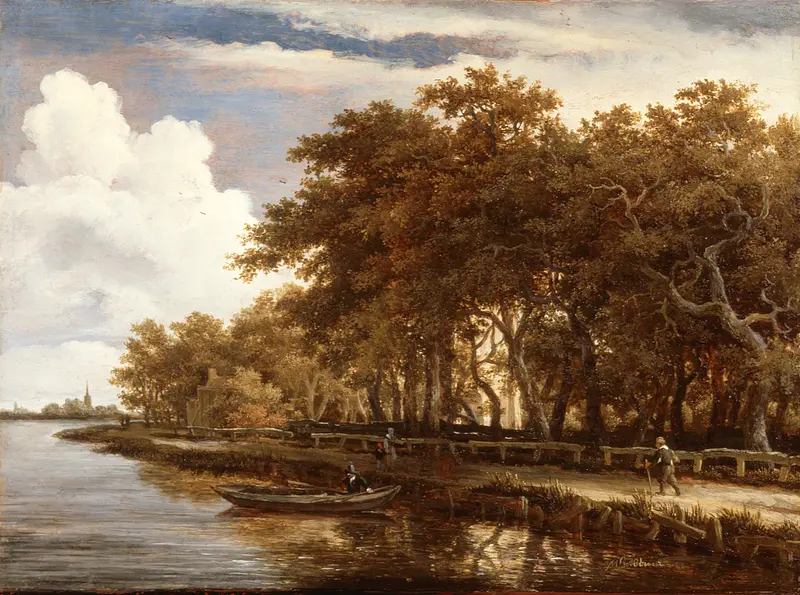
View Along the Amstel
Meindert Hobbema
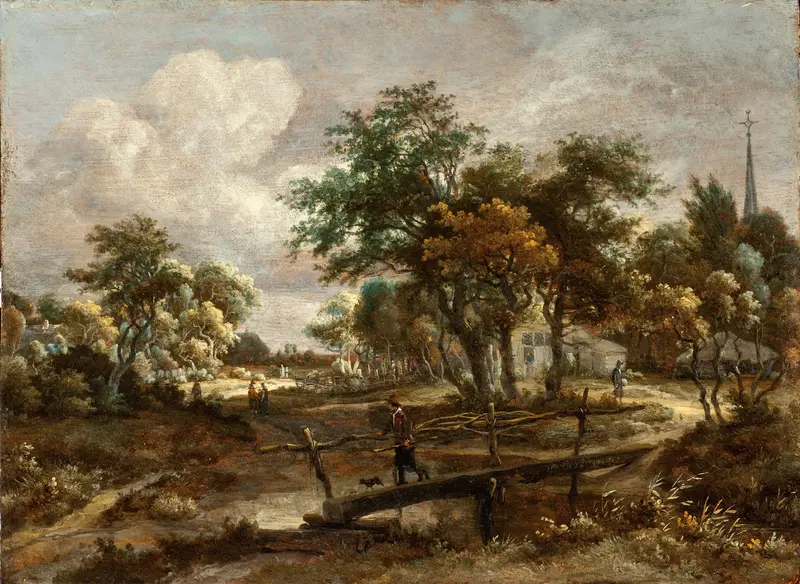
Landscape with a Footbridge
Meindert Hobbema
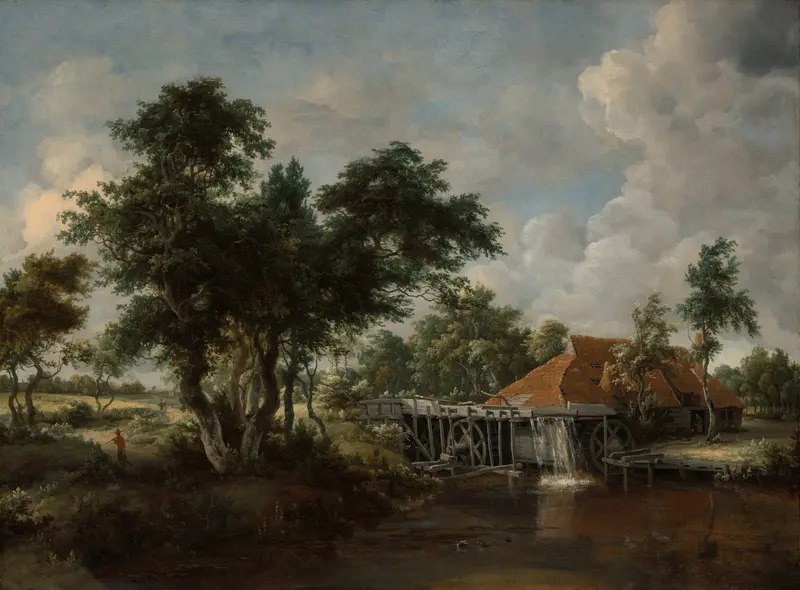
The Watermill with the Great Red Roof
Meindert Hobbema
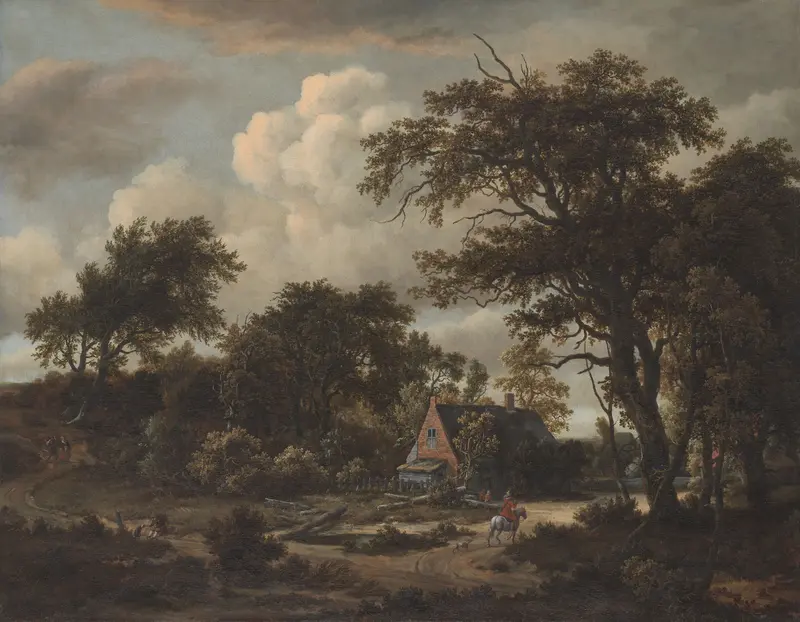
Wooded Landscape with Cottage and Horseman
Meindert Hobbema
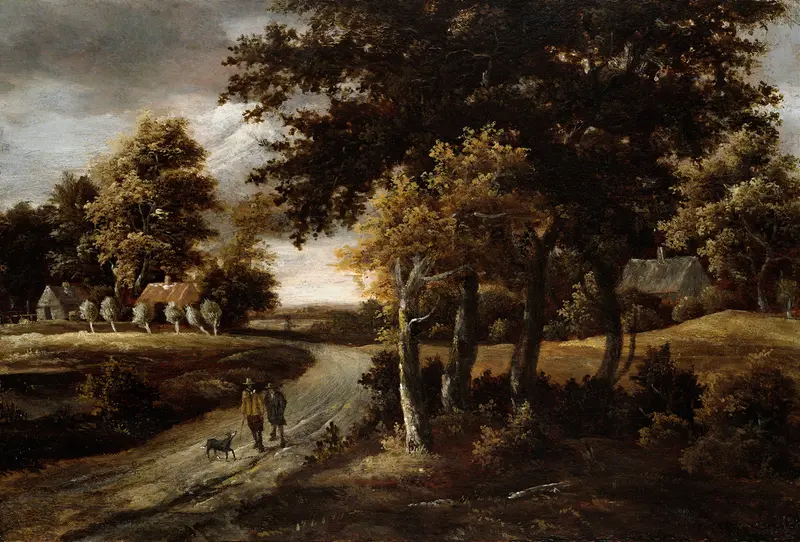
Wooded Landscape with Figures on a Path
Meindert Hobbema
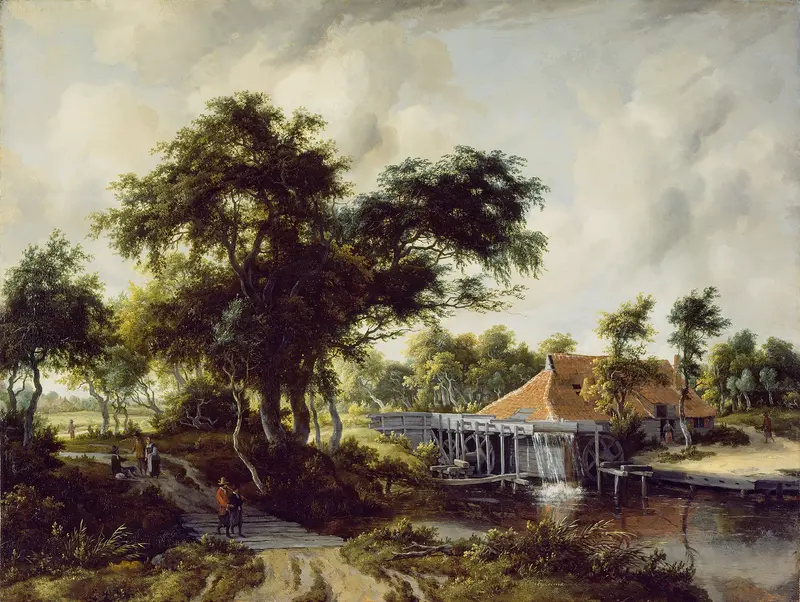
A Watermill
Meindert Hobbema
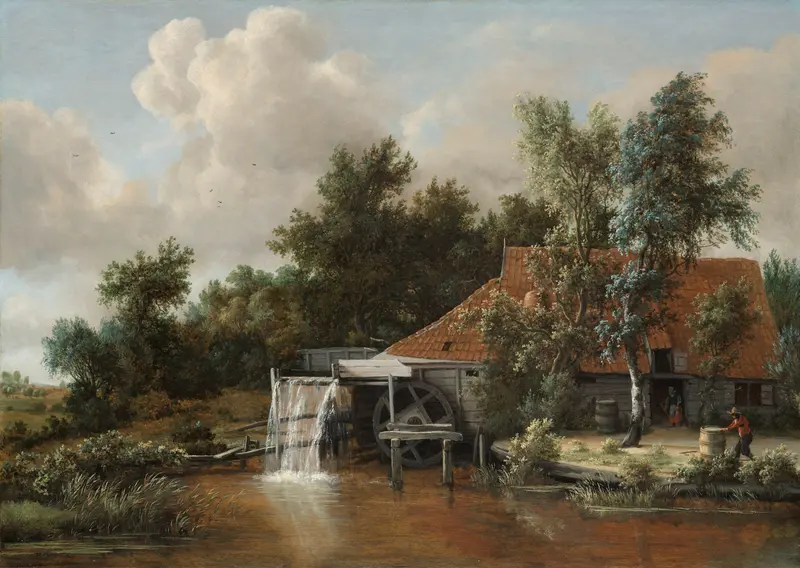
A Watermill
Meindert Hobbema
More Landscape Art

The Starry Night
Vincent van Gogh

View of Delft
Johannes Vermeer

Water Lilies
Claude Monet

The Grand Canal, Venice, looking north-west from the Ca' Corner to the Ca' Contarini degli Scrigni, with the campanile of Santa Maria della Carità
Canaletto

Windsor Castle
Canaletto

The Grand Canal looking North-East from the Palazzo Dolfin-Manin to the Rialto Bridge
Canaletto