
The Babin Republic, sketch — History & Facts
In 1870, Jan Matejko turned his sharp eye for Polish history toward satire, sketching The Babin Republic—a subject whose very name was a byword for wit and mockery in Renaissance Poland. The Babin Republic, founded in the 16th century near Lublin, was a parody society that lampooned the pomp and folly of the Polish nobility, awarding mock titles for blunders and absurdities. Matejko’s choice to revisit this legendary circle of jesters and self-styled “republicans” was both a nod to Poland’s lost independence and a sly commentary on his own turbulent times. In the sketch, Matejko captures the moment when the “republic” convenes in full absurdity: a motley assembly of nobles, clerics, and townsfolk, each adorned with exaggerated regalia—oversized chains, comical hats, and banners bearing mock coats of arms.
The central figure, perhaps the “President” of Babin, raises a scepter fashioned from a kitchen ladle, while others gesture with theatrical seriousness, parodying the solemn rituals of real governance. The crowded composition and energetic linework recall Honoré Daumier’s satirical scenes, yet Matejko’s figures are unmistakably Polish, their faces and costumes drawn from national types. The light falls unevenly, spotlighting the farce at the center while leaving the periphery in shadow, suggesting both the allure and the limits of satire. The exact medium of this sketch remains uncertain, and it is not known whether Matejko intended it as a study for a larger painting or as a finished work in its own right.
Unlike his grand historical canvases, The Babin Republic, sketch has a quick, improvisational quality, hinting at the artist’s private amusement and deep knowledge of Polish lore. Today, the sketch is preserved in the collection of the National Museum in Warsaw, where it offers a rare glimpse into Matejko’s lighter, more ironic side—a counterpoint to the solemnity of his great historical cycles. Its survival is a testament to the enduring appeal of satire in Polish culture, and to Matejko’s restless curiosity about every facet of his nation’s past.
More Artworks by Jan Matejko
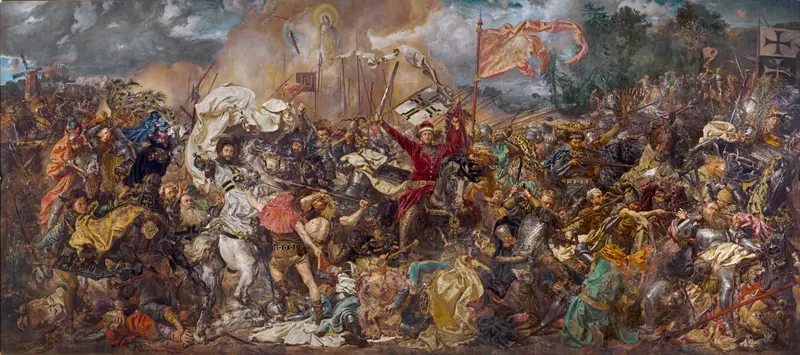
Battle of Grunwald
Jan Matejko

Stańczyk
Jan Matejko

Battle of Raclawice
Jan Matejko
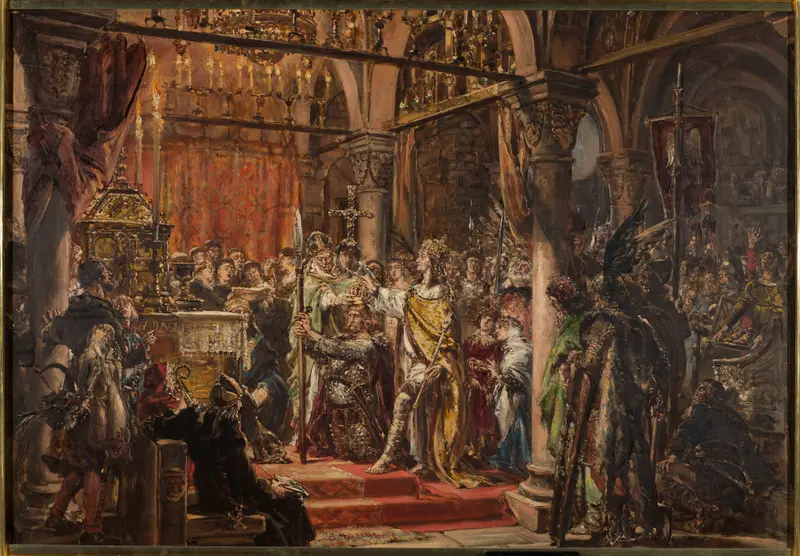
Coronation of the First King, 1001 AD, from the series “History of Civilization in Poland”
Jan Matejko
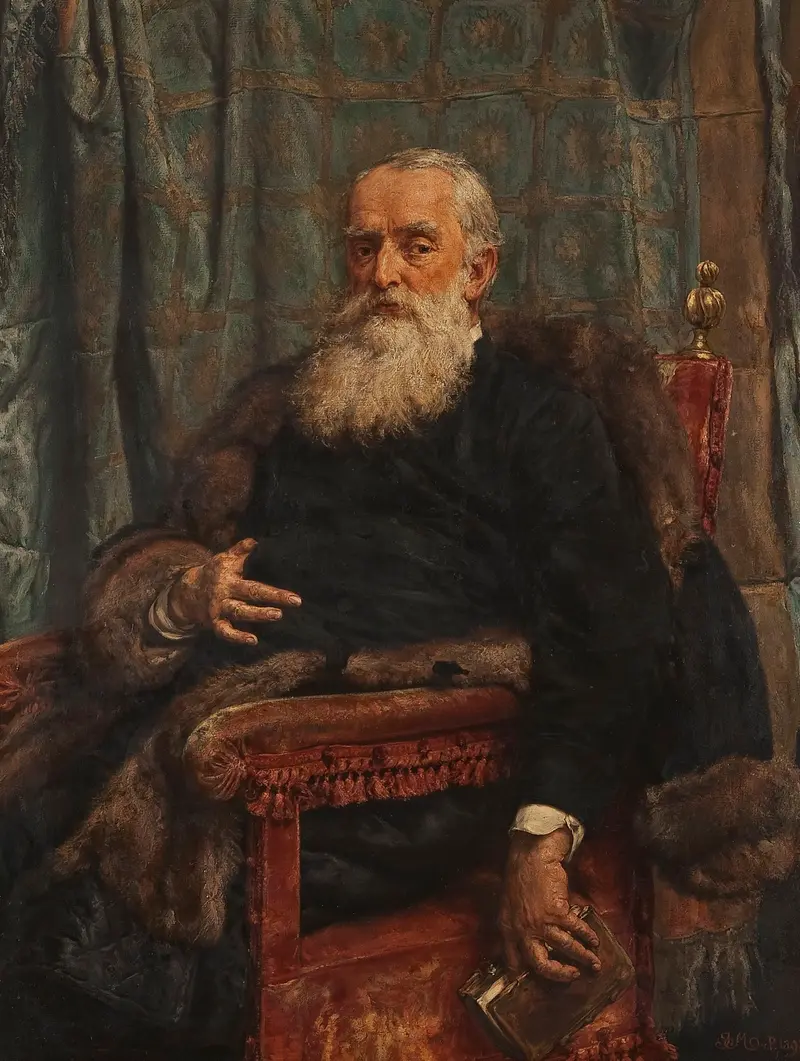
Portrait of Henryk Krajewski
Jan Matejko
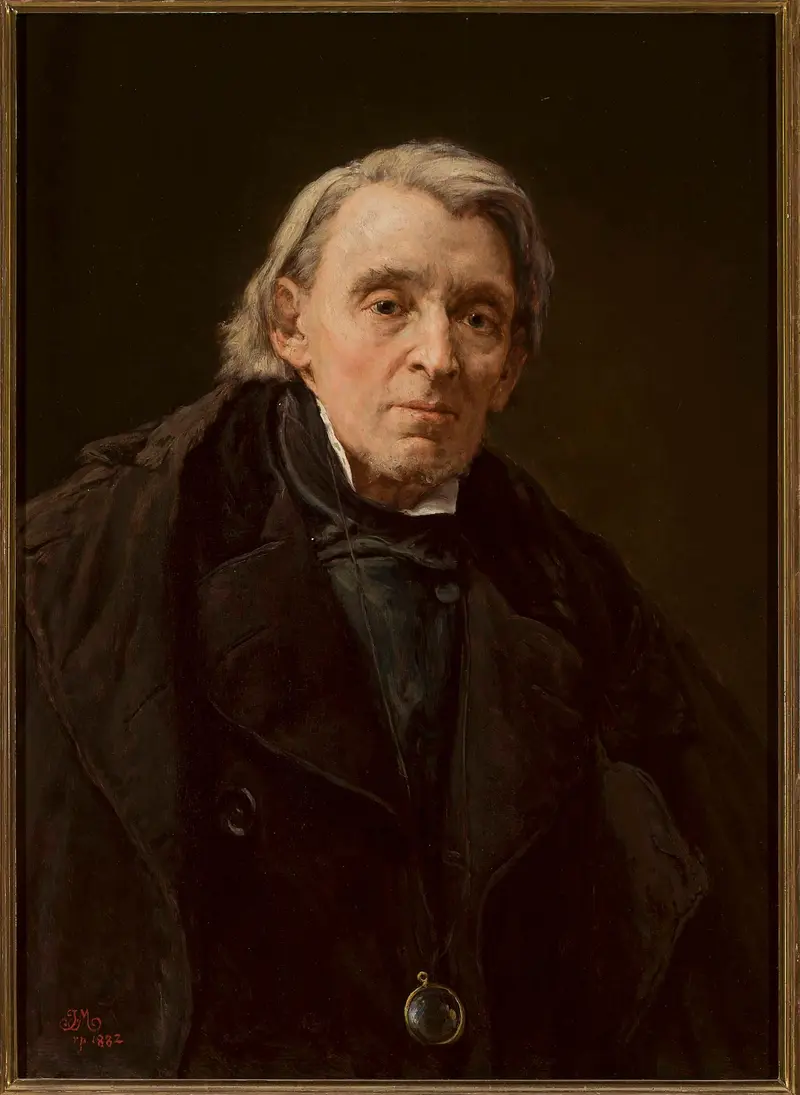
Portrait of Karol Podlewski
Jan Matejko
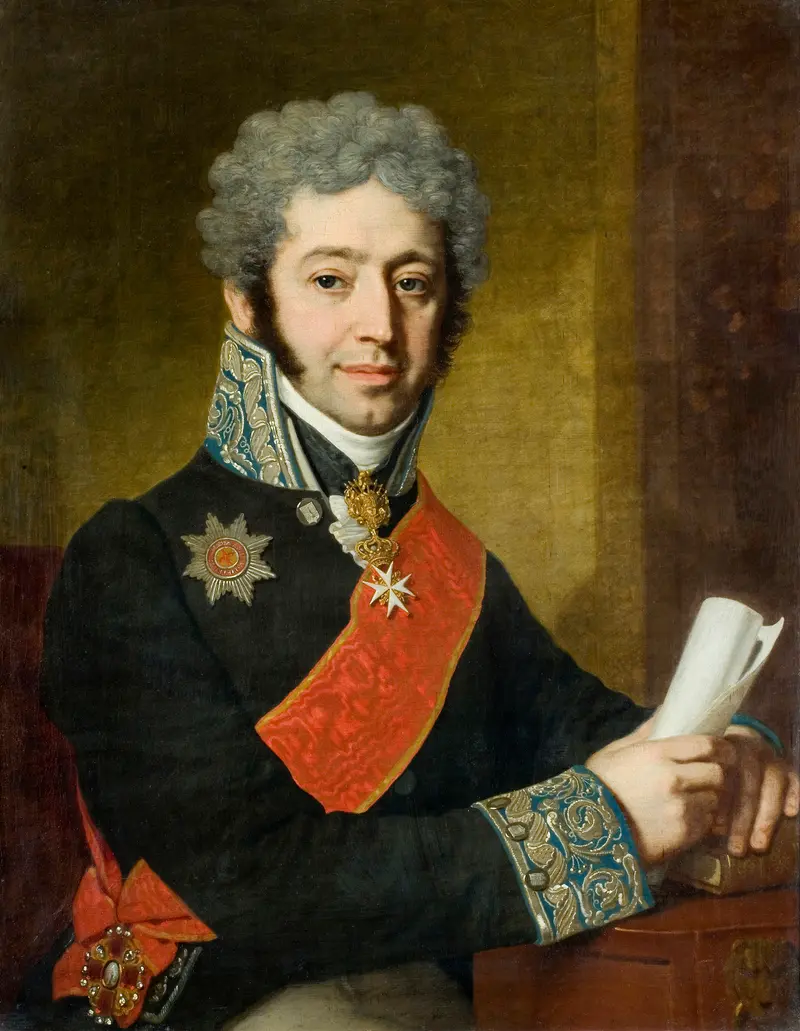
Portrait of Potocki and Poninski
Jan Matejko
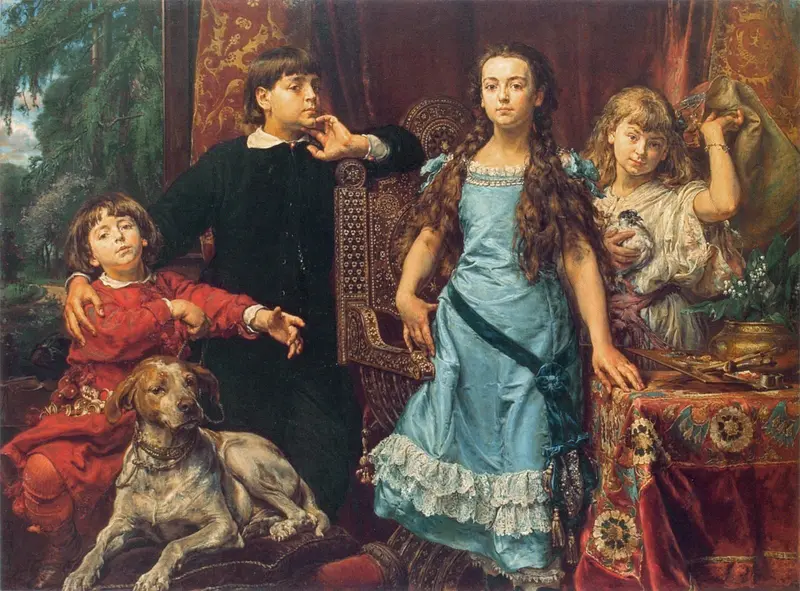
Portrait of the artist's four children
Jan Matejko
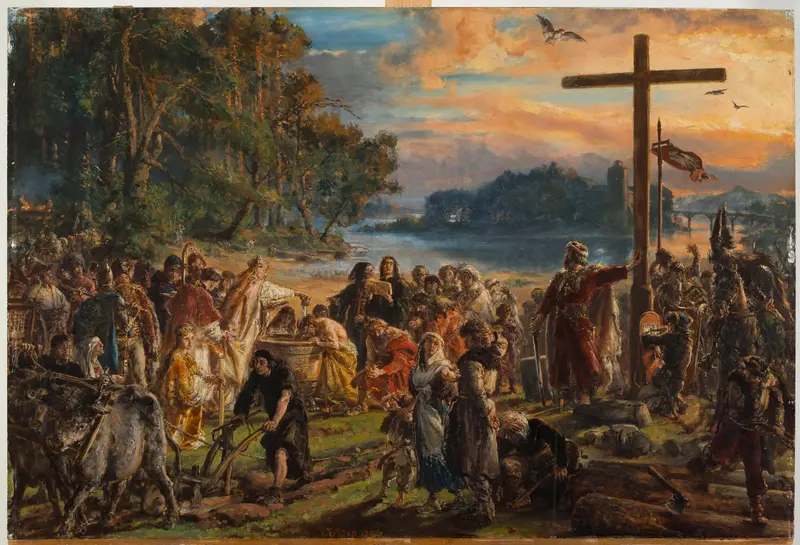
Introduction of Christianity in Poland
Jan Matejko
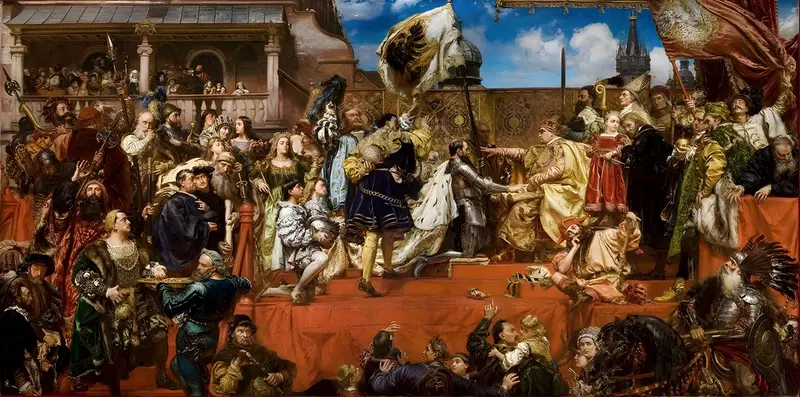
Prussian Homage
Jan Matejko





