
The Baptism of Christ — History & Facts
What first catches the eye in The Baptism of Christ by Adam Elsheimer is the way the heavens seem to break open, pouring down radiant light and cherubs onto the scene below. The drama is not in a thunderous gesture, but in the gentle, almost hesitant touch as John leans forward, his hand guiding Christ into the water. Above, angels swirl in a burst of movement, their bodies forming a bridge between the divine and the earthly, while an angel in red and white watches with a gravity that anchors the upper half of the painting.
The landscape recedes into a luminous blue distance, dotted with trees and waterfalls, giving the sense that this moment is both intimate and cosmic. The palette, rich with deep blues, greens, and the warm flesh tones of the figures, draws the viewer into a world where the miraculous feels tangible. Created in 1599, this work stands at the crossroads of late Renaissance and early Baroque painting, a period when artists across Europe were experimenting with light, perspective, and storytelling. Such images of Christ’s baptism were often commissioned for private devotion or small chapels, intended to invite contemplation on spiritual renewal.
While little is recorded about the journey of this particular painting, its presence in the National Gallery, London, places it among works that sought to make divine events immediate and real for their viewers. In Elsheimer’s hands, the familiar biblical story becomes a scene of quiet wonder, inviting us to linger on the faces, the gestures, and the play of light that still ripple across its surface.
More Artworks by Adam Elsheimer

Saint John the Baptist in the Wilderness
Adam Elsheimer
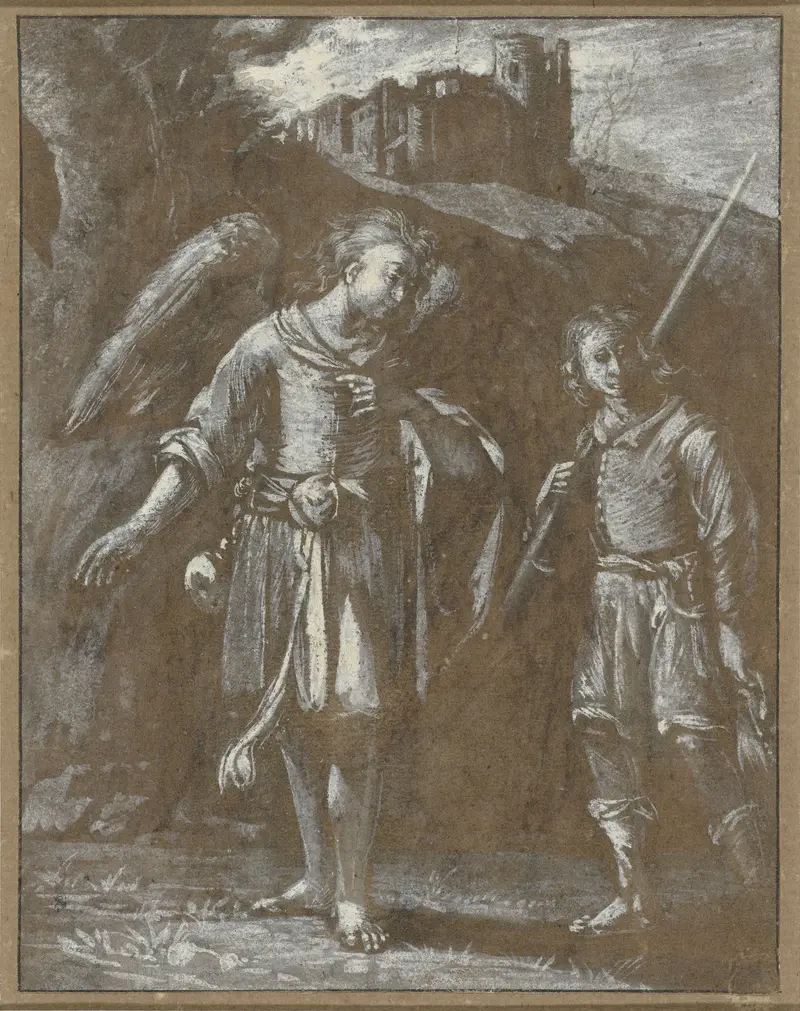
Tobias en de engel
Adam Elsheimer
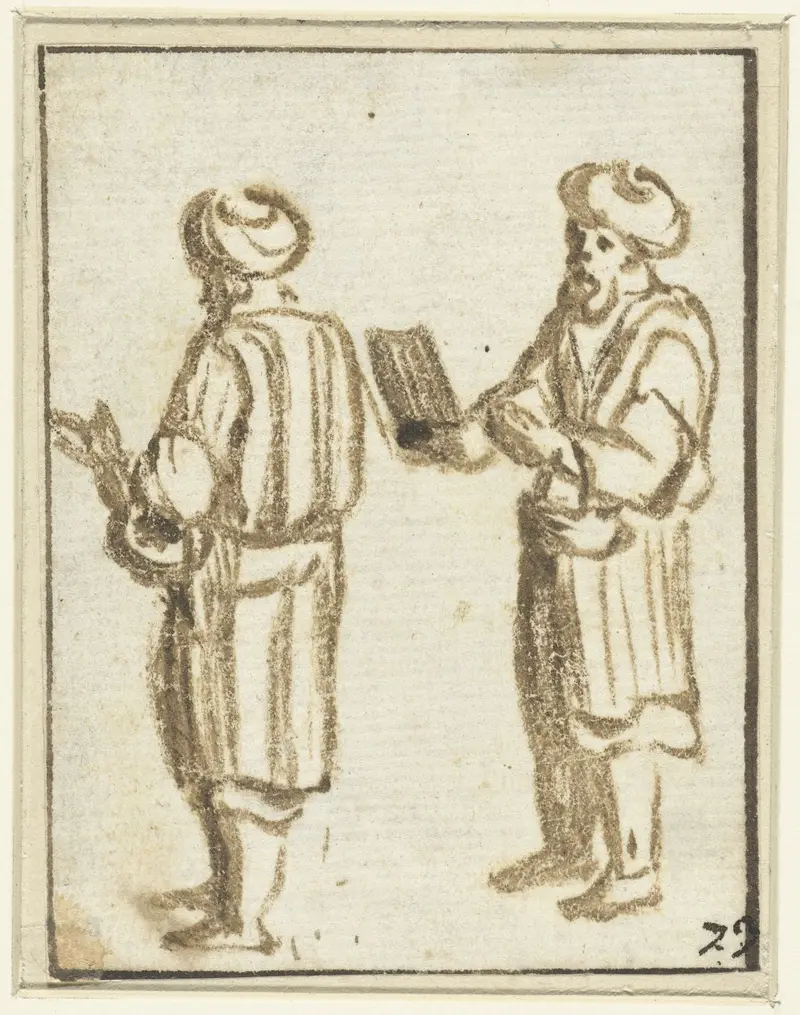
Twee staande mannen met tulbanden
Adam Elsheimer
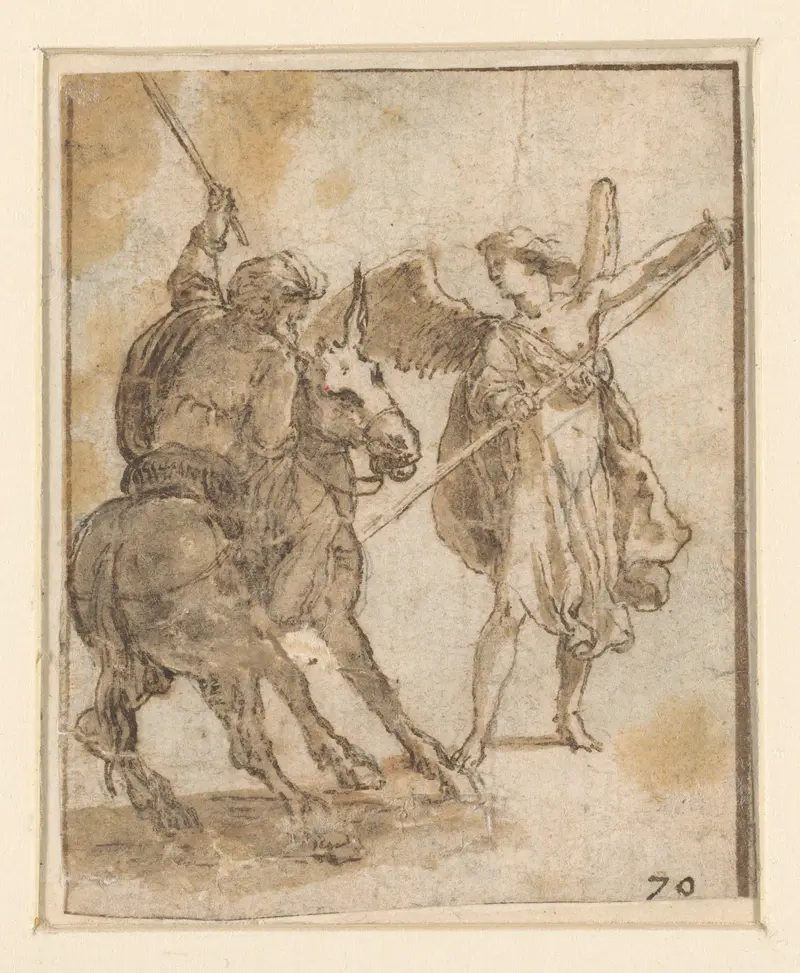
Bileam op zijn ezel ontmoet de engel
Adam Elsheimer
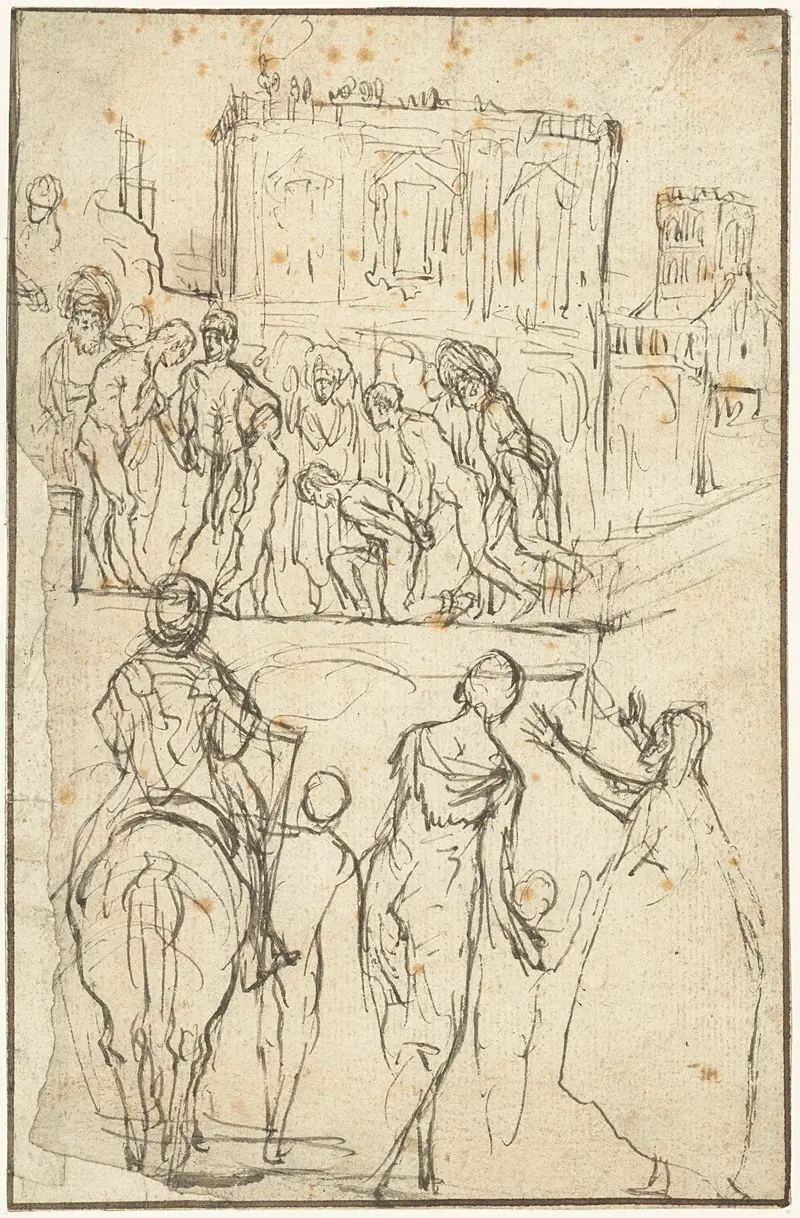
Judgement Scene with a Bound Prisoner
Adam Elsheimer
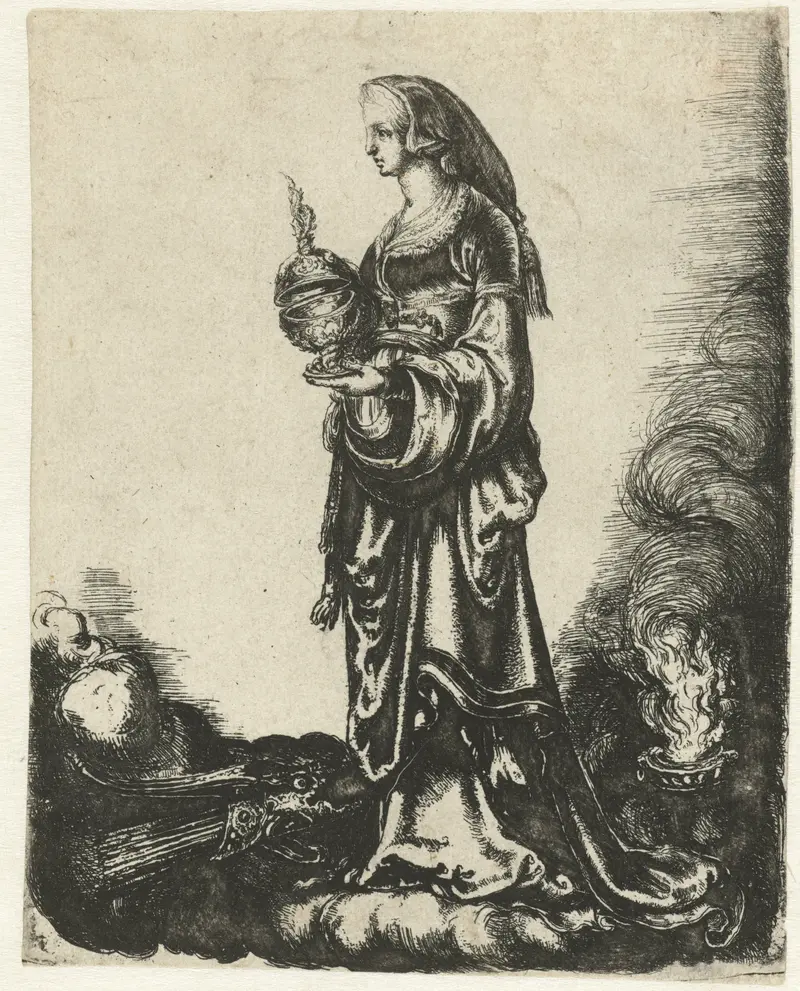
Allegorie met vrouw met beker staand op wolk
Adam Elsheimer
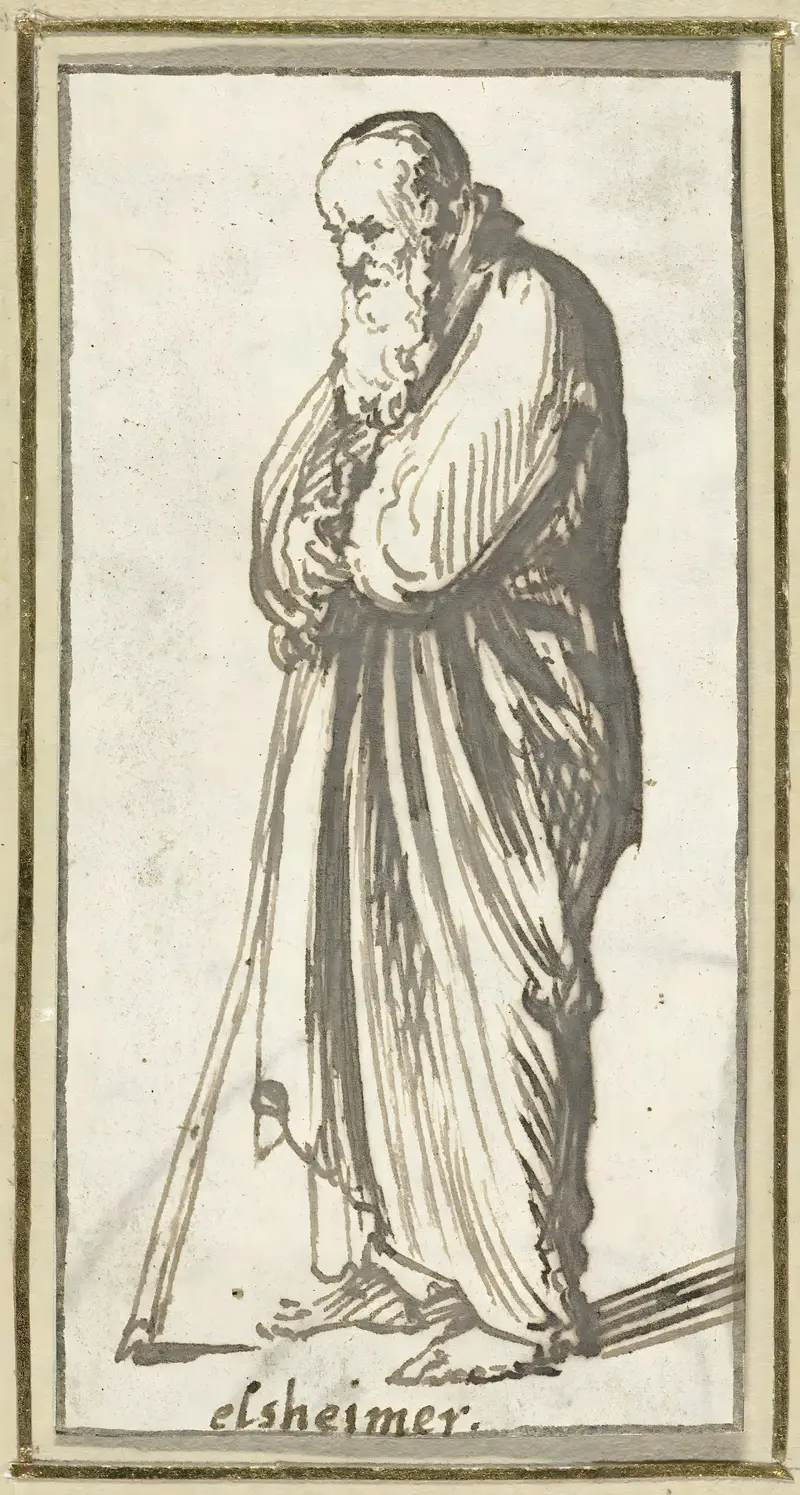
Oude man in lang gewaad
Adam Elsheimer
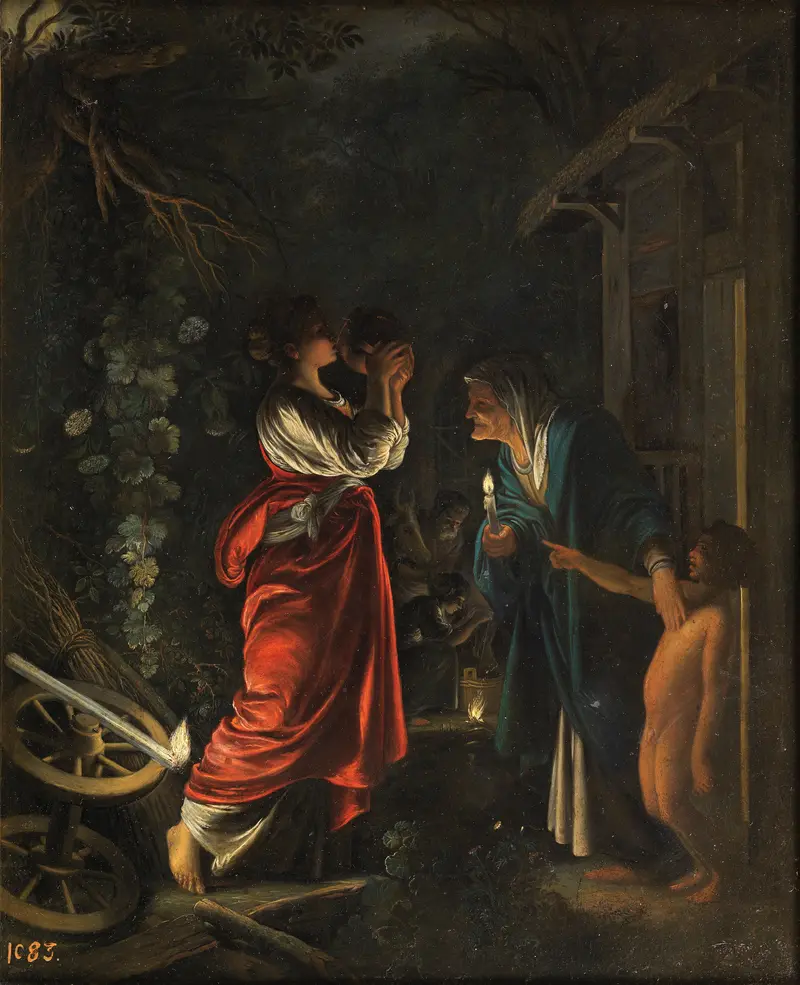
Ceres in the House of Hecuba
Adam Elsheimer
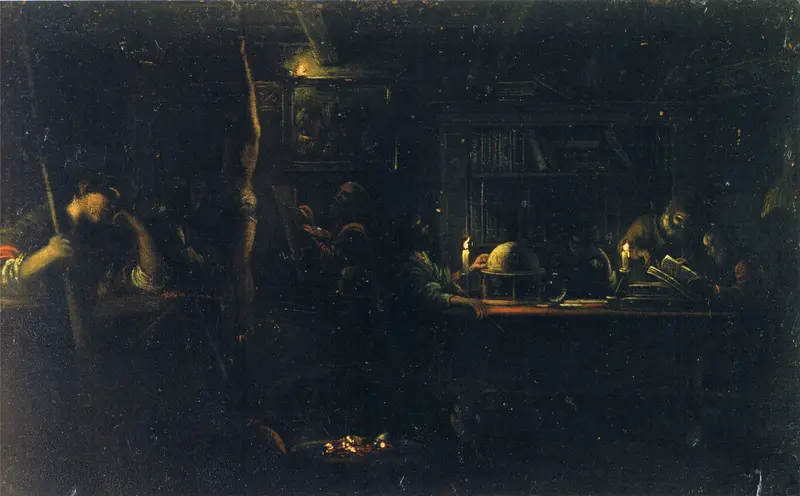
Minerva as patroness of Arts and Sciences
Adam Elsheimer
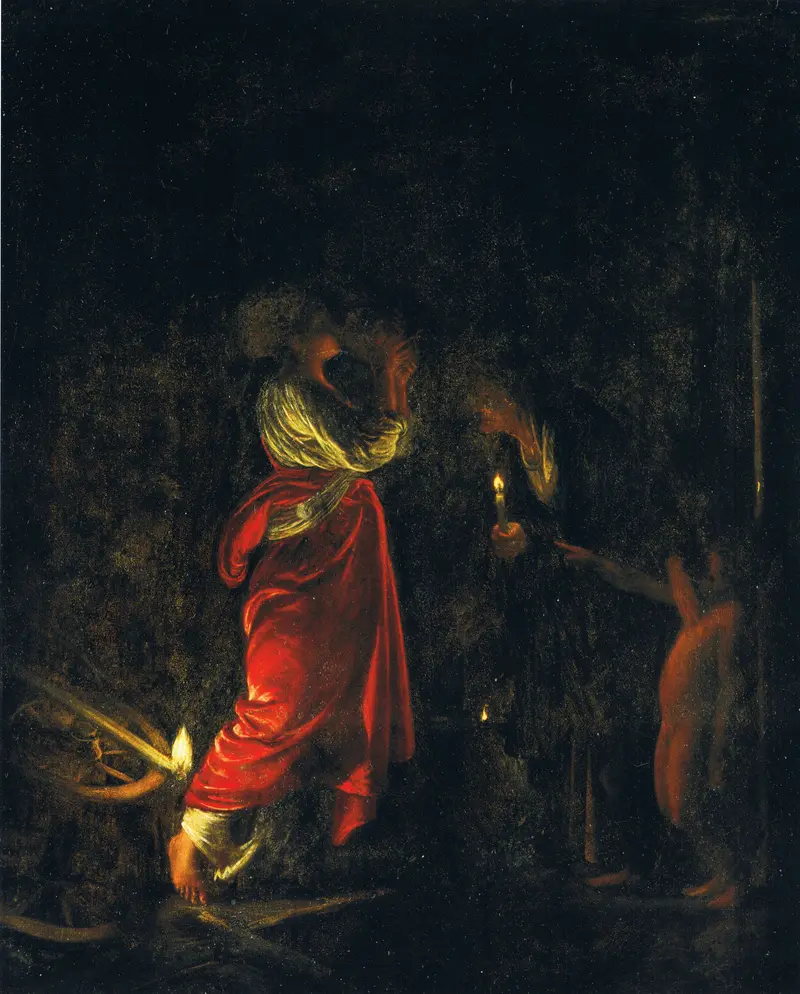
The Mocking of Ceres
Adam Elsheimer





