
The Beautiful Servant — History & Facts
When The Beautiful Servant was first attributed to Jean-Honoré Fragonard, it stirred curiosity among art historians, as no definitive record of its commission or early provenance has surfaced. The painting’s title itself is a modern convention—no original name survives—adding to the air of mystery that surrounds its origins. Scholars have long debated whether this work was part of a private series for an unknown patron or a stand-alone piece, perhaps intended for the intimate boudoirs favored by the French aristocracy.
Its subject matter, focusing on a servant rather than a mythological or aristocratic figure, is unusual for Fragonard, whose patrons often preferred scenes of courtly flirtation or allegory. This departure from the expected hints at changing tastes in late eighteenth-century France, when the boundaries between classes and genres began to blur. The canvas captures a moment of quiet intimacy: a young woman, dressed in simple but impeccably clean attire, pauses mid-task, her gaze directed just beyond the viewer as if caught in a private reverie. The soft play of light on her face and hands draws attention to her youth and dignity, while the objects around her—a silver tray, a folded cloth—signal both her occupation and her care for her work.
The delicate brushwork, especially in the rendering of fabric and skin, is typical of Fragonard’s late Rococo style, yet the restraint and focus on a single figure recall the genre scenes of Chardin. Where Chardin’s servants are often absorbed in their chores, Fragonard’s subject seems to hover between duty and daydream, inviting the viewer to imagine her inner life. The physical history of The Beautiful Servant remains largely undocumented; its early whereabouts are unknown, and no contemporary mention of it has been found in Fragonard’s correspondence or inventories. It is generally accepted as an authentic work by the artist, based on stylistic analysis and comparison with other paintings from his mature period.
Today, the painting is held in a private collection, rarely exhibited, and known to the public mainly through photographs and exhibition catalogues. Within Fragonard’s career, it stands as a rare meditation on the dignity of ordinary life, offering a counterpoint to his more famous scenes of aristocratic leisure and romance.
More Artworks by Jean-Honoré Fragonard
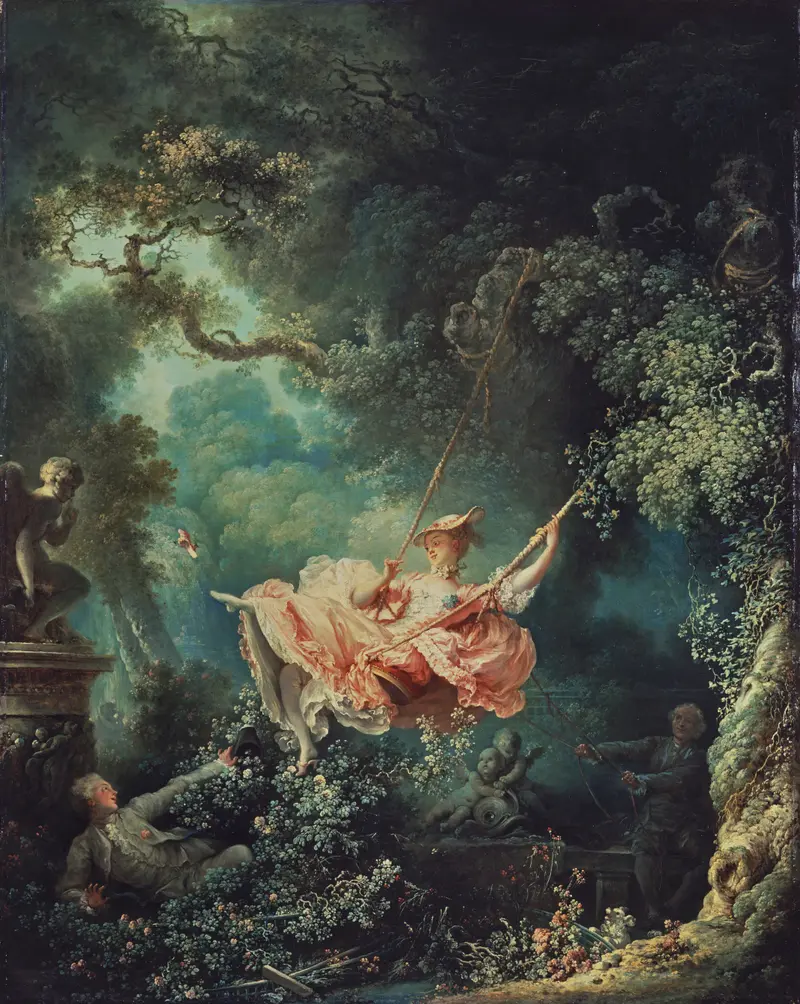
The Swing
Jean-Honoré Fragonard

The Swing
Jean-Honoré Fragonard
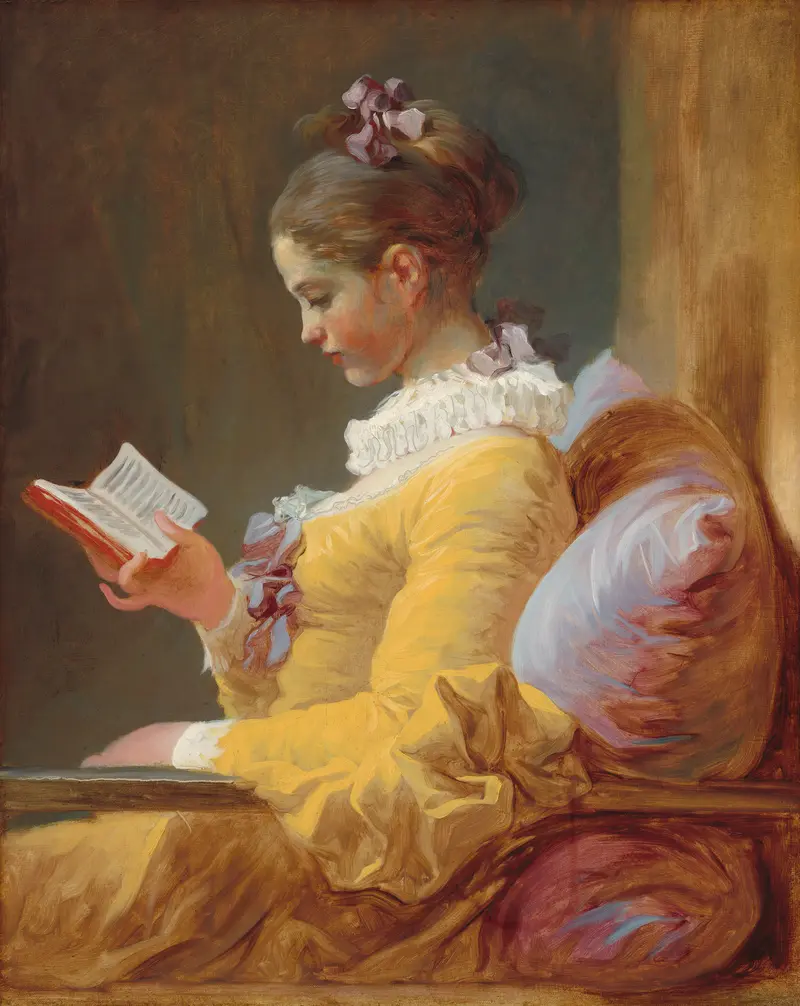
A Young Girl Reading
Jean-Honoré Fragonard
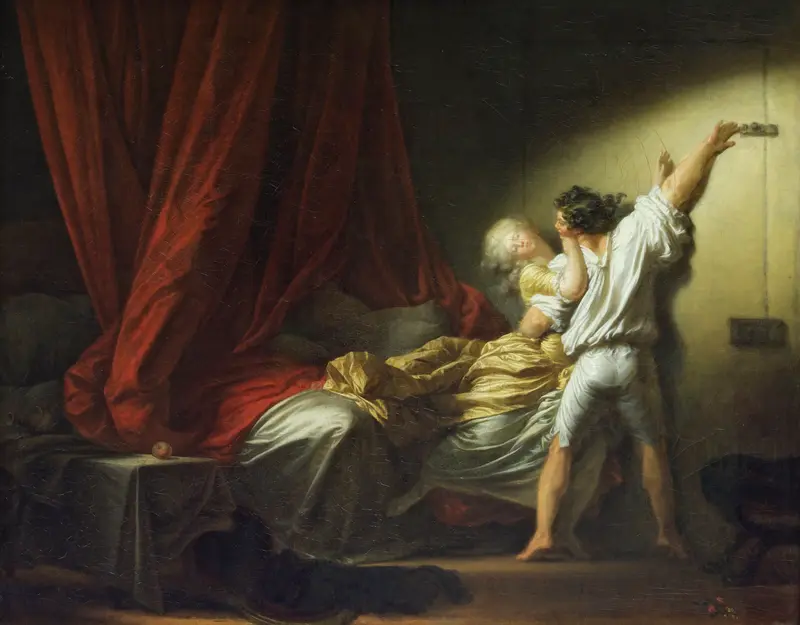
The Lock
Jean-Honoré Fragonard
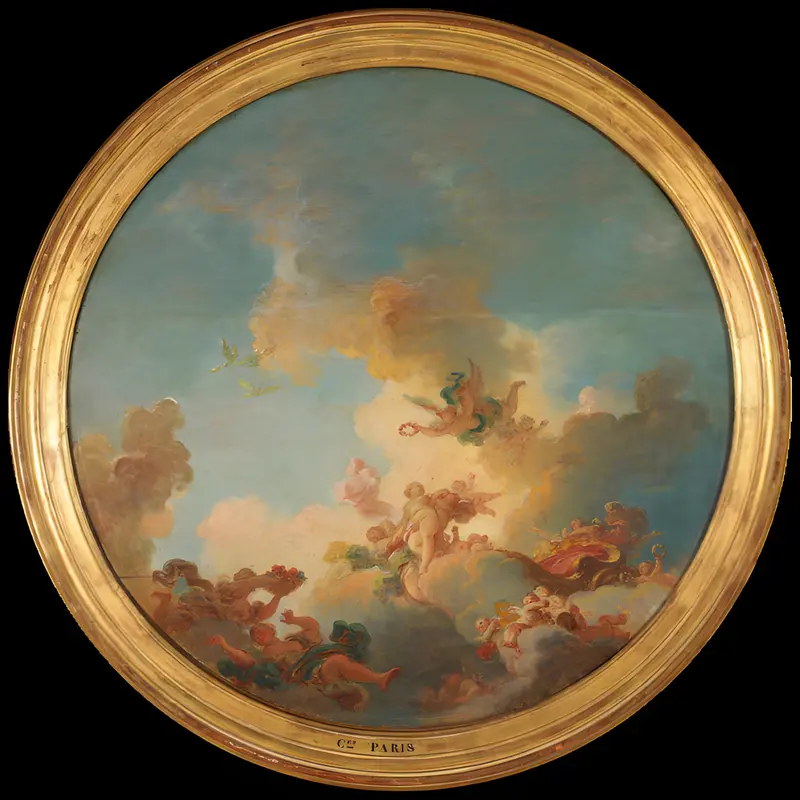
The Triumph of Venus
Jean-Honoré Fragonard
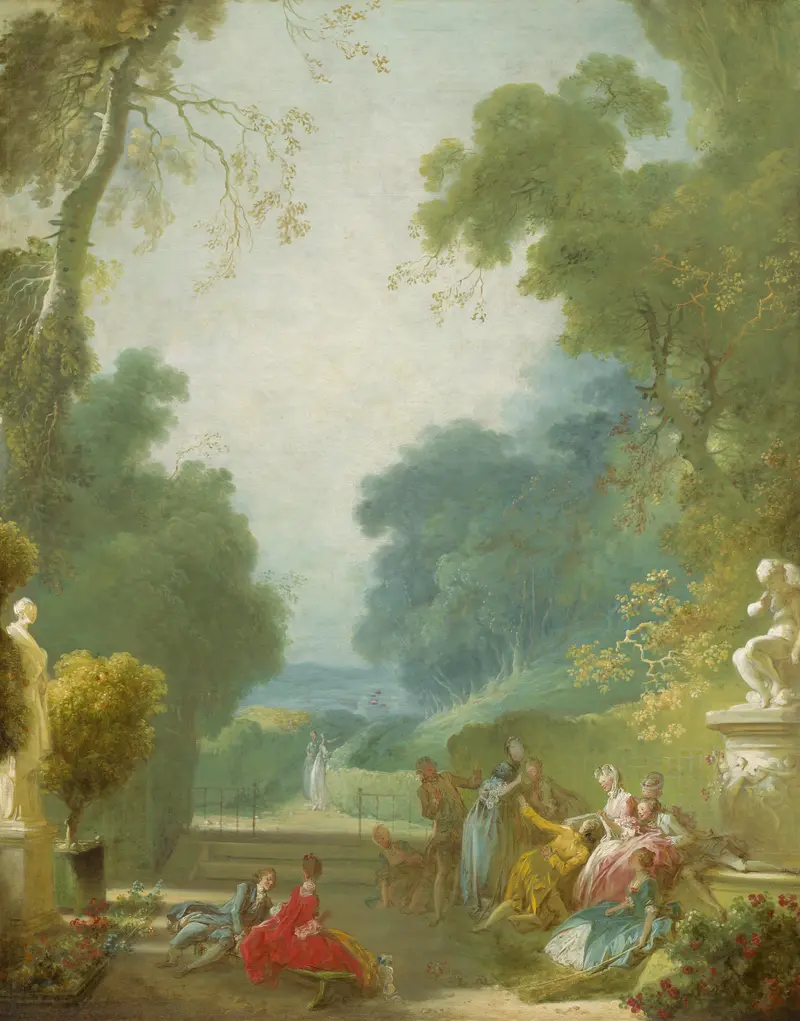
A Game of Hot Cockles
Jean-Honoré Fragonard
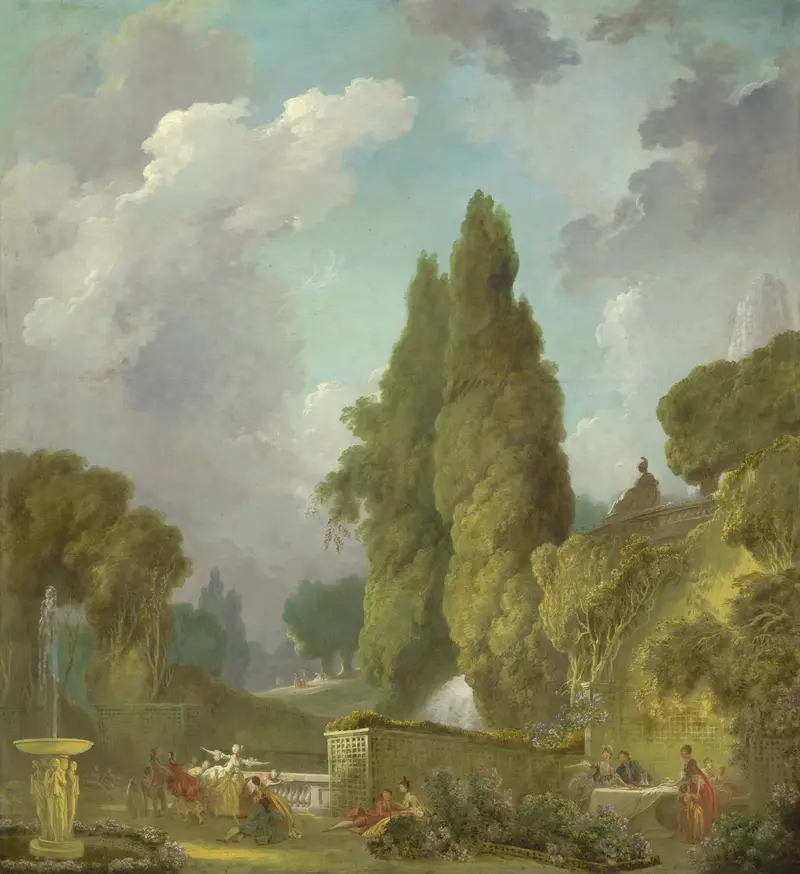
Blindman’s Buff
Jean-Honoré Fragonard
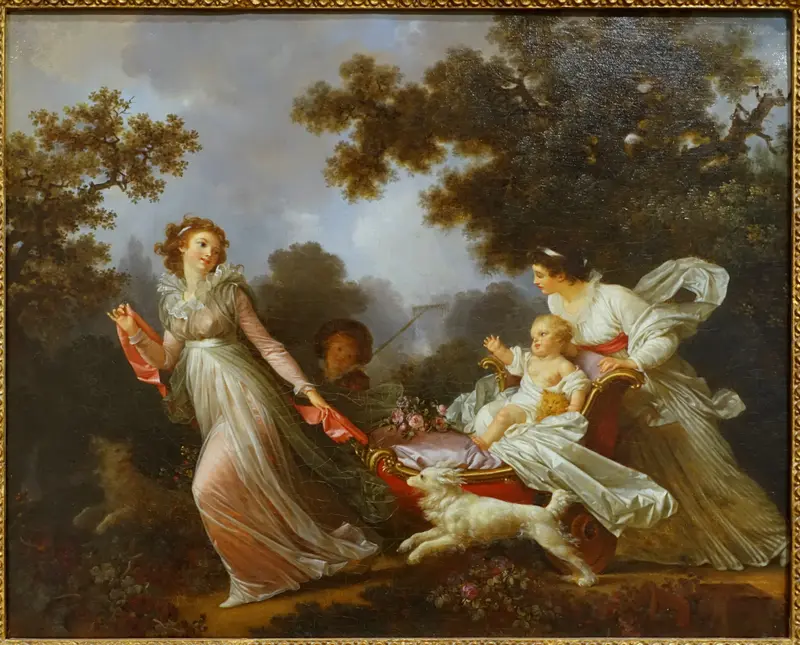
The Beloved Child
Jean-Honoré Fragonard
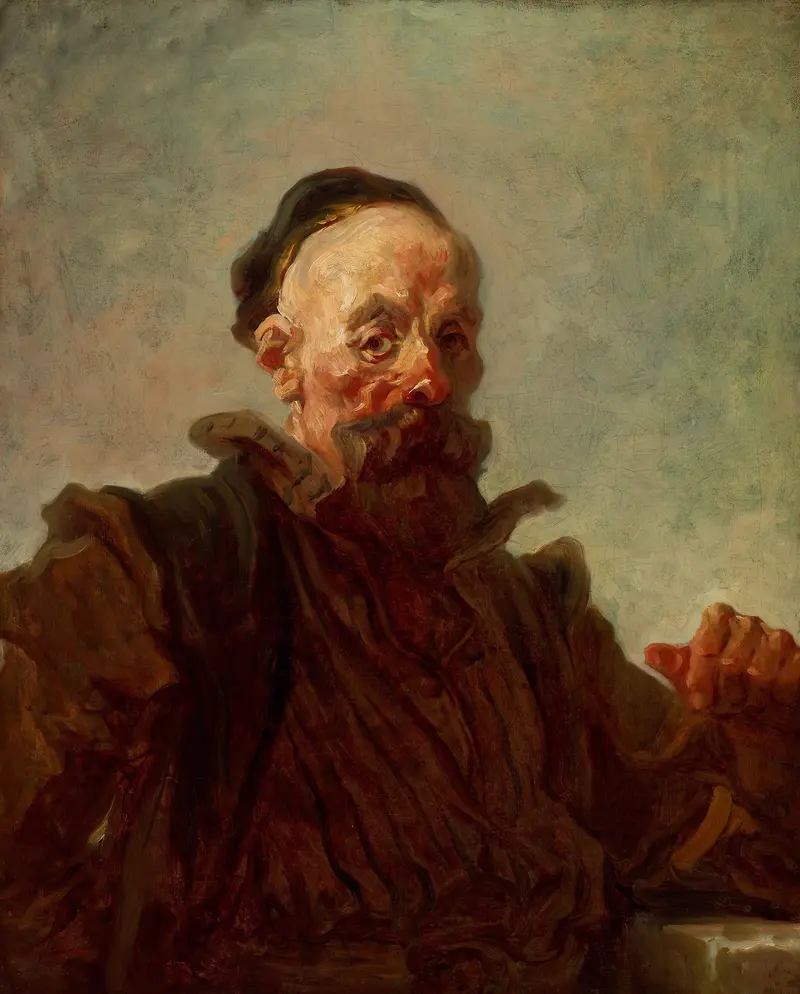
Portrait of a Man in Costume
Jean-Honoré Fragonard
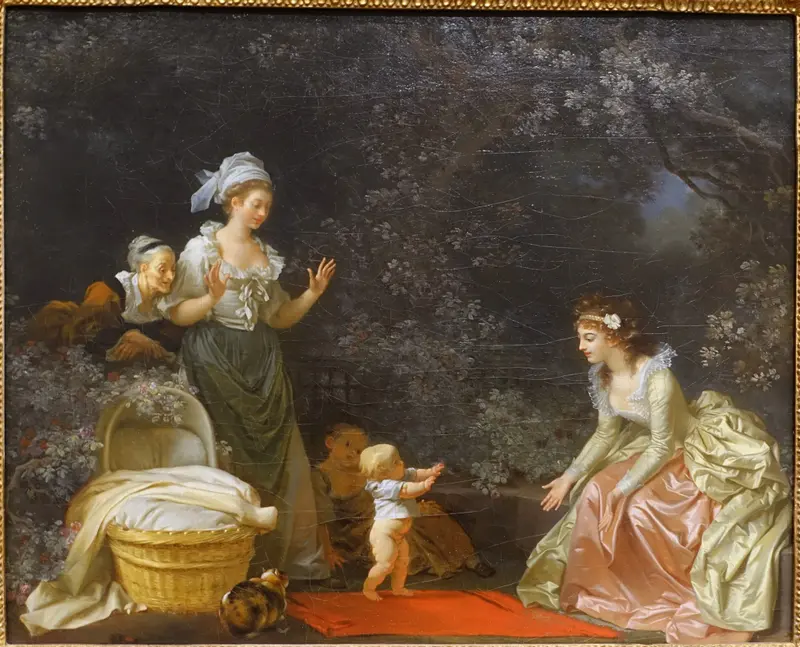
The First Steps
Jean-Honoré Fragonard
More Genre Scene Art

Banquet of the Officers of the St George Civic Guard
Frans Hals

Rembrandt and Saskia in the Scene of the Prodigal Son
Rembrandt van Rijn

Bal du moulin de la Galette
Pierre-Auguste Renoir

Quadrille at the Moulin Rouge
Henri de Toulouse-Lautrec

A Burial at Ornans
Gustave Courbet

When Will You Marry?
Paul Gauguin