
The Beheading of St John the Baptist — History & Facts
In The Beheading of St John the Baptist, Giovanni Battista Tiepolo presents a dramatic scene filled with intense colors. The figures are depicted in a moment of high tension, with St. John at the center, surrounded by onlookers.
The use of red and gold enhances the emotional weight of the scene, contrasting with the somber tones of the background. The setting is a stark, almost theatrical space that amplifies the gravity of the event. The painting is executed in oil on canvas, showcasing Tiepolo's skill in blending light and shadow. The composition is dynamic, with figures arranged in a way that leads the viewer's eye towards the central action.
The details in the clothing and expressions of the figures are meticulously rendered, highlighting Tiepolo's attention to realism despite the dramatic subject matter. The large dimensions of the work, approximately 220 x 300 cm, allow for an immersive experience. Giovanni Battista Tiepolo was a prominent Italian painter of the 18th century, known for his grand frescoes and dramatic compositions. This particular work reflects the Baroque style, characterized by its emotional intensity and movement.
An interesting fact about this painting is that it was created for a church in Spain, emphasizing the importance of religious themes in Tiepolo's oeuvre. The beheading of St. John the Baptist is a popular subject in Christian art, symbolizing martyrdom and sacrifice.
More Artworks by Giovanni Battista Tiepolo
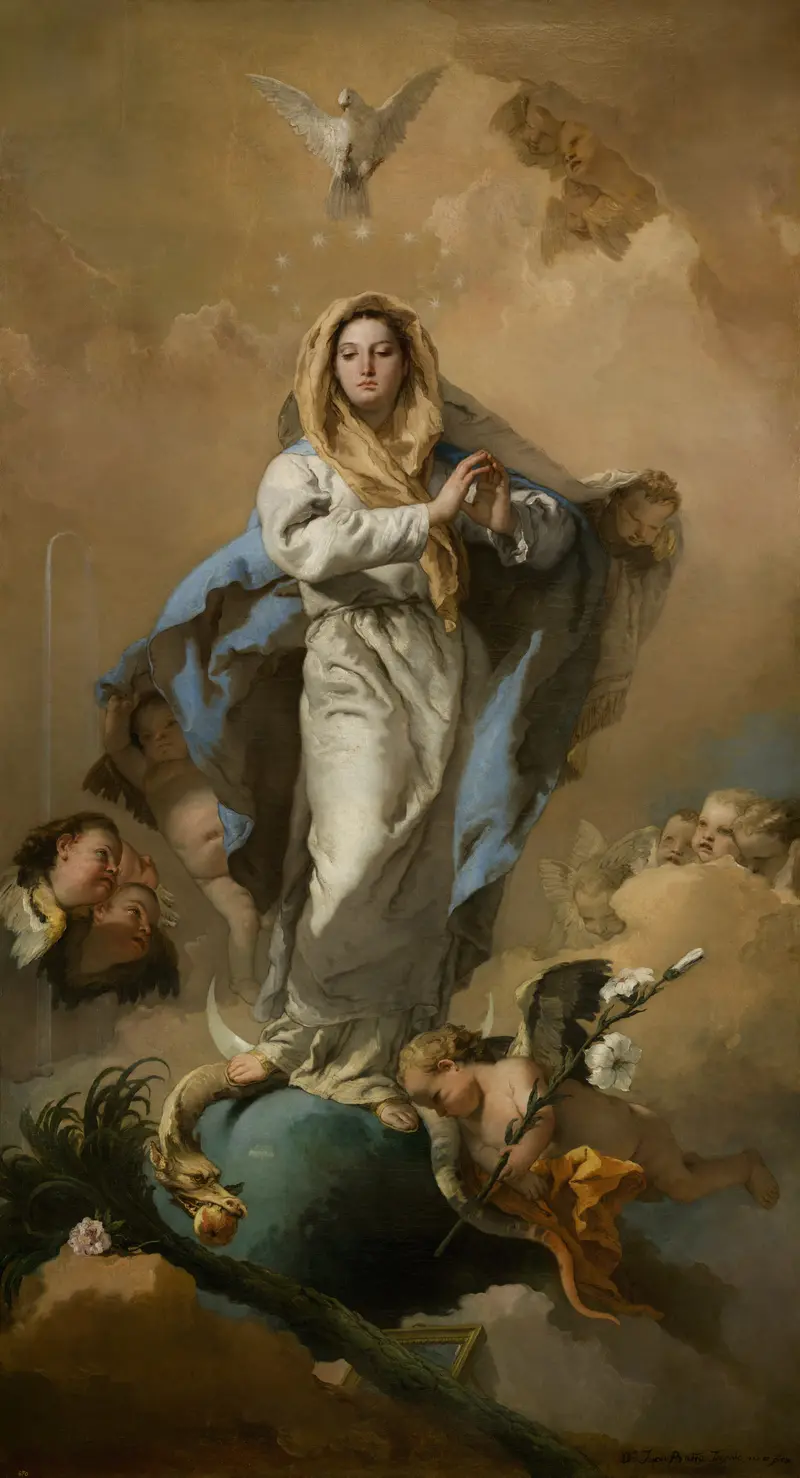
The Immaculate Conception
Giovanni Battista Tiepolo
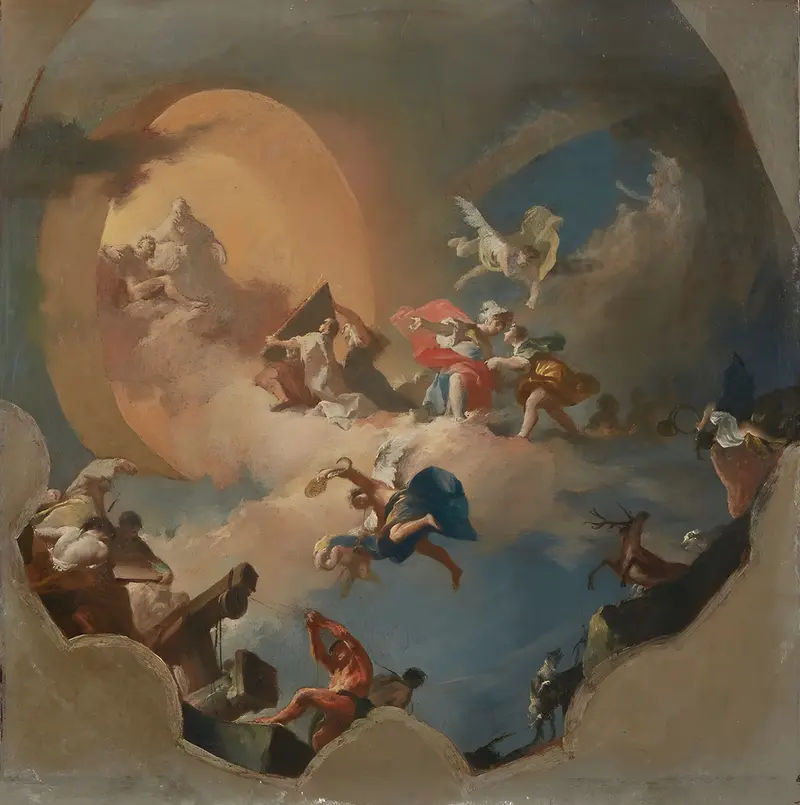
The Apotheosis of the Arts
Giovanni Battista Tiepolo
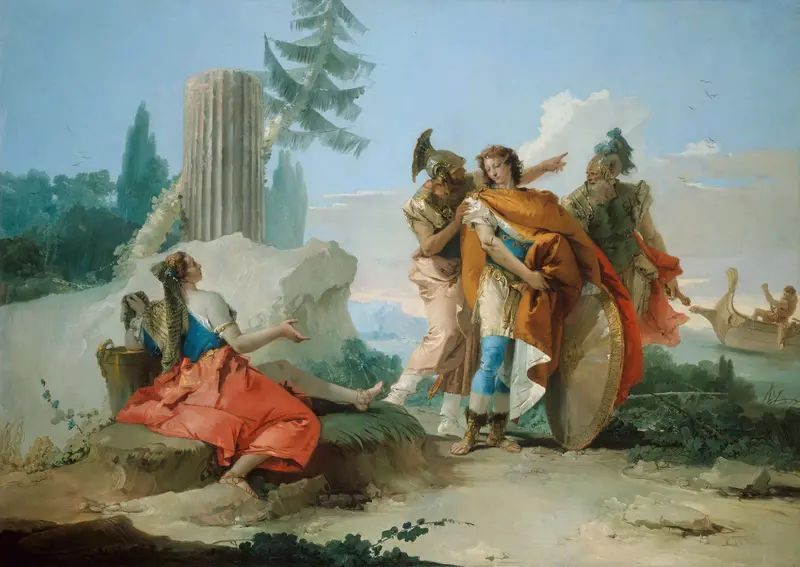
Armida Abandoned by Rinaldo
Giovanni Battista Tiepolo
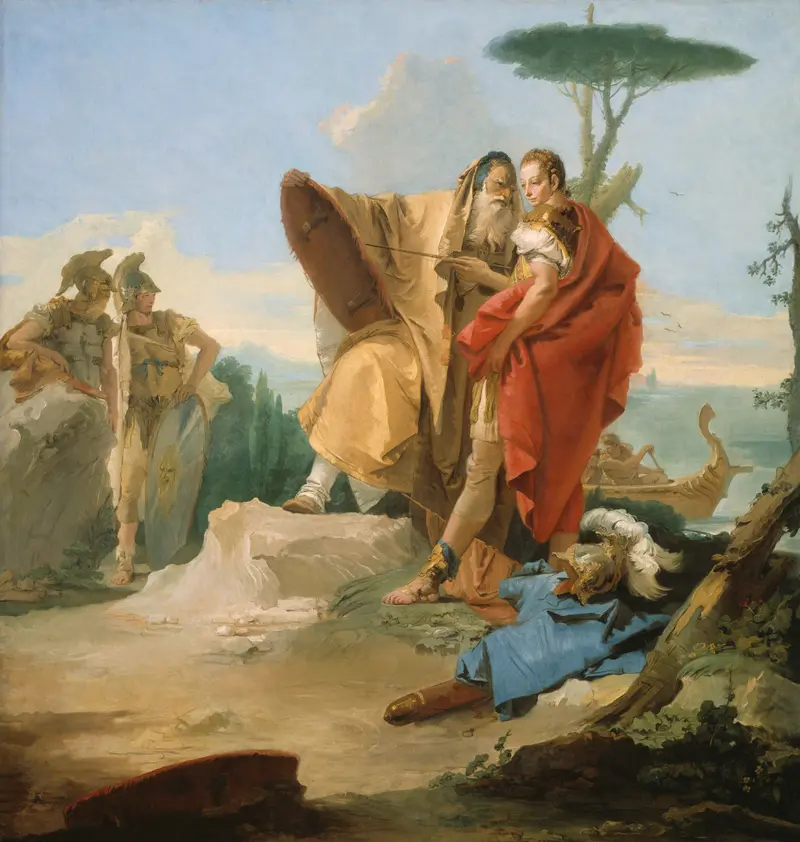
Rinaldo and the Magus of Ascalon
Giovanni Battista Tiepolo
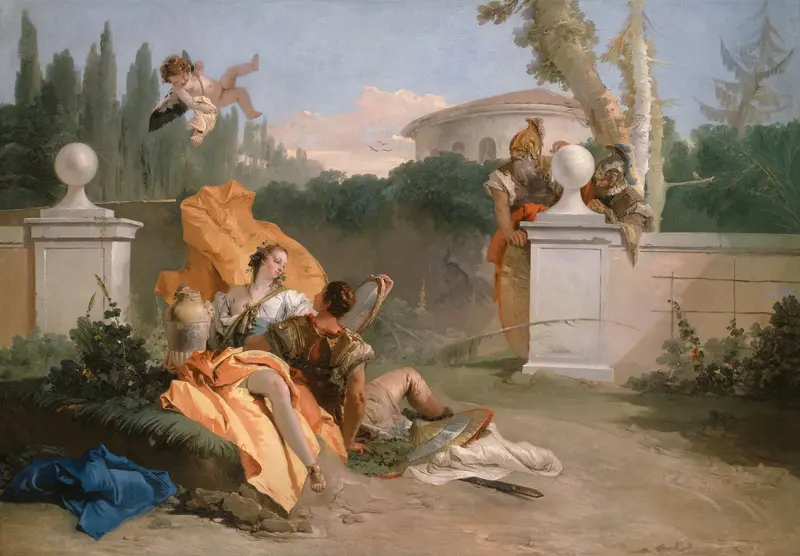
Rinaldo and Armida in Her Garden
Giovanni Battista Tiepolo
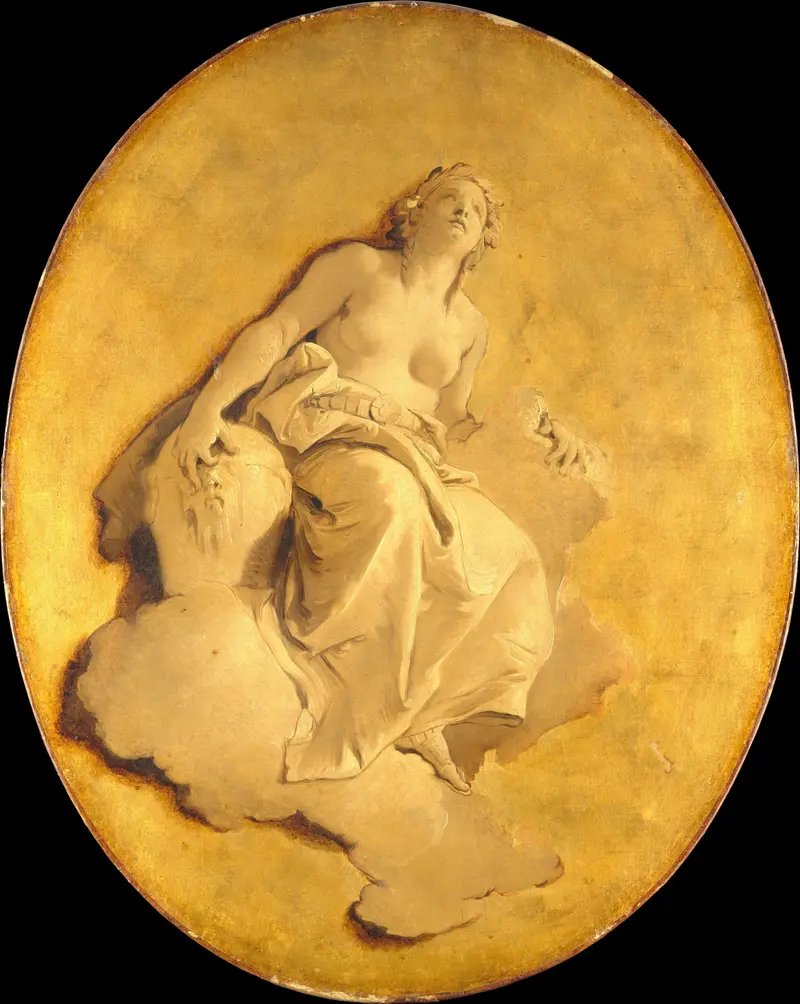
A Female Allegorical Figure
Giovanni Battista Tiepolo
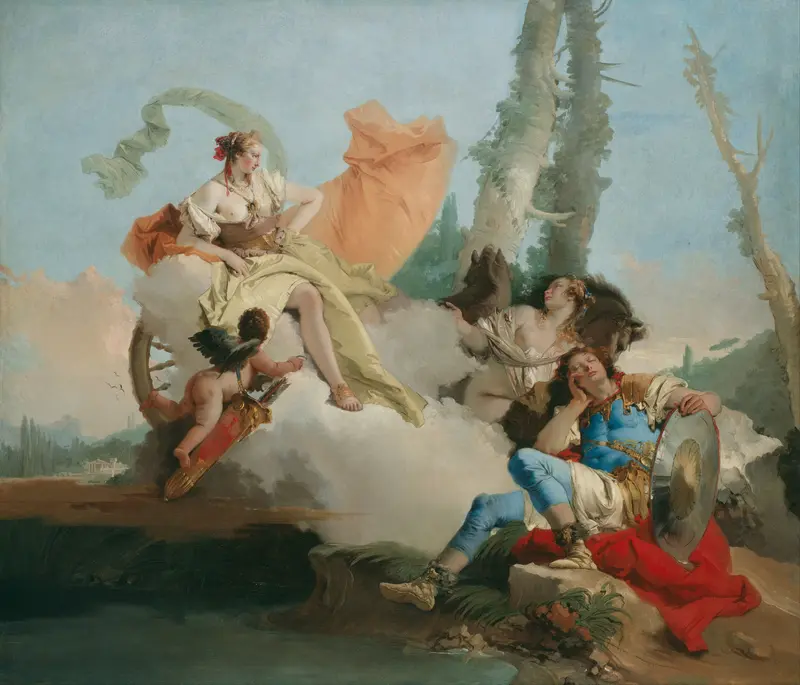
Armida Encounters the Sleeping Rinaldo
Giovanni Battista Tiepolo
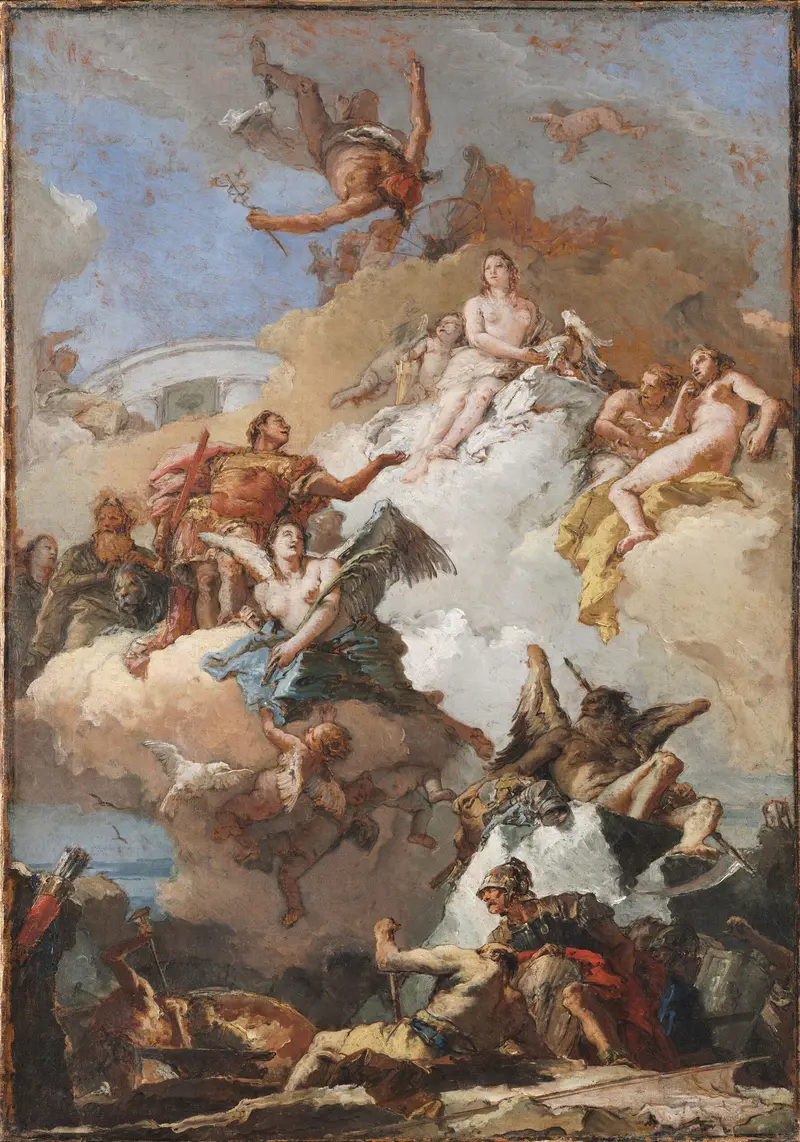
The Apotheosis of Aeneas
Giovanni Battista Tiepolo
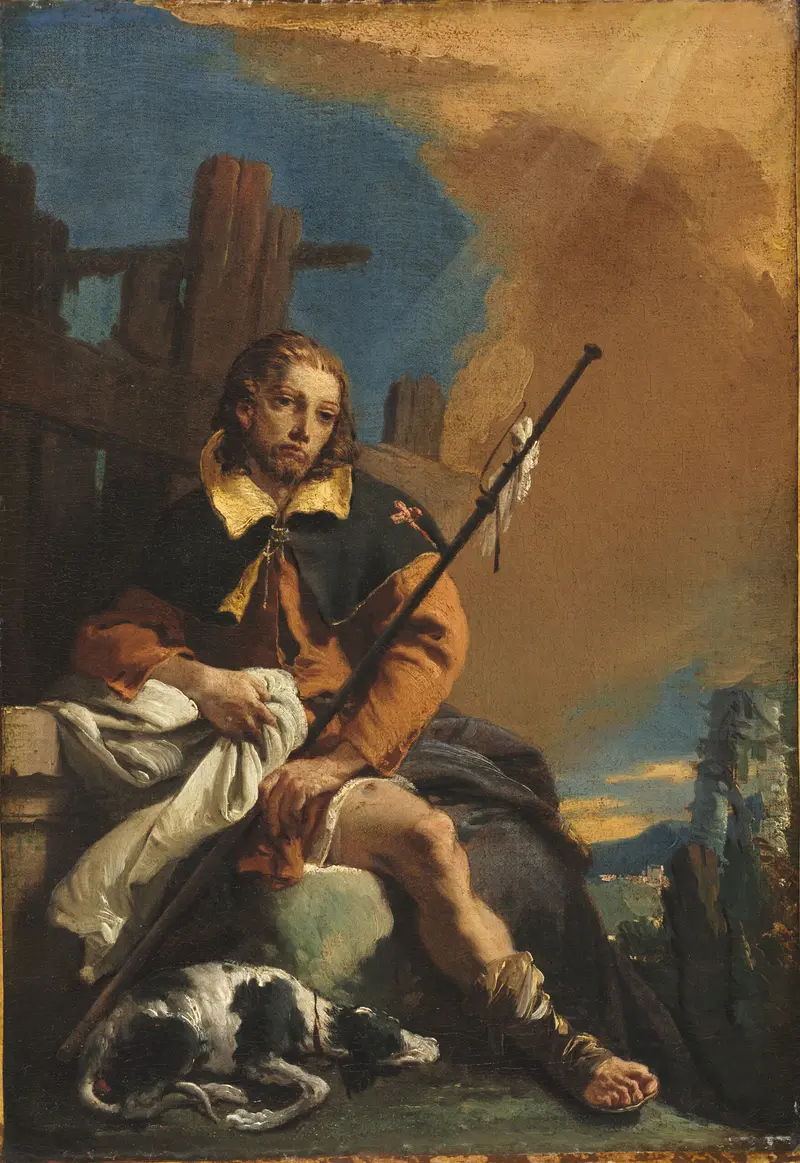
Saint Roch as a Pilgrim
Giovanni Battista Tiepolo
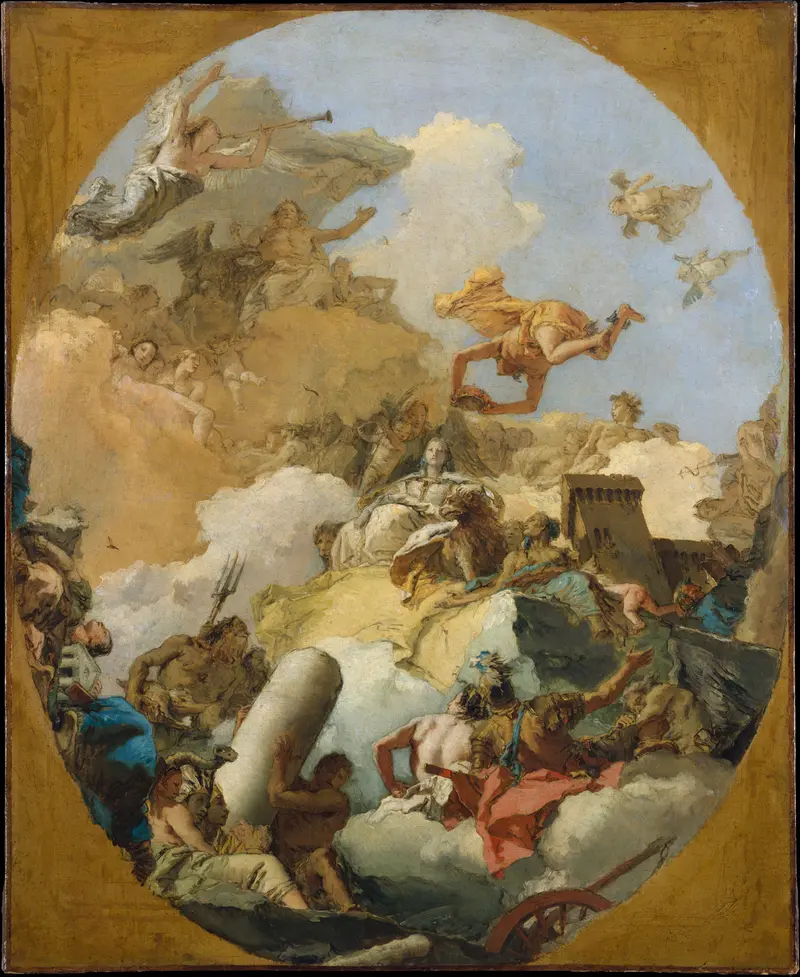
The Apotheosis of the Spanish Monarchy
Giovanni Battista Tiepolo





