
The Body of Abel Found by Adam and Eve — History & Facts
When William Blake exhibited The Body of Abel Found by Adam and Eve in 1826, he presented a scene rarely chosen by artists: not the murder itself, but the moment of discovery and grief. While Blake was known for his visionary poetry and prints, this work stands out as one of his last major biblical compositions, created just a year before his death. Unlike more famous treatments of Cain and Abel, Blake’s version focuses on the aftermath, a choice that puzzled and moved his contemporaries.
The painting’s medium is uncertain—possibly watercolor with pen and ink, as was typical of Blake—but the emotional intensity is unmistakable. The scene unfolds at the instant Adam and Eve find Abel’s lifeless body, sprawled on the earth, his limbs limp and head thrown back. Adam, stooped and stricken, reaches out in horror, while Eve collapses in despair, her hands covering her face. The sparse landscape and stark light isolate the figures, intensifying the tragedy.
In Blake’s hands, the gestures are raw: Adam’s outstretched arm signals both recognition and helplessness, while Eve’s posture speaks of overwhelming loss. Unlike Tintoretto’s dramatic Cain and Abel, which revels in violence, Blake’s focus is on the human cost—the first parents’ sorrow at the world’s first death. The physical history of The Body of Abel Found by Adam and Eve is less documented than some of Blake’s other works, and its original patron remains unknown. Today, it is generally believed to be part of a group of biblical illustrations produced late in Blake’s career, possibly intended for private collectors or as part of a portfolio.
The work has passed through several hands and now resides in a public collection, where it is recognized as a key example of Blake’s unique approach to religious subjects. As with much of his art, the painting’s exact medium and provenance have sparked scholarly debate, but its emotional clarity and narrative focus continue to distinguish it within the artist’s oeuvre.
More Artworks by William Blake
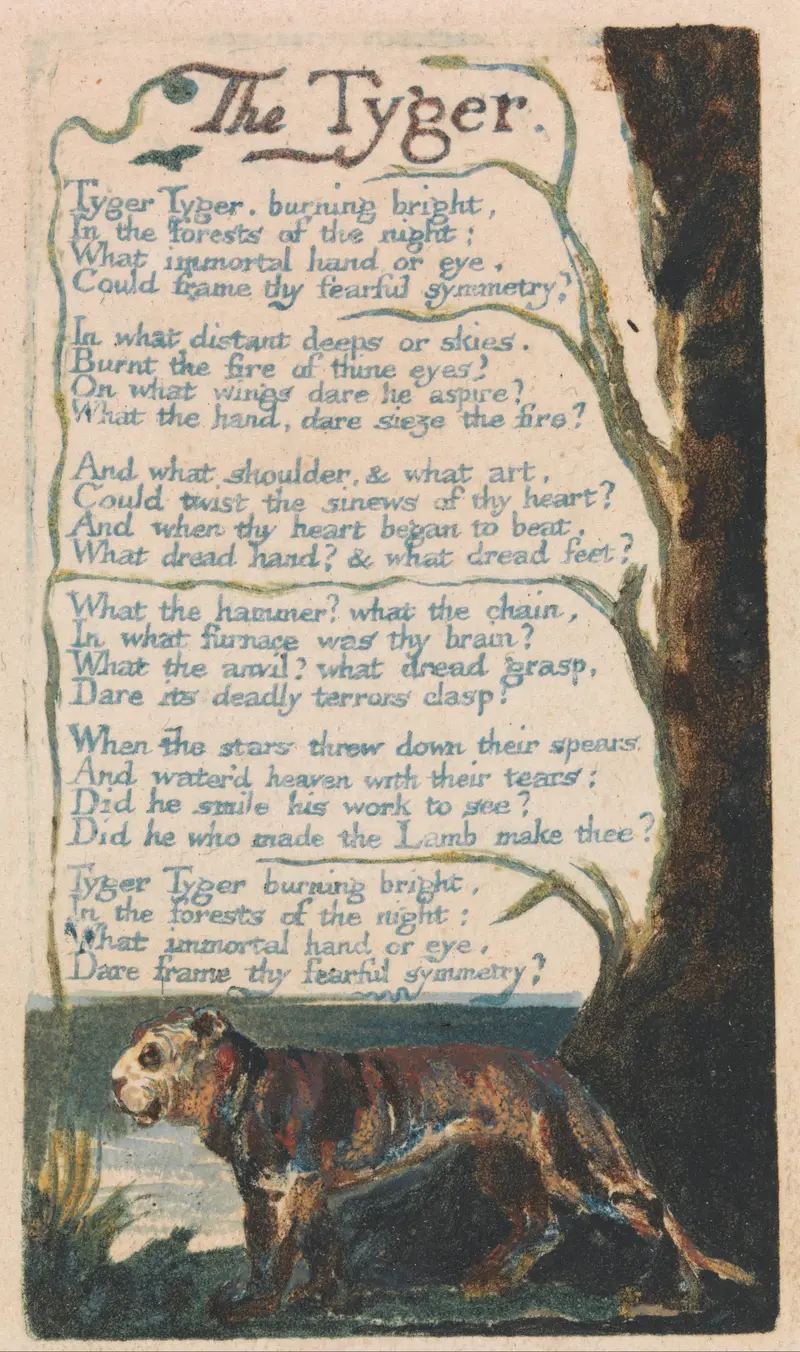
The Tyger
William Blake

Christ Blessing
William Blake
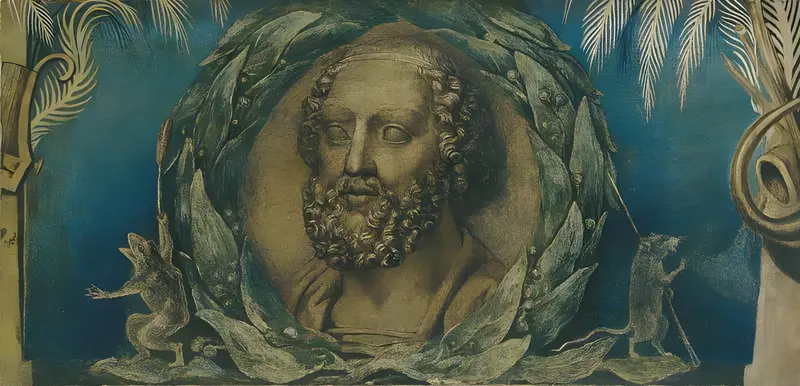
Homer
William Blake
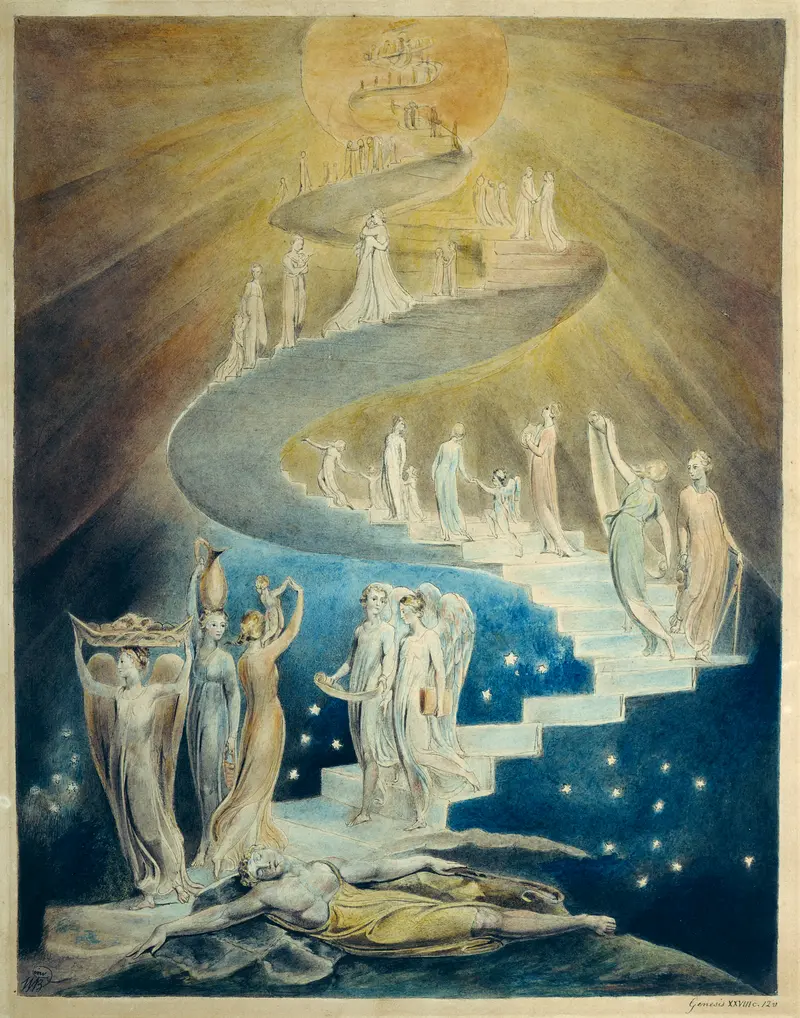
Jacob's Ladder
William Blake
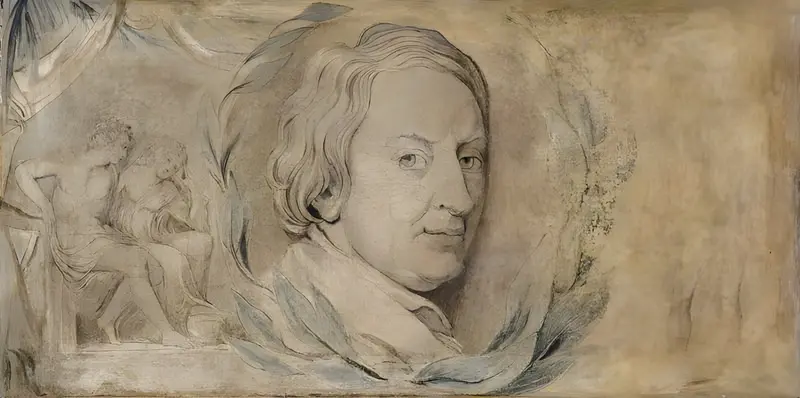
John Dryden (1631–1700)
William Blake
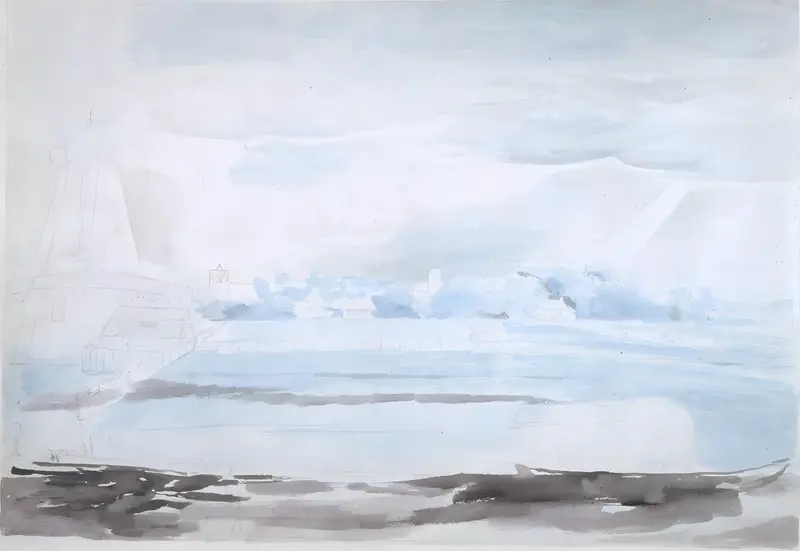
Landscape near Felpham
William Blake
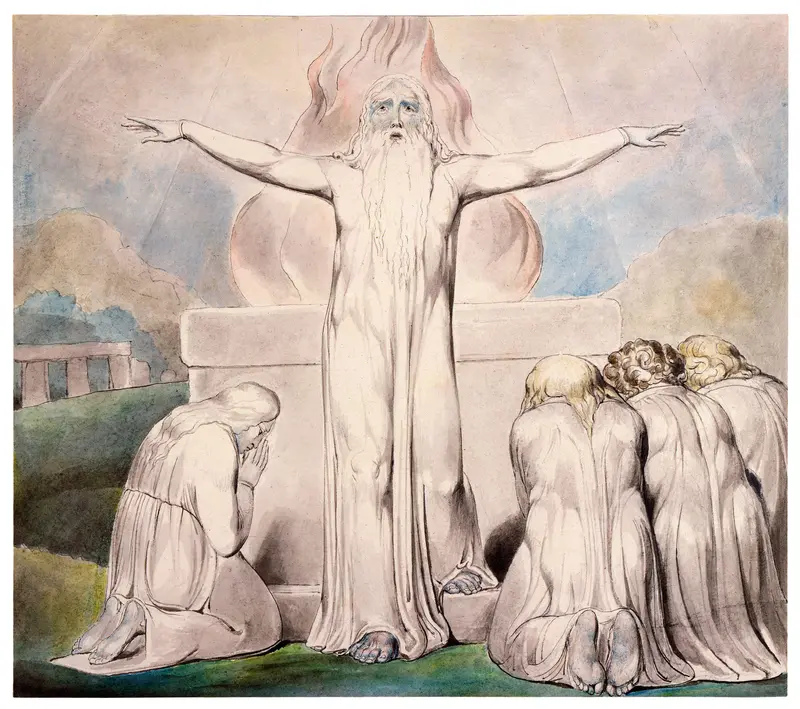
Sacrifice of Job
William Blake
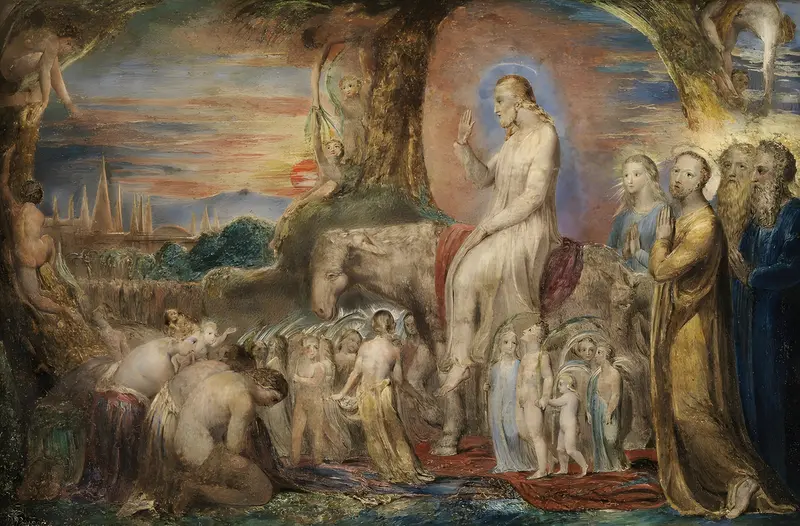
Christ's Entry into Jerusalem
William Blake
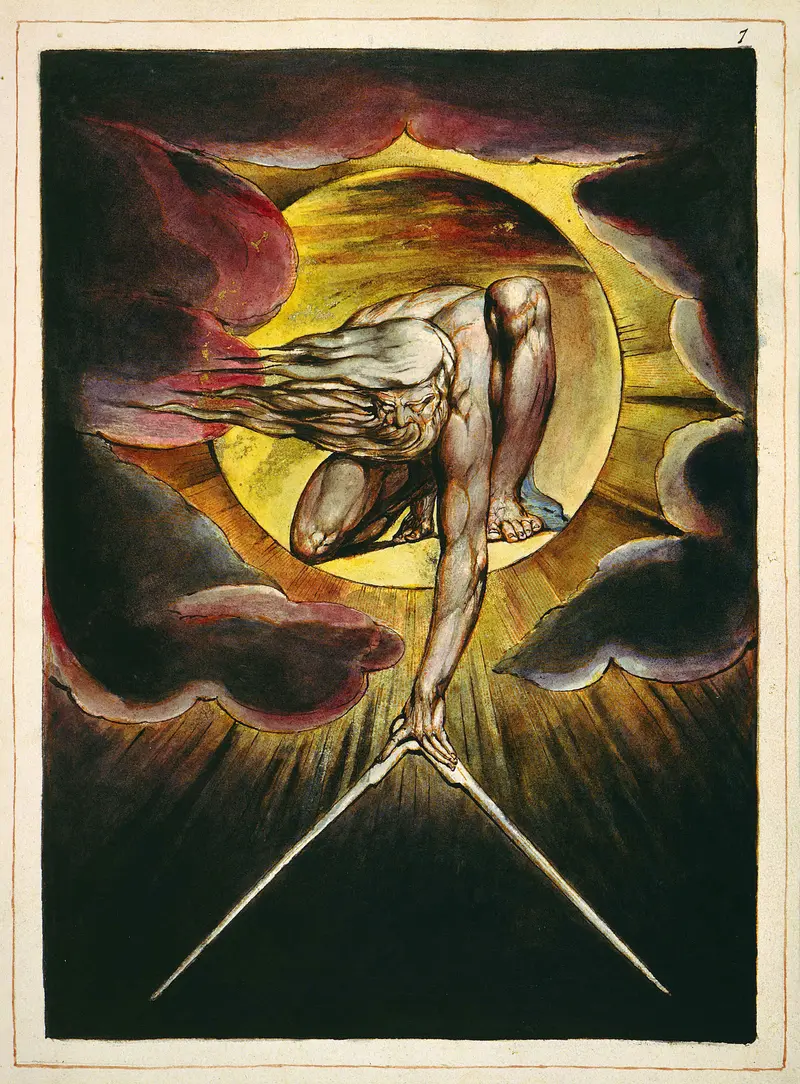
The Ancient of Days
William Blake
Adam Naming the Beasts
William Blake





