
The Burning of Troy — History & Facts
When Abraham Bloemaert painted The Burning of Troy, he joined a long tradition of Dutch and Flemish artists captivated by the fall of ancient cities. The story of Troy’s destruction, immortalized in Virgil’s Aeneid, was a favorite subject in the late sixteenth and early seventeenth centuries, a time when Europe itself was scarred by war and upheaval. Bloemaert’s interpretation stands out for its dramatic energy and crowded composition, which some scholars believe may have been inspired by the turmoil of the Eighty Years’ War.
Although the exact date and commission of this painting are unknown, its survival attests to the enduring fascination with Troy’s tragic end. At the heart of The Burning of Troy is the moment when the city, betrayed by the Greeks’ wooden horse, is consumed by fire and chaos. Bloemaert fills the canvas with desperate figures: warriors clashing in the foreground, women and children fleeing or being dragged away, and flames licking at the grand towers in the distance. The artist’s use of strong contrasts—harsh light from the fires against deep shadows—heightens the sense of panic.
Notably, the central figure may be Aeneas, carrying his father Anchises on his back, a symbol of piety and survival amid destruction. This focus on human drama, rather than just architectural ruin, sets Bloemaert’s version apart from, for example, The Fall of Troy by Johann Georg Trautmann, which emphasizes the city’s collapse over its people’s suffering. The painting’s early history remains obscure, typical for works by Bloemaert, who was active in Utrecht and trained a generation of Dutch painters. It likely circulated among collectors who prized mythological scenes for their moral and emotional resonance.
Over time, The Burning of Troy has been attributed to various members of Bloemaert’s workshop, reflecting the collaborative nature of his studio and the popularity of the theme. Today, the painting is recognized as a significant example of Northern European history painting, bridging the late Renaissance and early Baroque periods, and offering insight into how artists of the era grappled with stories of loss and survival.
More Artworks by Abraham Bloemaert

Adam and Eve
Abraham Bloemaert
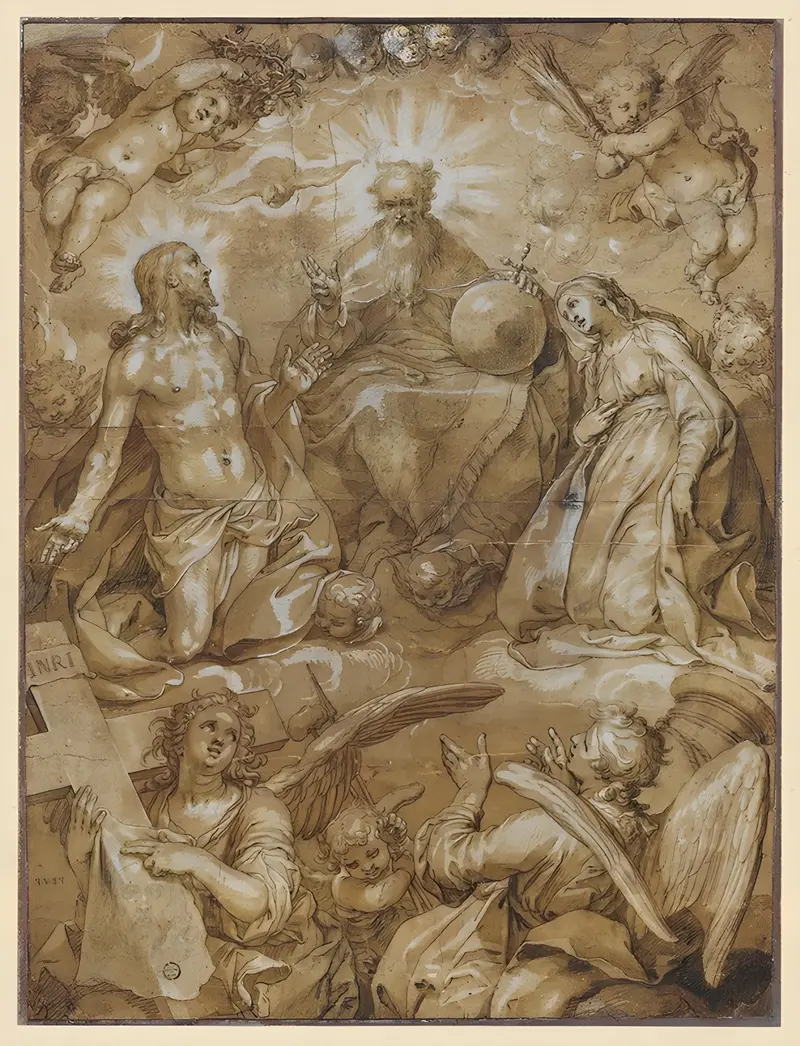
Intercession of Christ and Mary before God the Father
Abraham Bloemaert
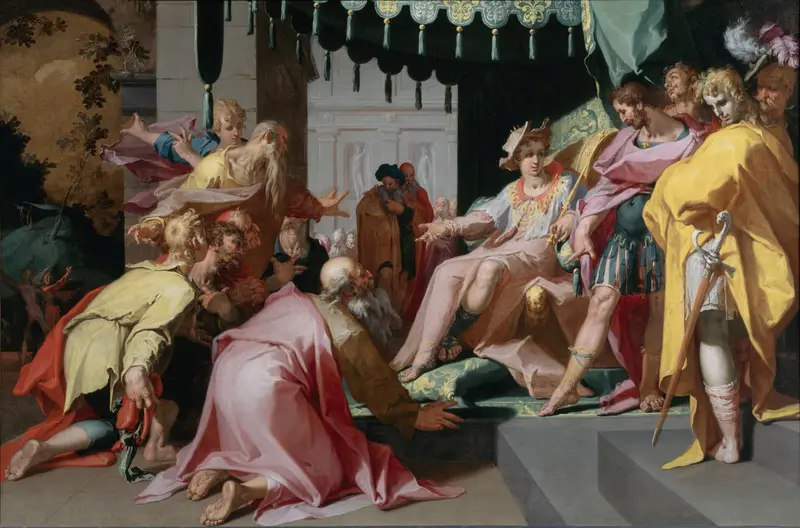
Joseph and his Brothers
Abraham Bloemaert
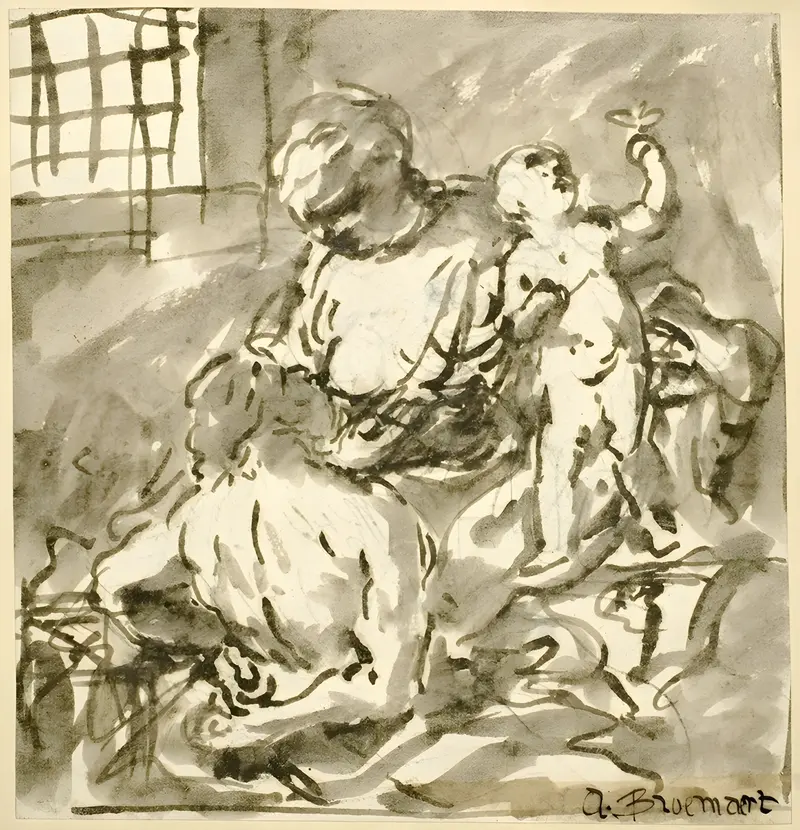
Caritas Romana
Abraham Bloemaert
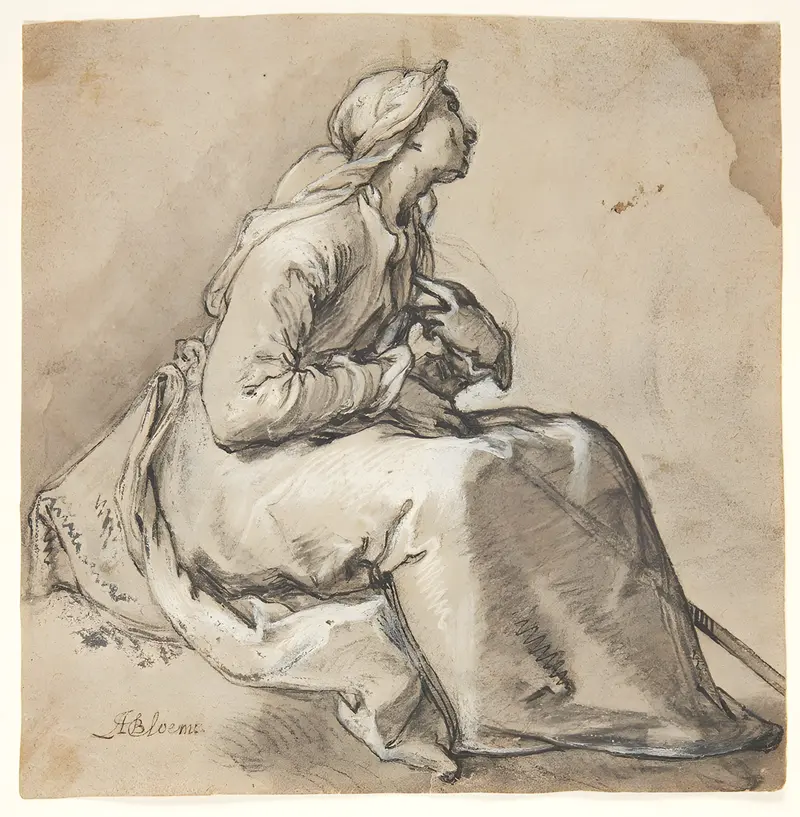
A seated woman facing right
Abraham Bloemaert
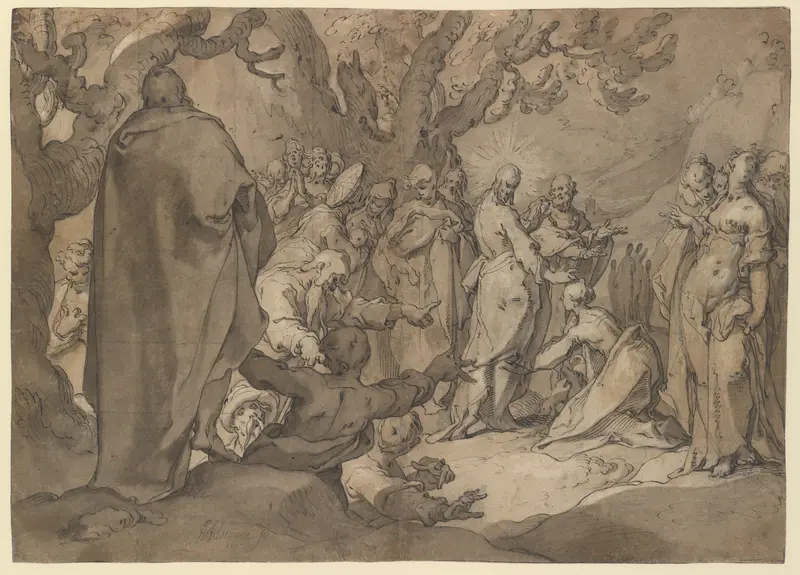
Christ and the Canaanite Women
Abraham Bloemaert
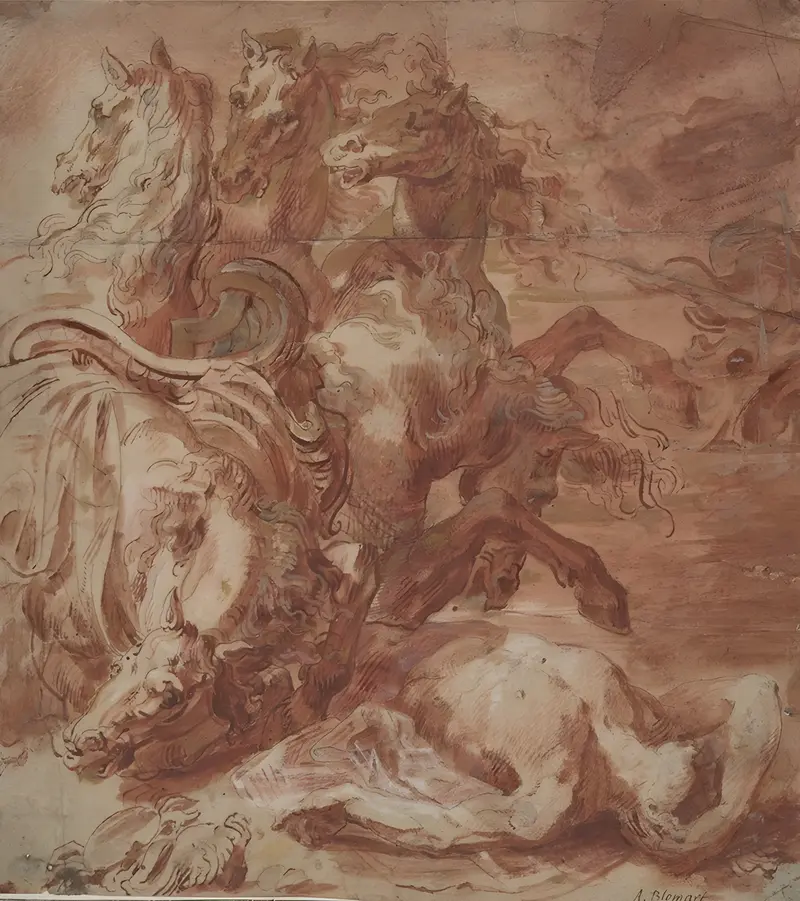
Hippolytus
Abraham Bloemaert
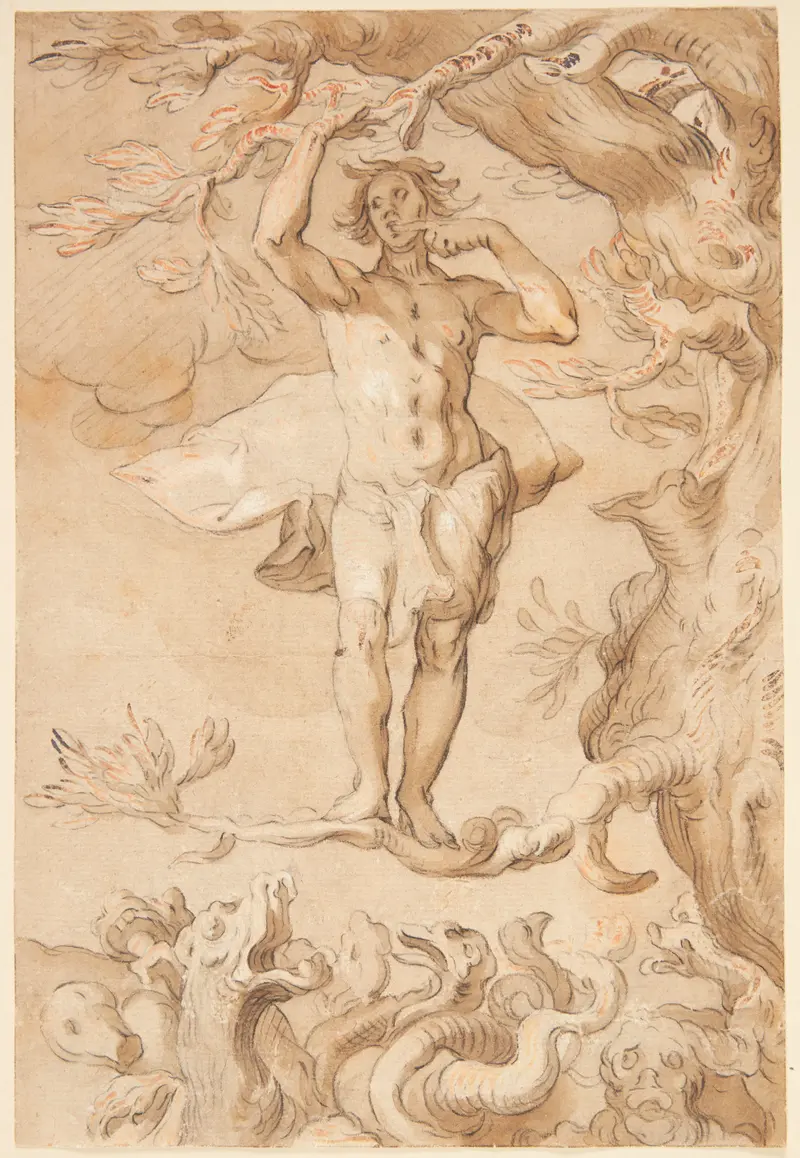
Den menneskelige glædes skrøbelighed En mand, der jages af en drage, klynger sig til en gren, mens han slikker honning af sin finger
Abraham Bloemaert

Moses Striking the Rock
Abraham Bloemaert
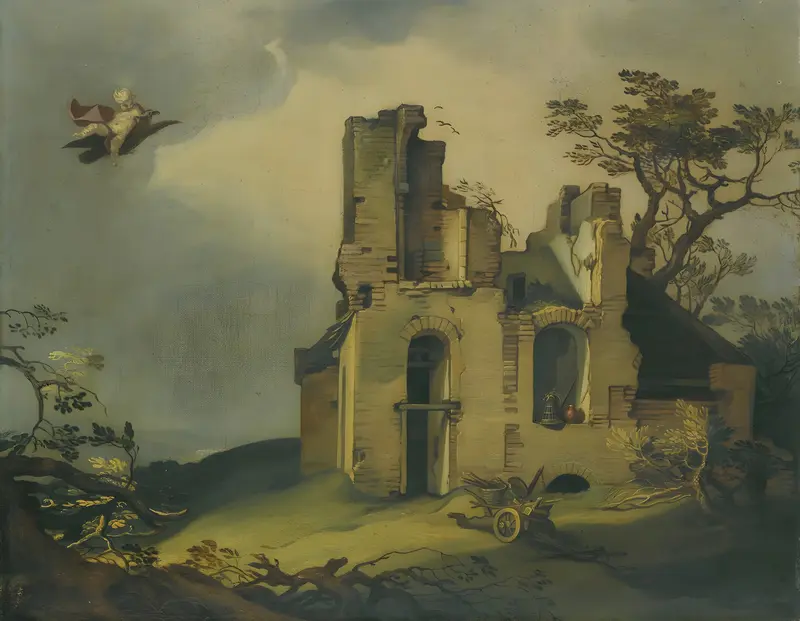
A Landscape With Ruins, With The Rape Of Ganymede
Abraham Bloemaert





