
The Calling of Saints Peter and Andrew — History & Facts
No other known painting by Caravaggio has been so persistently shrouded in mystery as The Calling of Saints Peter and Andrew. The work’s date and original commission remain unknown, and for centuries its very attribution was doubted, with scholars only gradually agreeing on its authorship in the late twentieth century. Unlike The Calling of Saint Matthew, which is securely documented, this painting surfaced in the historical record much later, sparking debates about its place in Caravaggio’s development and whether it was intended for private devotion or public display. At the heart of the scene, Christ stands at the edge of the Sea of Galilee, his hand extended toward two fishermen—Simon Peter and Andrew—who pause in the act of casting their nets.
The moment is charged with suddenness: Peter, still gripping the coarse rope, turns in surprise, while Andrew’s body twists, torn between his daily labor and the call. Caravaggio’s signature use of light slices through the gloom, illuminating the faces and hands, and casting the figures in sharp relief against the darkness—a visual metaphor for spiritual awakening. Unlike the grand, crowded compositions of Raphael or Domenichino, here the drama is intimate, the miracle unfolding in the ordinary world of work and fatigue. The painting’s early history is largely undocumented, and it is not clear for whom Caravaggio painted it or how it survived the turbulent years of his Roman period.
It has passed through private collections, often misattributed or overlooked, before its reemergence and acceptance into the artist’s canon. Today, The Calling of Saints Peter and Andrew is recognized as a key example of Caravaggio’s revolutionary approach to sacred narrative: bringing the divine into the realm of the everyday. Its uncertain origins only add to its fascination, inviting viewers to ponder both the mystery of its making and the moment of decision it so vividly captures.
More Artworks by Caravaggio
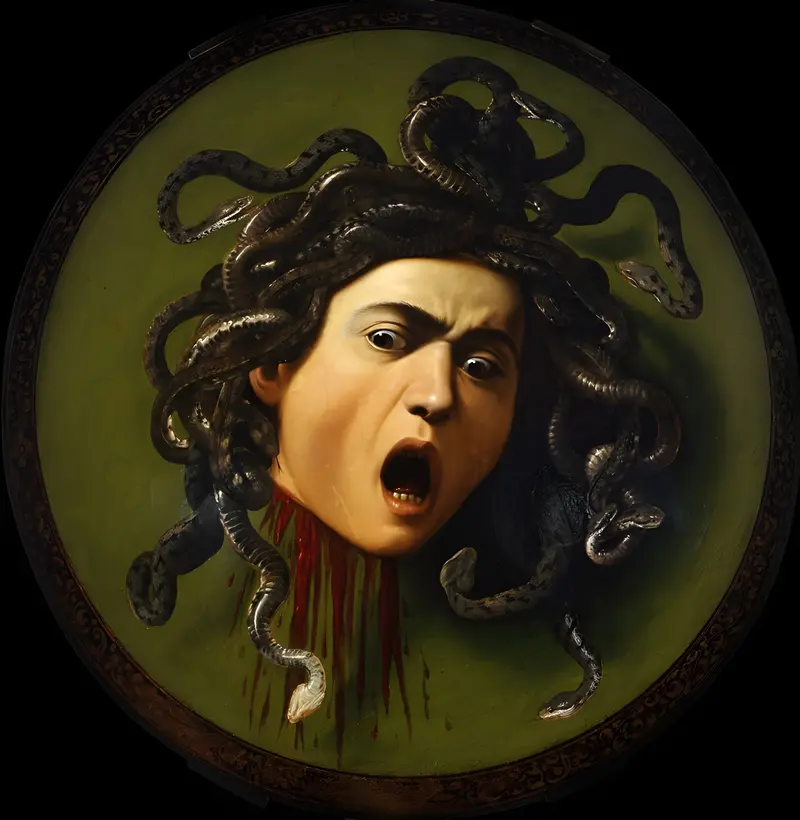
Medusa
Caravaggio
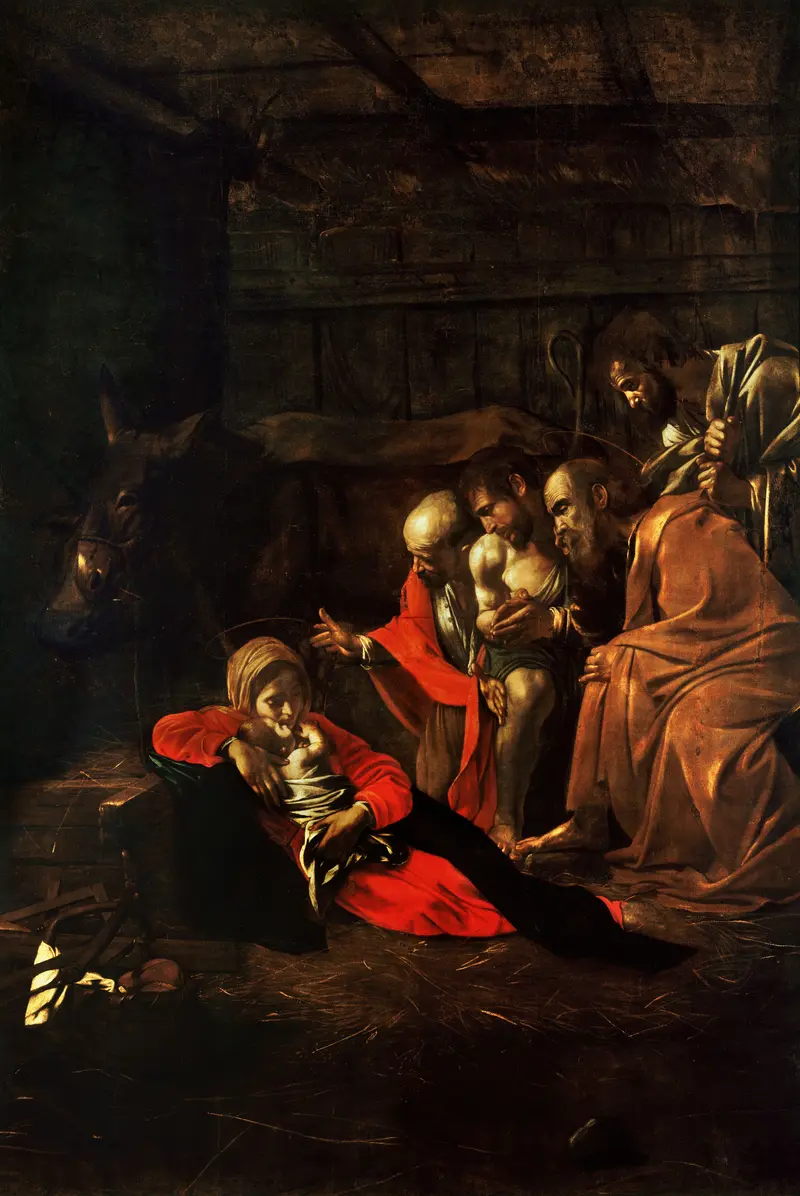
Adoration of the Shepherds
Caravaggio
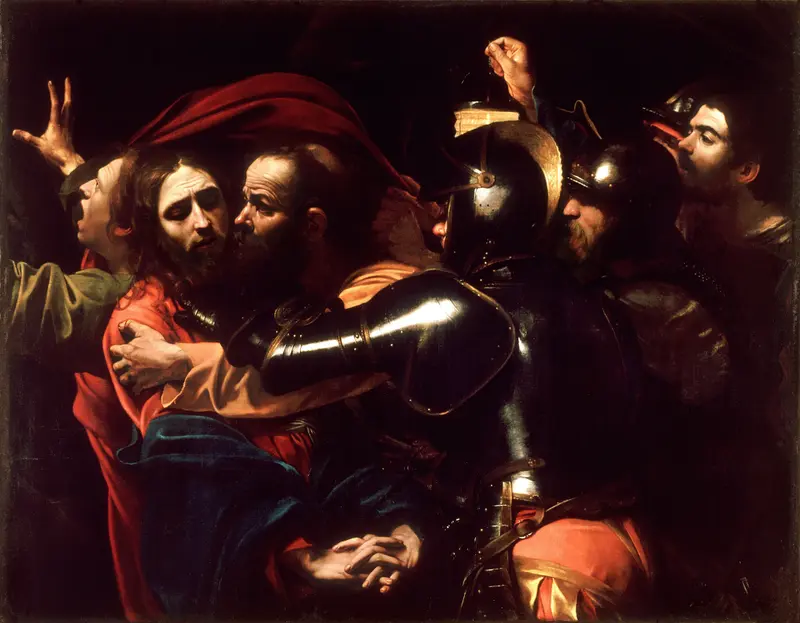
The Taking of Christ
Caravaggio
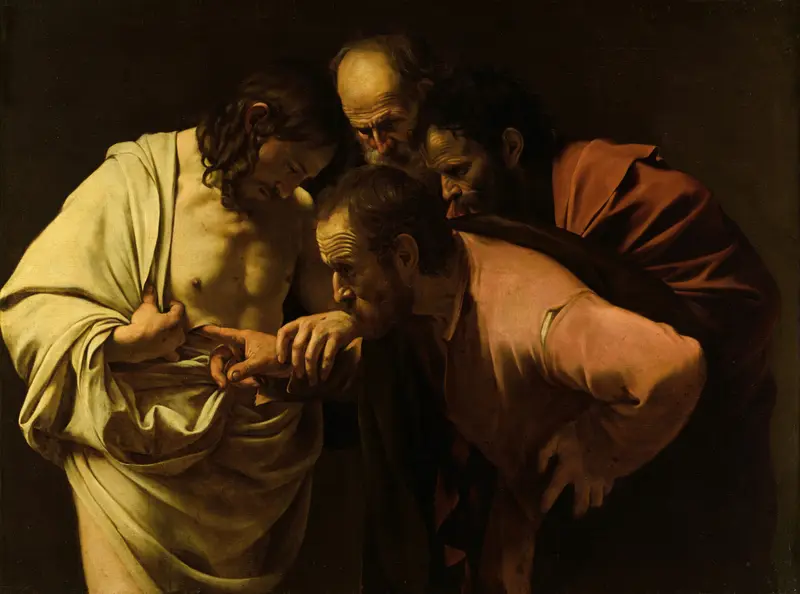
The Incredulity of Saint Thomas
Caravaggio
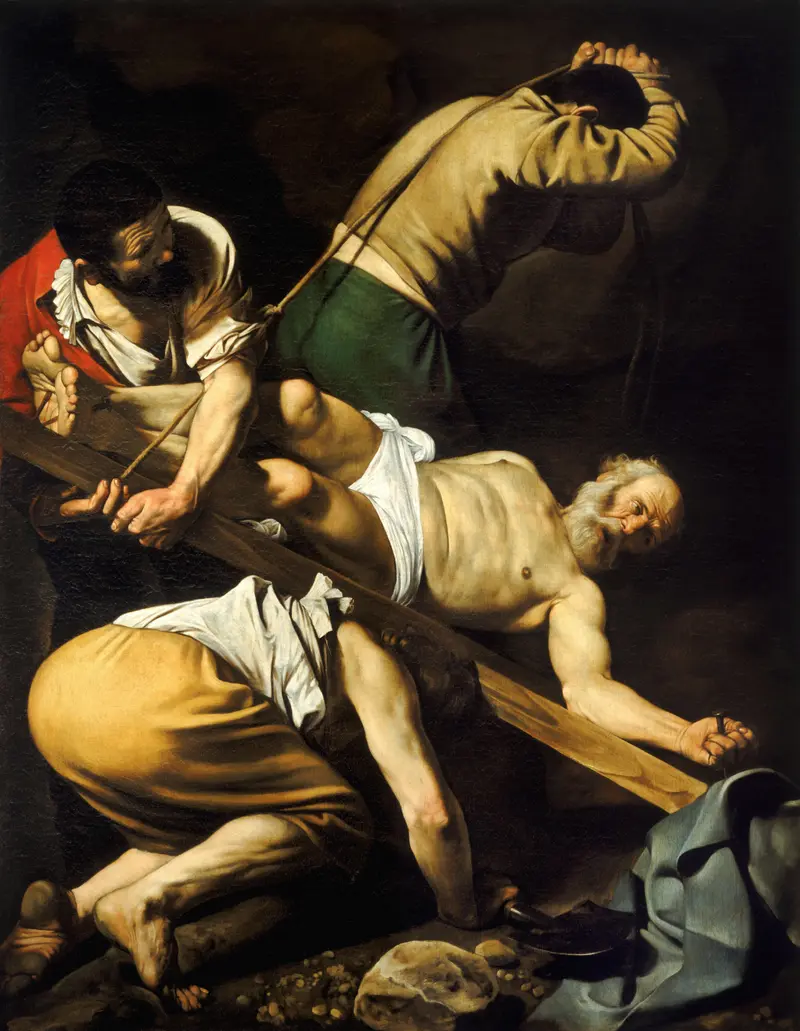
Crucifixion of Saint Peter
Caravaggio
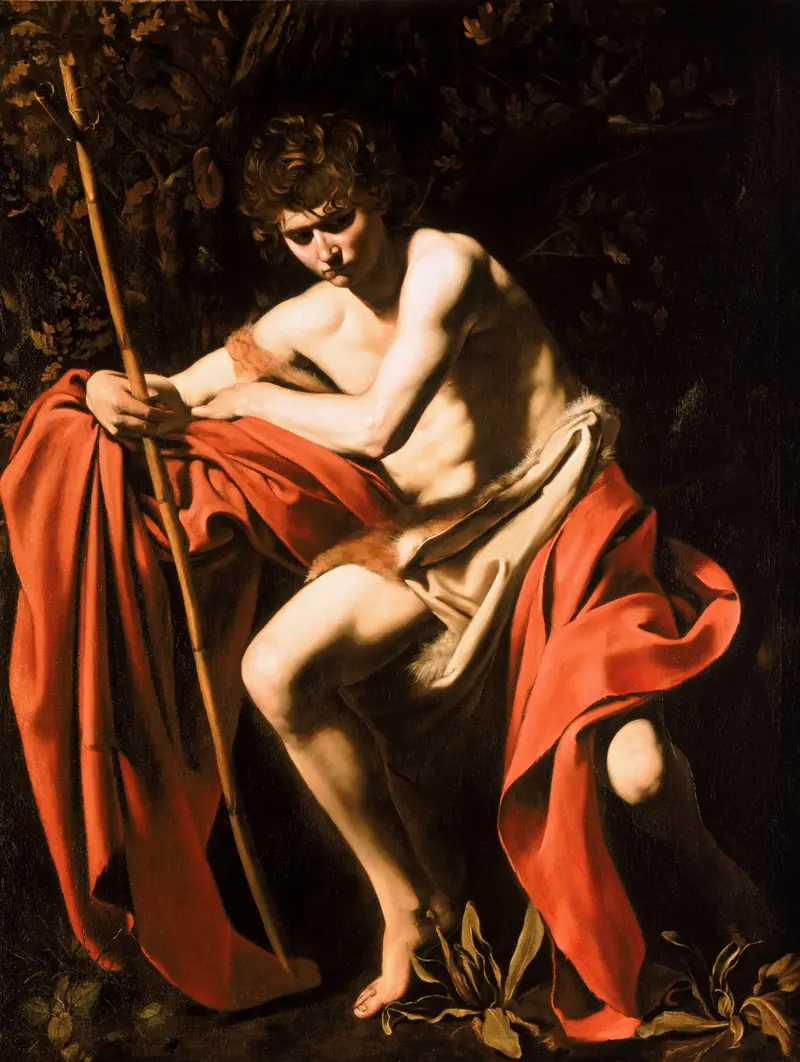
Saint John The Baptist In The Wilderness
Caravaggio

Saint Matthew and the angel
Caravaggio
The Inspiration of Saint Matthew
Caravaggio

Conversion on the Way to Damascus
Caravaggio
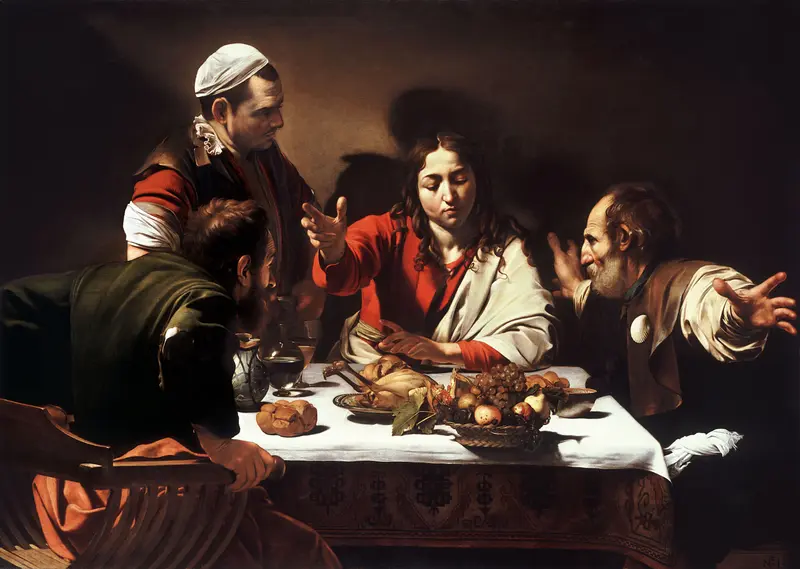
Supper at Emmaus
Caravaggio





