
The Cat Club — History & Facts
What first catches the eye in The Cat Club is the riotous sense of community: cats, dozens of them, are not just gathered but completely absorbed in the rituals of a Victorian afternoon. Some sip tea at dainty tables, tails curled with the poise of seasoned socialites; others, in the background, play a lively game of cricket, their striped and spotted bodies caught mid-leap or mid-swing. The scene is alive with movement and mischief—one cat tumbles from a branch, another gestures in triumph with a bat—while a cluster of spectators perches on tree limbs marked “Stalls,” as if the whole park has been transformed into a theatre for feline society.
The artist’s pen lines are brisk and playful, giving each figure a distinct personality, and the lightness of the palette keeps the mood buoyant, inviting the viewer to linger over every comic detail. This work springs from the world of late nineteenth- and early twentieth-century England, when Louis Wain became famous for his anthropomorphic cats—creatures who mirrored the habits, amusements, and anxieties of their human counterparts. Wain’s illustrations were beloved in their time, appearing in books and magazines, and often commissioned to amuse and comfort. The date and medium of this particular drawing remain unknown, and it survives as a copy from an art book, a reminder of how many such images circulated beyond the original.
History has kept few traces of the individual journeys of works like this, but the spirit of the era—its appetite for whimsy, its fascination with both animals and social ritual—lives on in every tea cup, cricket bat, and twitching tail. Look again, and you may find yourself drawn into the club.
More Artworks by Louis Wain
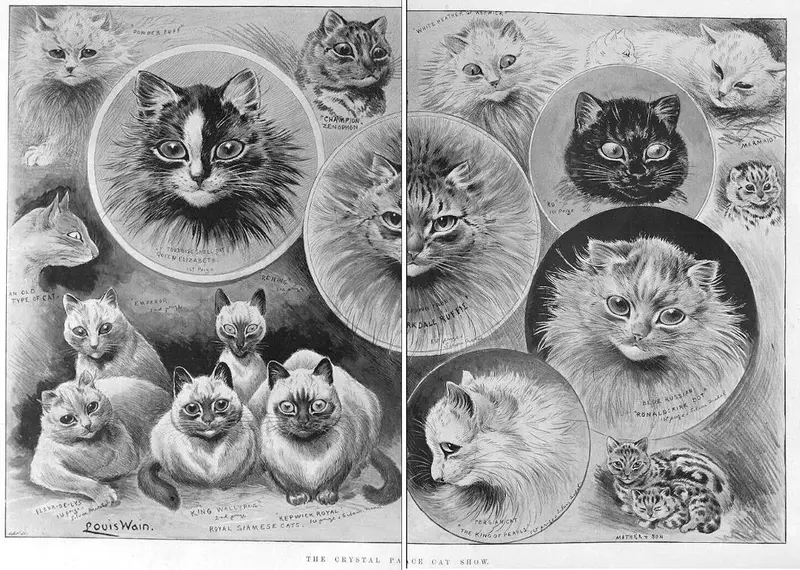
The Crystal Palace Cat Show
Louis Wain

Cats' Christmas
Louis Wain
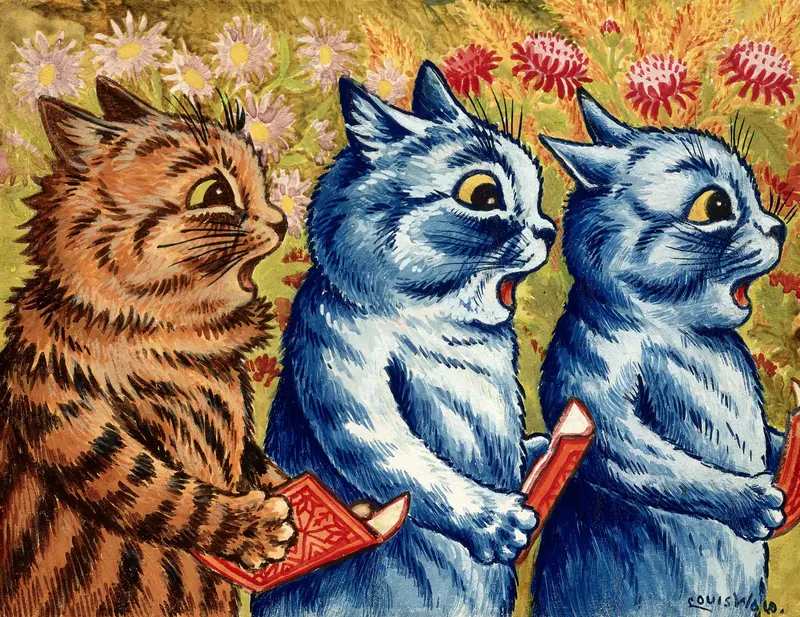
Three Cats Singing
Louis Wain
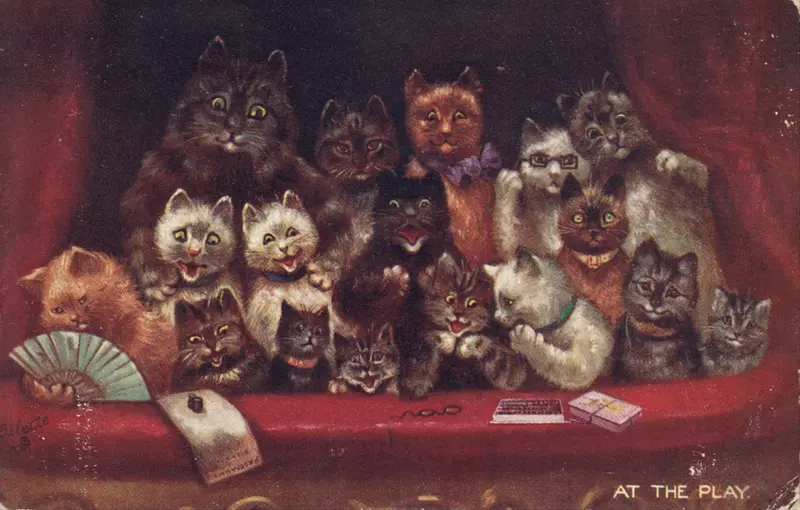
Cats at the Play
Louis Wain
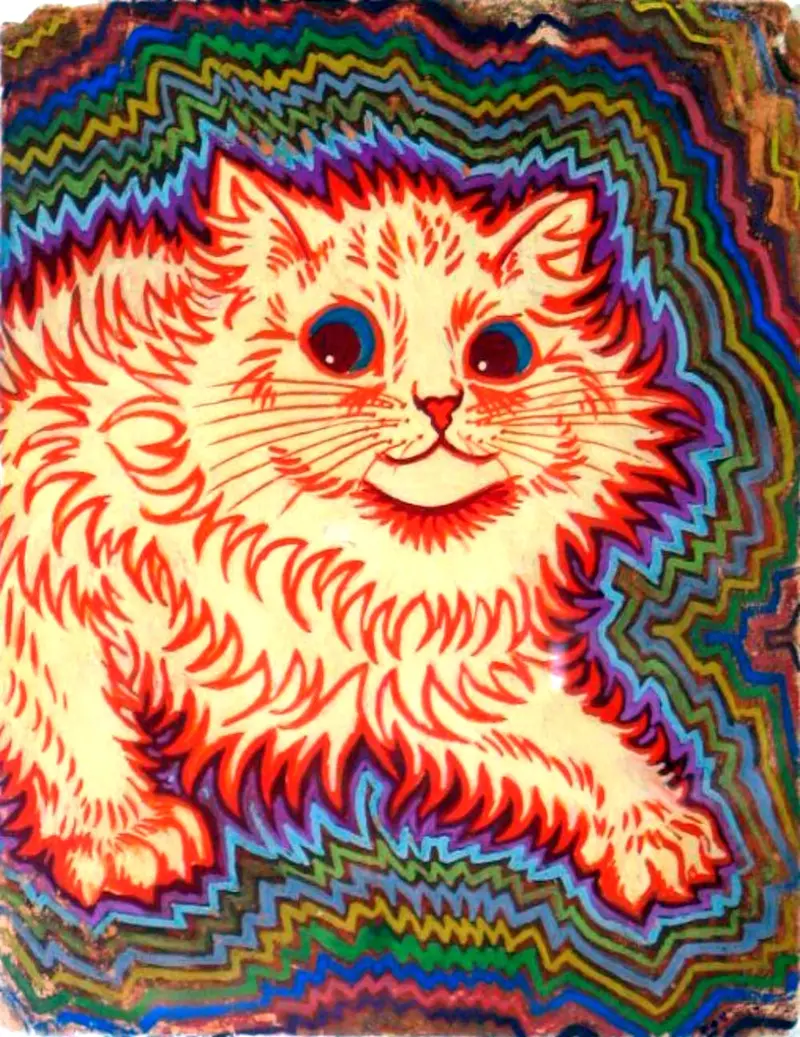
Psychedelic Cat
Louis Wain
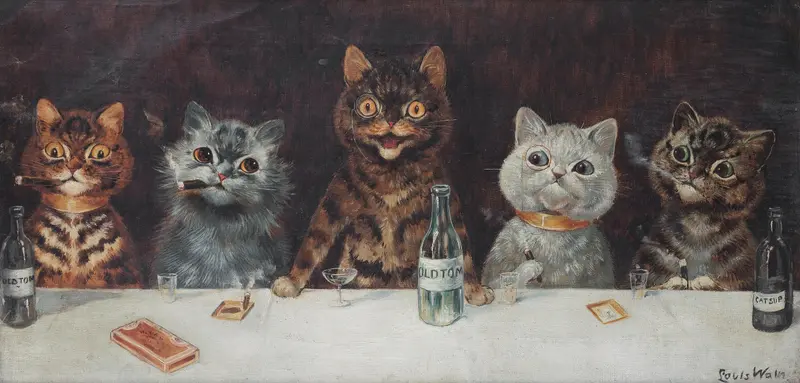
The Bachelor Party
Louis Wain
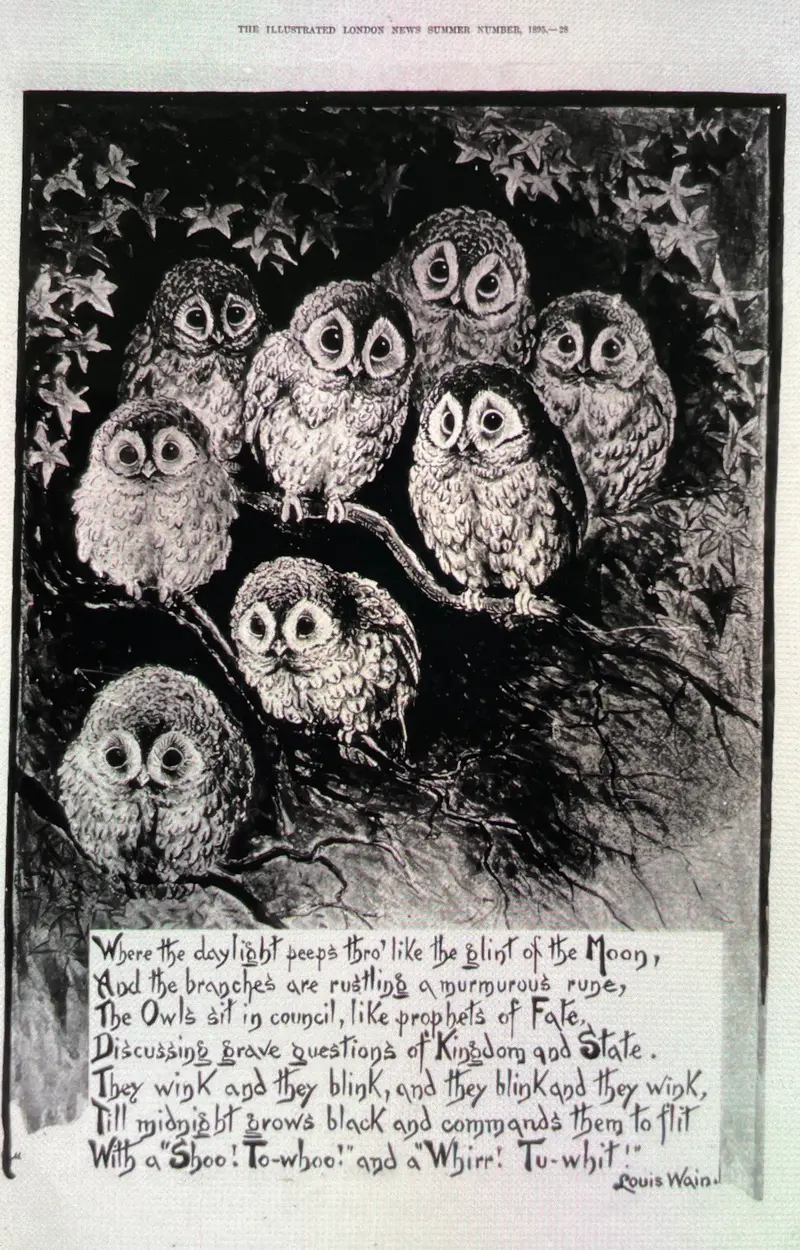
Owls
Louis Wain
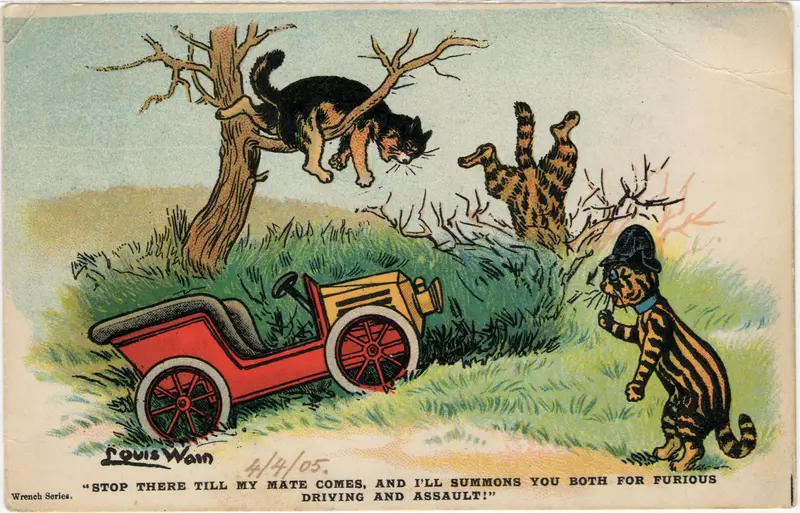
The Cat Car Crash
Louis Wain
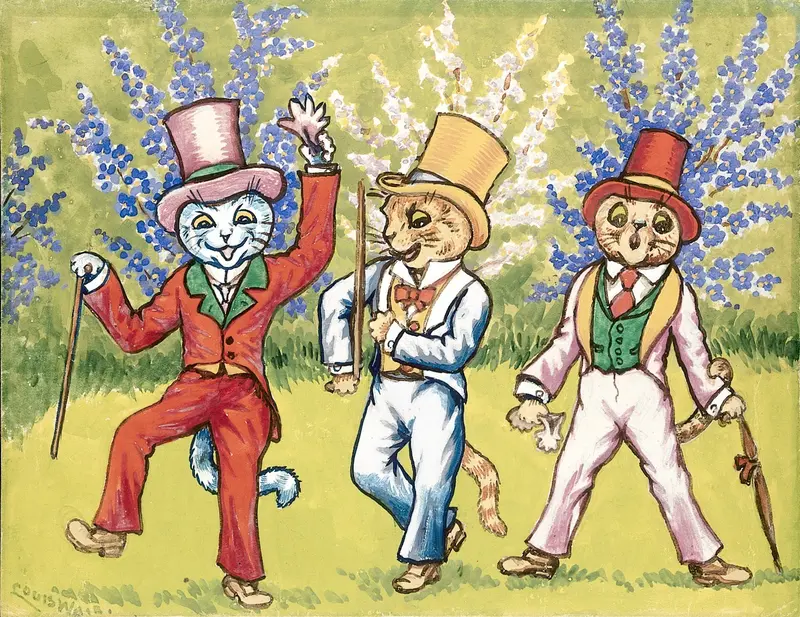
Three Cats Performing a Song and Dance
Louis Wain
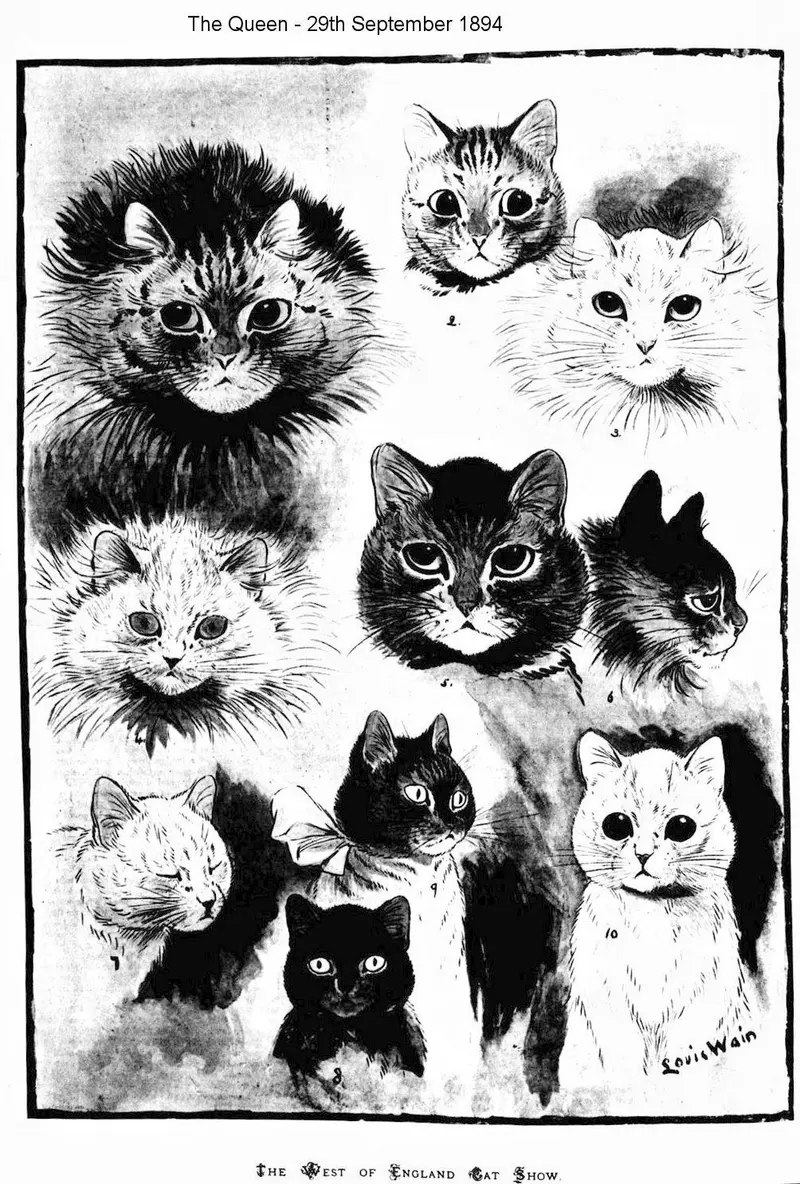
Poster for the National Cat Show, 1894
Louis Wain
More Genre Scene Art

Banquet of the Officers of the St George Civic Guard
Frans Hals

Rembrandt and Saskia in the Scene of the Prodigal Son
Rembrandt van Rijn

Bal du moulin de la Galette
Pierre-Auguste Renoir

Quadrille at the Moulin Rouge
Henri de Toulouse-Lautrec

A Burial at Ornans
Gustave Courbet

When Will You Marry?
Paul Gauguin