
The Children of Gabriel Thomas — History & Facts
What draws the eye first in The Children of Gabriel Thomas is the quiet tension between the two children and the dog, a triangle of gazes and postures that seems to hold a silent conversation. The girl in her coral dress sits with hands folded, her face turned toward the viewer but her eyes drifting elsewhere, as if lost in thought. Beside her stands a boy in a sailor suit, his stance protective yet uncertain, while the dog’s upward gaze suggests a gentle plea for attention or affection.
The brushwork is loose and vibrant, especially in the background, where dappled light and quick strokes suggest a curtain or wall alive with color, setting the children’s stillness in relief. Morisot’s palette, with its warm pinks and cool blues, creates a sense of intimacy and fleeting childhood calm. Painted in 1894, this work belongs to a period when Berthe Morisot was celebrated for her sensitive portrayals of domestic life and childhood. In the closing years of the nineteenth century, such scenes were both a reflection of bourgeois ideals and a subtle assertion of the artist’s own place in a male-dominated art world.
The Musée d'Orsay now houses this painting, a reminder of how Impressionism, once controversial, became the language for capturing the everyday with immediacy and tenderness. The world that produced this image was changing rapidly, and Morisot’s brush preserves a moment of stillness amid that transformation—look again, and you may catch the fleeting sense of a memory being made.
More Artworks by Berthe Morisot

The Harbor at Lorient
Berthe Morisot
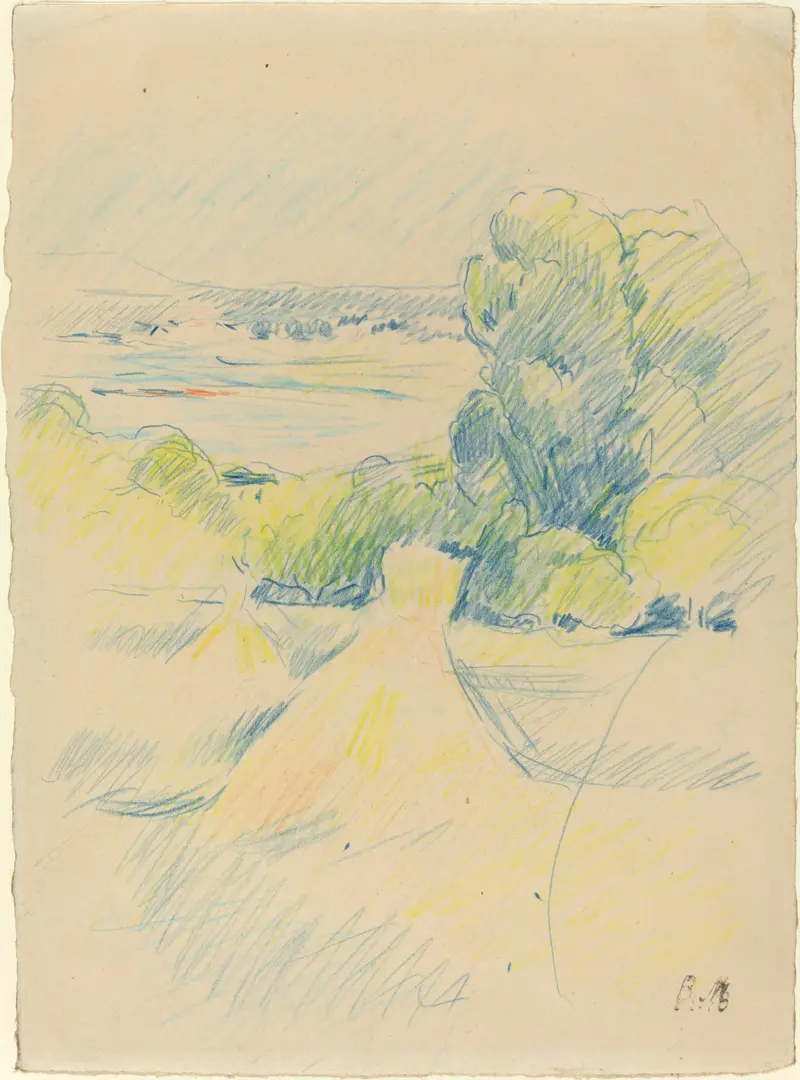
Landscape
Berthe Morisot

Hanging the Laundry out to Dry
Berthe Morisot

Woman in a Garden
Berthe Morisot

Young Girl with Hat
Berthe Morisot
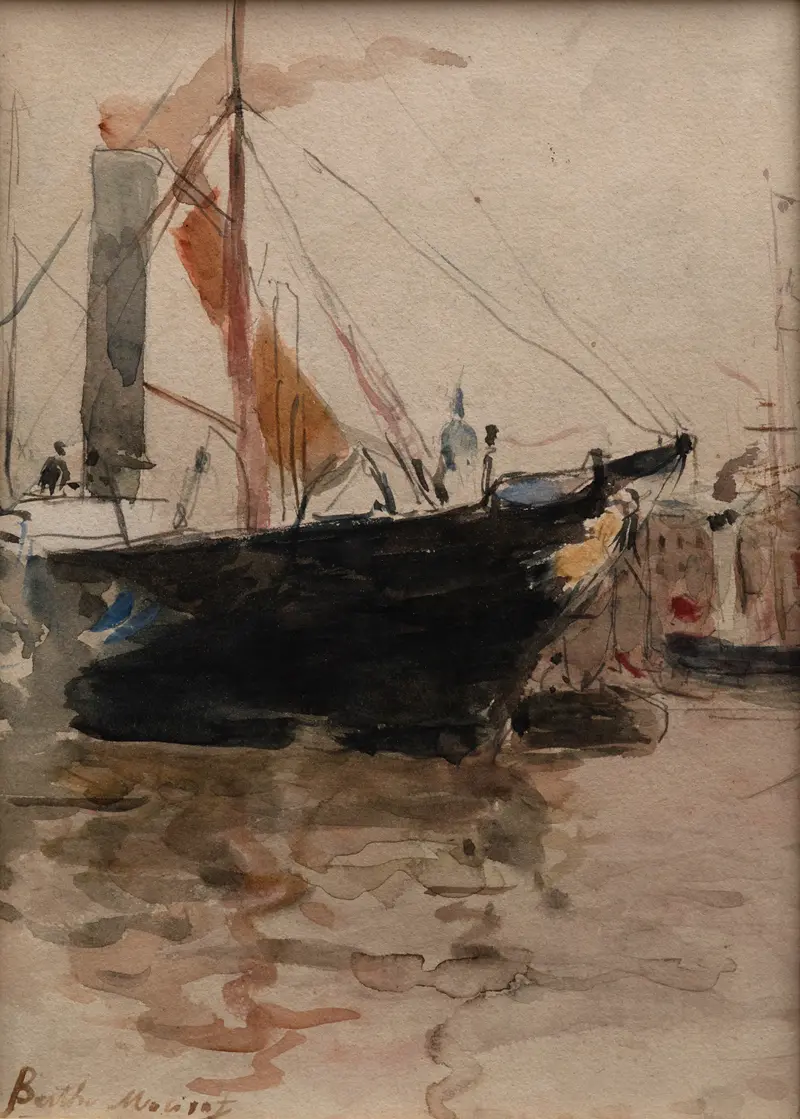
Harbor Scene, Isle of Wight
Berthe Morisot
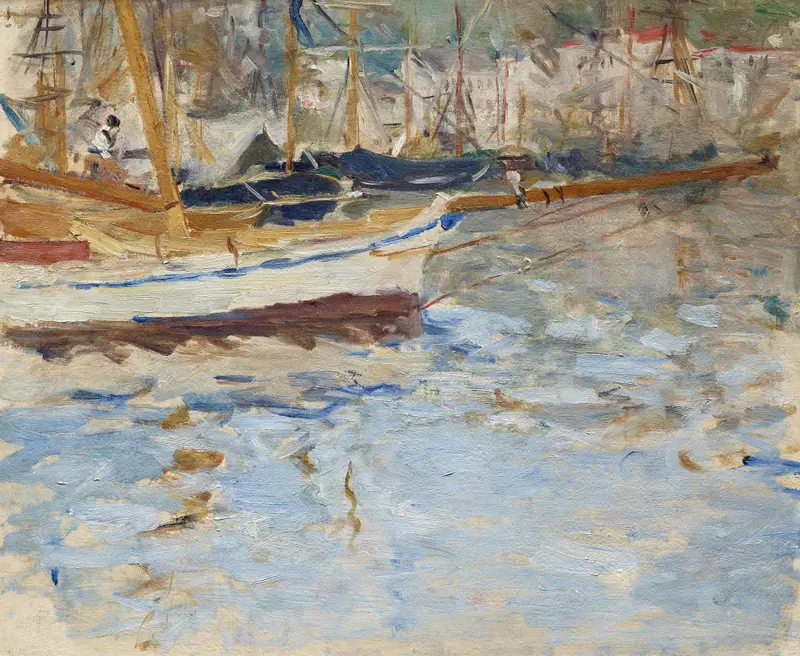
The Port of Nice
Berthe Morisot
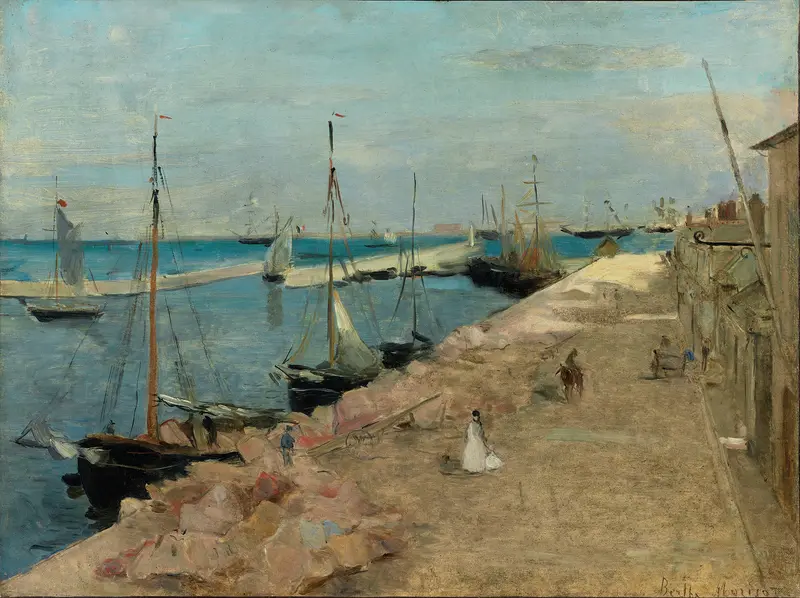
The Harbor at Cherbourg
Berthe Morisot

The Mother and Sister of the Artist
Berthe Morisot
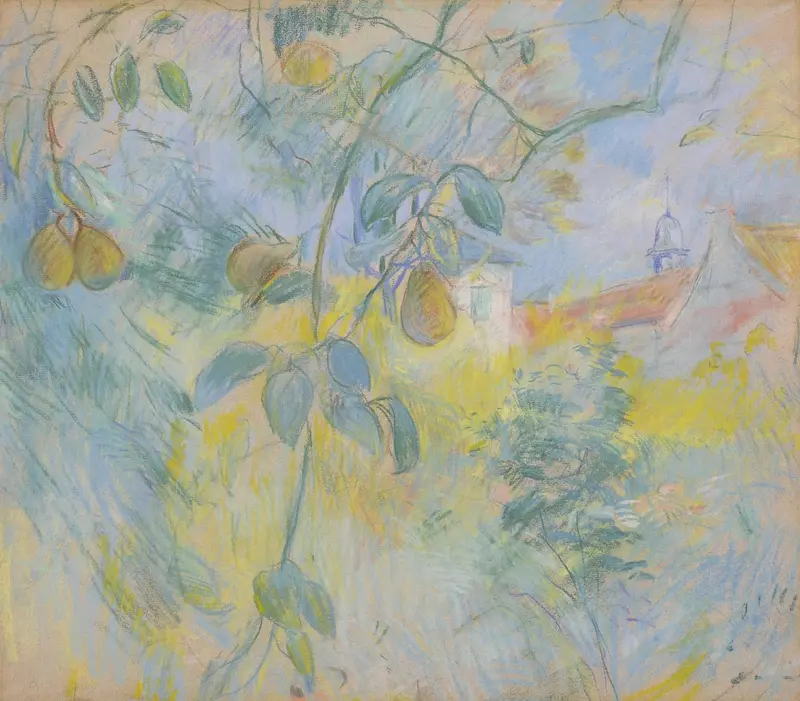
Les Poires
Berthe Morisot
More Genre Scene Art

Banquet of the Officers of the St George Civic Guard
Frans Hals

Rembrandt and Saskia in the Scene of the Prodigal Son
Rembrandt van Rijn

Bal du moulin de la Galette
Pierre-Auguste Renoir

Quadrille at the Moulin Rouge
Henri de Toulouse-Lautrec

A Burial at Ornans
Gustave Courbet

When Will You Marry?
Paul Gauguin