
The Circus Parade — History & Facts
When Georges Seurat exhibited The Circus Parade in 1888, it was the first time he unveiled his fascination with the spectacle of modern city life, filtered through the lens of his radical pointillist technique. The painting captures a fleeting moment from the bustling Parisian boulevards, where traveling circuses would announce their arrival with vibrant, noisy processions. This work stands out as one of the earliest large-scale attempts to translate the ephemeral excitement of such an event into the language of color dots and systematic brushwork, a method that would later define the Neo-Impressionist movement. The scene unfolds at the very instant the parade passes by: a line of performers, horses, and musicians winds its way through the crowd, banners fluttering above.
Seurat’s careful arrangement of figures—each outlined in luminous, separated strokes—guides the eye from the prancing horse at the front to the musicians at the rear, capturing the rhythm and anticipation in the air. The use of pointillism here is not just a technical feat but a way to evoke the shimmer and movement of the parade, with sunlight breaking into myriad colored dots. Unlike Renoir’s soft, blended crowds in The Swing, Seurat’s figures are statuesque, almost frozen, emphasizing the constructed nature of both the spectacle and the painting itself. Although the exact medium of The Circus Parade is not firmly documented, it is most likely oil on canvas, in keeping with Seurat’s other major works of the period.
The painting’s early exhibition history is not as well recorded as that of his A Sunday Afternoon on the Island of La Grande Jatte, but it is known to have circulated among Parisian avant-garde circles, admired for its innovative technique. Today, The Circus Parade is recognized as a pivotal piece in Seurat’s brief but influential career, marking his transition from intimate studies to ambitious public scenes. Its current whereabouts are not definitively established, adding a layer of mystery to a work that already celebrates the fleeting, spectacular moments of urban life.
More Artworks by Georges Seurat
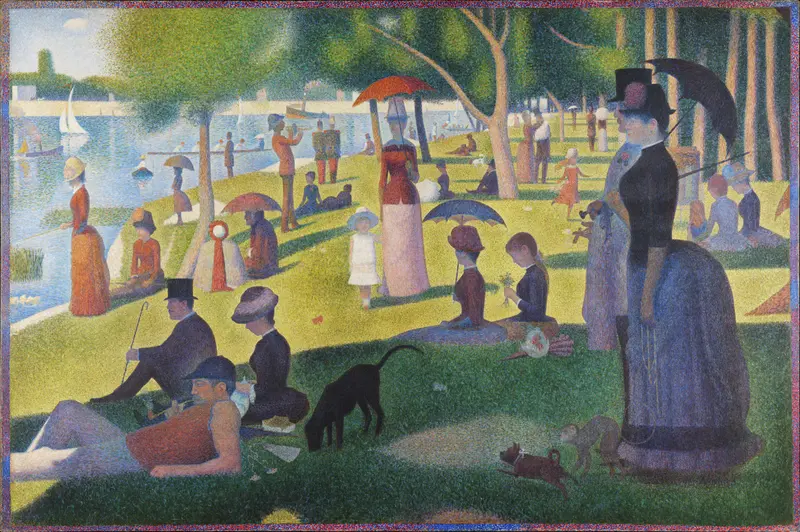
A Sunday Afternoon on the Island of La Grande Jatte
Georges Seurat
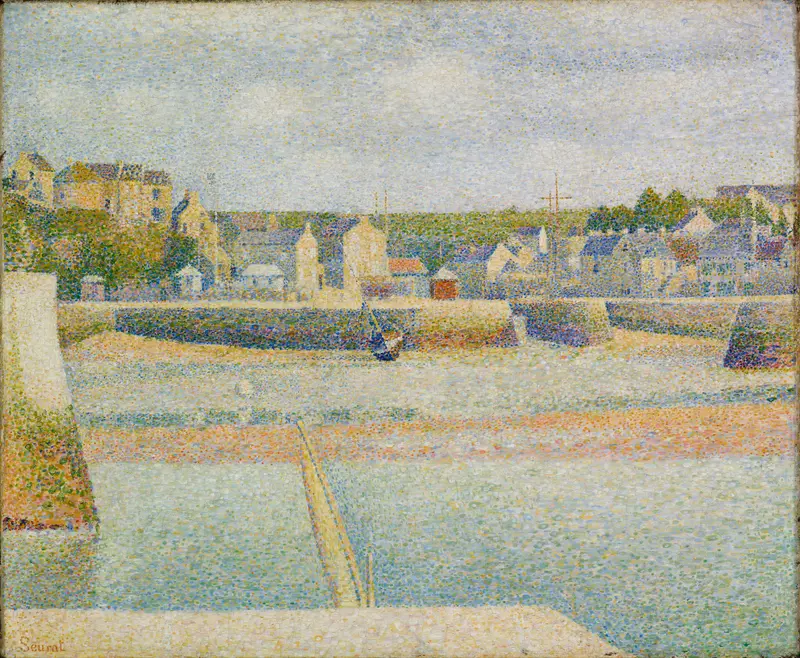
Port-en-Bessin, The Outer Harbor (Low Tide)
Georges Seurat
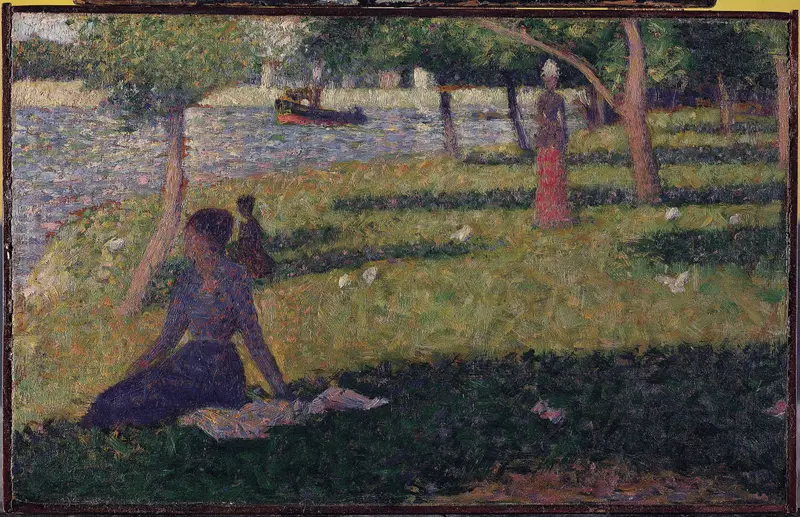
Étude pour ‘La Grande Jatte’ (Study for ‘La Grande Jatte’)
Georges Seurat
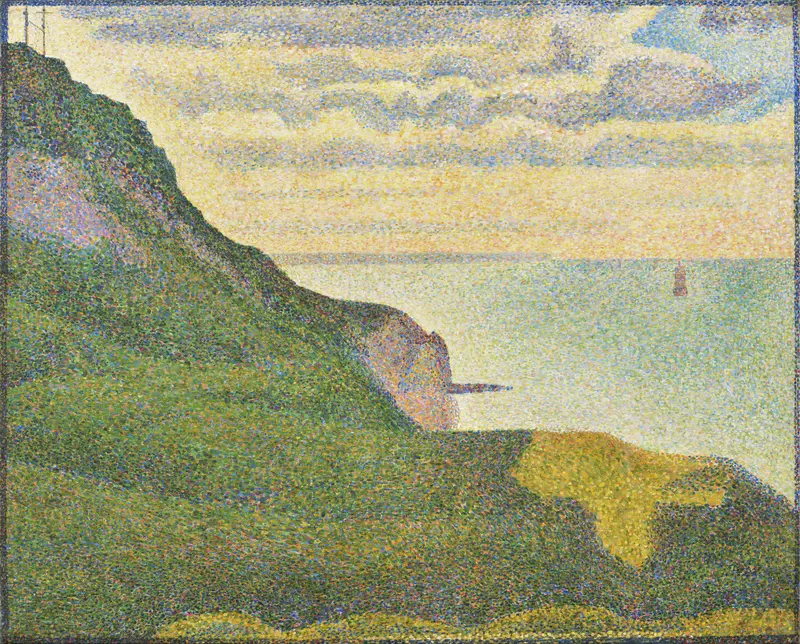
Seascape at Port-en-Bessin,Normandy
Georges Seurat
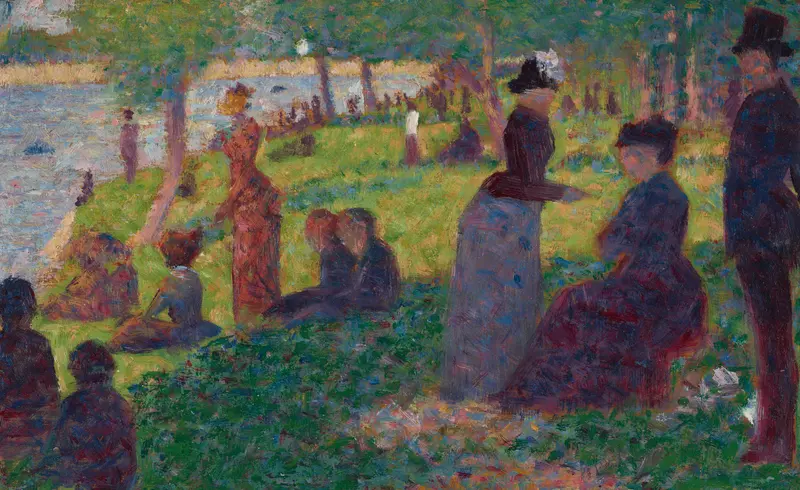
Oil Sketch for "A Sunday on La Grande Jatte — 1884"
Georges Seurat
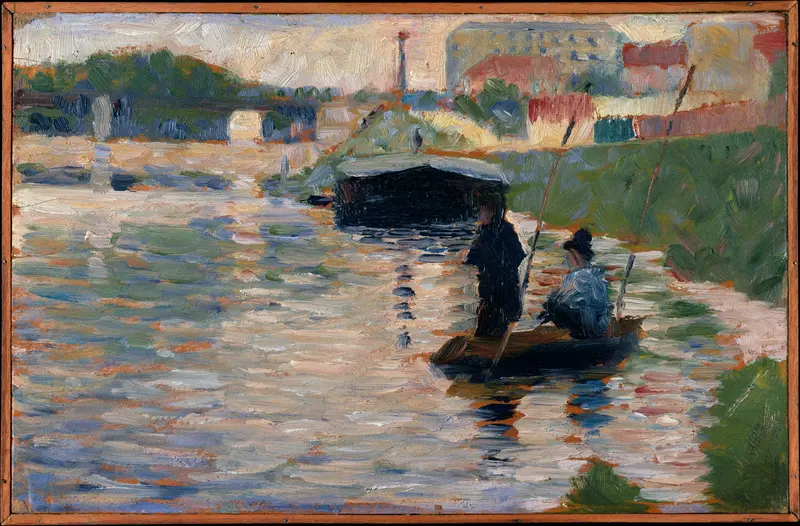
View of the Seine
Georges Seurat
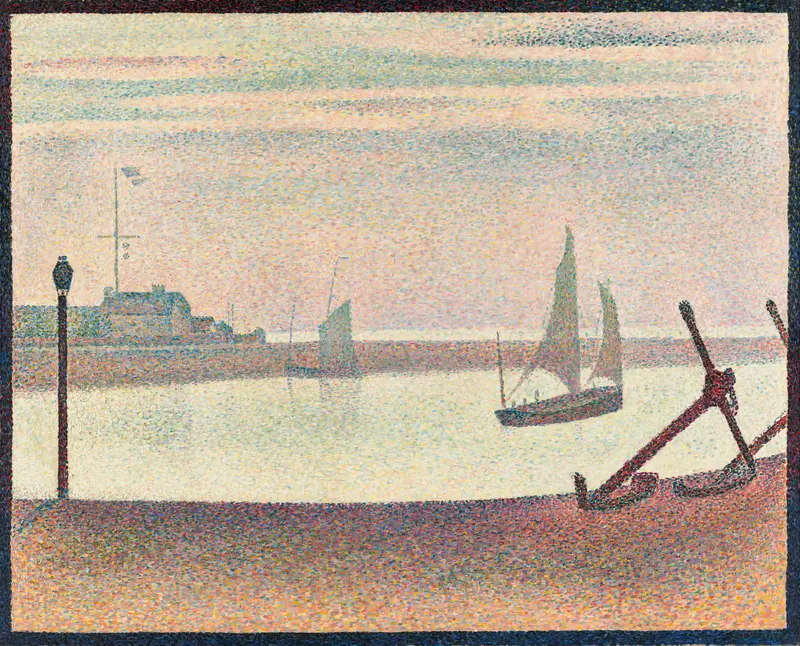
The Channel at Gravelines, Evening
Georges Seurat
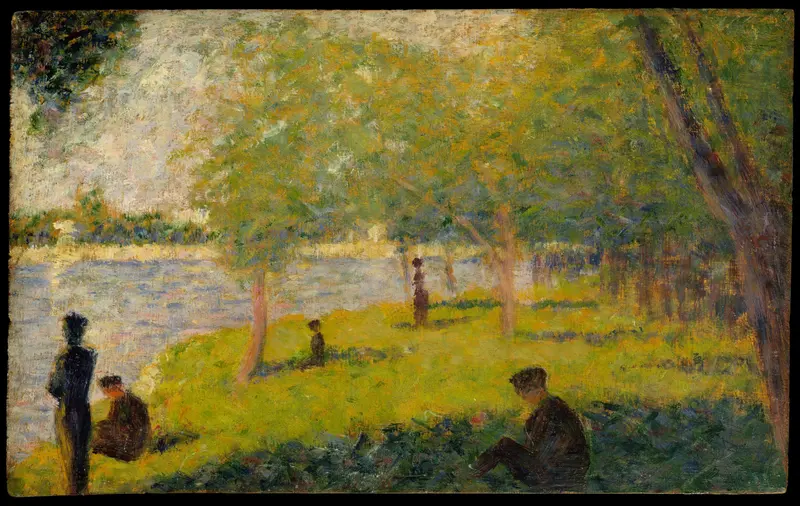
Study for ‘A Sunday on La Grande Jatte’
Georges Seurat
Study for A Sunday on La Grande Jatte
Georges Seurat
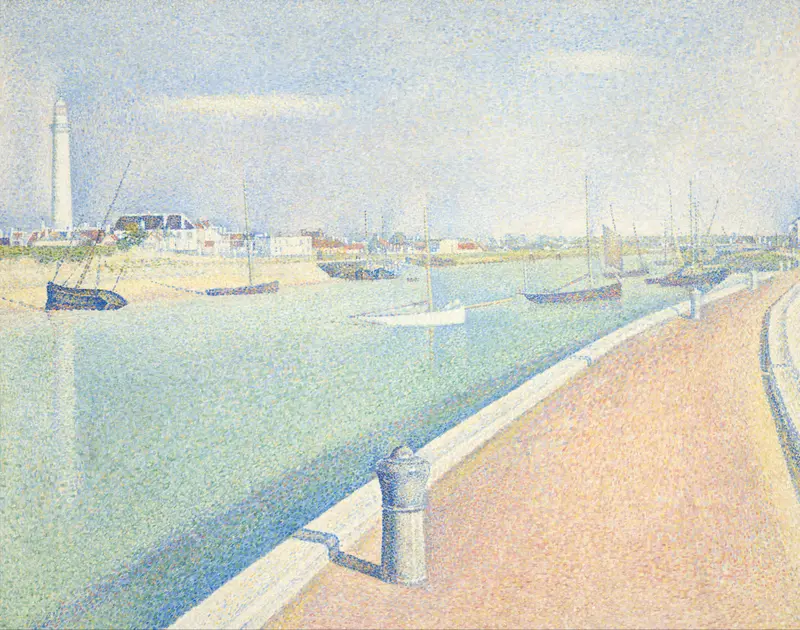
The Channel of Gravelines, Petit Fort Philippe
Georges Seurat
More Genre Scene Art

Banquet of the Officers of the St George Civic Guard
Frans Hals

Rembrandt and Saskia in the Scene of the Prodigal Son
Rembrandt van Rijn

Bal du moulin de la Galette
Pierre-Auguste Renoir

Quadrille at the Moulin Rouge
Henri de Toulouse-Lautrec

A Burial at Ornans
Gustave Courbet

When Will You Marry?
Paul Gauguin