
The Conversion of Saint Paul — History & Facts
A sudden, blinding shaft of light slices through the storm-dark sky, freezing a cavalry in chaos. Horses rear and tumble, their riders thrown to the ground, all eyes drawn upward to a radiance that seems to split the heavens open. In the center, a figure lies sprawled, arms flung wide, caught between terror and awe—his world overturned in an instant.
The painter’s hand lingers on the confusion: the twisting bodies, the startled faces, the wild, impossible movement of animals and men swept up in something far beyond themselves. The light is not gentle; it is a force that disrupts, divides, and commands attention, making the moment feel both violent and charged with possibility. Painted around 1598, this Conversion of Saint Paul by Adam Elsheimer belongs to a world where artists sought to capture the miraculous and the mysterious with new intensity. In late sixteenth-century Europe, scenes of religious transformation were in high demand, commissioned by patrons eager to display both faith and taste.
Elsheimer, working in the shadow of giants like Caravaggio, brings a northern eye for detail and a dramatic sense of movement to this biblical subject. The work now resides in the Städelsches Kunstinstitut in Frankfurt, but history has kept few traces of its early journey. What endures is the way the painting draws viewers into its whirlwind—inviting us to linger in the charged stillness after the fall, and to search the faces and gestures for the meaning of that blinding light.
More Artworks by Adam Elsheimer

Saint John the Baptist in the Wilderness
Adam Elsheimer
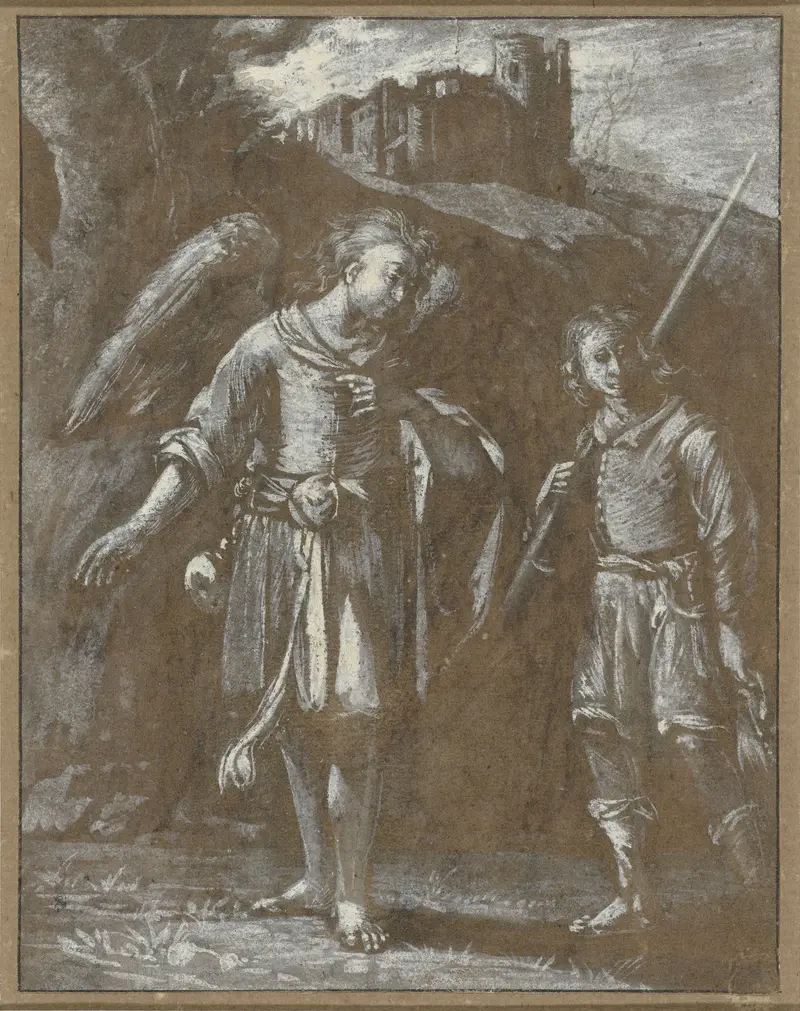
Tobias en de engel
Adam Elsheimer
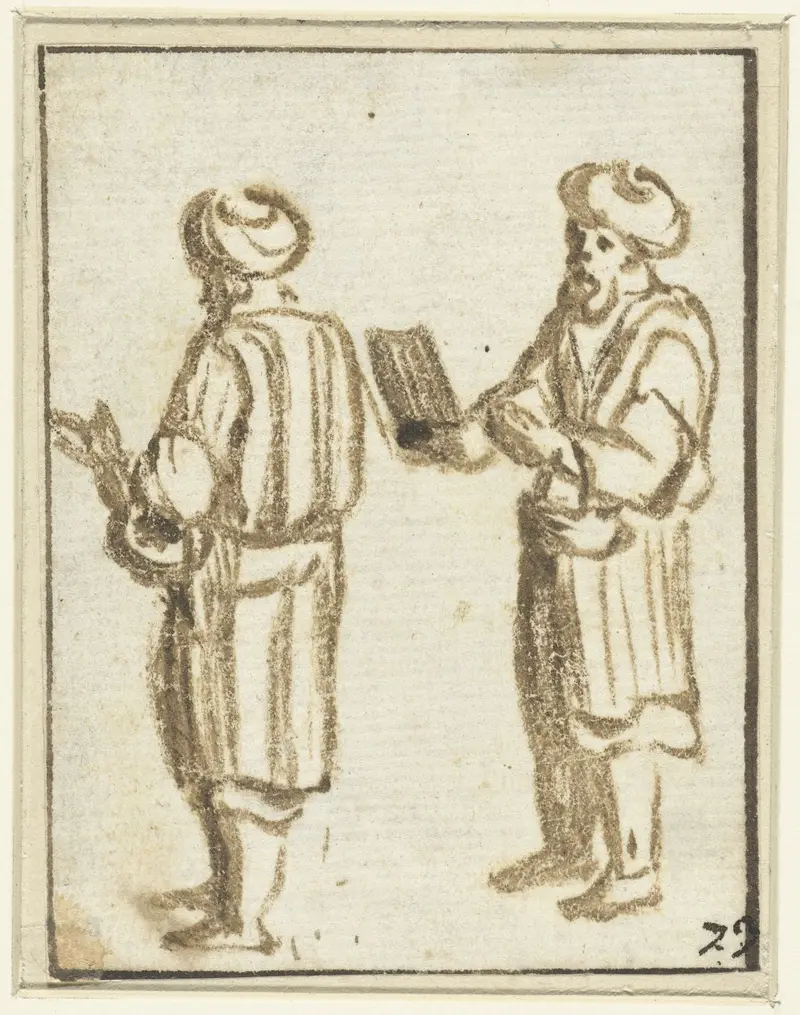
Twee staande mannen met tulbanden
Adam Elsheimer
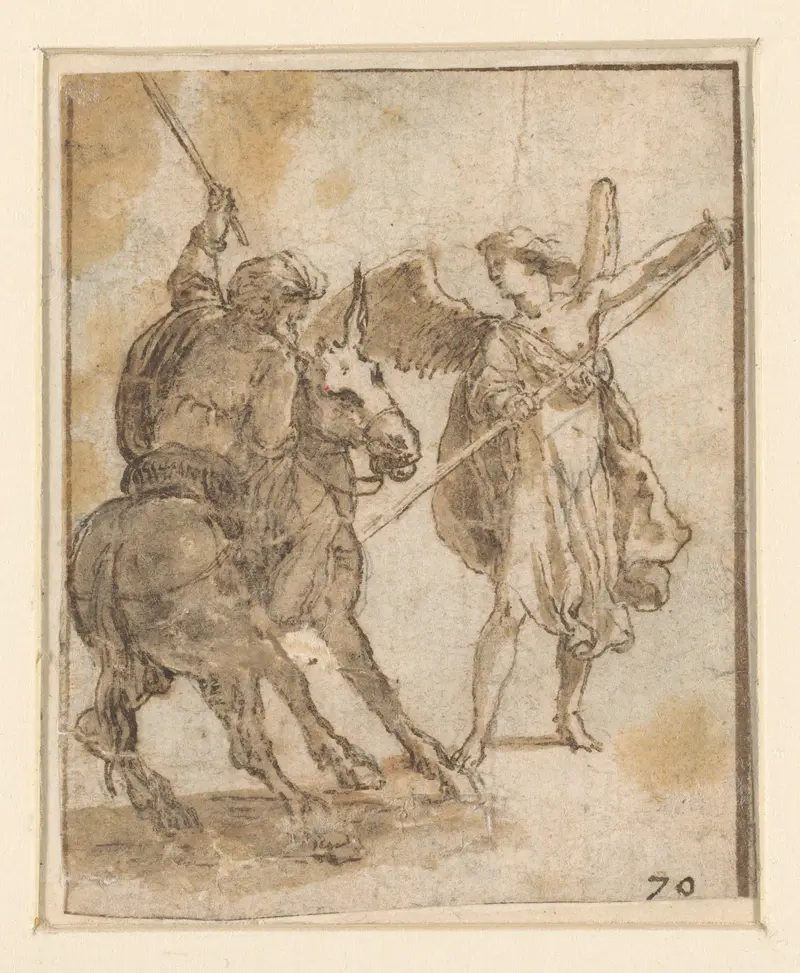
Bileam op zijn ezel ontmoet de engel
Adam Elsheimer
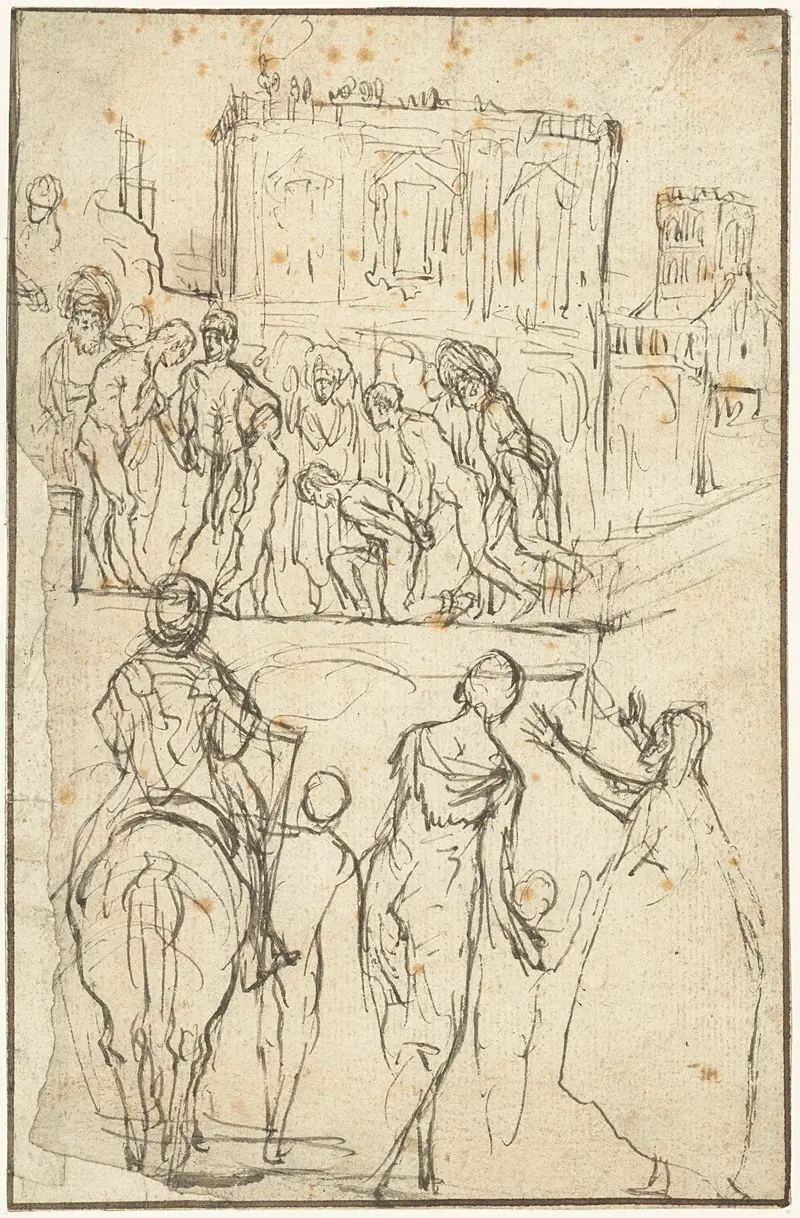
Judgement Scene with a Bound Prisoner
Adam Elsheimer
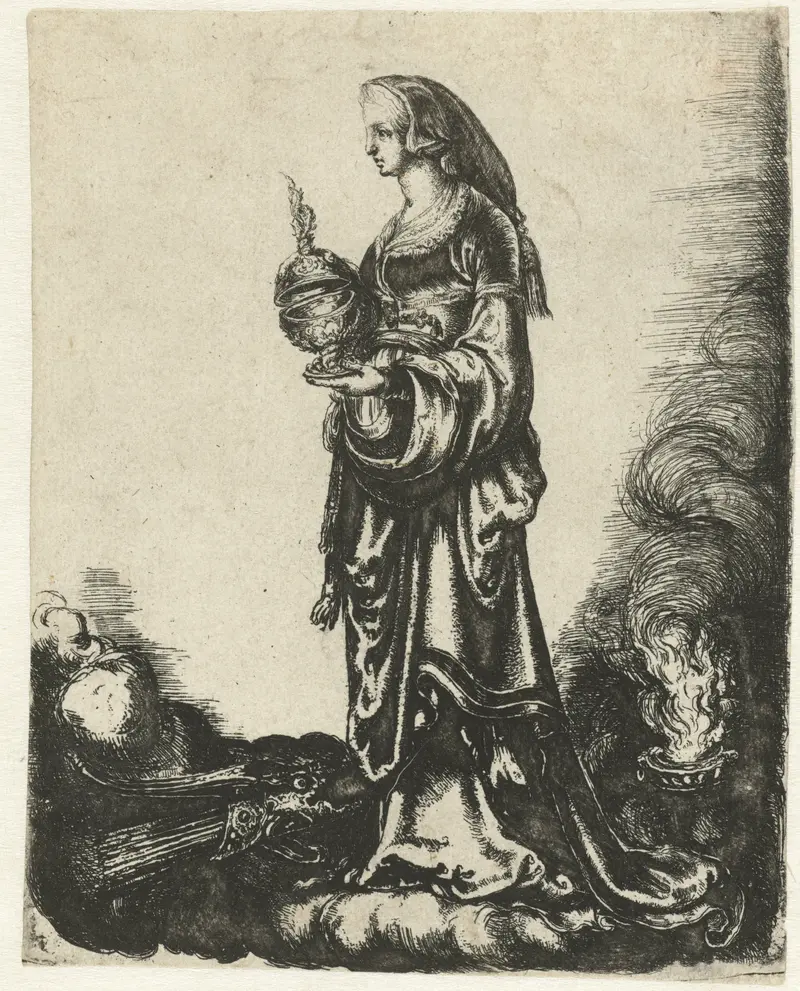
Allegorie met vrouw met beker staand op wolk
Adam Elsheimer
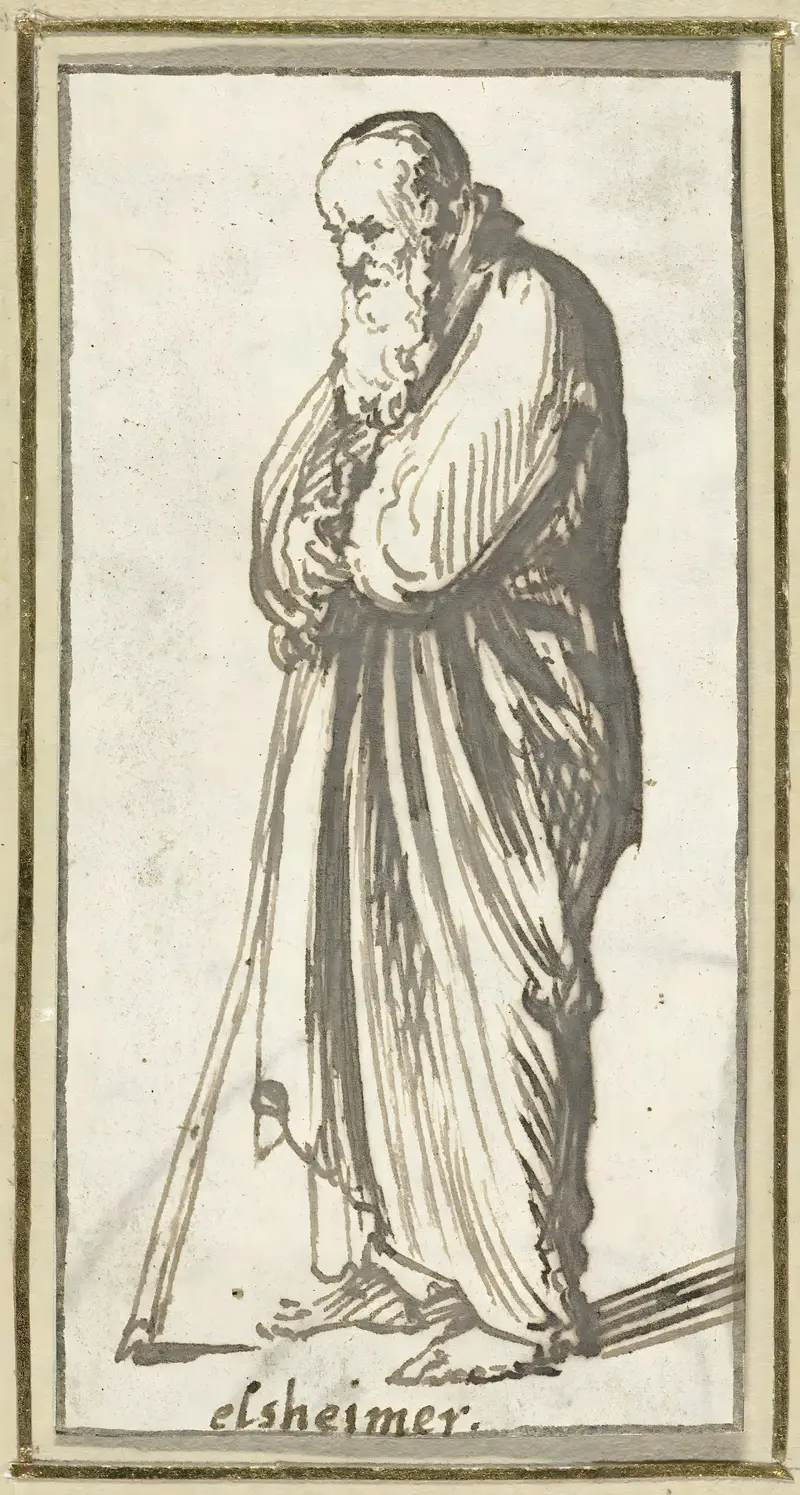
Oude man in lang gewaad
Adam Elsheimer
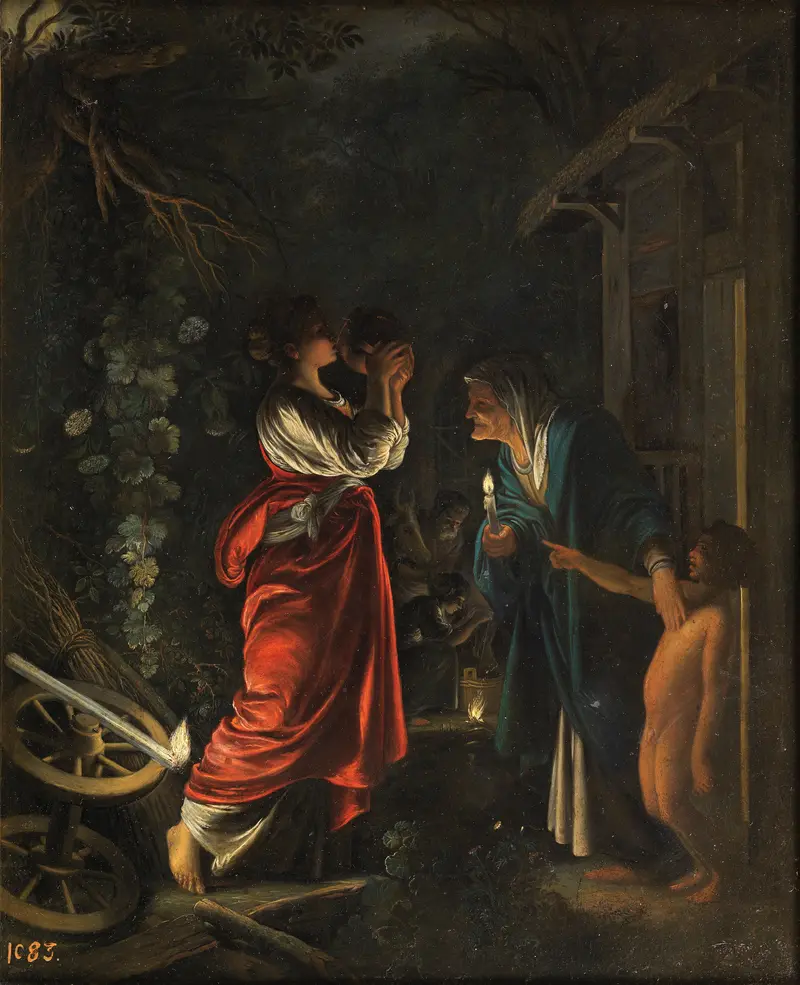
Ceres in the House of Hecuba
Adam Elsheimer
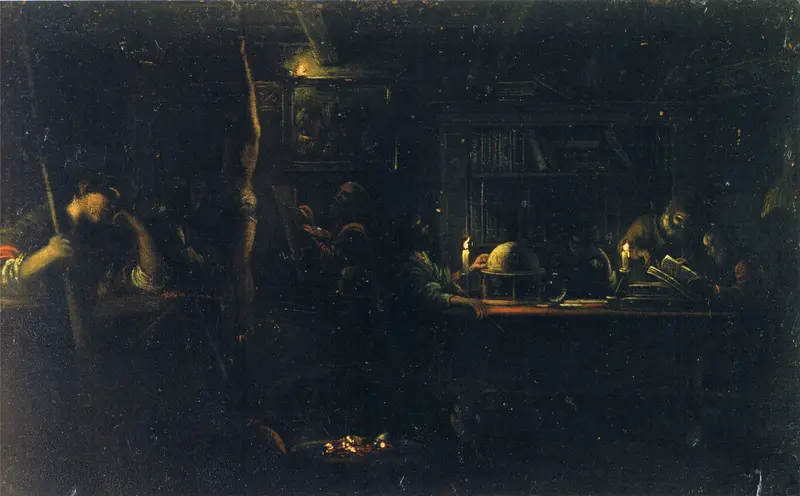
Minerva as patroness of Arts and Sciences
Adam Elsheimer
The Mocking of Ceres
Adam Elsheimer





