
The Coronation of the Virgin — History & Facts
In The Coronation of the Virgin, Giovanni Battista Tiepolo presents a vibrant scene filled with rich colors and dynamic figures. The Virgin Mary is depicted at the center, surrounded by angels and saints, all rendered in a palette of blues, golds, and whites. The setting is celestial, with a radiant sky that enhances the divine atmosphere of the moment.
The figures are arranged in a way that draws the viewer's eye towards the central act of coronation. The painting is executed in oil on canvas, a medium that allows for the brilliant colors and intricate details characteristic of Tiepolo's style. The dimensions are approximately 200 x 300 cm, making it a large-scale work that commands attention. Tiepolo's technique involves a fluid brushwork that creates a sense of movement and light, particularly in the drapery of the figures.
This work exemplifies the Rococo style, known for its ornate and theatrical qualities. Giovanni Battista Tiepolo was a prominent Italian painter of the 18th century, known for his grand frescoes and religious works. The Coronation of the Virgin is a notable example of his ability to blend narrative with a sense of grandeur. An interesting fact about this painting is that it was originally created for a church altar, highlighting its intended role in a religious context.
Tiepolo's work continues to influence artists and is celebrated for its exuberance and technical skill.
More Artworks by Giovanni Battista Tiepolo
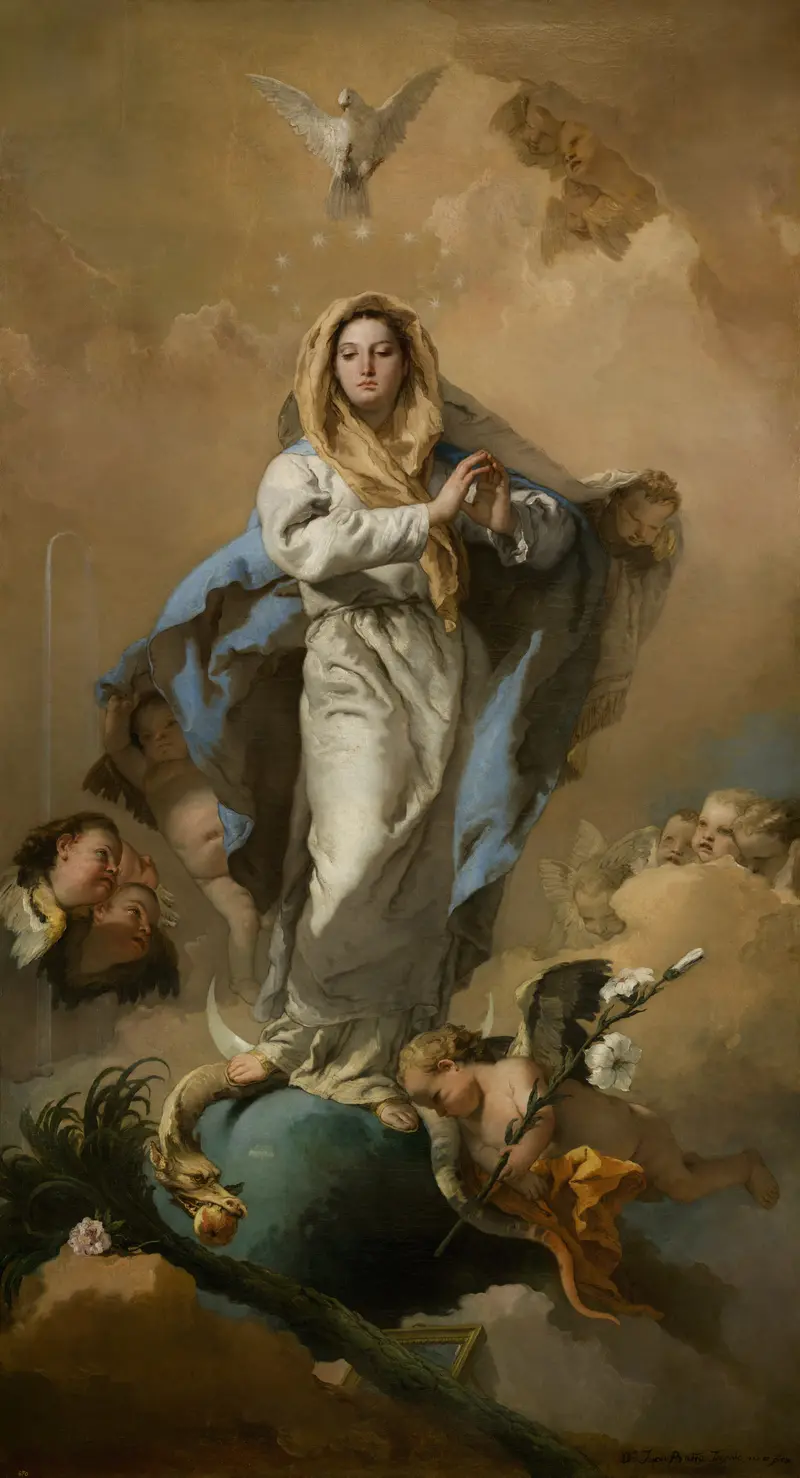
The Immaculate Conception
Giovanni Battista Tiepolo
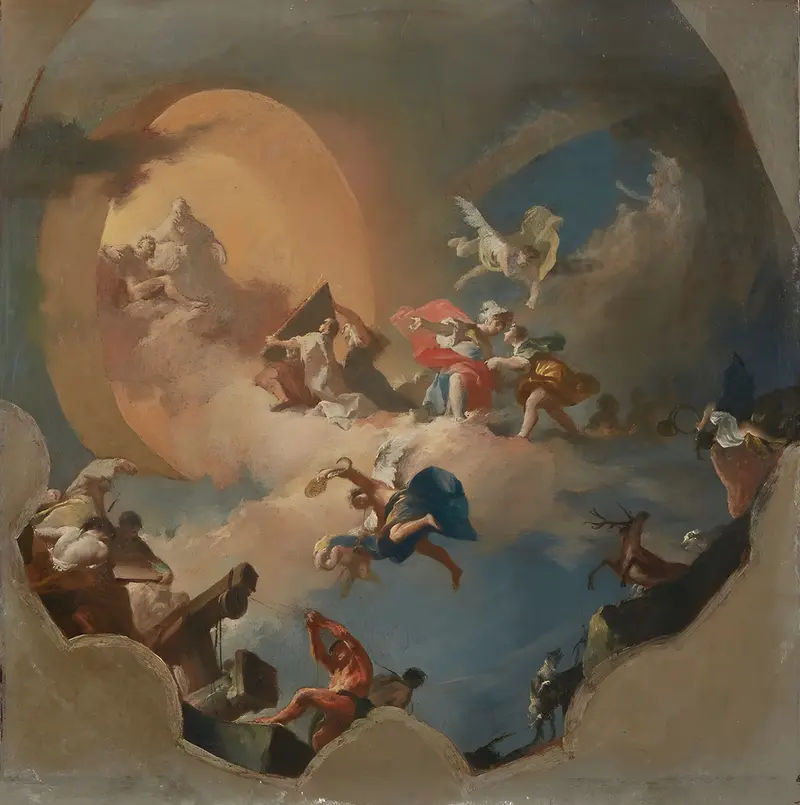
The Apotheosis of the Arts
Giovanni Battista Tiepolo
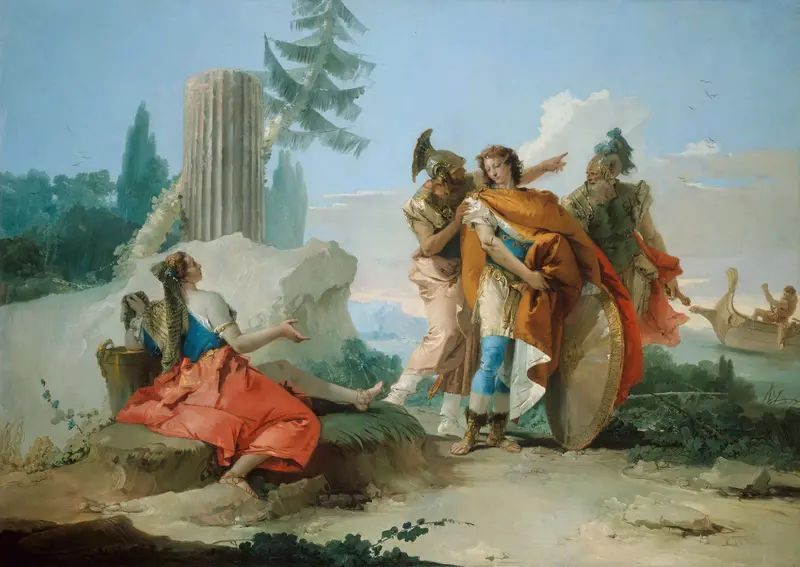
Armida Abandoned by Rinaldo
Giovanni Battista Tiepolo
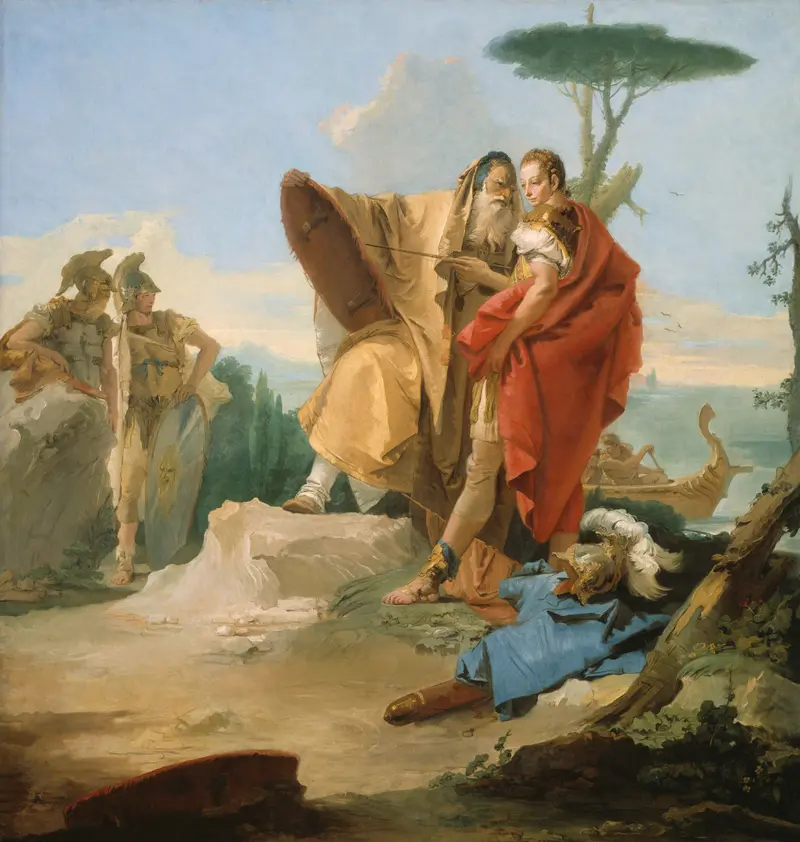
Rinaldo and the Magus of Ascalon
Giovanni Battista Tiepolo
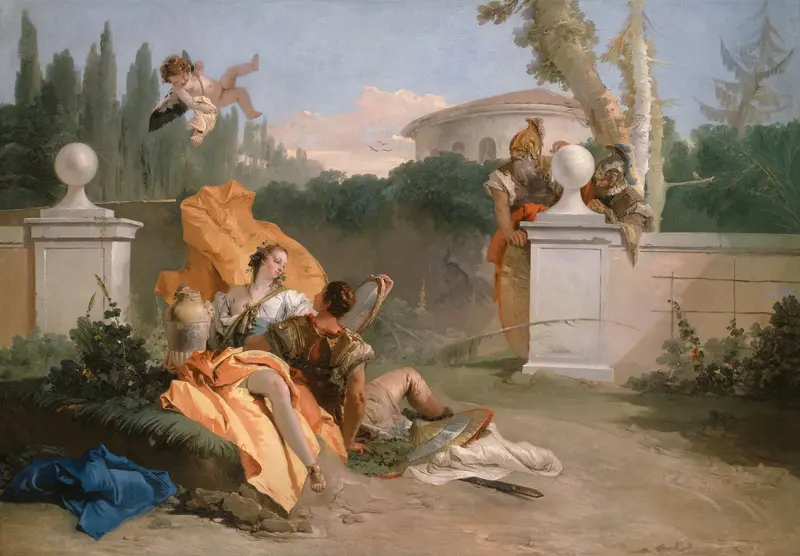
Rinaldo and Armida in Her Garden
Giovanni Battista Tiepolo
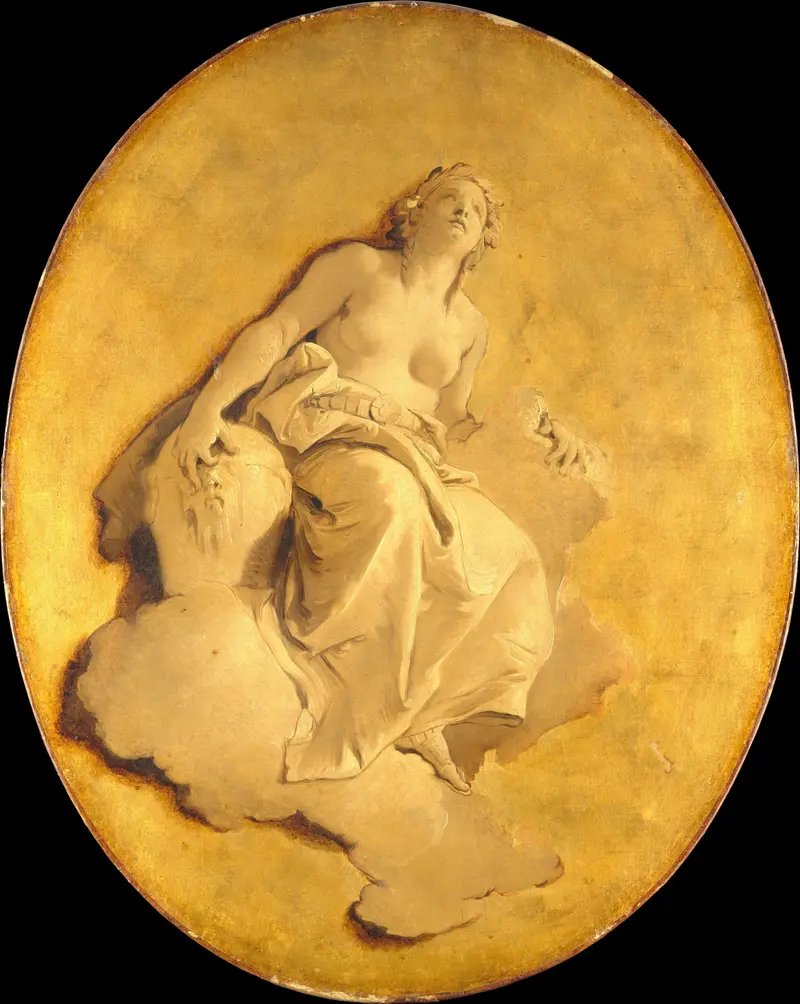
A Female Allegorical Figure
Giovanni Battista Tiepolo
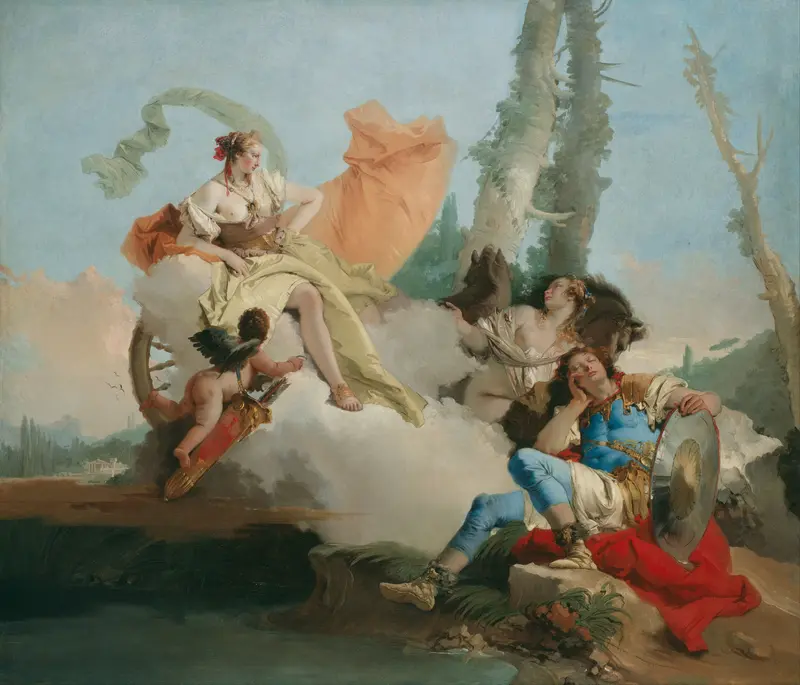
Armida Encounters the Sleeping Rinaldo
Giovanni Battista Tiepolo
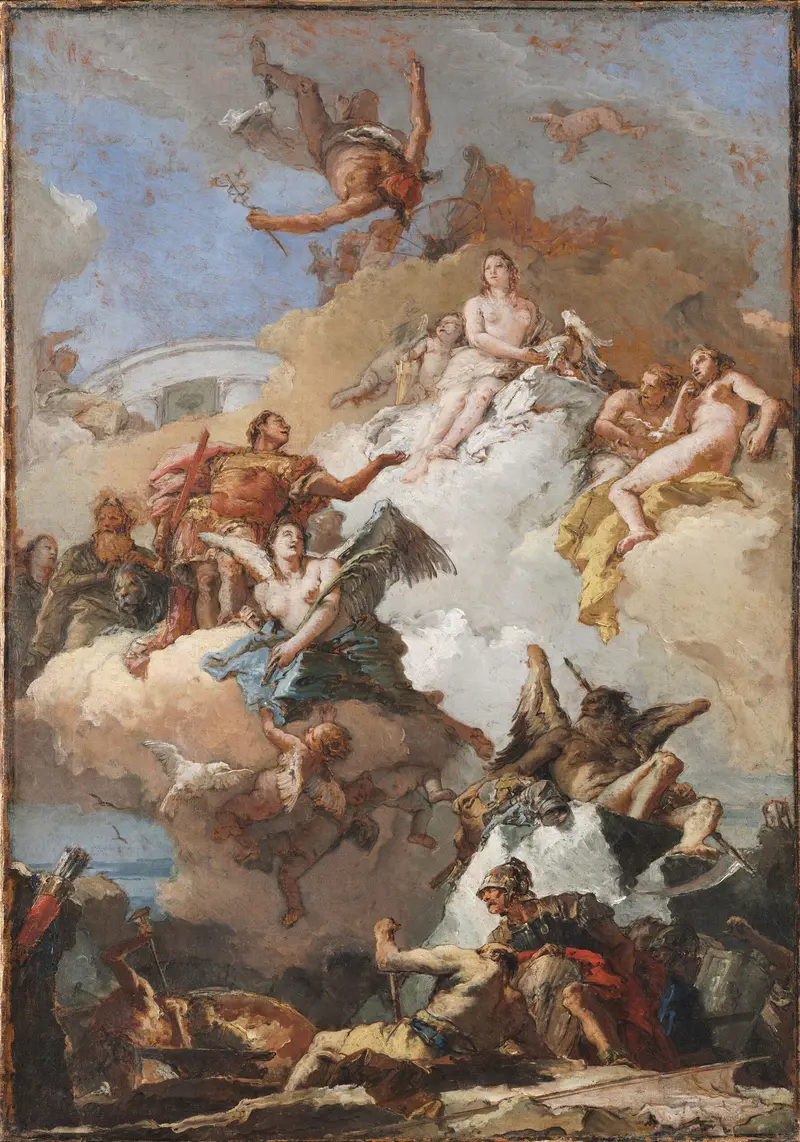
The Apotheosis of Aeneas
Giovanni Battista Tiepolo
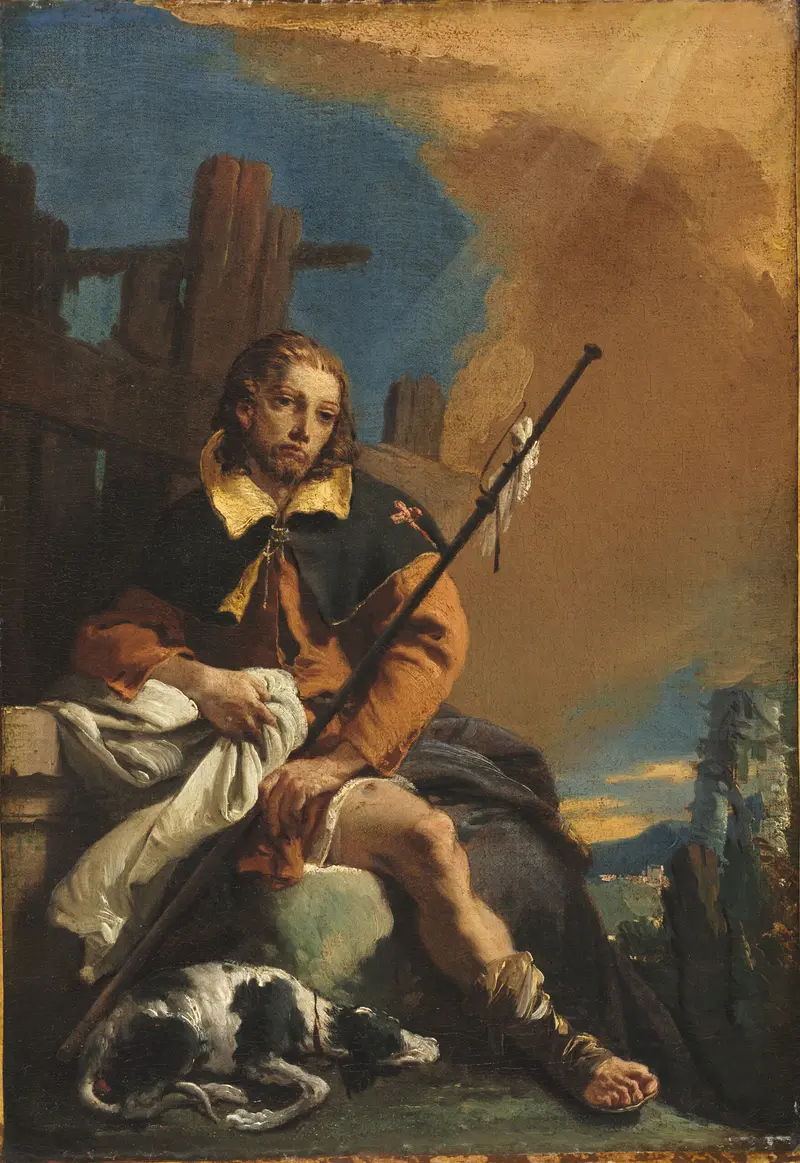
Saint Roch as a Pilgrim
Giovanni Battista Tiepolo
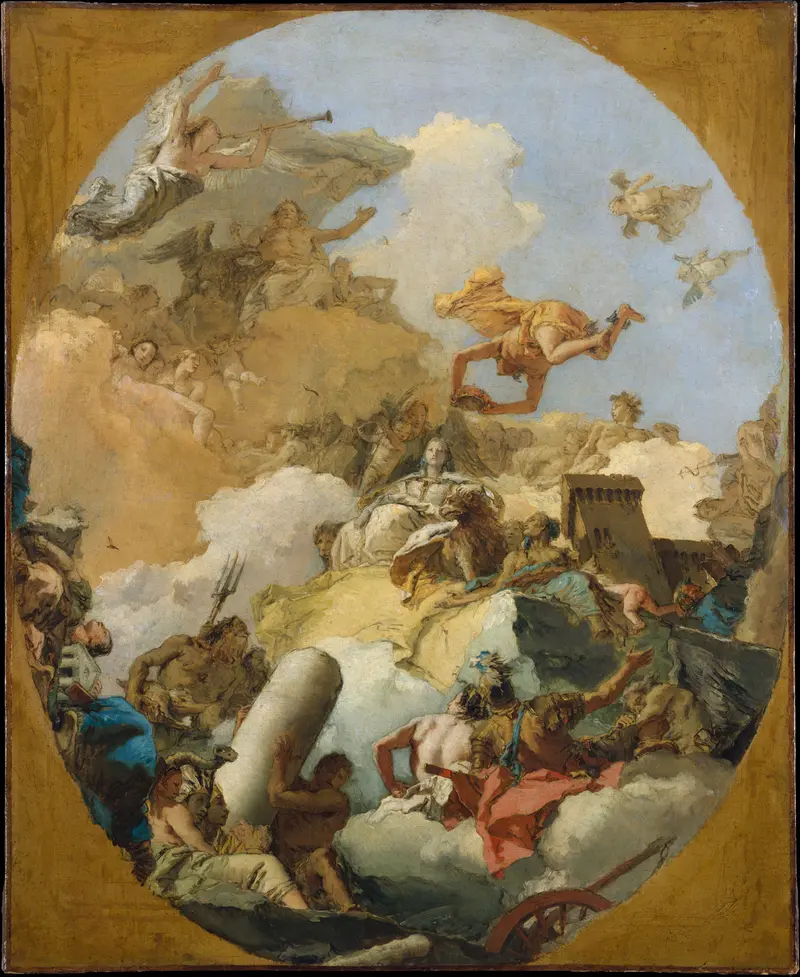
The Apotheosis of the Spanish Monarchy
Giovanni Battista Tiepolo





