
The Dead Christ in the Tomb with Two Angels — History & Facts
What grips the eye first in The Dead Christ in the Tomb with Two Angels is the charged silence: the weight of Christ’s lifeless body, the hush of mourning angels, and the sharp contrast between flesh and shadow. The artist, Abraham Janssens, draws the viewer in with a bold diagonal of Christ’s body, his head lolling and his limbs heavy with finality. The angels, one in vivid red and the other in shadowy black, press close—one covers his mouth in a gesture of stifled grief, the other folds his arms tightly as if to contain sorrow.
The light, falling from the left, carves out Christ’s pallor and the angels’ anxious faces, leaving the background in darkness and focusing all attention on this intimate, suspended moment. Even the bread and vessel in the corner serve as reminders of ritual and loss, anchoring the scene in both the physical and spiritual worlds. Painted around 1610, this work belongs to a period when Flemish artists like Janssens were exploring the emotional depths of religious subjects for a new generation of Catholic patrons. The early seventeenth century saw a surge in devotional images intended for private prayer and church altars, often commissioned by those eager to reaffirm faith during the Counter-Reformation.
Janssens’s approach—muscular bodies, theatrical gestures, and dramatic light—shows the influence of Italian painting, especially the work of Caravaggio, but with a northern sensitivity to texture and detail. Today, the painting resides in the collection of the Metropolitan Museum of Art, a quiet witness to a world where art was a bridge between earthly sorrow and hope for resurrection. Look again at the angels’ faces: the story of loss and longing is written as much in their silence as in Christ’s stillness.
More Artworks by Abraham Janssens

Jupiter Rebuked by Venus
Abraham Janssens
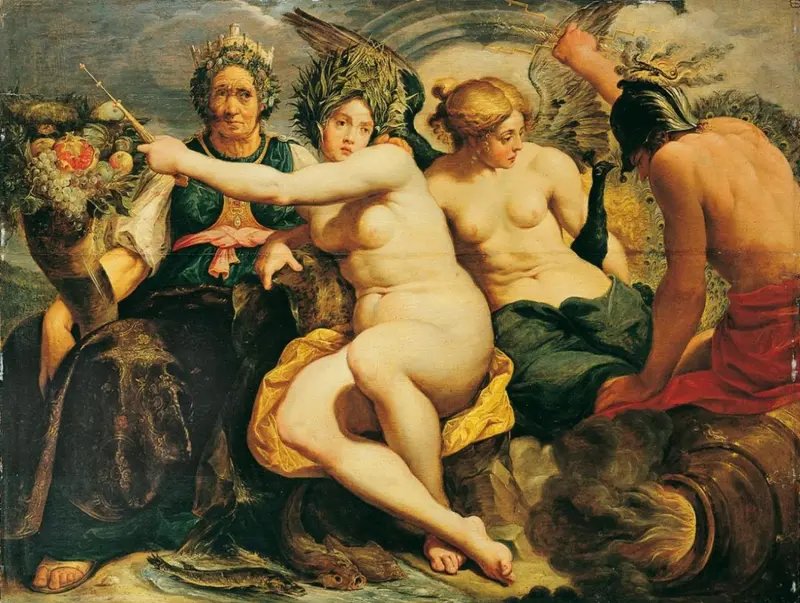
Allegorie der vier Elemente
Abraham Janssens
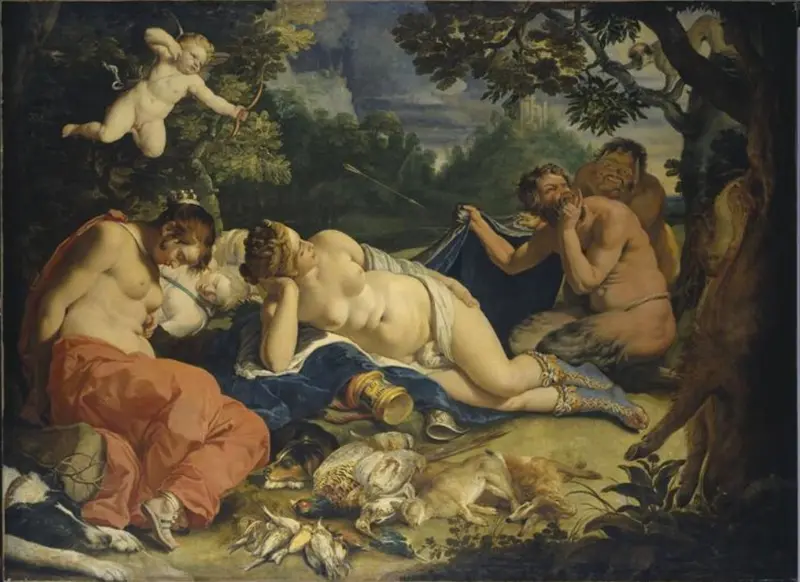
Diana and her nymphs spied on by satyrs
Abraham Janssens

Die Erweckung des Lazarus 153 Bavarian State Painting Collections
Abraham Janssens
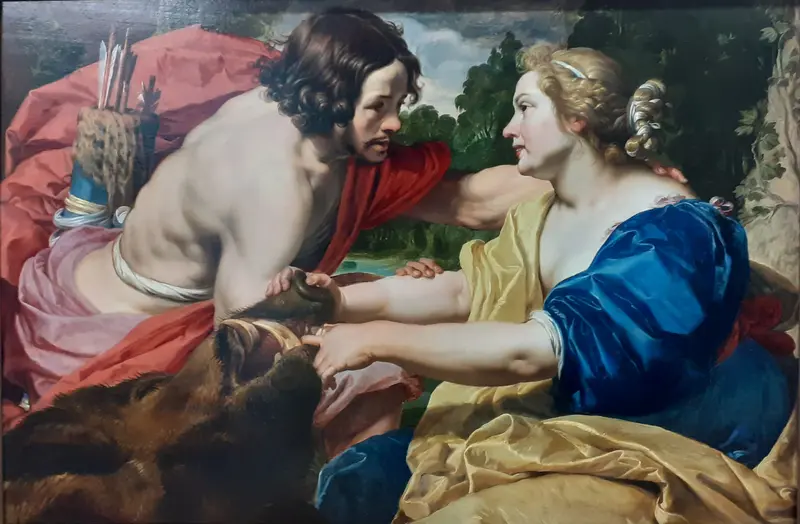
Meleager presents the head of the Calydonian Boar to Atalanta
Abraham Janssens
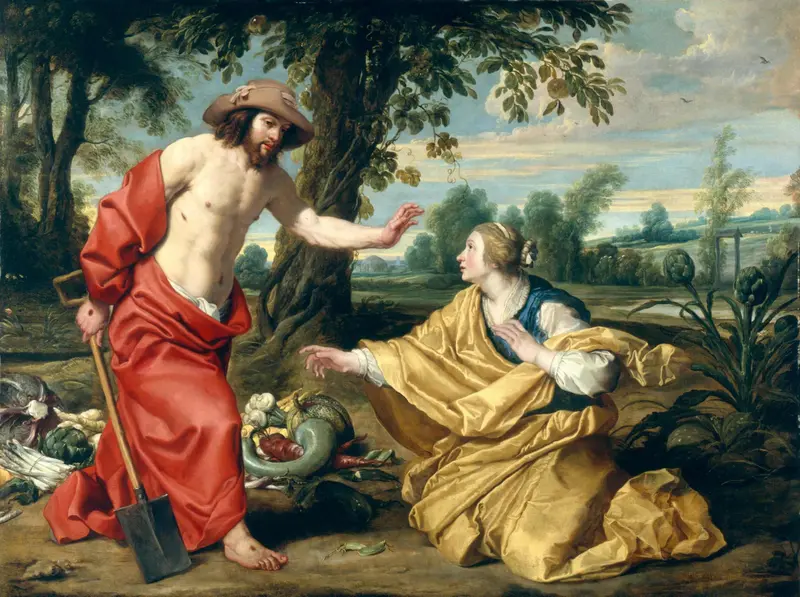
Noli me Tangere
Abraham Janssens
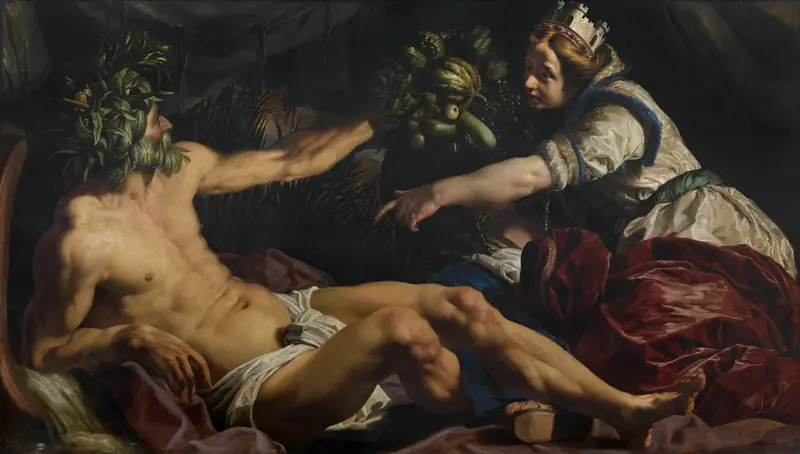
Scaldis and Antverpia
Abraham Janssens
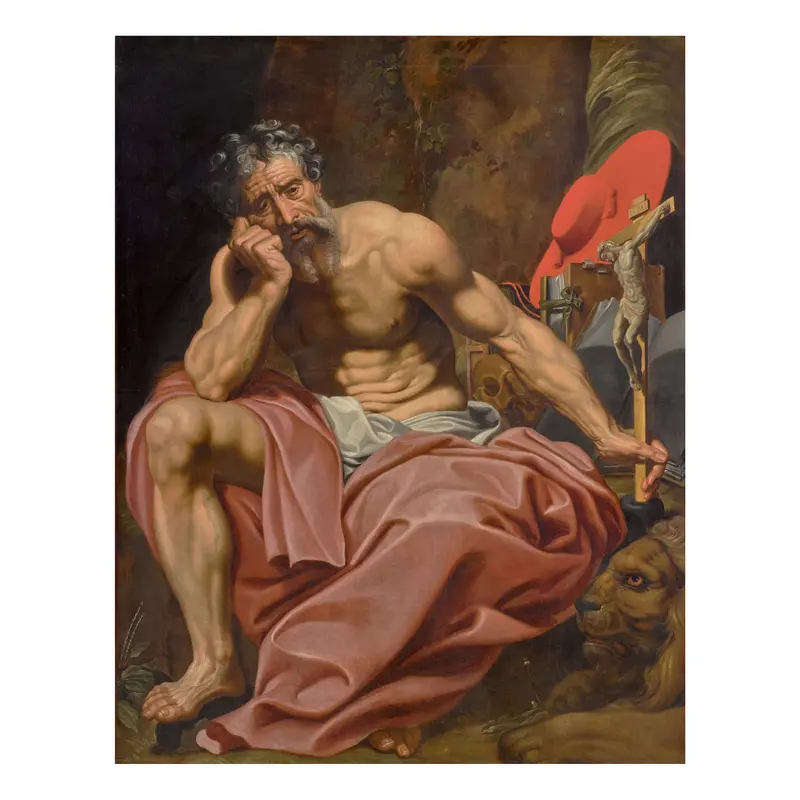
Saint Jerome
Abraham Janssens
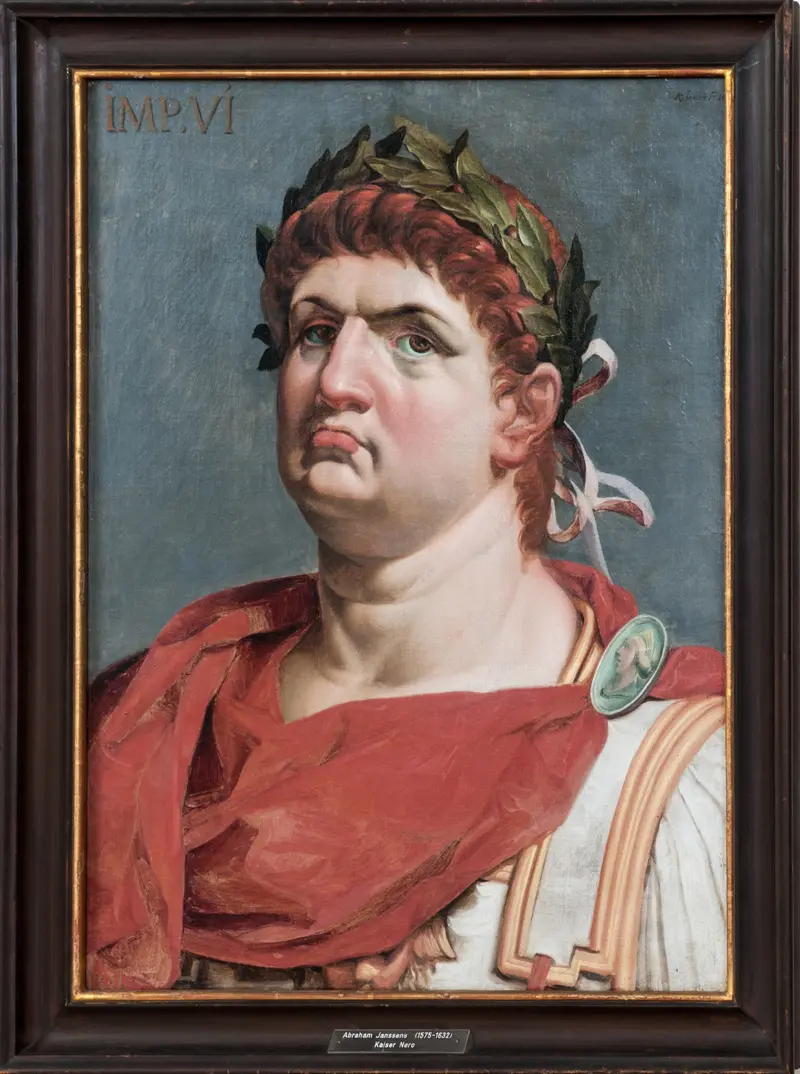
Nero
Abraham Janssens
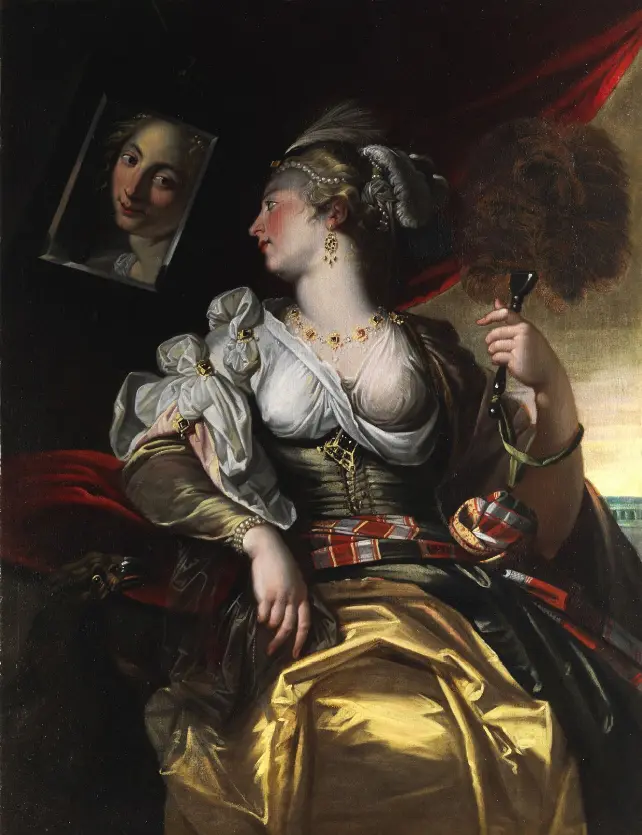
The Face
Abraham Janssens





