
The Descent into Limbo — History & Facts
In the early fourteenth century, Giotto di Bondone painted The Descent into Limbo, capturing a moment that, for centuries, was rarely shown in Western art. The subject—Christ’s harrowing of Hell after his crucifixion—was a daring choice, as it dramatized a mysterious passage from the Apostles’ Creed: Christ’s descent to free the righteous dead. This episode, known as the Harrowing of Hell, was often recited in church but seldom depicted with such narrative clarity before Giotto’s time.
The painting stands as one of the earliest known Italian treatments of this theme, marking a turning point in how artists visualized sacred stories. Giotto selects the instant when Christ, radiant and calm, steps into the mouth of Limbo, his hand extended to Adam, the first man, who emerges from the shadows of death. Around them, a crowd of patriarchs and prophets—Eve, David, Solomon—waits anxiously, their faces marked by hope and awe. The broken gates at Christ’s feet, rendered with a sculptor’s solidity, symbolize his victory over death, while the demon recoiling in the background hints at the defeat of evil.
Unlike the gilded, static icons of earlier centuries, Giotto’s figures are solid, weighty, and human, their gestures and glances weaving a silent drama. Compared to Duccio’s more ornamental approach in his own Descent into Limbo, Giotto’s composition feels immediate and grounded, drawing the viewer into the unfolding miracle. The exact origins of this panel remain uncertain, as its early history is lost to time, and even its original location is debated among scholars. It is generally agreed, however, that The Descent into Limbo was painted around 1320, during the mature period of Giotto’s career, possibly as part of a larger altarpiece or series illustrating the Passion.
Over the centuries, the painting has been attributed, reattributed, and studied for its innovative use of space and emotion—hallmarks of Giotto’s revolution in painting. Today, it stands as a testament to the artist’s power to translate doctrine into living narrative, and its survival offers a rare window onto the spiritual imagination of early Trecento Italy.
More Artworks by Giotto di Bondone
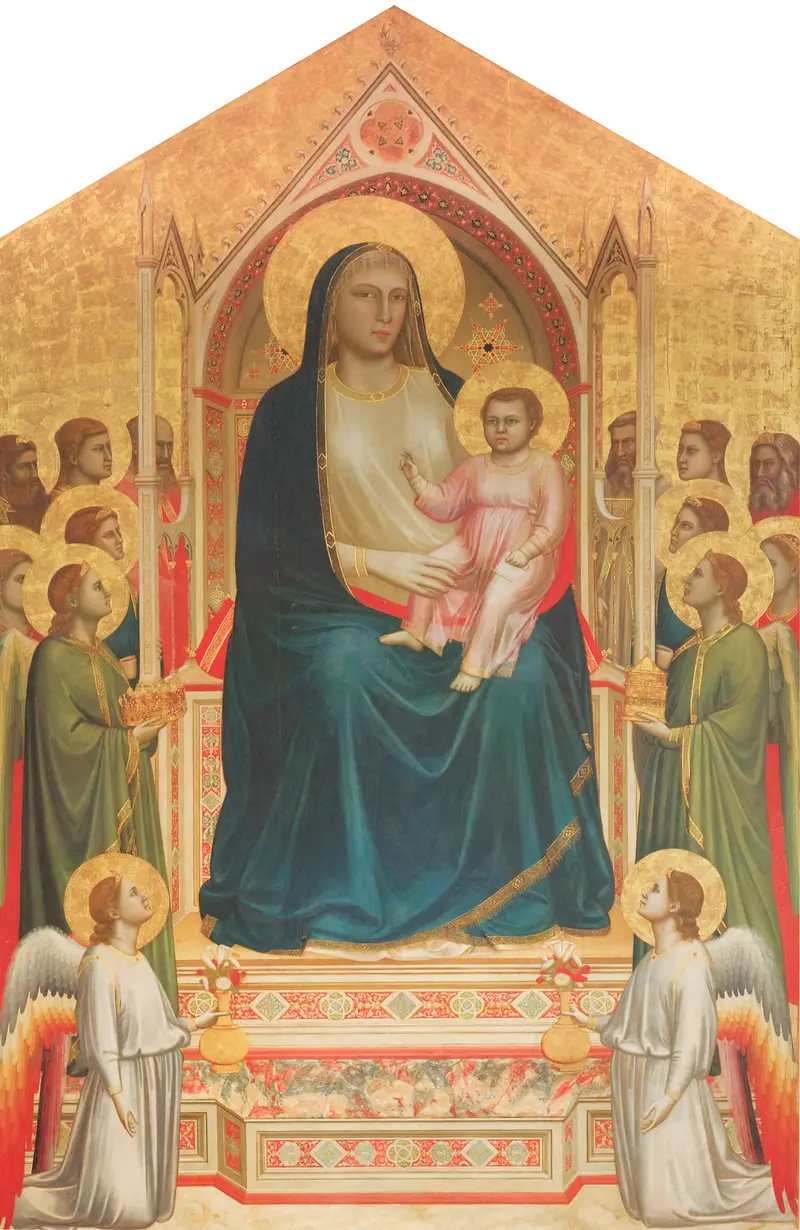
Ognissanti Madonna
Giotto di Bondone
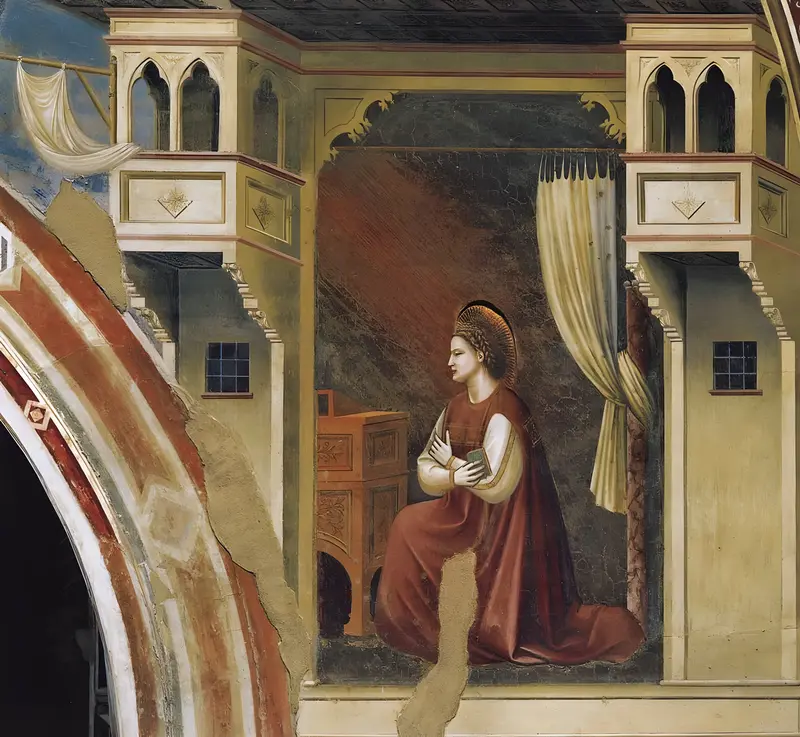
The Virgin of the Annunciation
Giotto di Bondone
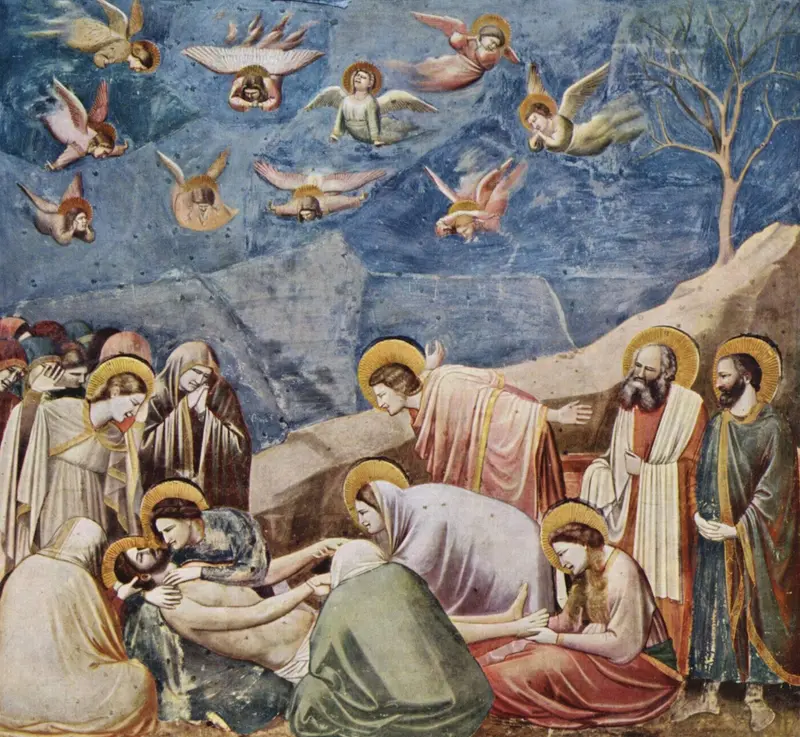
Lamentation (The Mourning of Christ)
Giotto di Bondone
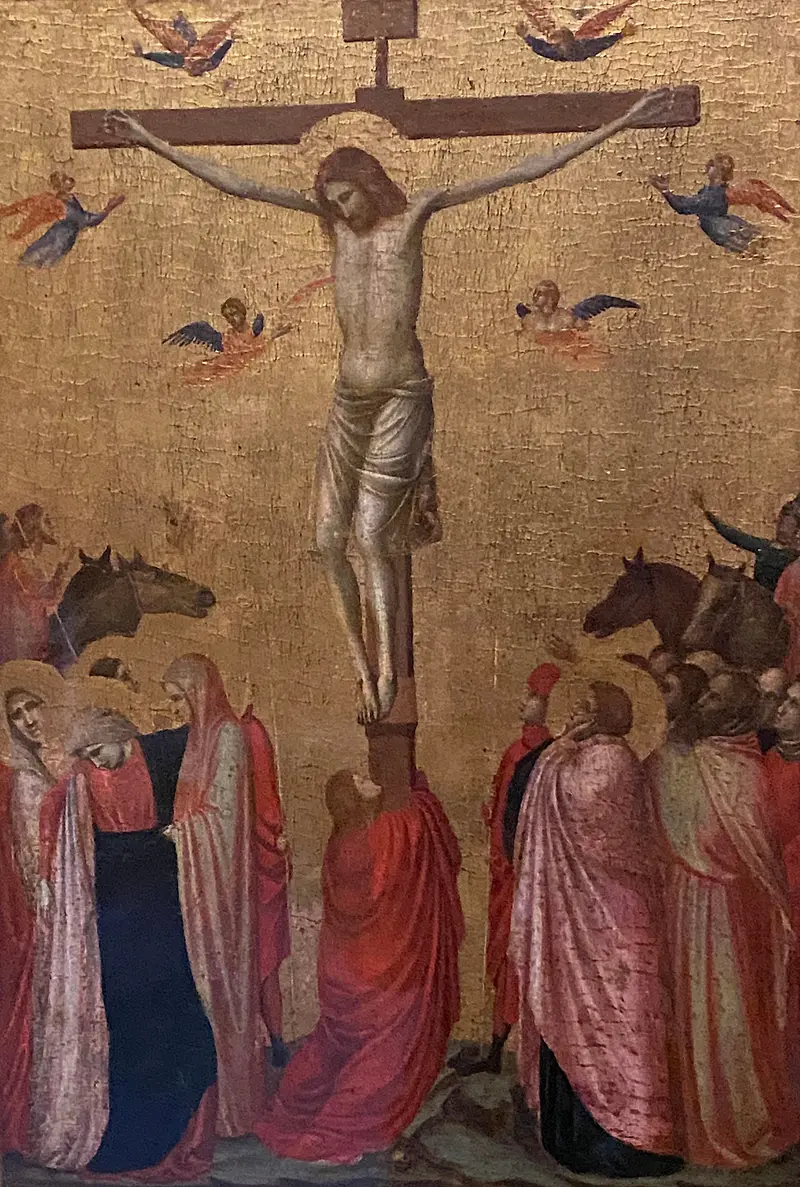
Crucifixion of Strasbourg
Giotto di Bondone
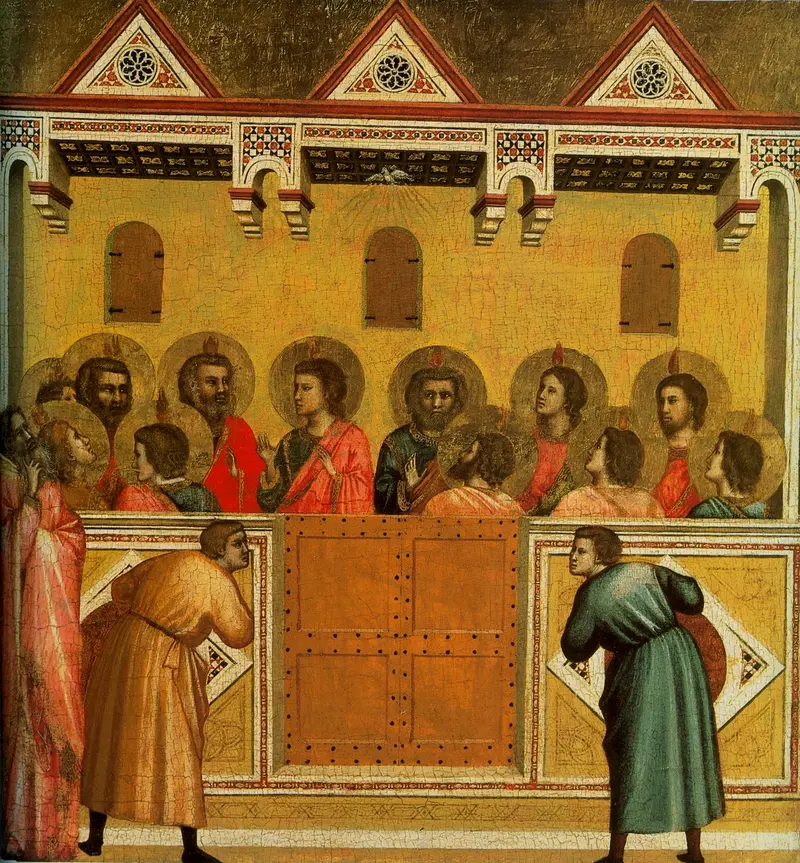
Pentecost
Giotto di Bondone
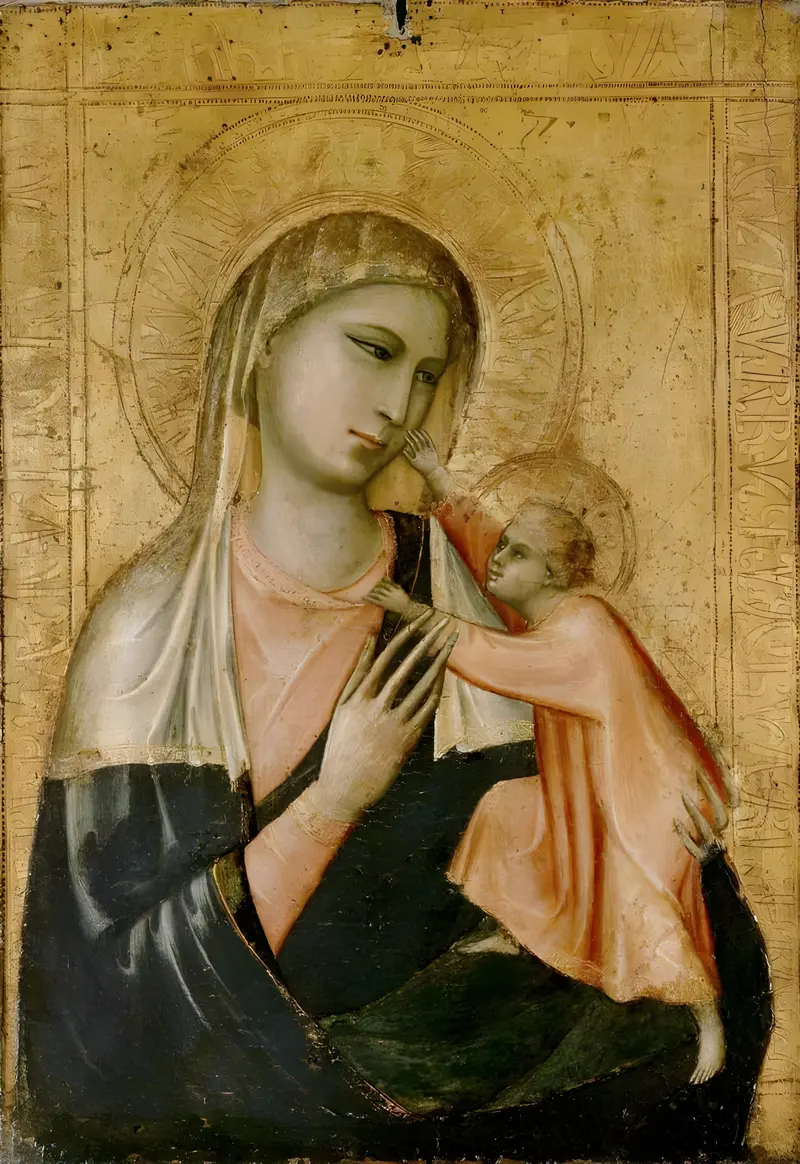
The Virgin and Child
Giotto di Bondone
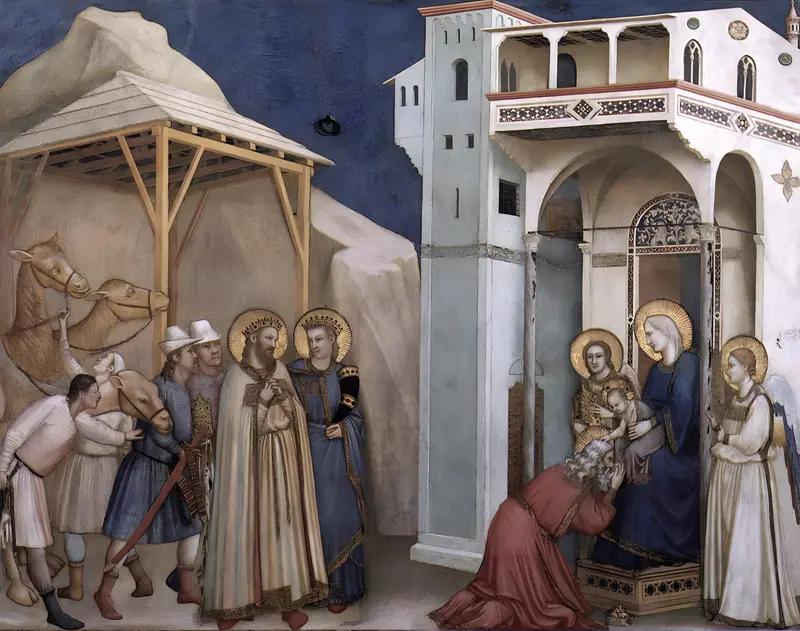
Anbetung der Könige
Giotto di Bondone
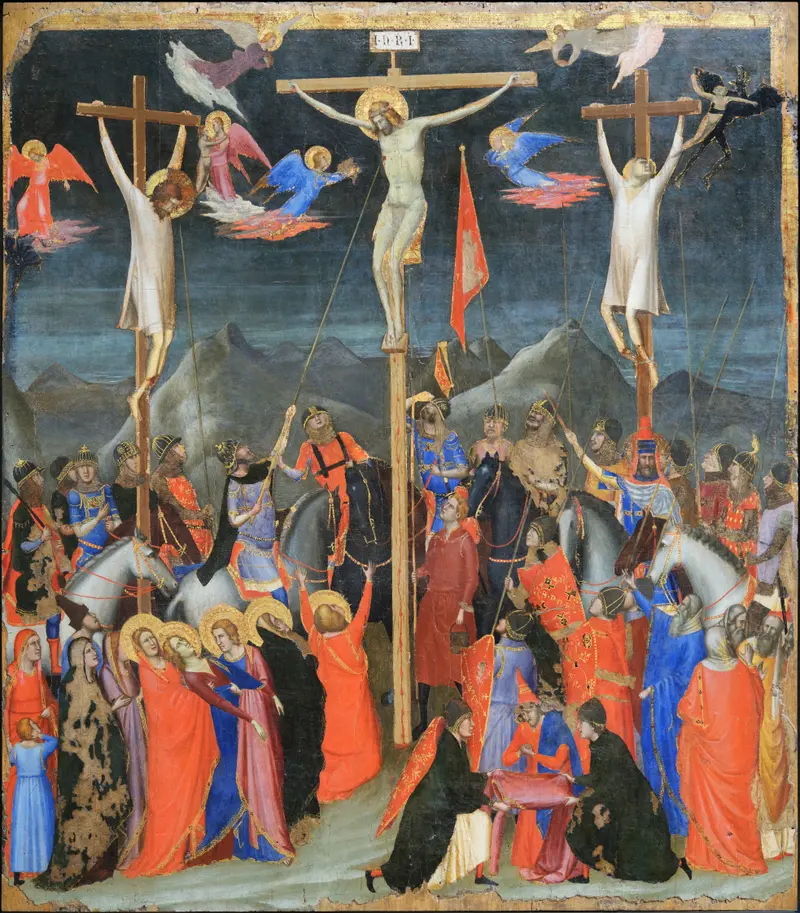
Crucifixion
Giotto di Bondone
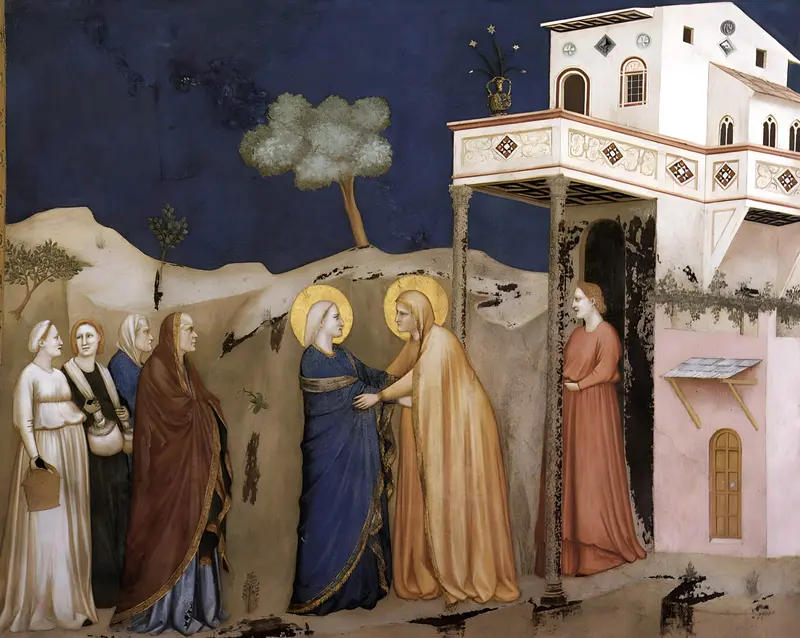
The Visitation
Giotto di Bondone
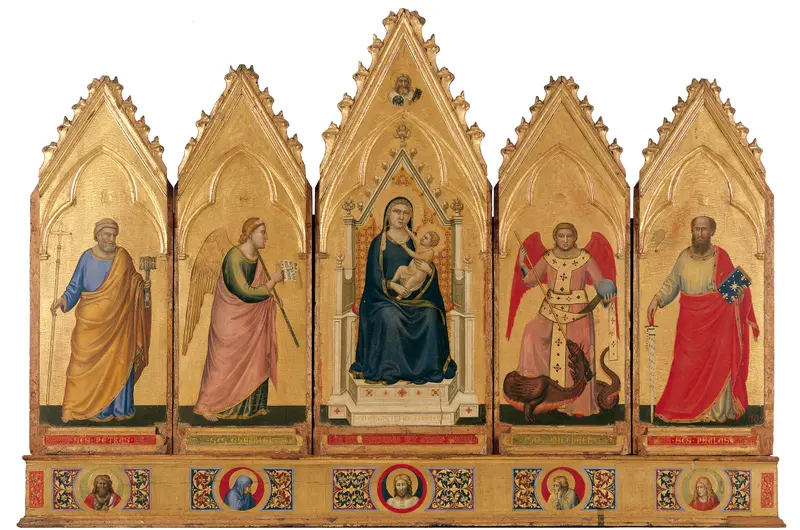
Bologna Polyptych
Giotto di Bondone





