
The Discovery of the Body of Holofernes — History & Facts
When Sandro Botticelli painted The Discovery of the Body of Holofernes around 1470, he joined a Florentine fascination with the biblical heroine Judith—yet his version is among the earliest known treatments of the aftermath, not the act, of Holofernes’s beheading. While the fate of the original commission remains uncertain, the subject was popular in Florence, where Judith symbolized civic virtue and resistance against tyranny. Botticelli’s choice to focus on the moment of discovery rather than the violence itself set his work apart from contemporaries, inviting viewers to contemplate the consequences of Judith’s deed. The scene Botticelli chose unfolds in the tent of the Assyrian general Holofernes, whose decapitated body has just been found by his horrified soldiers.
Judith, having slain Holofernes to save her city, is already gone; instead, Botticelli captures the shock and confusion of the men who stumble upon the bloody aftermath. The composition draws the eye to the lifeless torso, while the soldiers’ gestures—hands raised in alarm, faces twisted in disbelief—heighten the drama. The interplay of light and shadow isolates the corpse, emphasizing the gravity of the act without showing Judith herself.
Unlike Andrea Mantegna’s more theatrical Judith and Holofernes, Botticelli’s approach is quieter, dwelling on the cost of violence and the ripple of consequences. Little is known of the early history of The Discovery of the Body of Holofernes, and its medium remains a subject of scholarly debate—some suggest tempera on panel, others propose canvas. The painting is often grouped with Botticelli’s youthful works, created before his rise to fame in the Medici circle. While its provenance is unclear, its style and subject place it within the vibrant world of late 15th-century Florence, where biblical heroines were painted as political allegories.
Today, the work is recognized as a rare and thoughtful meditation on aftermath, offering insight into Botticelli’s early narrative skill and the values of his city.
More Artworks by Sandro Botticelli
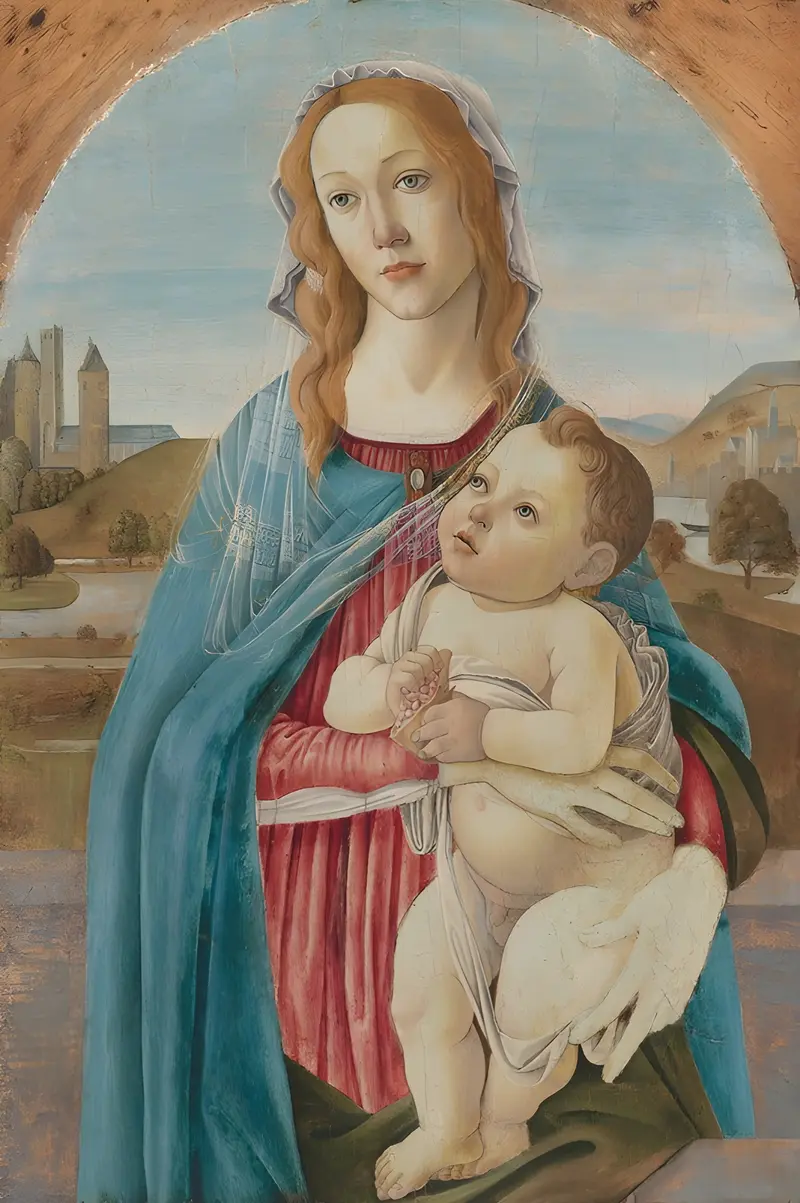
Virgin and Child
Sandro Botticelli
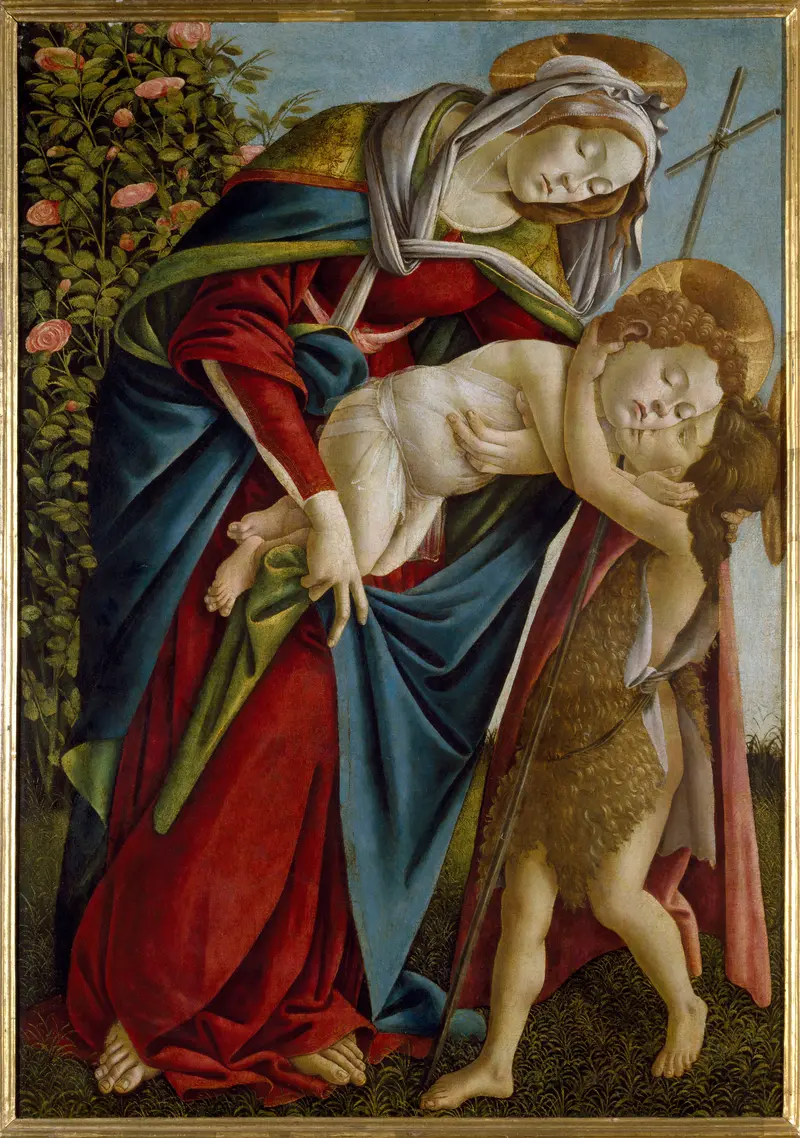
Madonna and Child and the Young St John the Baptist
Sandro Botticelli
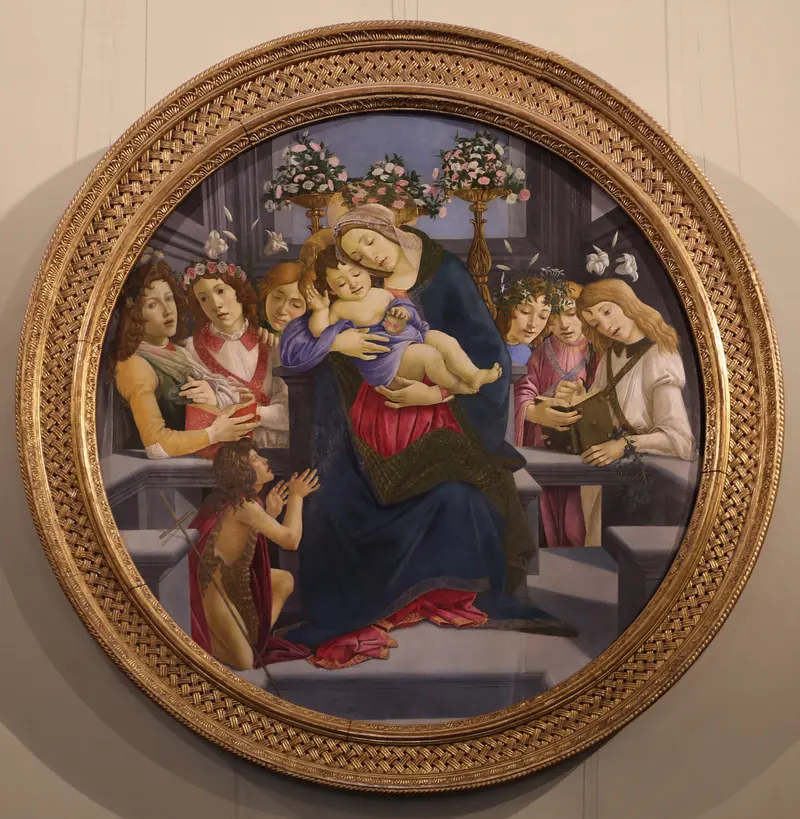
Madonna and Child with six angels and Saint John the Baptist as Child
Sandro Botticelli
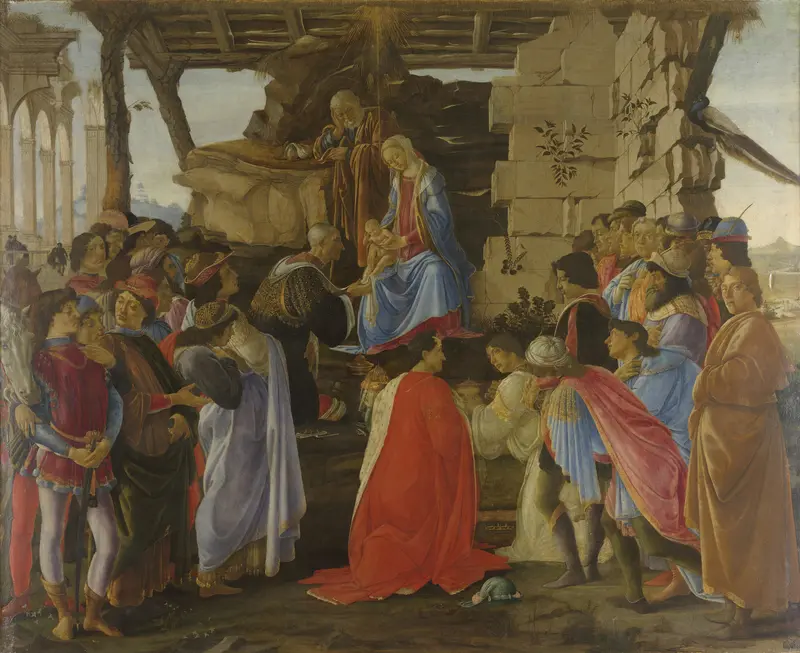
Adoration of the Magi
Sandro Botticelli

Virgin and Child with the Young Saint John the Baptist
Sandro Botticelli
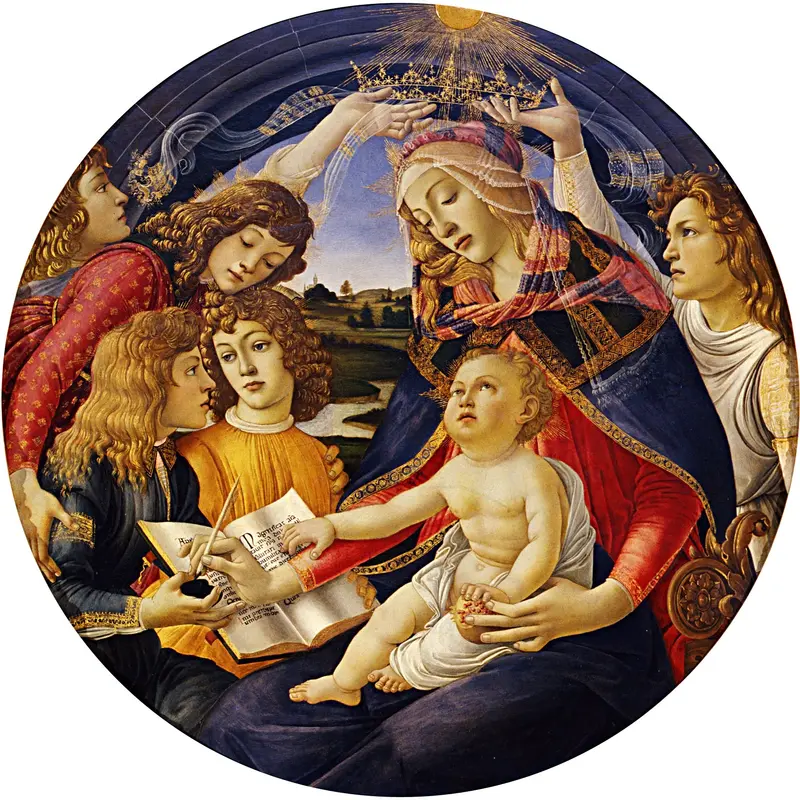
Madonna of the Magnificat
Sandro Botticelli
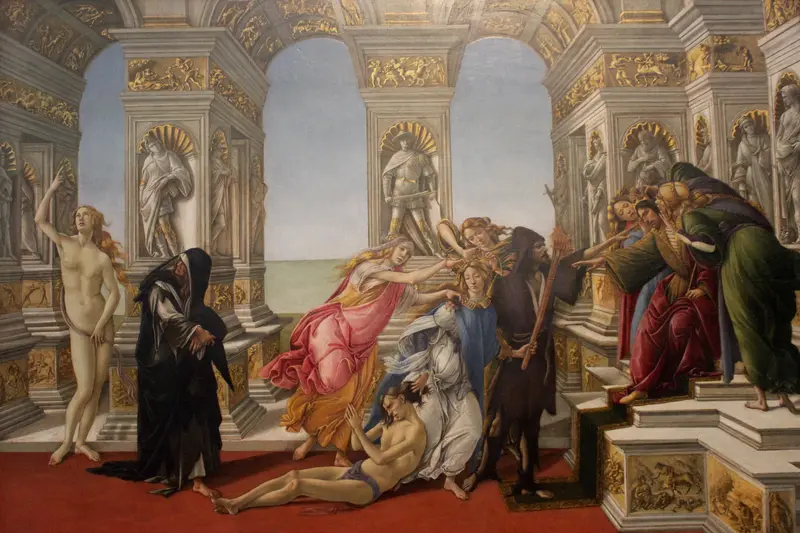
Calumny of Apelles
Sandro Botticelli
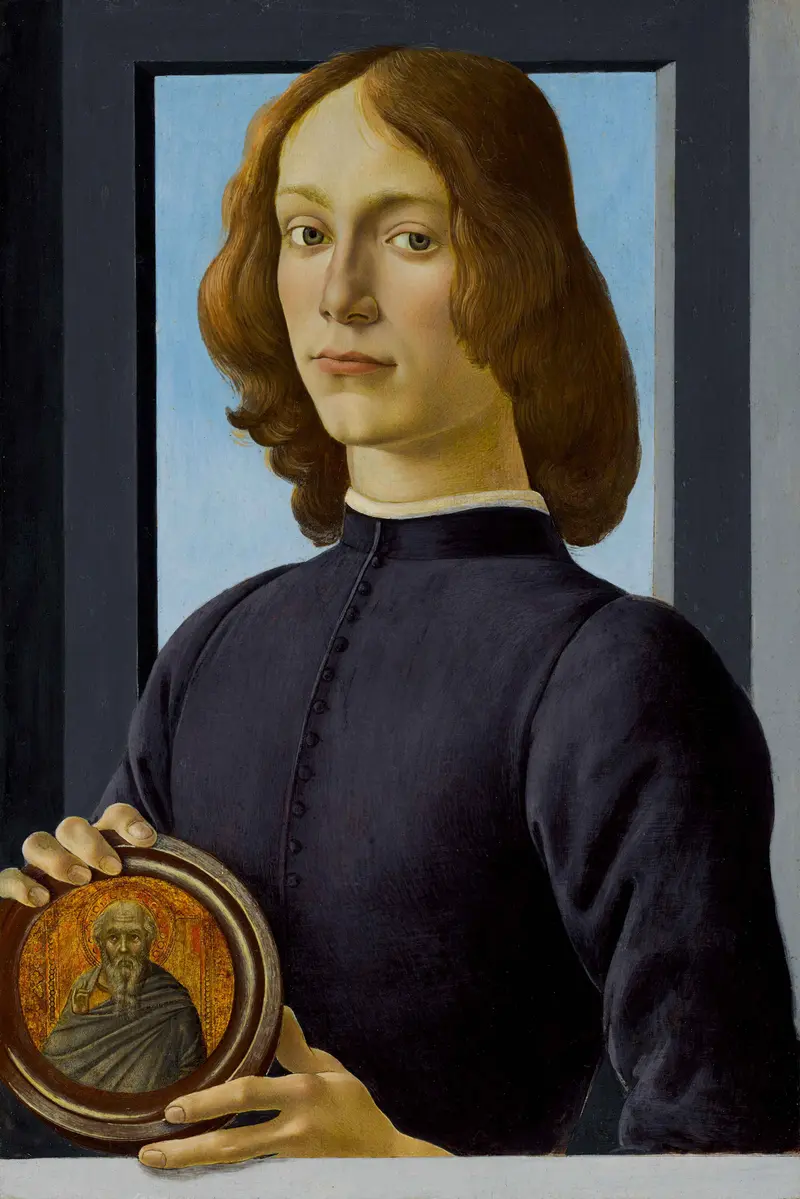
Portrait of a young man holding a roundel
Sandro Botticelli

The Trinity with Saint Mary Magdalene and Saint John the Baptist, the Archangel Raphael and Tobias
Sandro Botticelli
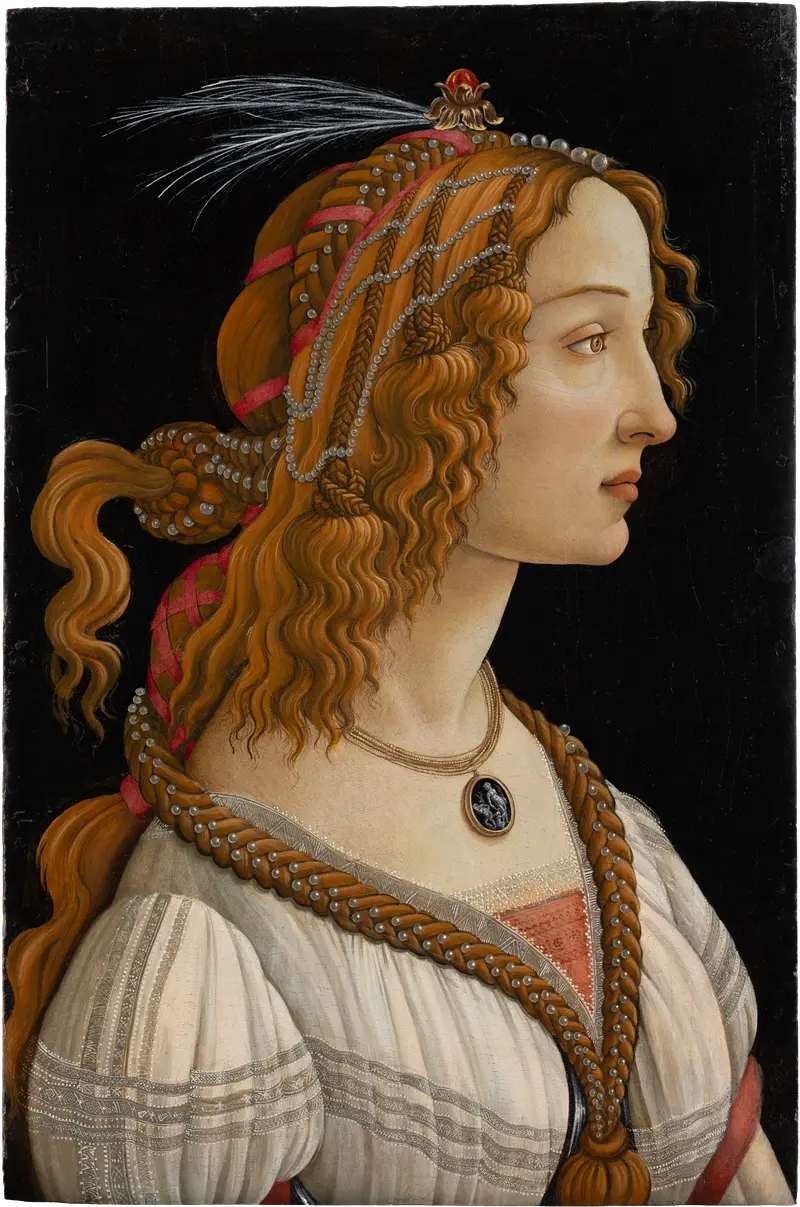
Idealized Portrait of a Lady (Portrait of Simonetta Vespucci as Nymph)
Sandro Botticelli





