
The Doubting Thomas — History & Facts
A hand thrust forward, eyes wide with a mixture of fear and awe—what pulls the viewer first is the raw, almost physical tension at the center of The Doubting Thomas by Abraham Janssens. The figures are pressed so tightly together that the space feels charged, as if the air itself is holding its breath. The gesture of the man in red, his finger guided toward the wound in Christ’s side, is not just an act of doubt but of desperate need for certainty.
The light falls hard across the flesh, carving every wrinkle and muscle in sharp relief, so that the drama is not just spiritual but bodily, immediate. This is a scene about proof and presence, and the painter makes sure you feel the weight of both. Christ’s raised arm and exposed torso dominate the composition, drawing every gaze—and ours—toward the wound. The disciples crowd in, their faces a study in skepticism and dawning belief, each expression caught between shadow and illumination.
The palette is rich and earthy, with deep reds and ochres set against the starkness of Christ’s skin, heightening the sense of revelation. While other artists, like Caravaggio, have painted this moment with similar intensity, Janssens brings a northern clarity and a sculptural solidity to the figures, making the miracle feel as real as the people standing before us. Painted between 1610 and 1615, this work belongs to a period when artists across Europe were wrestling with how to make sacred stories immediate for their viewers. The Baroque taste for drama and emotional truth is unmistakable here, but little is recorded about the specific journey of this canvas—its patrons, its travels, or its early admirers.
Today, it is part of a collection known through auction records, a reminder of how many such works have passed quietly from hand to hand. What survives, unmistakably, is the force of the encounter: the moment when doubt and faith meet, and the story is written not in words, but in flesh and light.
More Artworks by Abraham Janssens

Jupiter Rebuked by Venus
Abraham Janssens
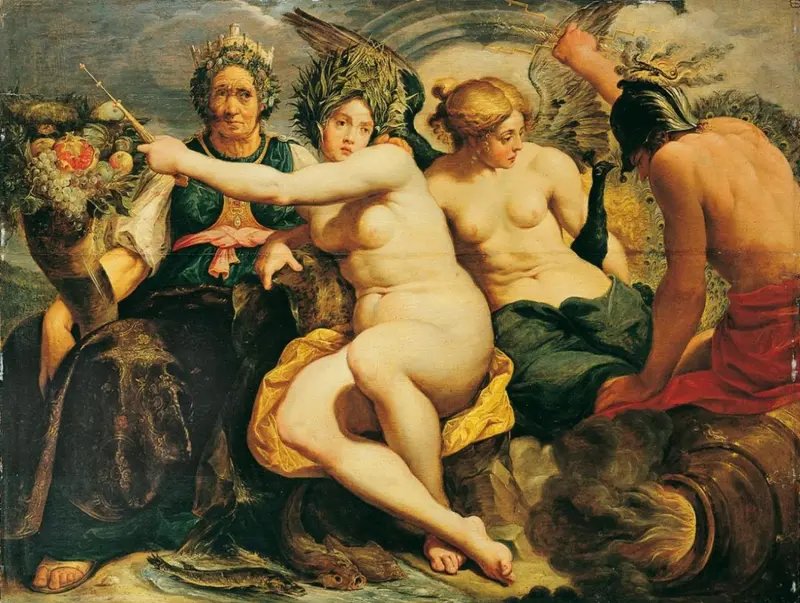
Allegorie der vier Elemente
Abraham Janssens
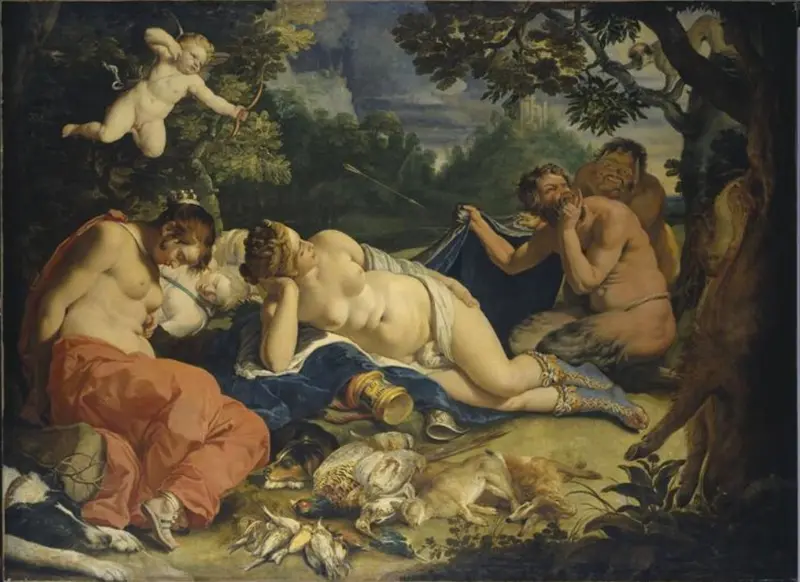
Diana and her nymphs spied on by satyrs
Abraham Janssens

Die Erweckung des Lazarus 153 Bavarian State Painting Collections
Abraham Janssens
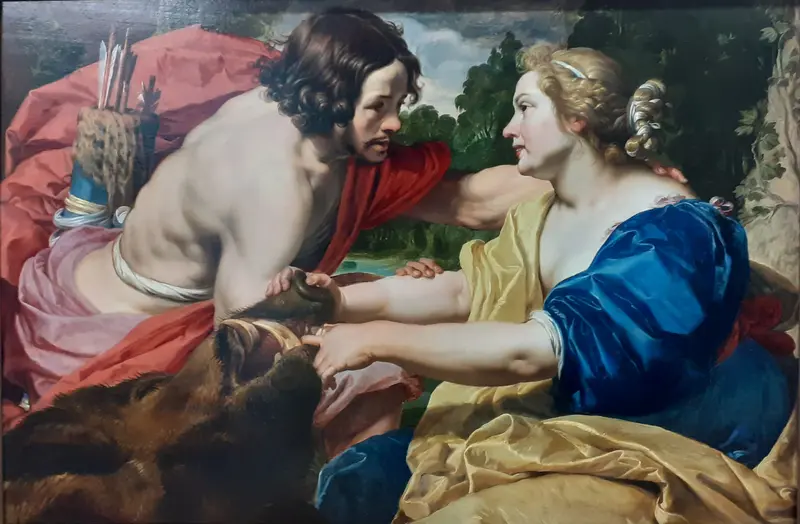
Meleager presents the head of the Calydonian Boar to Atalanta
Abraham Janssens
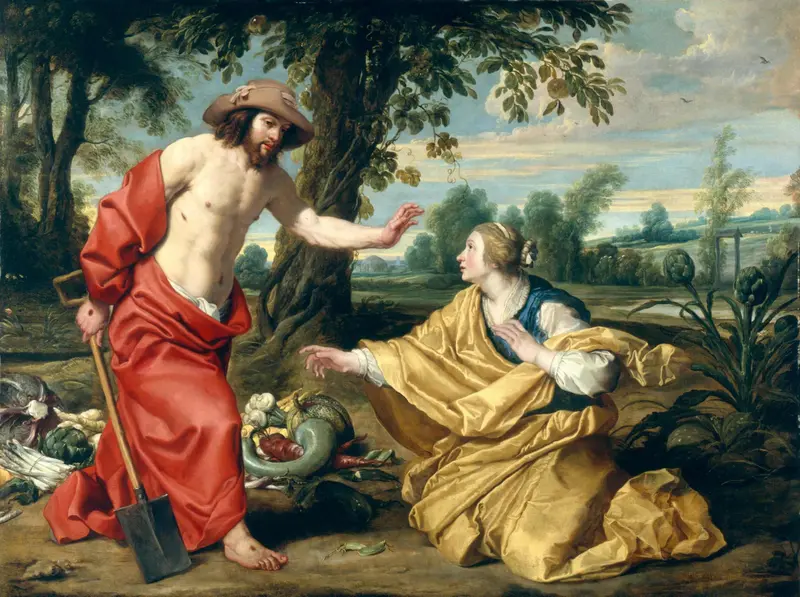
Noli me Tangere
Abraham Janssens
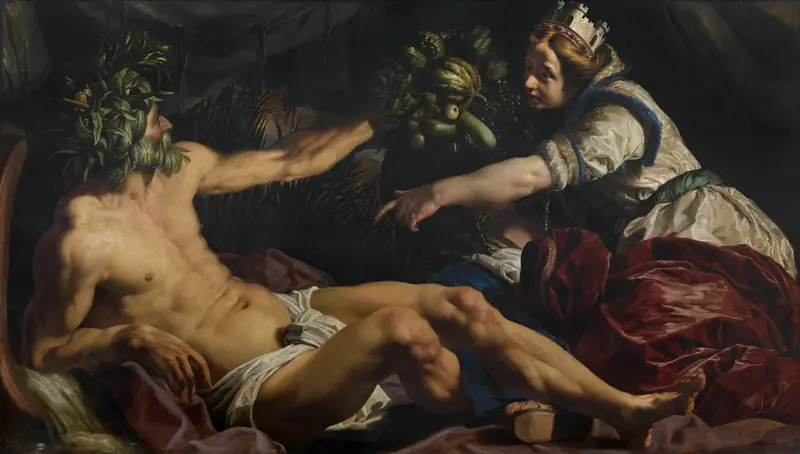
Scaldis and Antverpia
Abraham Janssens
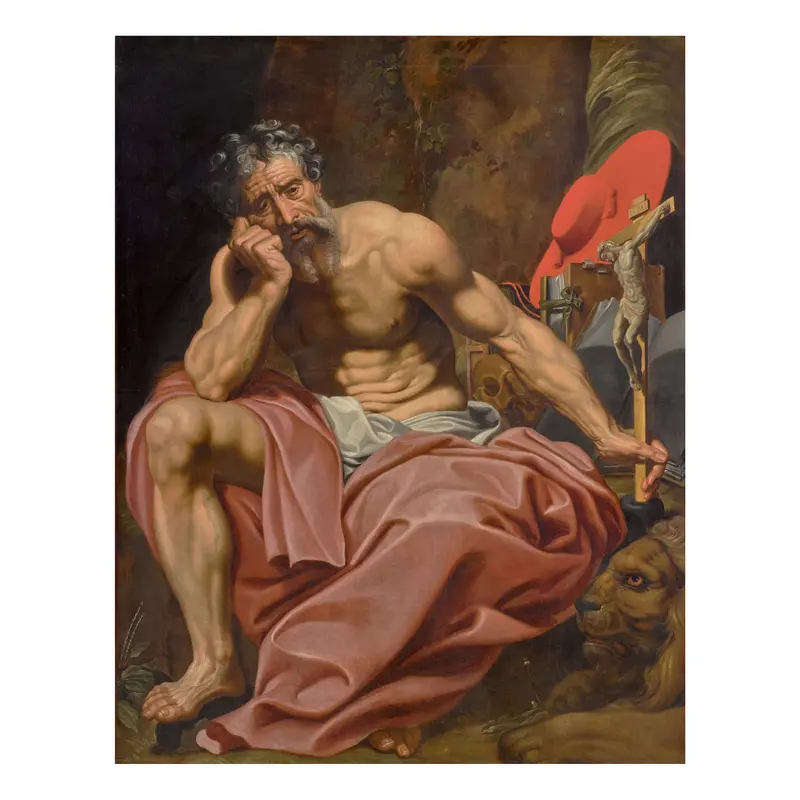
Saint Jerome
Abraham Janssens
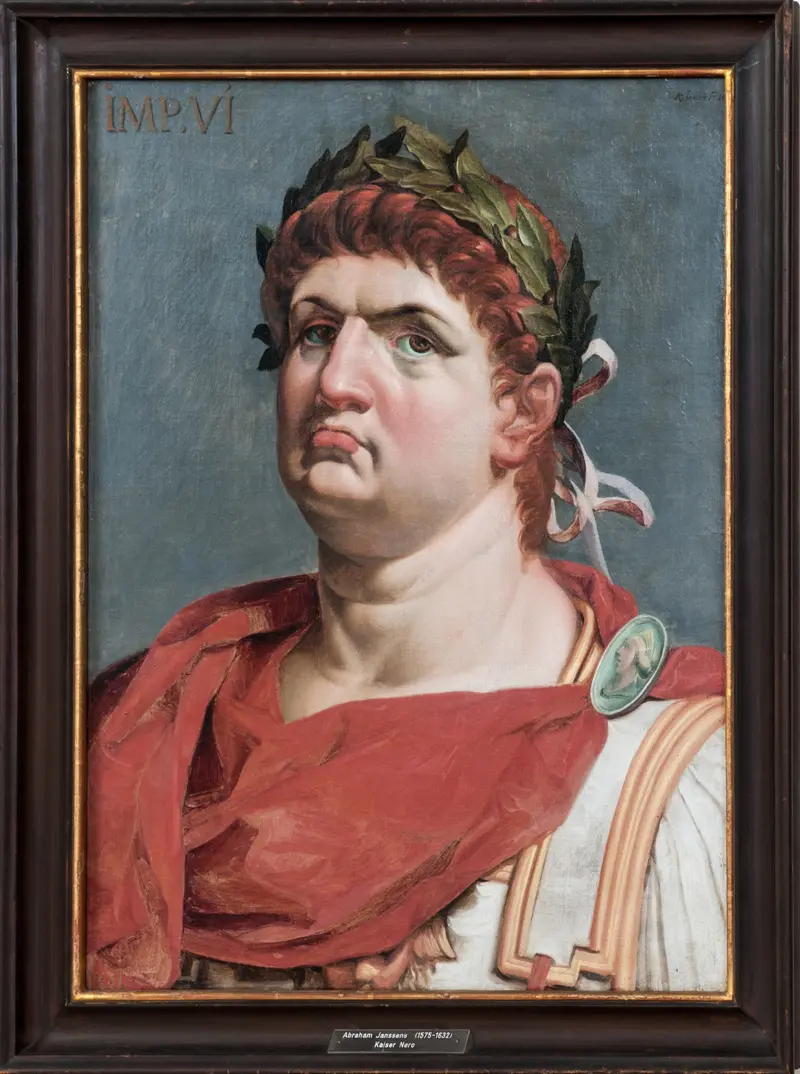
Nero
Abraham Janssens
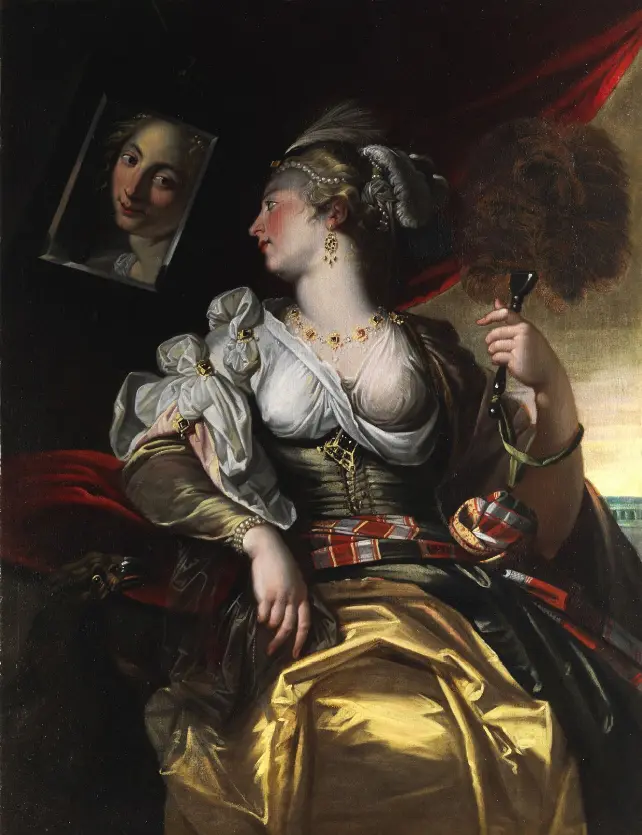
The Face
Abraham Janssens





