
The education of Cupid — History & Facts
What draws the eye first in The education of Cupid is the intimate choreography of hands and glances: a young woman, serene and half-draped, leans close to a cherubic boy with wings—Cupid himself—her finger guiding his small hand across a scroll. The warmth of their interaction is heightened by the soft, golden light that falls across their skin, while the gentle blue of the sky and the lush greenery behind them create a world of calm enclosure. The scroll, unfurled and central, becomes more than a prop; it is the axis around which knowledge, affection, and myth revolve.
The artist lingers on the details—the tender tilt of the woman’s head, the attentive furrow in Cupid’s brow—inviting us to witness not just a lesson, but a moment of shared discovery. Paintings like this flourished in eighteenth-century France, when scenes of mythological instruction and maternal care were prized for private interiors. Louis-Jean-François Lagrenée, known for his elegant Rococo sensibility, often painted such allegories for patrons who valued both their decorative charm and their playful engagement with classical themes. The work’s provenance, as recorded in the Christie’s collection, leaves much of its journey in shadow, a reminder of how many such intimate canvases were created for personal enjoyment rather than public acclaim.
In this world, myth was not remote or grand, but tender and approachable—an invitation to linger over the small dramas of learning and love. The viewer is left to wonder what lessons Cupid is truly absorbing, and to trace the gentle arc of Lagrenée’s brush as it brings myth to life.
More Artworks by Louis-Jean-François Lagrenée
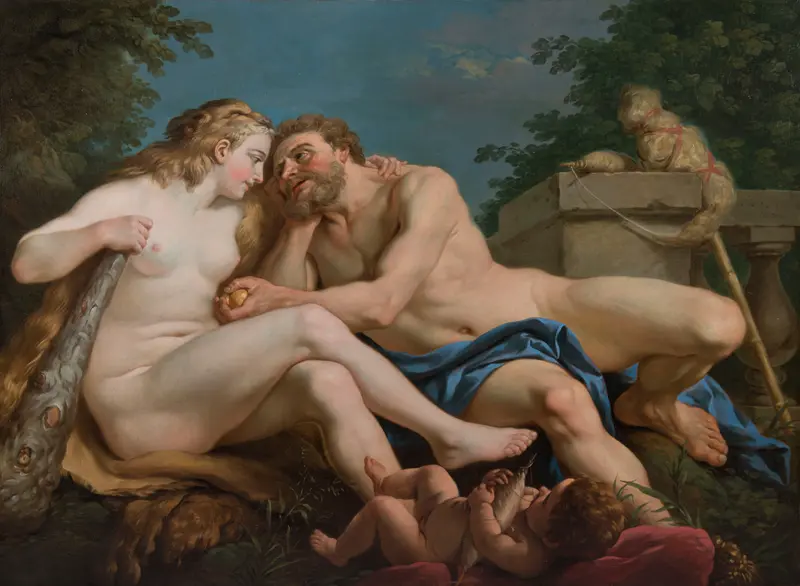
Herkules and Omphale
Louis-Jean-François Lagrenée
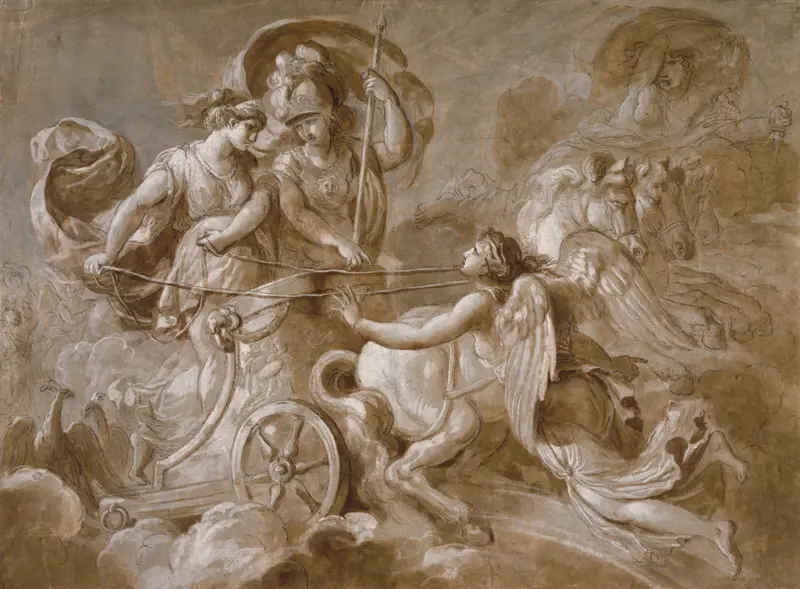
Iris Approaching Athena and Hera
Louis-Jean-François Lagrenée
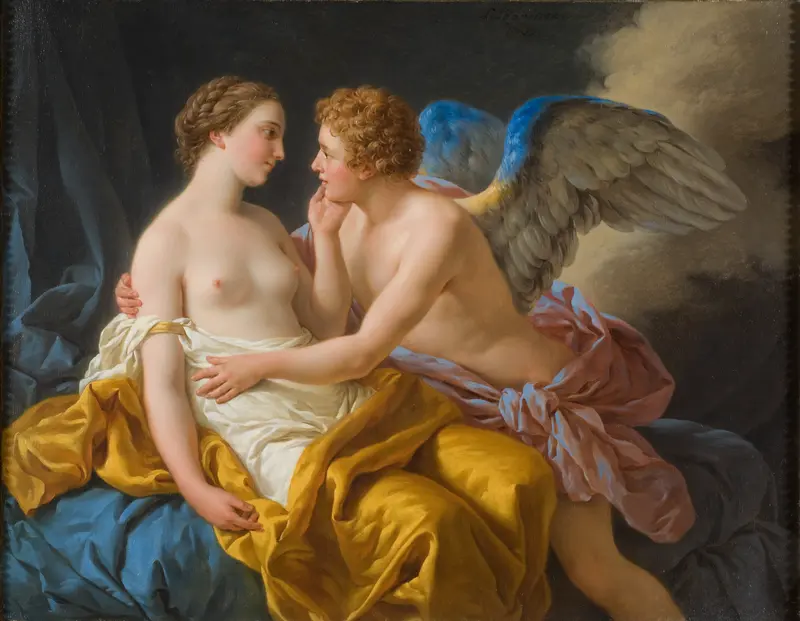
Cupid and Psyche
Louis-Jean-François Lagrenée
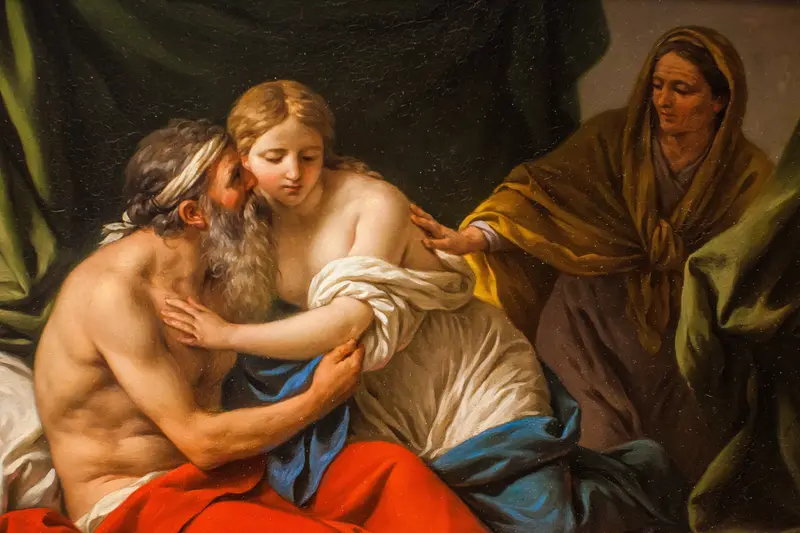
Sarah Presenting Hagar to Abraham
Louis-Jean-François Lagrenée
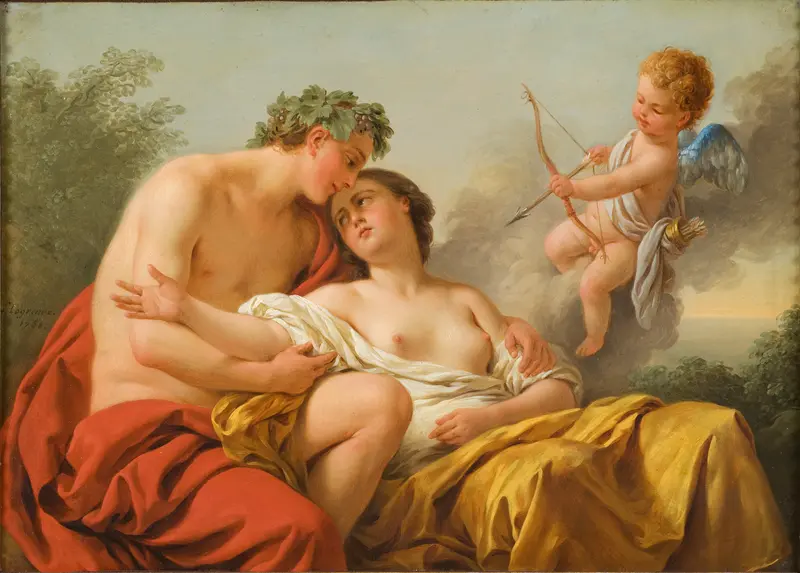
Bacchus and Ariadne
Louis-Jean-François Lagrenée
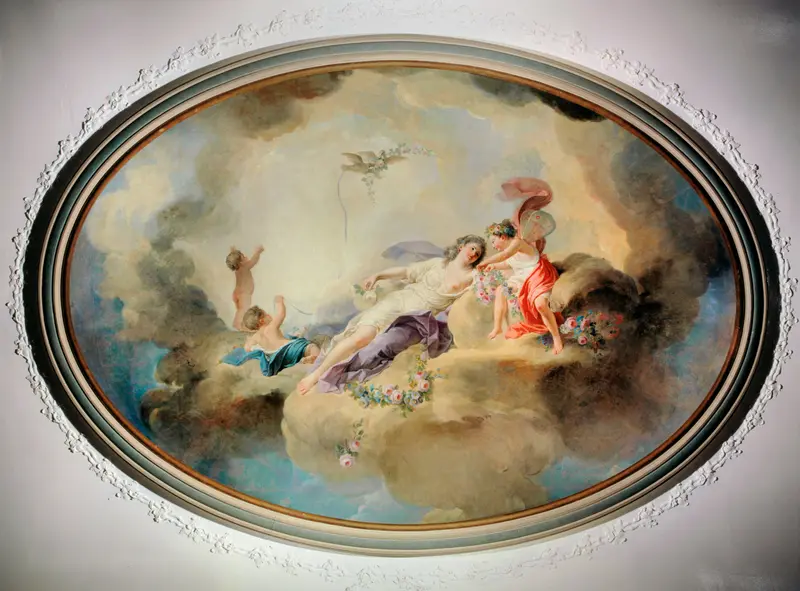
Louis Jean François Lagrenée Le triomphe de Flore P787 Musée Carnavalet
Louis-Jean-François Lagrenée
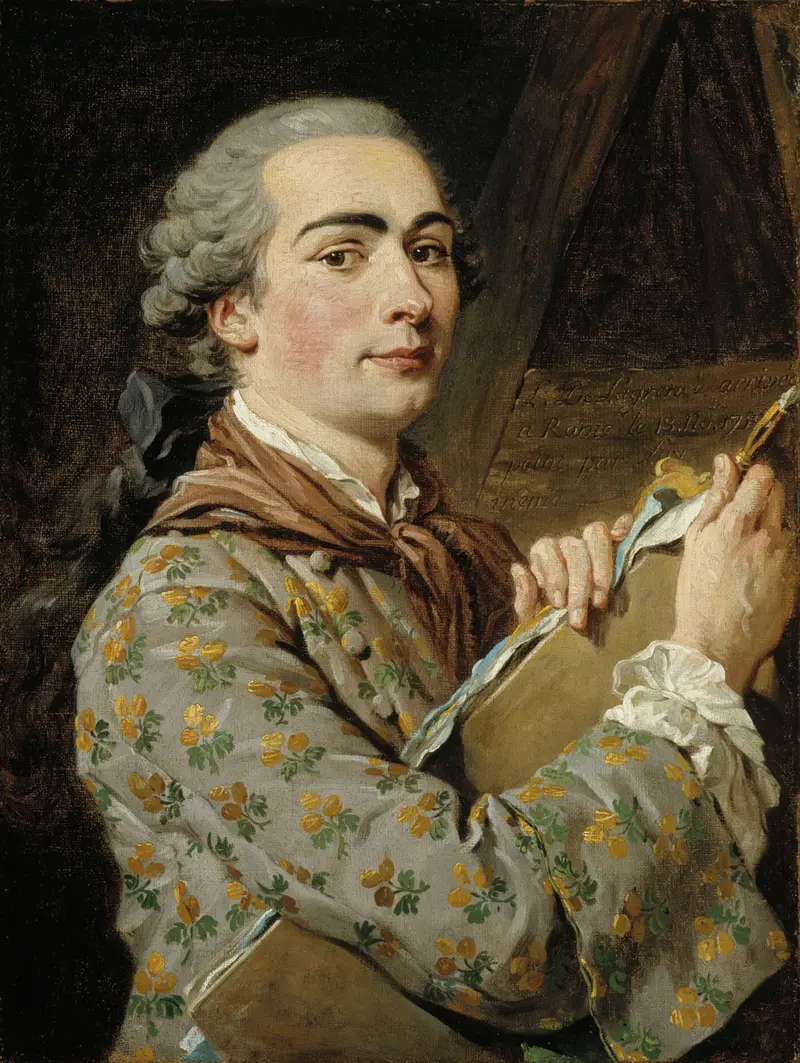
Self-Portrait
Louis-Jean-François Lagrenée
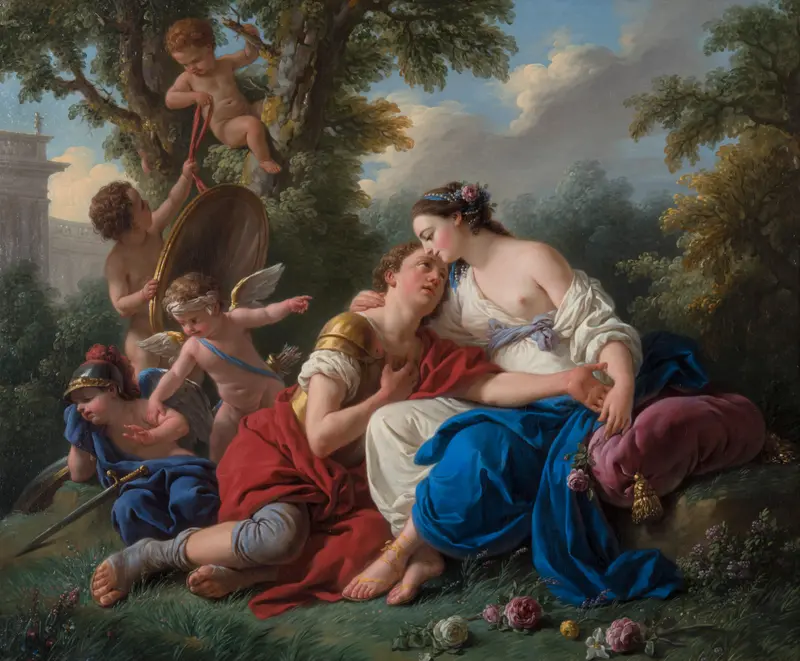
Rinaldo and Armida
Louis-Jean-François Lagrenée
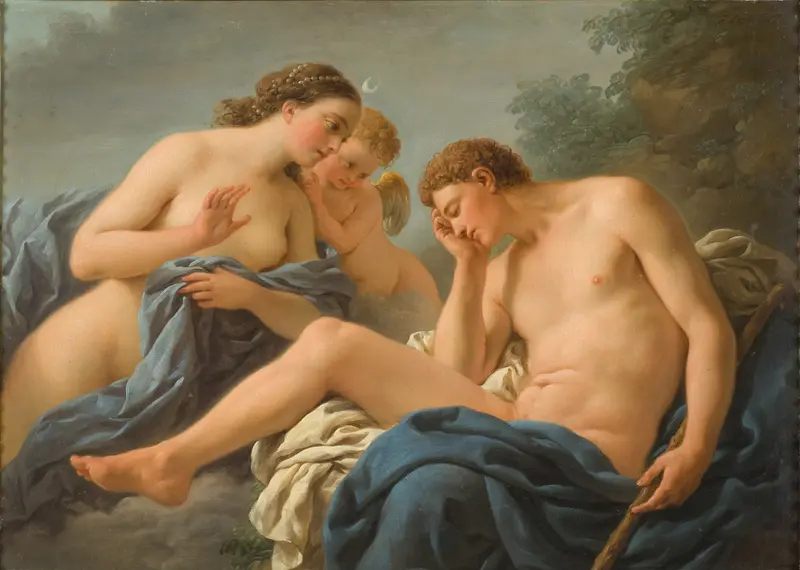
Diana and Endymion
Louis-Jean-François Lagrenée
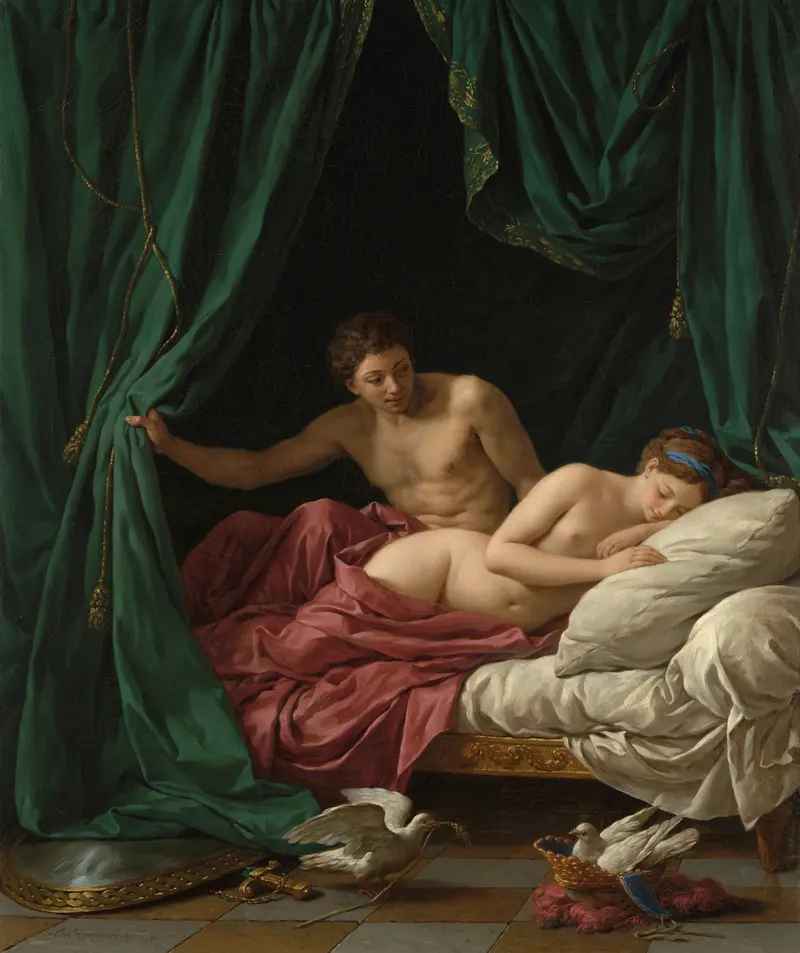
Mars and Venus, Allegory of Peace
Louis-Jean-François Lagrenée





