
The Empress Eugenie at St. Cloud — History & Facts
What first catches the eye in The Empress Eugenie at St. Cloud is the way light seems to flicker and dance across the gathering, as if the painting itself is alive with the memory of laughter and whispered conversations. The figures, though loosely defined, are unmistakably absorbed in a moment of festivity—a swirl of dresses, gestures, and glances that pull the viewer into the heart of a private celebration.
Monticelli’s brushwork is thick, almost sculptural, and the golden palette glows against the deep shadows, suggesting the warmth of lanterns or the last rays of a summer evening. Rather than presenting clear faces or rigid postures, the artist lets movement and atmosphere tell the story, inviting us to imagine the music, the rustle of silk, the sense of privilege and delight. Painted between about 1875 and 1878, this work belongs to a world where private festivities were both social ritual and spectacle, especially among the elite. Such scenes were cherished for their ability to evoke the pleasures of refined company and the fleeting joys of leisure, and artists like Monticelli found eager patrons among the rising bourgeoisie and aristocracy.
The painting now resides in the collection of the Minneapolis Institute of Arts, a reminder of an era when the boundaries between public grandeur and private delight were carefully staged and lovingly recorded. History has kept few traces of these gatherings beyond their painted echoes—look again, and you may sense the hush before laughter, the shimmer of a vanished world.
More Artworks by Adolphe Monticelli

Portrait of a Lady
Adolphe Monticelli
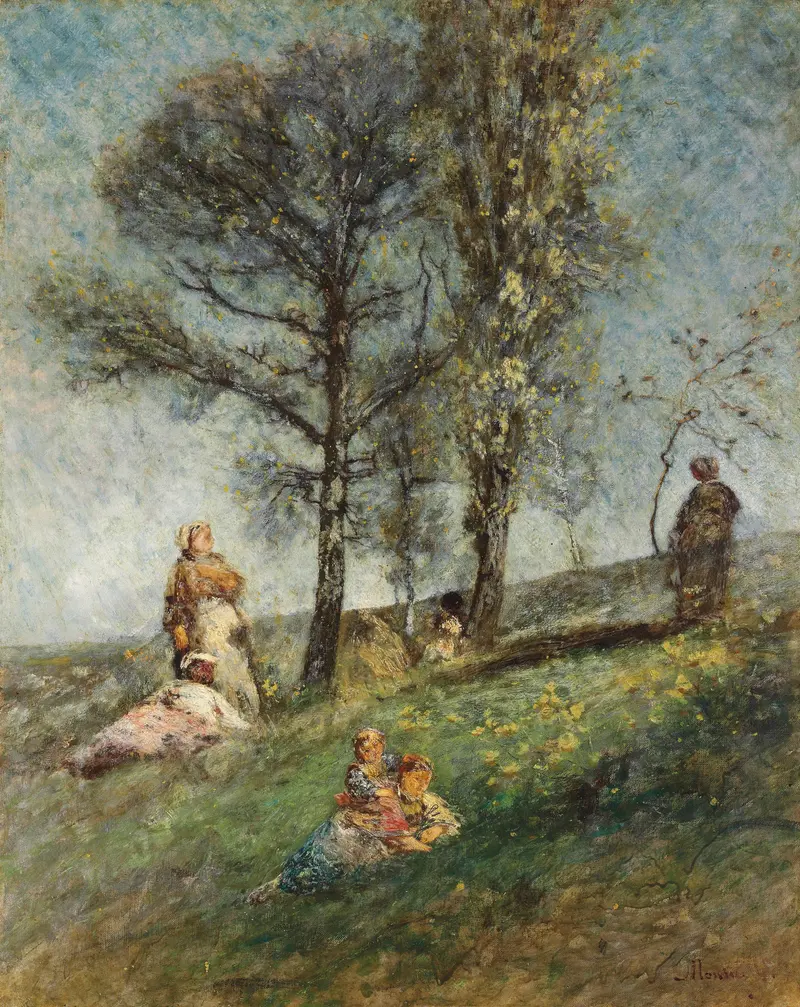
A Young Family Under Trees On A Hill
Adolphe Monticelli

Fête d'Après-Midi
Adolphe Monticelli
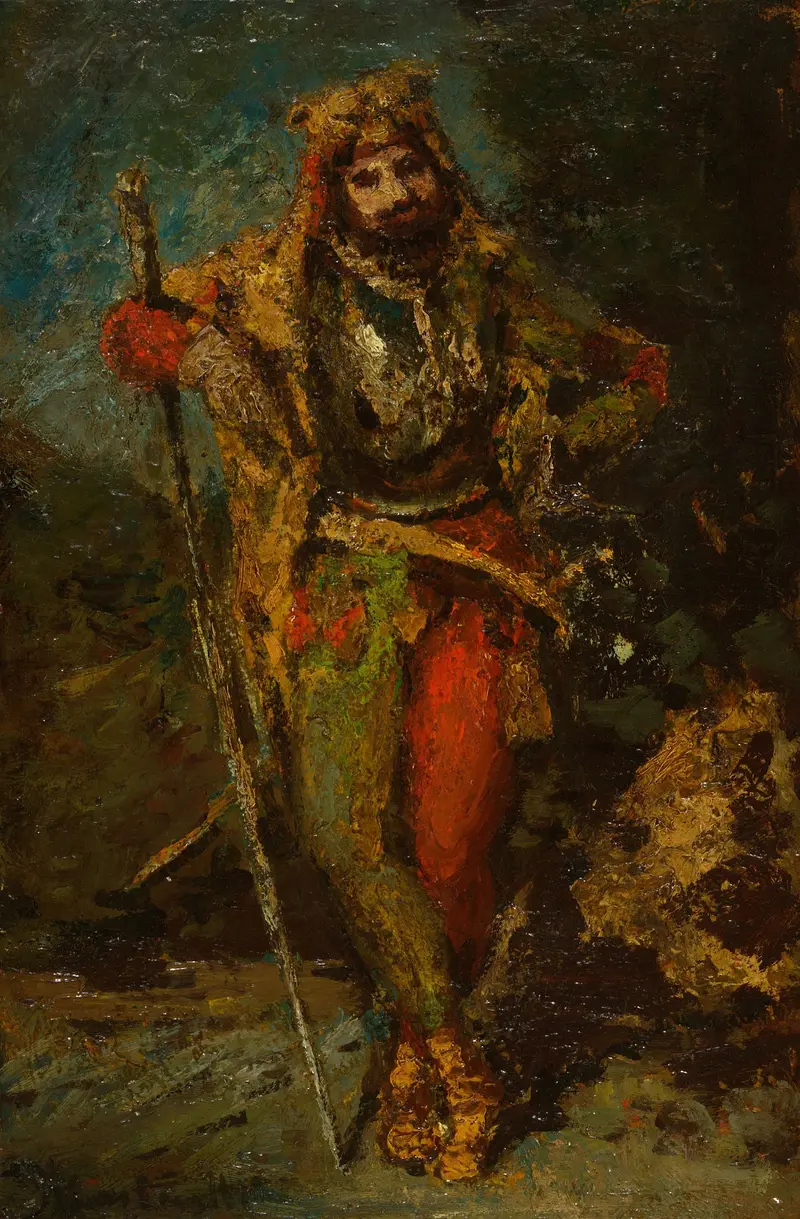
Mephisto from the Opera Faust
Adolphe Monticelli
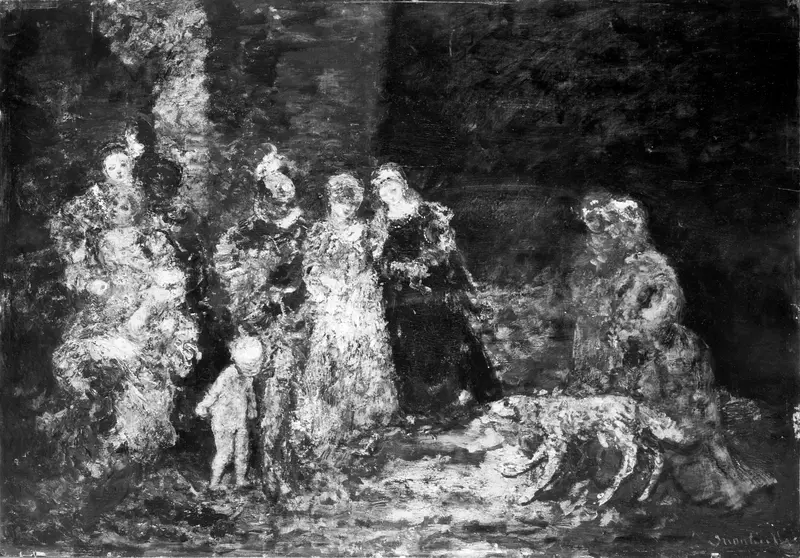
The Fairies
Adolphe Monticelli
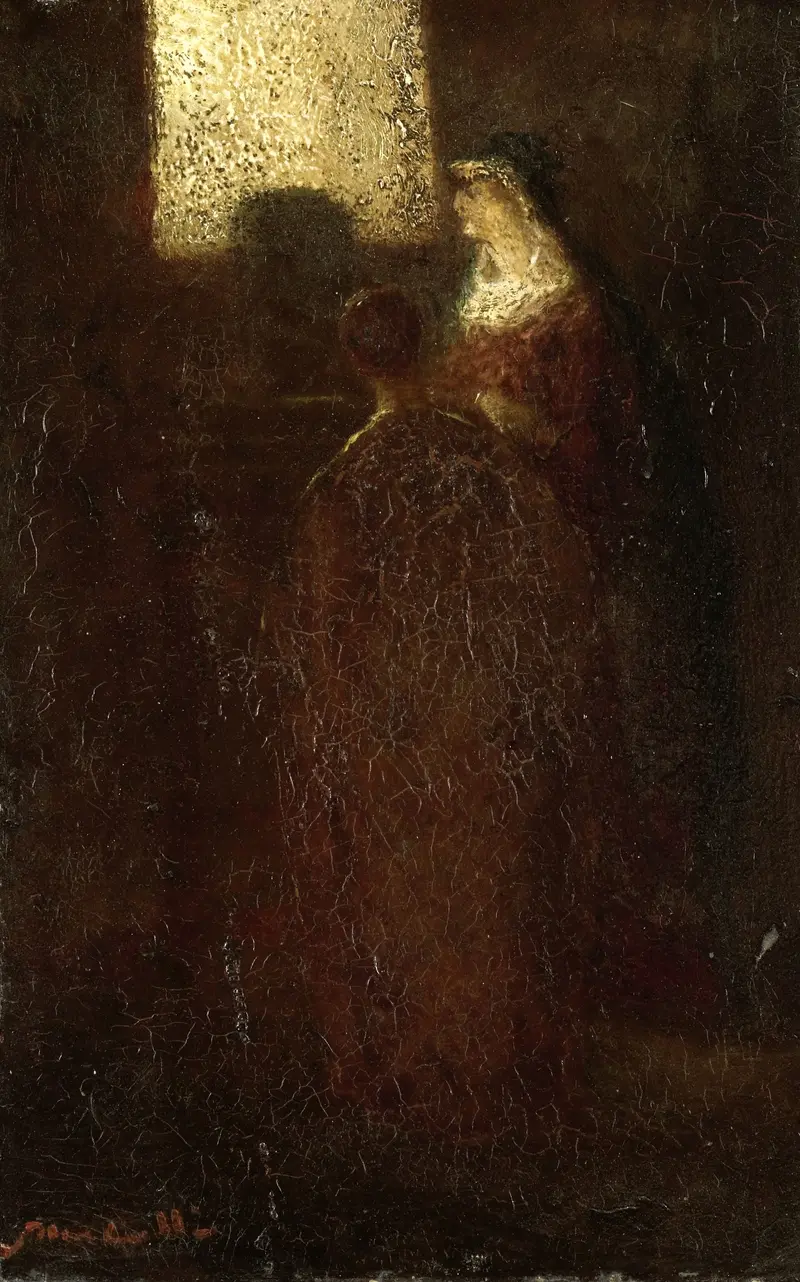
Aan het altaar
Adolphe Monticelli
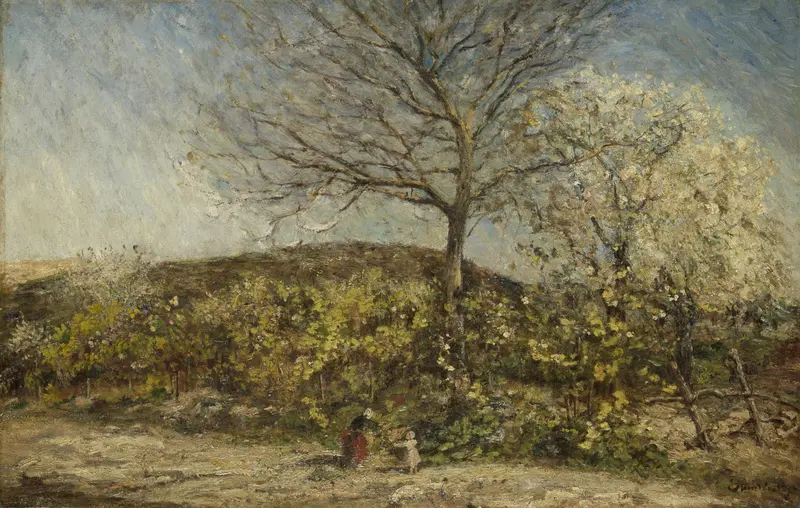
Landschap met bloeiende boomgaard
Adolphe Monticelli
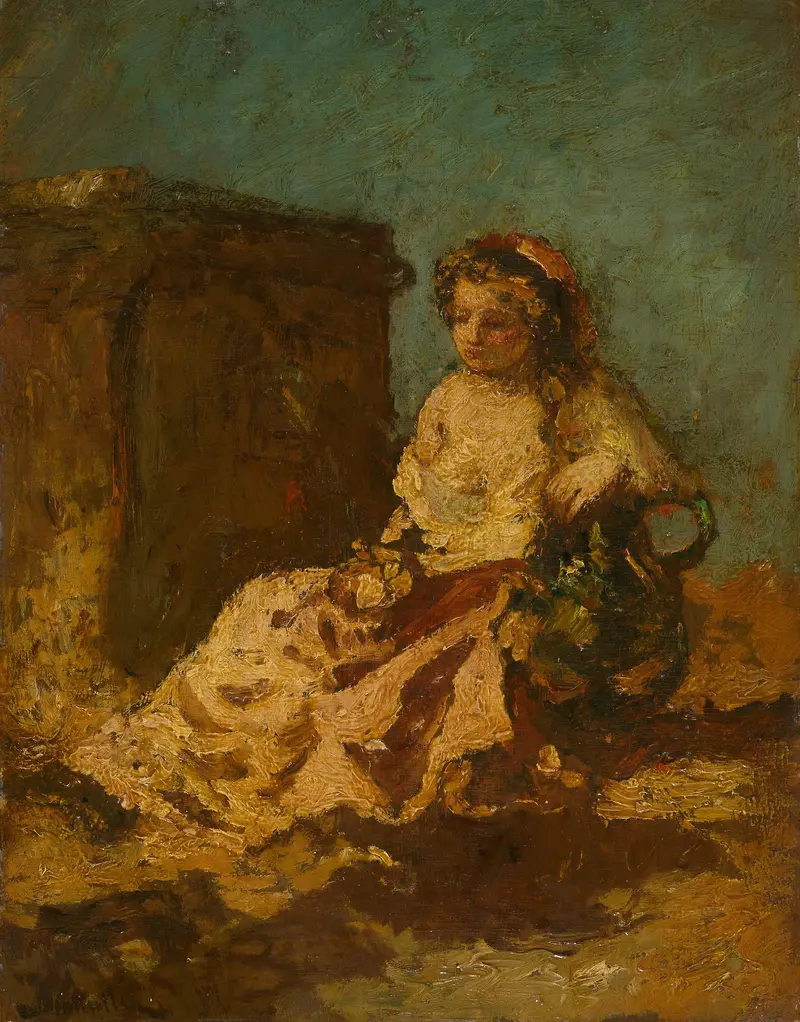
Meditation (Seated Woman)
Adolphe Monticelli
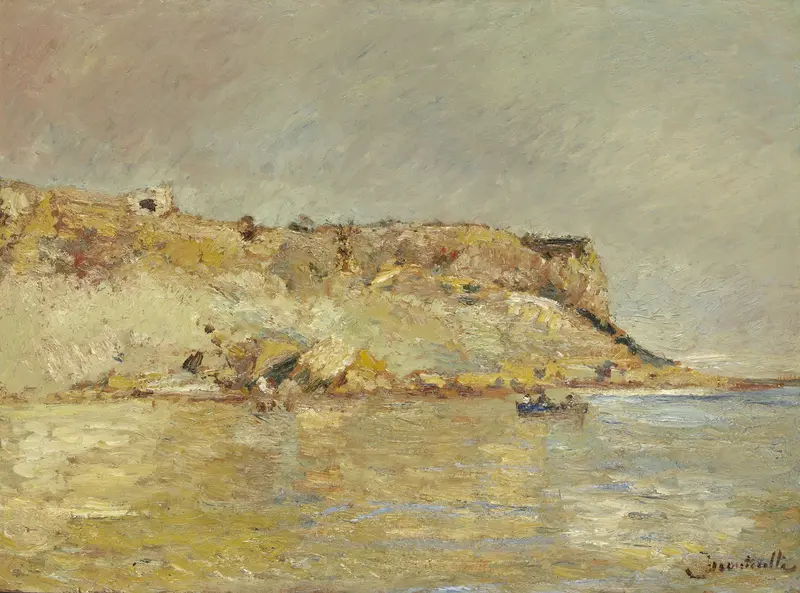
Coastal Mountains
Adolphe Monticelli
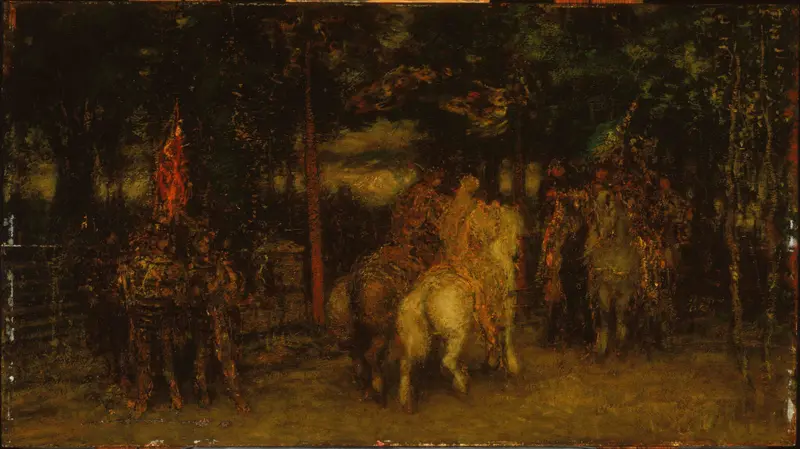
Landscape with Figures
Adolphe Monticelli
More Genre Scene Art

Banquet of the Officers of the St George Civic Guard
Frans Hals

Rembrandt and Saskia in the Scene of the Prodigal Son
Rembrandt van Rijn

Bal du moulin de la Galette
Pierre-Auguste Renoir

Quadrille at the Moulin Rouge
Henri de Toulouse-Lautrec

A Burial at Ornans
Gustave Courbet

When Will You Marry?
Paul Gauguin