
The Fall of the House of Usher (Edgar Allan Poe) — History & Facts
A single figure sits, wrapped in a cloak, isolated against a field of pale emptiness broken only by the stark geometry of black bands and the vertical sweep of a curtain. The eye is drawn first to the sharp profile and the heavy, dark hair—then to the hand, almost skeletal, clutching a flower. Every line is deliberate, every space between lines charged with tension.
The vast blankness presses in, making the figure seem both exposed and entombed, as if the room itself is closing in. The ribbon trailing from the cloak is the only flourish, a gesture of life in a scene otherwise drained of it. Created in 1894, this image belongs to the world of Aubrey Beardsley, whose illustrations transformed the look of late nineteenth-century literature. The drawing’s severe economy of line and dramatic contrasts speak to the tastes of the Decadent movement, which prized elegance, artifice, and psychological intensity.
Such works were often commissioned to accompany the era’s most unsettling stories—here, The Fall of the House of Usher by Edgar Allan Poe—mirroring their atmosphere of dread and collapse. Donated by the Metropolitan Museum of Art to Wikimedia Commons, this piece is a testament to a time when artists and writers alike sought beauty in the strange and the haunted. The longer you look, the more the silence in the image seems to thicken.
More Artworks by Aubrey Beardsley

The Dream
Aubrey Beardsley
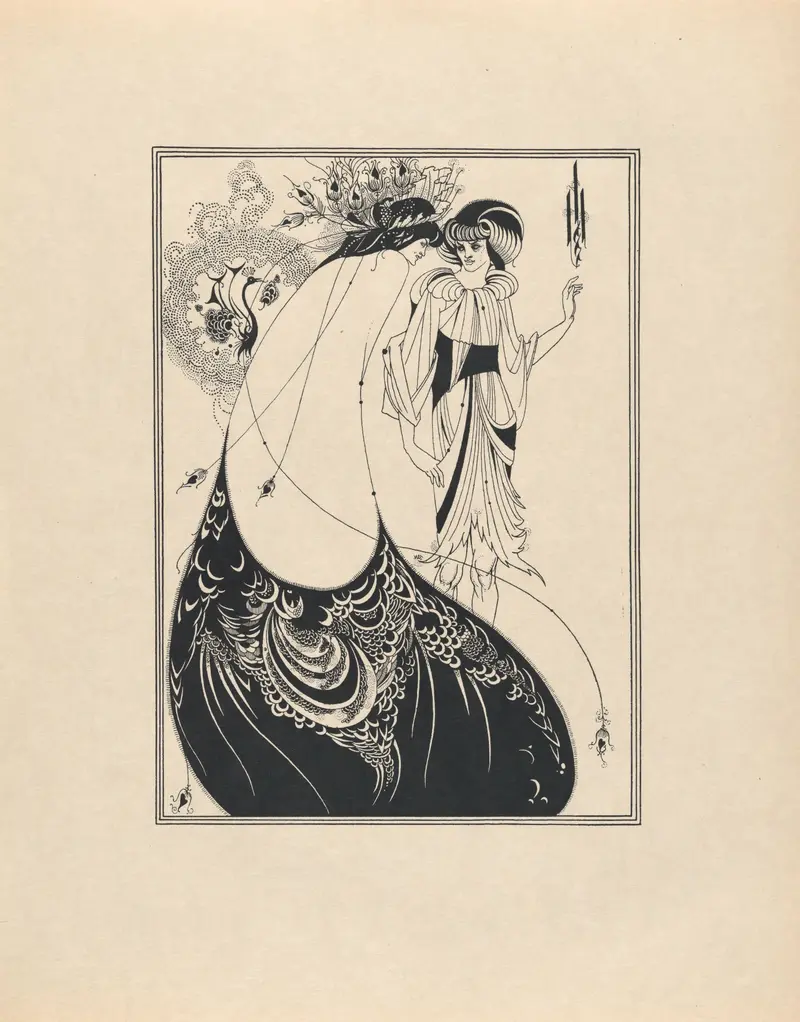
The Peacock Skirt
Aubrey Beardsley
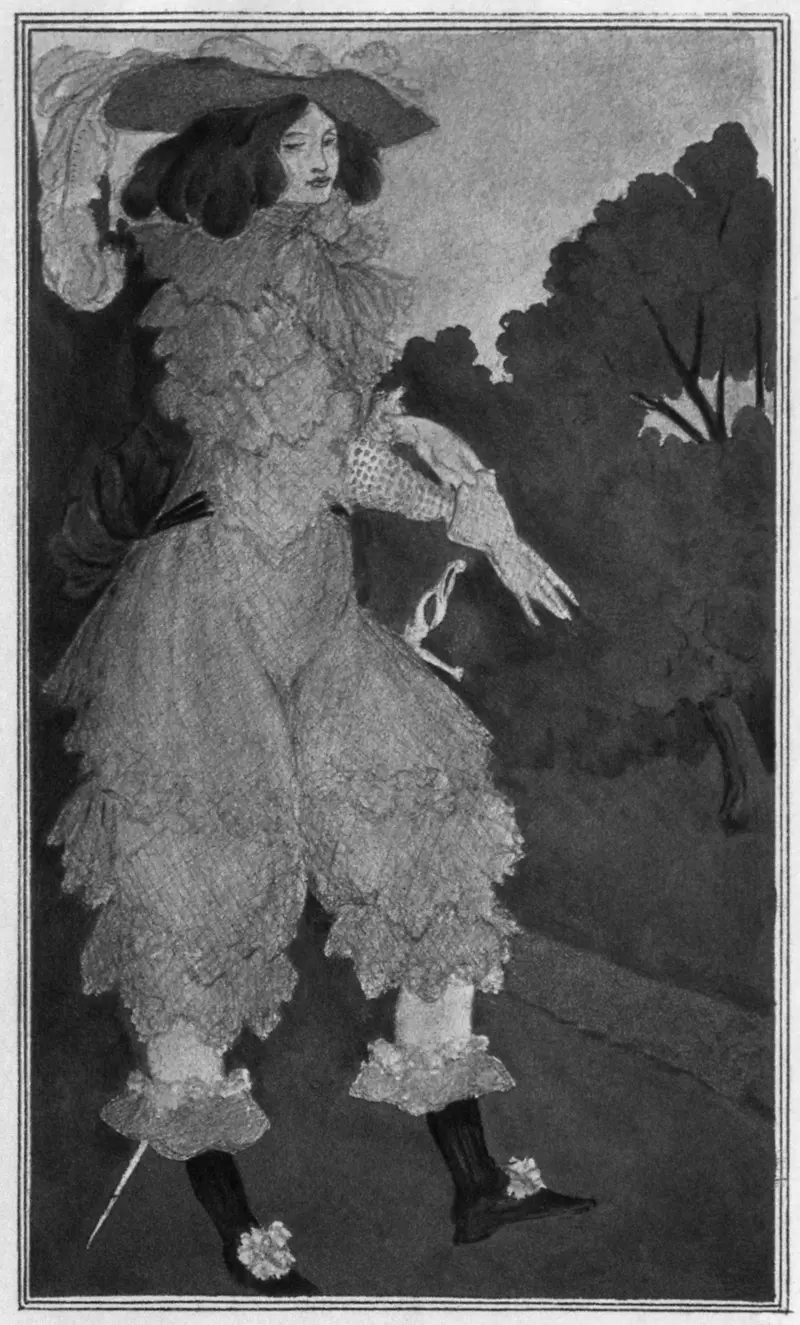
Mademoiselle de Maupin
Aubrey Beardsley
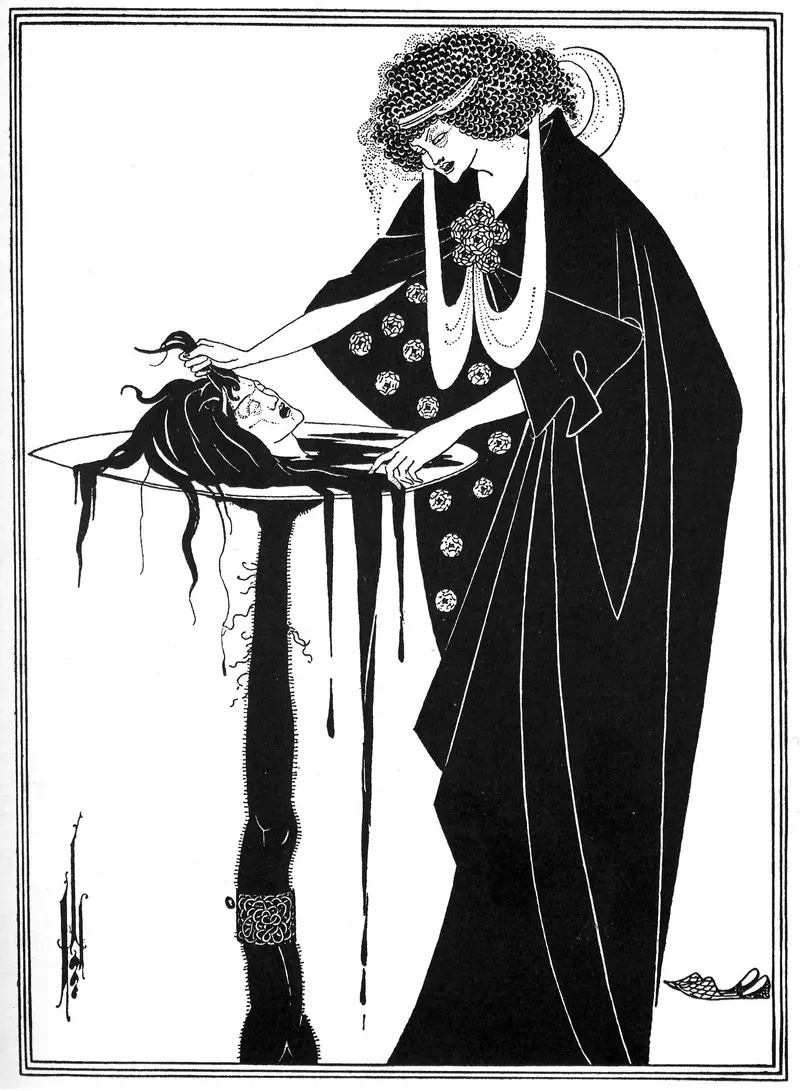
The Dancer's Reward (Salome)
Aubrey Beardsley
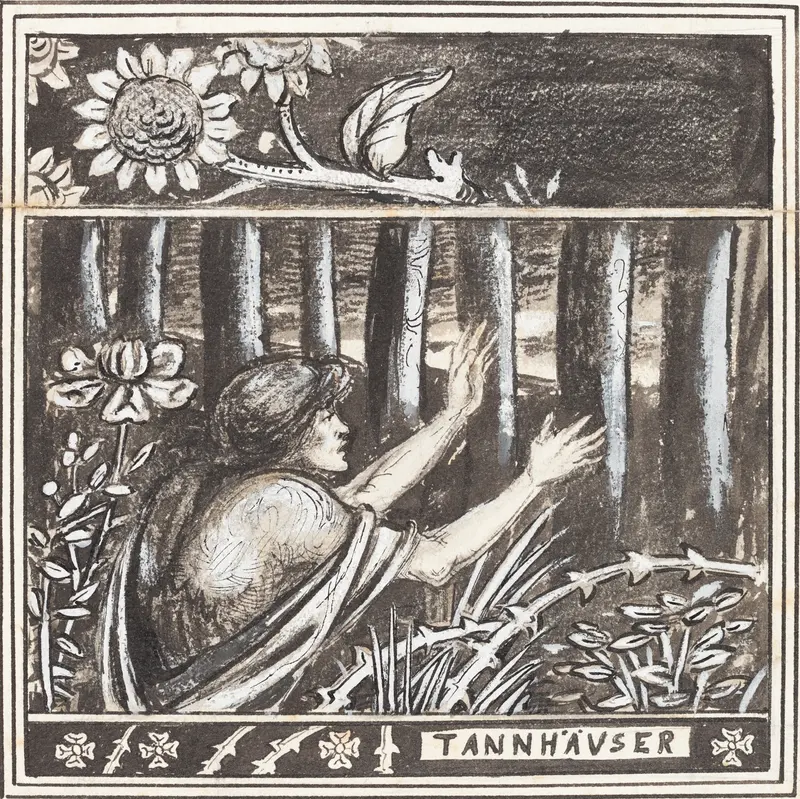
Tannhäuser
Aubrey Beardsley
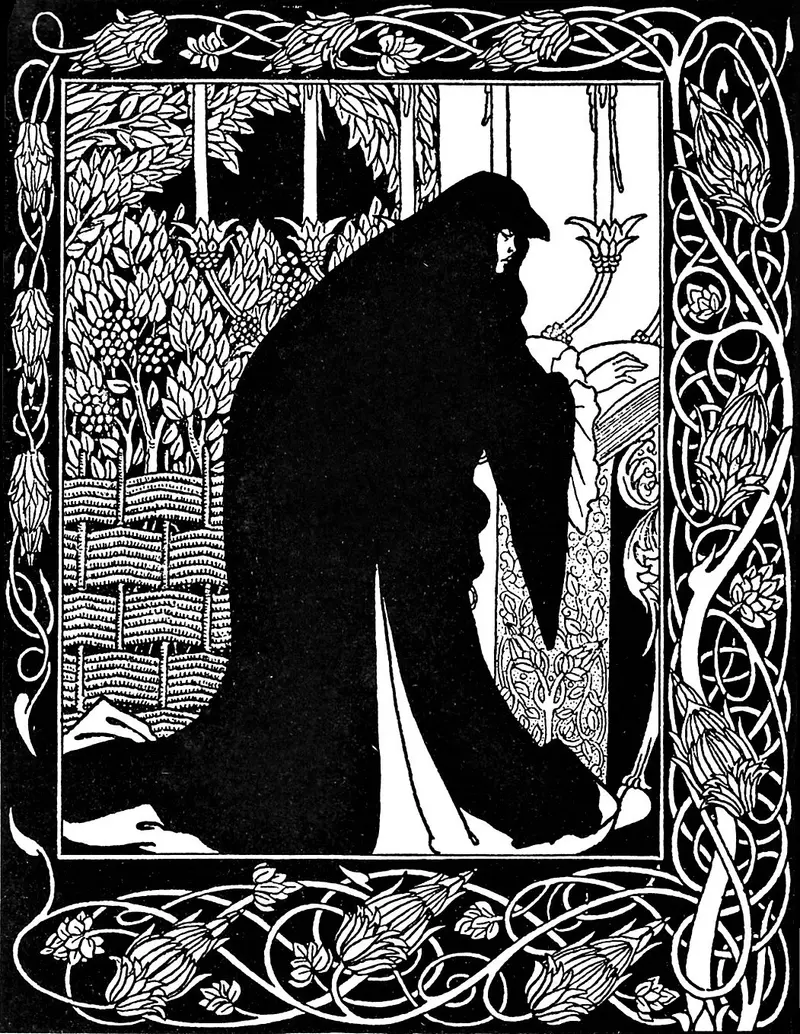
Queen Guenever, a Nun at Almesbury (Le Morte d'Arthur)
Aubrey Beardsley
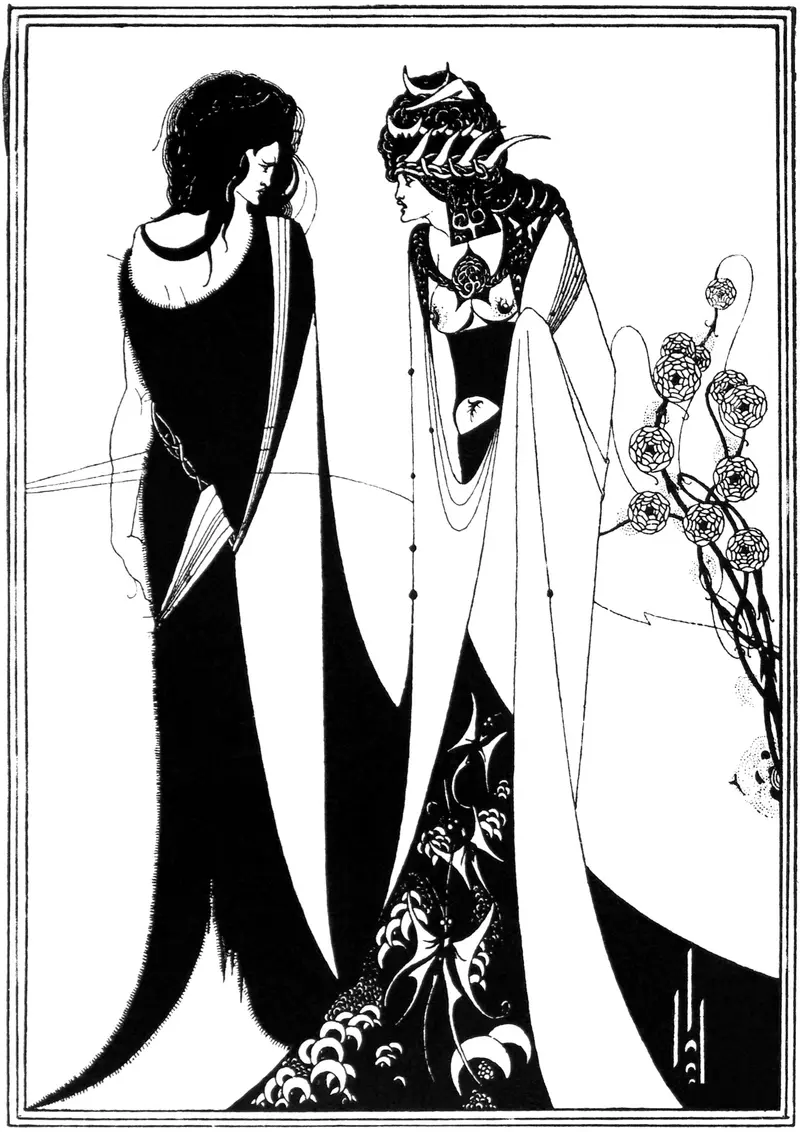
John and Salome
Aubrey Beardsley
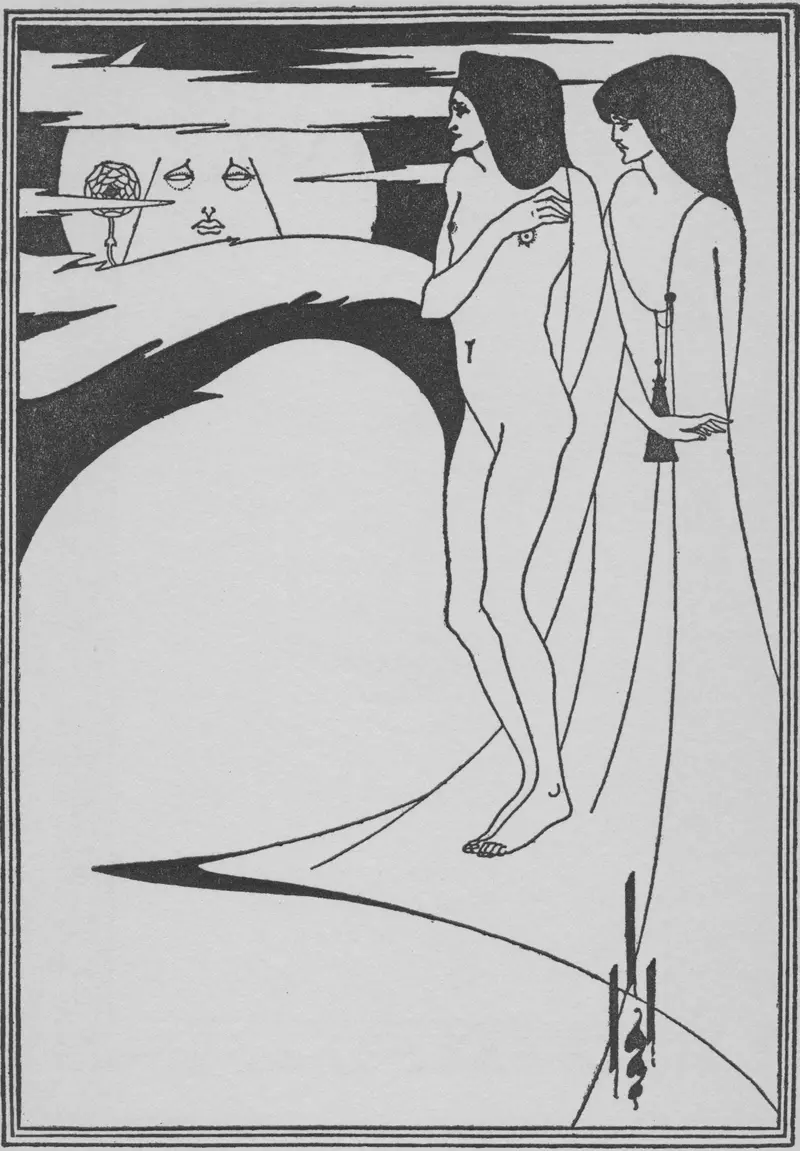
The Woman in the Moon (Salome)
Aubrey Beardsley
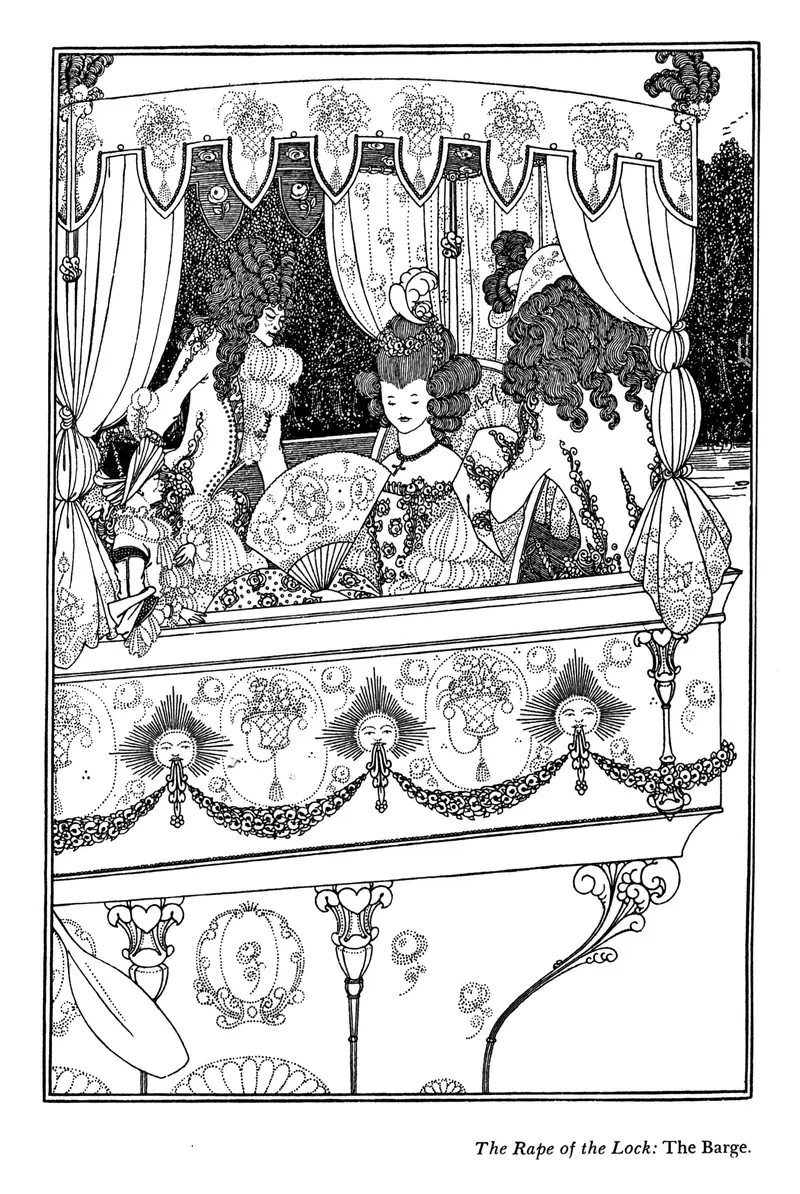
The Barge (The Rape of the Lock)
Aubrey Beardsley
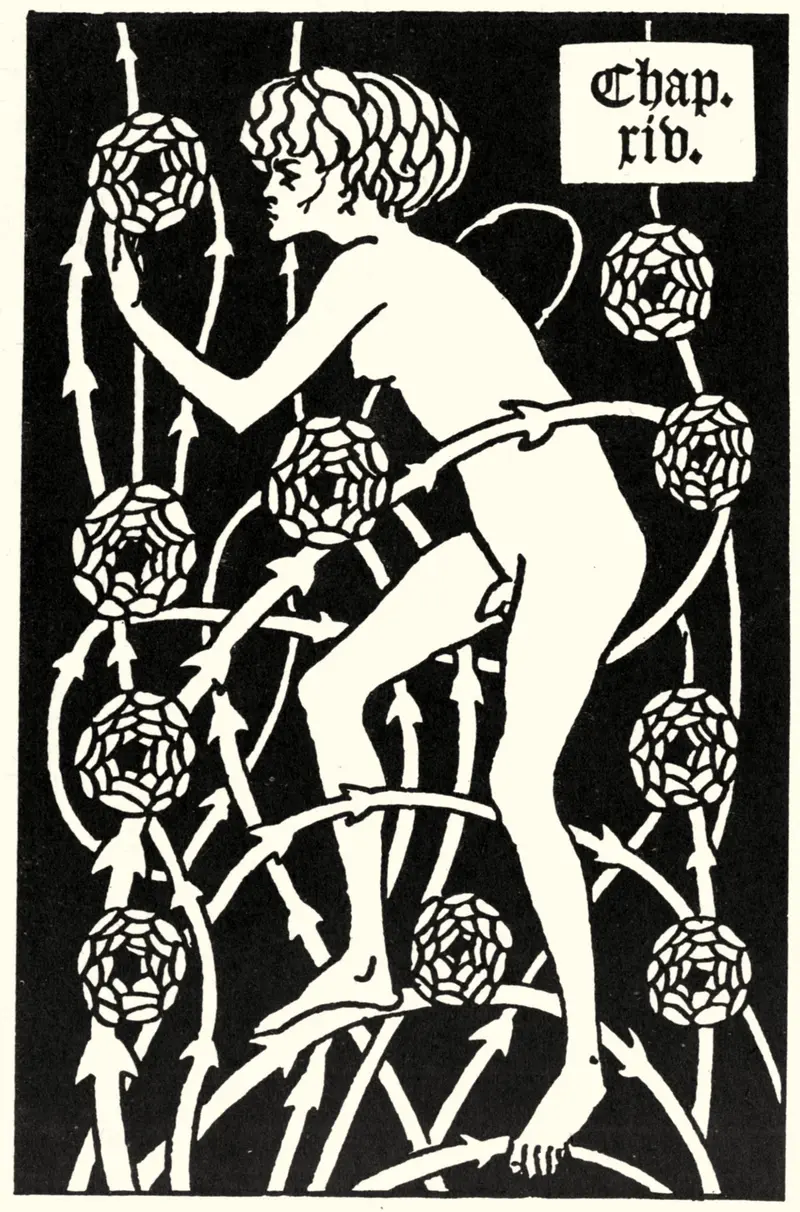
Hermaphroditus (Le Morte d'Arthur)
Aubrey Beardsley





