
The Family in the Garden — History & Facts
No other painting by Gustave Van de Woestijne has generated as much speculation about its date and meaning as The Family in the Garden. Despite the artist's meticulous record-keeping elsewhere, this work appears without mention in his diaries or correspondence, leaving scholars to debate whether it was a private commission or a deeply personal piece. The ambiguity has only added to its allure, drawing viewers and researchers alike into a quiet mystery: why did Van de Woestijne, so often precise, leave this canvas unanchored in time? The scene captures a family gathered in a lush, enclosed garden, each member absorbed in their own world.
The painter’s eye lingers on the subtle distances between the figures—a mother’s protective arm around a child, a father turned slightly away, perhaps lost in thought. The garden, rendered with almost claustrophobic density, becomes a stage for both connection and separation. The use of light, filtered and soft, recalls the introspective domestic spaces of Pierre Bonnard, yet Van de Woestijne’s figures are more statuesque, their stillness hinting at unspoken tensions.
The careful placement of a single white flower near the center suggests innocence or hope amid the close-knit, almost airless setting. Little is known about the early life of this painting, and no records confirm its first exhibition. It is likely that The Family in the Garden was created during Van de Woestijne’s mature period, when he was exploring themes of family, isolation, and the psychological landscape of domestic life—concerns shared by many artists of the early twentieth-century Belgian avant-garde. Today, the painting remains in a private collection, rarely loaned and seldom seen in public.
Its elusive history and uncertain provenance only deepen its quiet power, making it a touchstone for those interested in the more intimate, enigmatic side of Gustave Van de Woestijne’s art.
More Artworks by Gustave Van de Woestijne
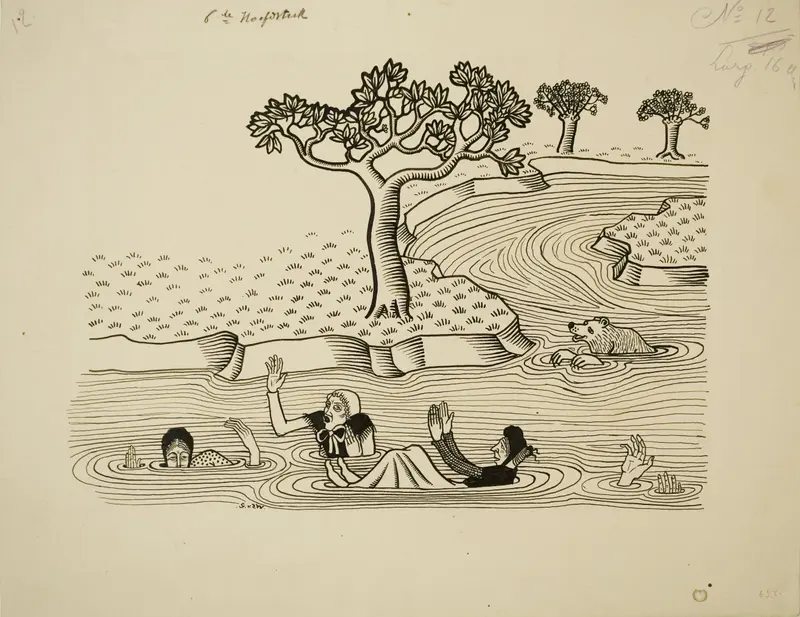
How Brown went out with Reynard where he thought he was eating honey and how he was caught by head and feet and suffered further misfortune
Gustave Van de Woestijne
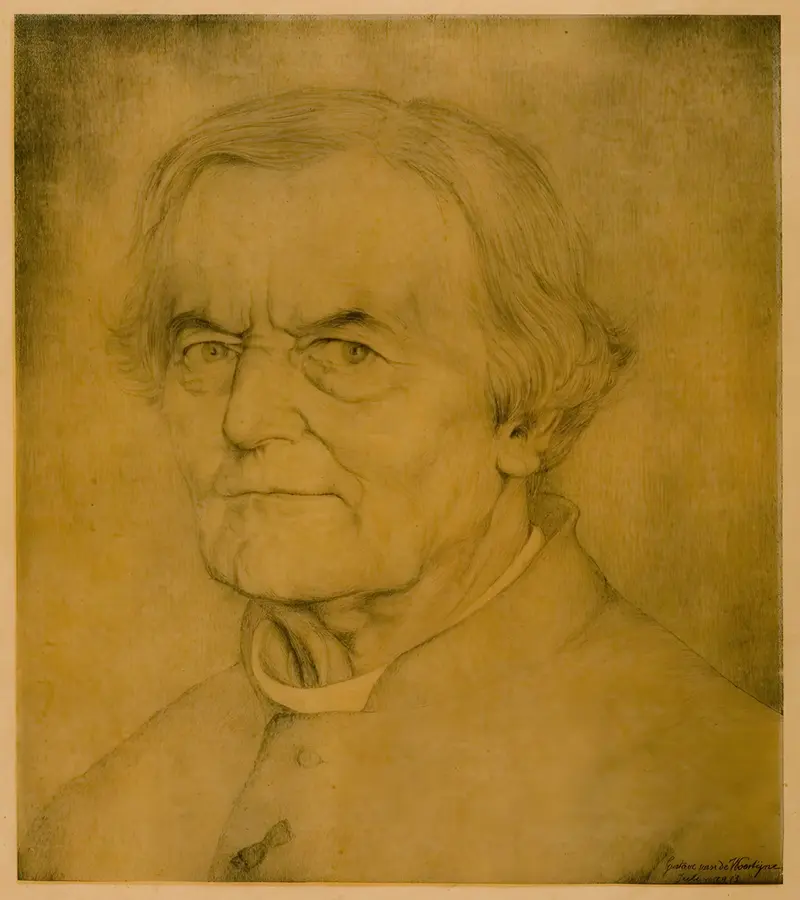
Portrait of Hugo Verriest
Gustave Van de Woestijne
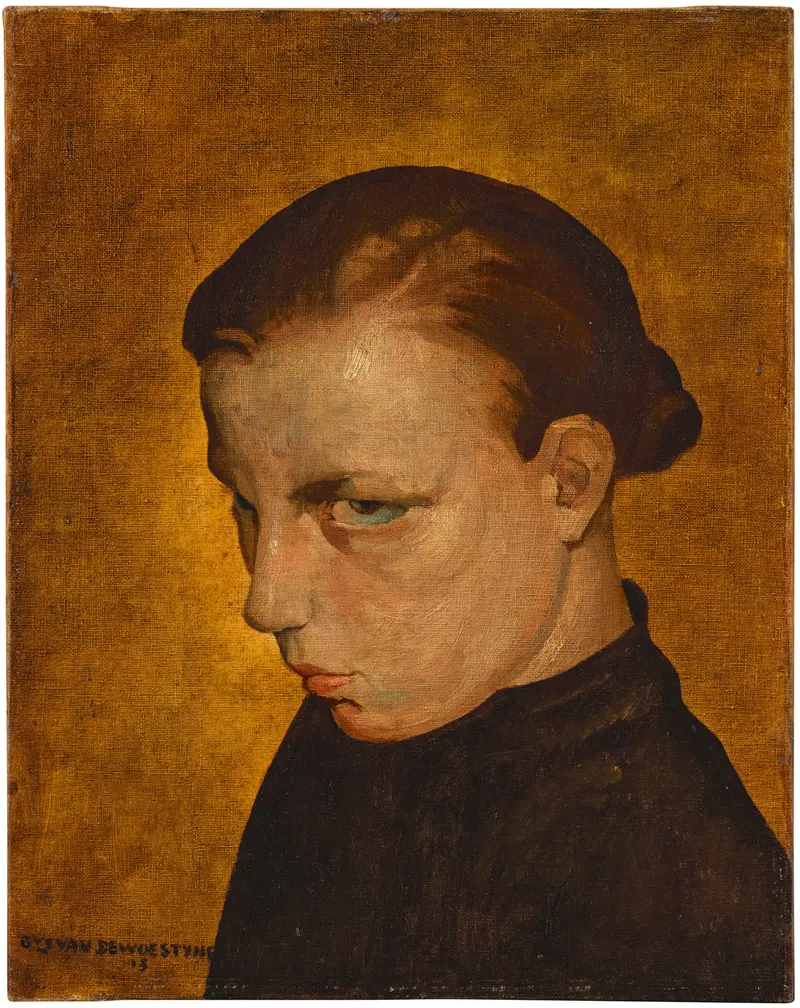
Angèle
Gustave Van de Woestijne
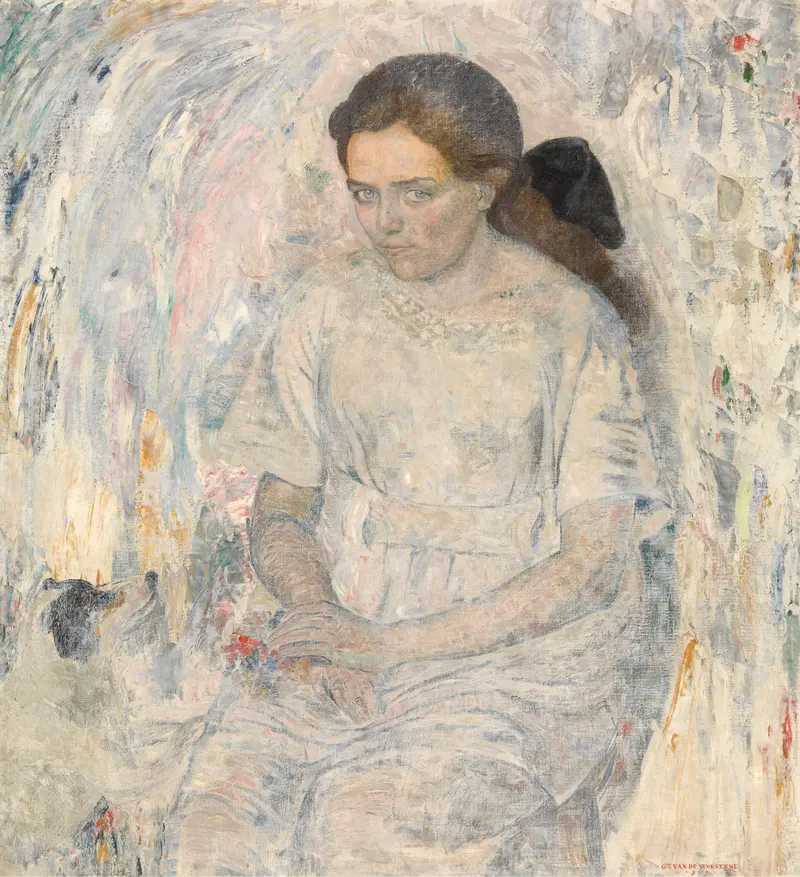
Adrienne
Gustave Van de Woestijne
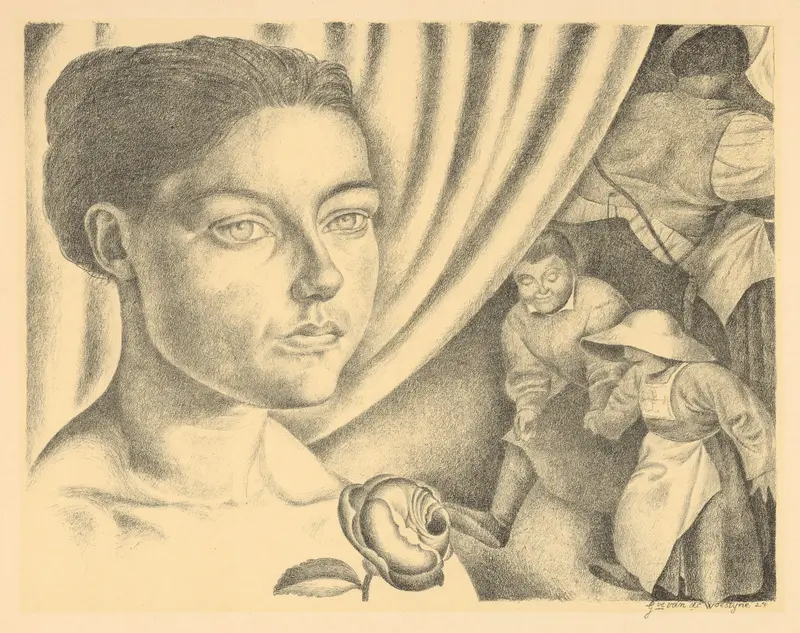
Jeune Femme
Gustave Van de Woestijne
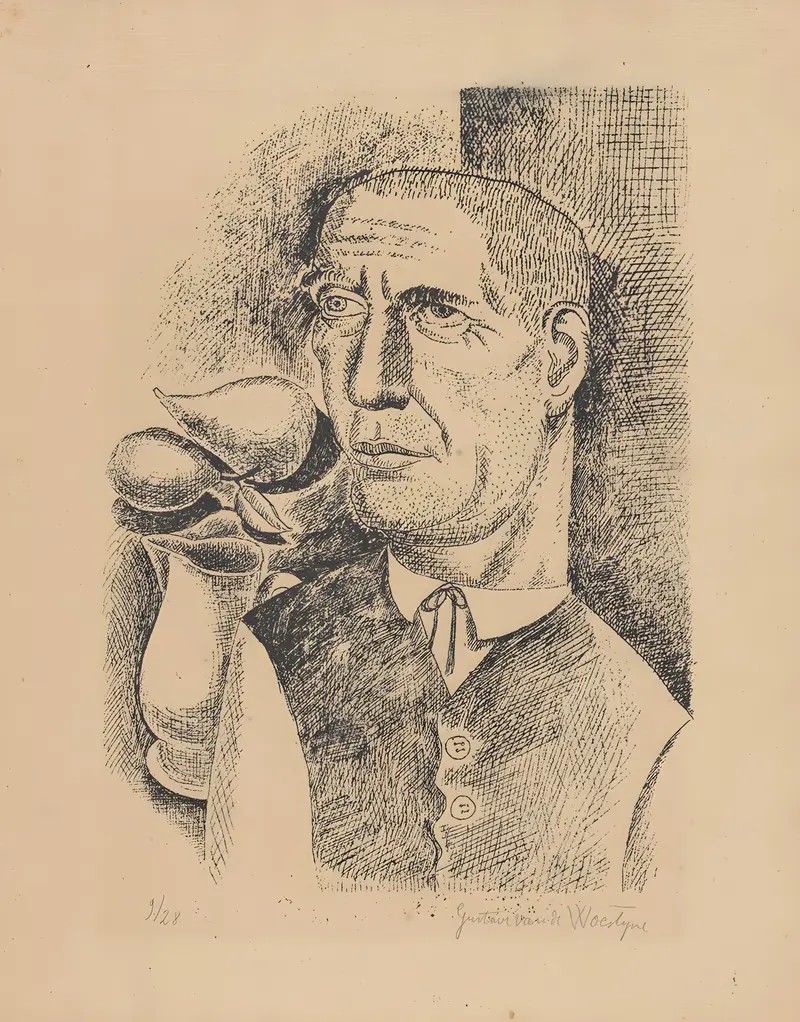
Boer op zijn zondags (Paysan endimanché)
Gustave Van de Woestijne
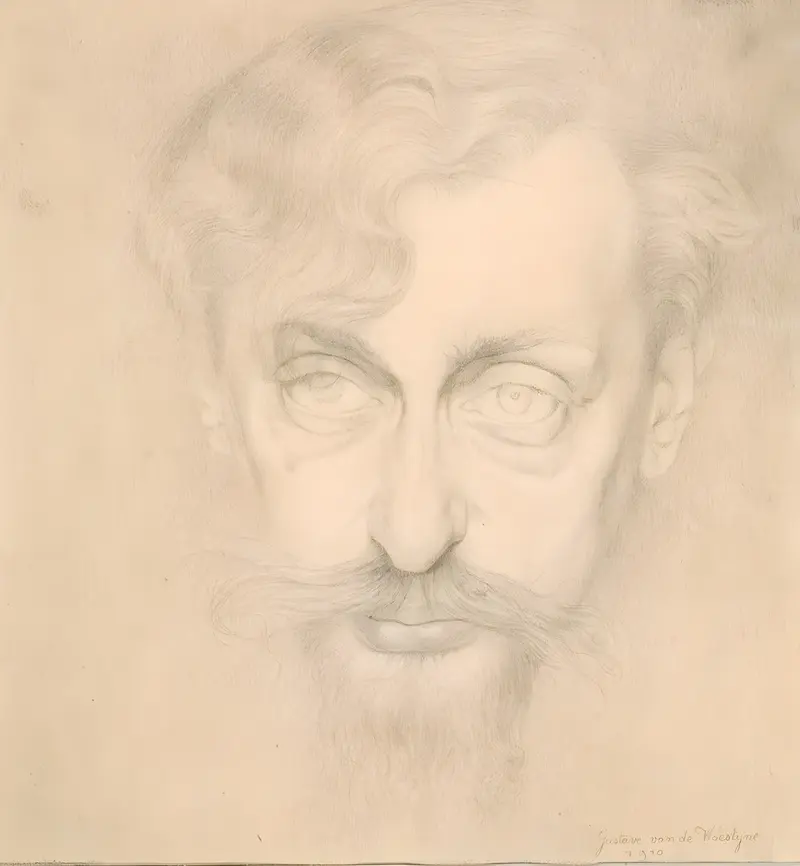
Portrait of the Writer Karel van de Woestijne
Gustave Van de Woestijne
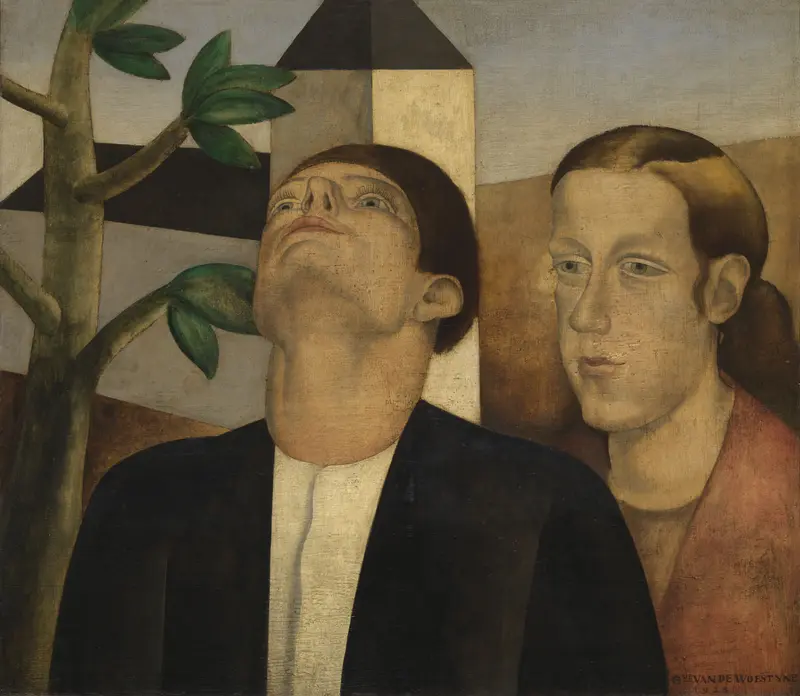
Azure
Gustave Van de Woestijne
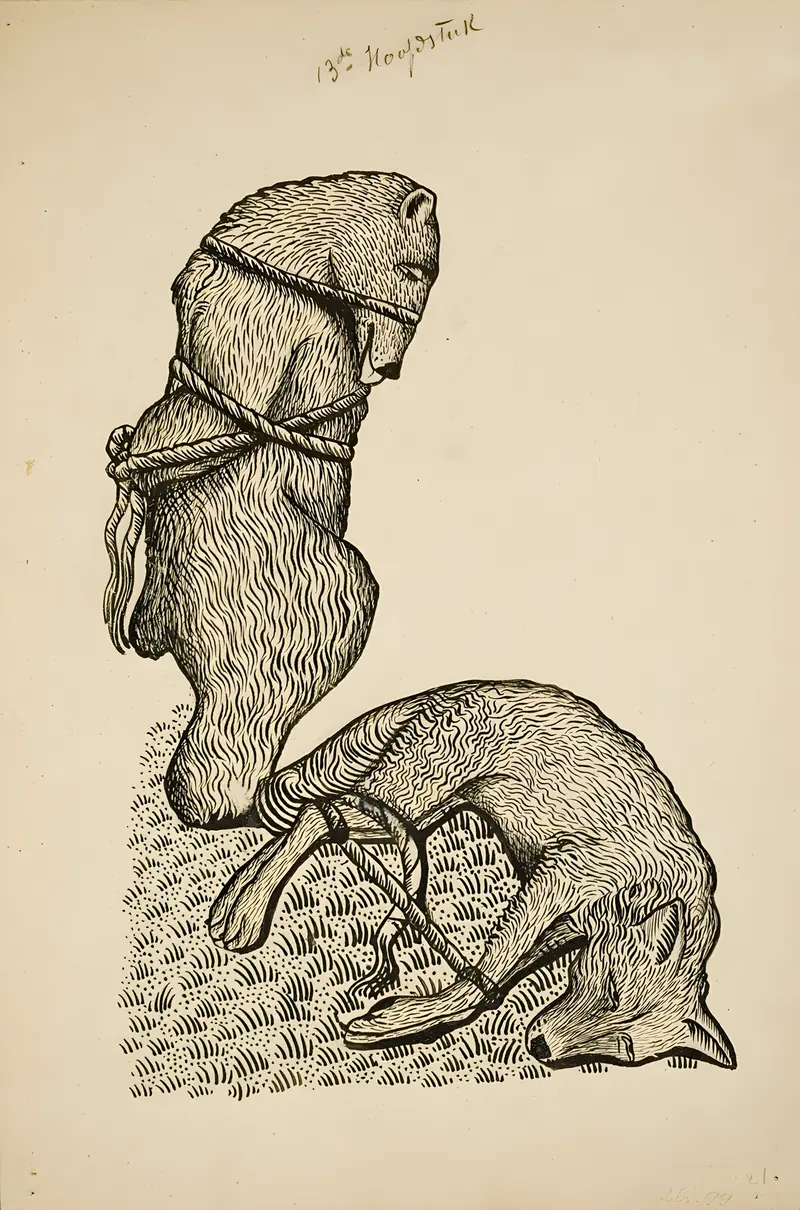
How Reinaert devises a new trick to get free and exterminate his enemies
Gustave Van de Woestijne
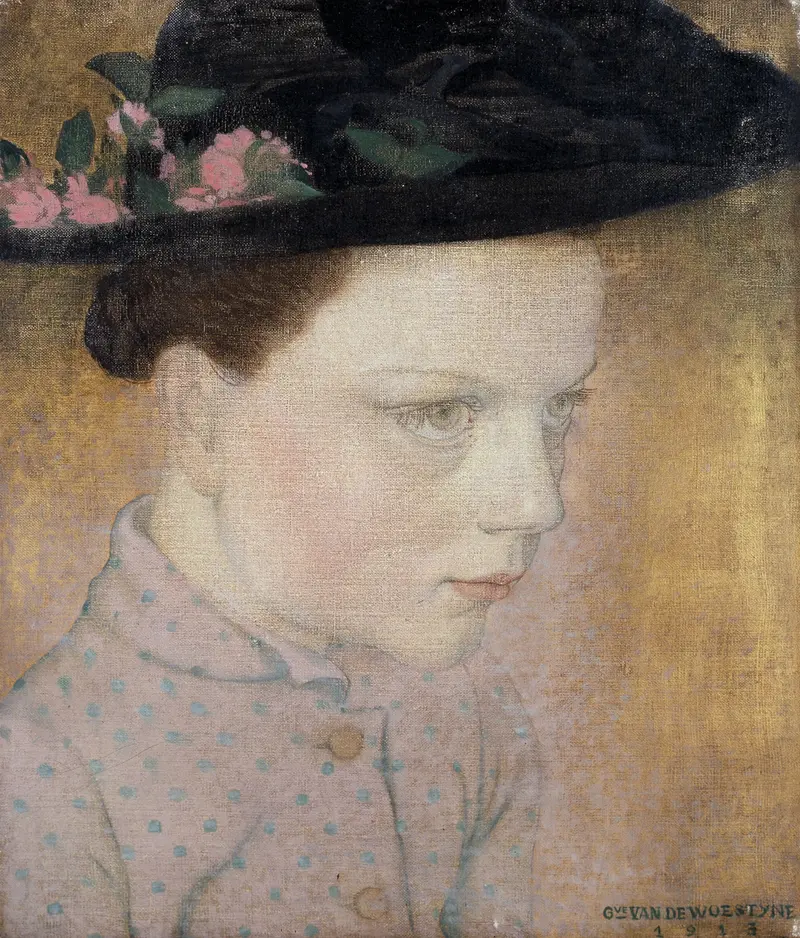
Country Girl
Gustave Van de Woestijne
More Genre Scene Art

Banquet of the Officers of the St George Civic Guard
Frans Hals

Rembrandt and Saskia in the Scene of the Prodigal Son
Rembrandt van Rijn

Bal du moulin de la Galette
Pierre-Auguste Renoir

Quadrille at the Moulin Rouge
Henri de Toulouse-Lautrec

A Burial at Ornans
Gustave Courbet

When Will You Marry?
Paul Gauguin