
Venus and Adonis — History & Facts
What draws the eye first is the charged stillness between the figures: a goddess leans in, her arm draped with intent, lips close to the cheek of a reclining youth whose gaze is fixed somewhere beyond her. The tension in his body, the grip on his spear, and the alert dogs at his side all speak of a moment suspended between love and departure. At the left, a winged Cupid offers up his bow, a silent intermediary whose presence signals the mythic stakes at play.
The artist has carved every muscle and fold of drapery with a precision that makes the marble-cool flesh and velvet shadows pulse with life, while the diagonal sweep of limbs and glances keeps the viewer circling the tableau, searching for the next clue to its meaning. Painted in the mid-eighteenth century but rooted in the language of earlier Baroque drama, this Venus and Adonis by Alessandro Turchi belongs to a tradition that delighted in retelling ancient stories for new patrons. Scenes like this, drawn from Ovid’s Metamorphoses, were favored by collectors who sought both sensual beauty and the intellectual pleasure of myth. The Dresden collection, where this work is documented, was famed for gathering such treasures—objects meant to inspire conversation and contemplation in princely galleries.
History has kept few traces of this specific painting’s journey, but its survival in print and collection records lets us stand, for a moment, in the same hush of anticipation that fills the scene itself.
More Artworks by Alessandro Turchi

The Flood
Alessandro Turchi
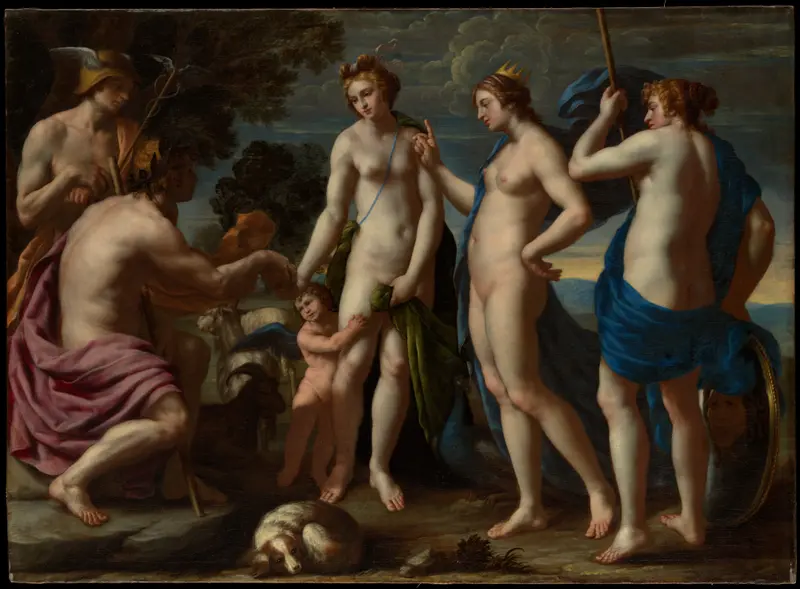
Judgment of Paris
Alessandro Turchi
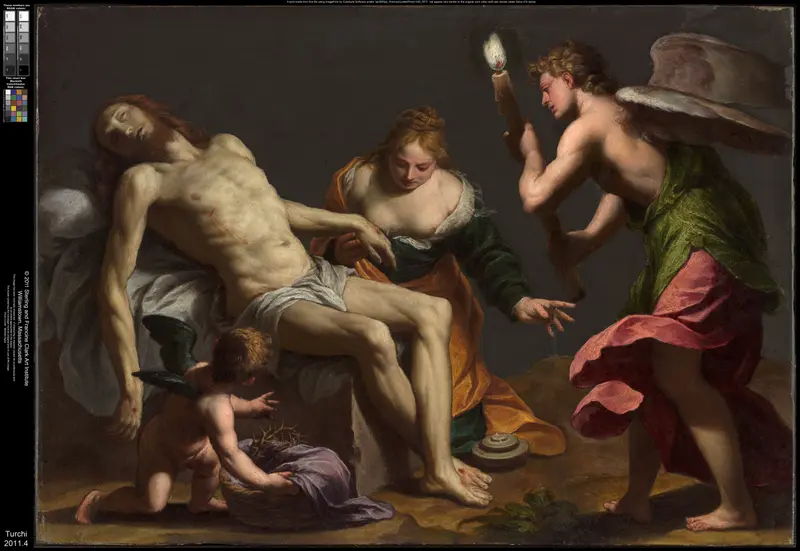
Lamentation over the Body of Christ
Alessandro Turchi
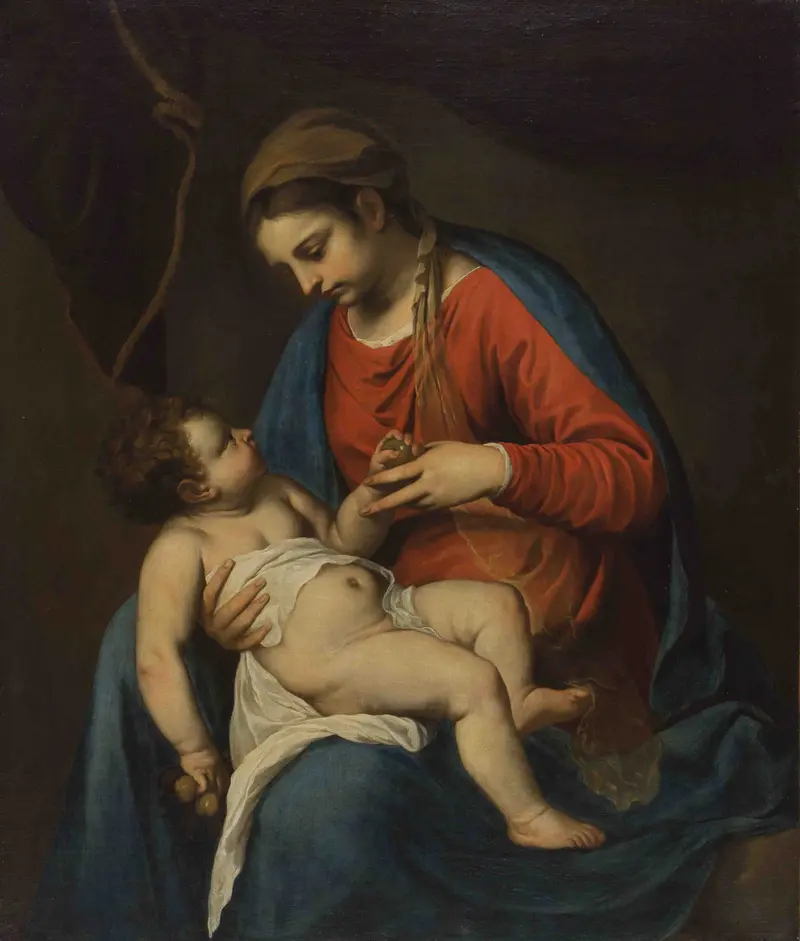
Maria with Child
Alessandro Turchi

Saint Peter visits Saint Agatha in her Prison
Alessandro Turchi
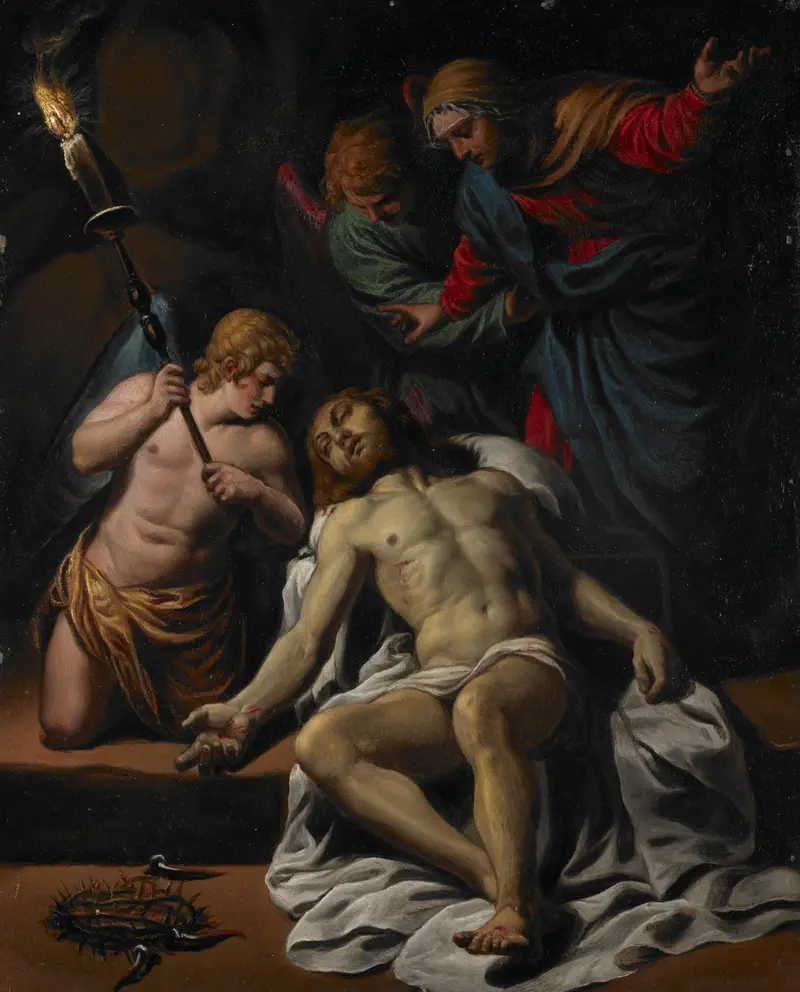
The Lamentation
Alessandro Turchi
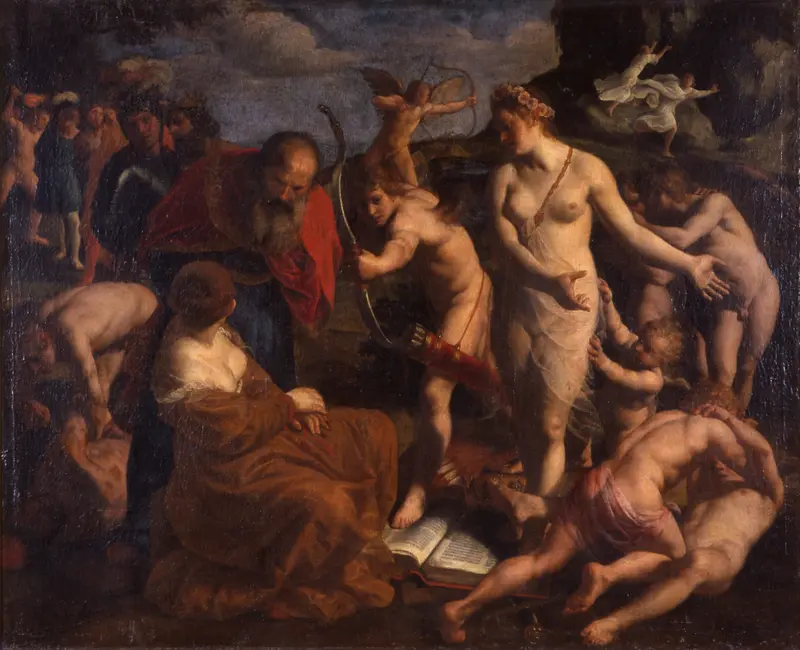
Allegory on the Power of Love ('Omnia Vincit Amor')
Alessandro Turchi
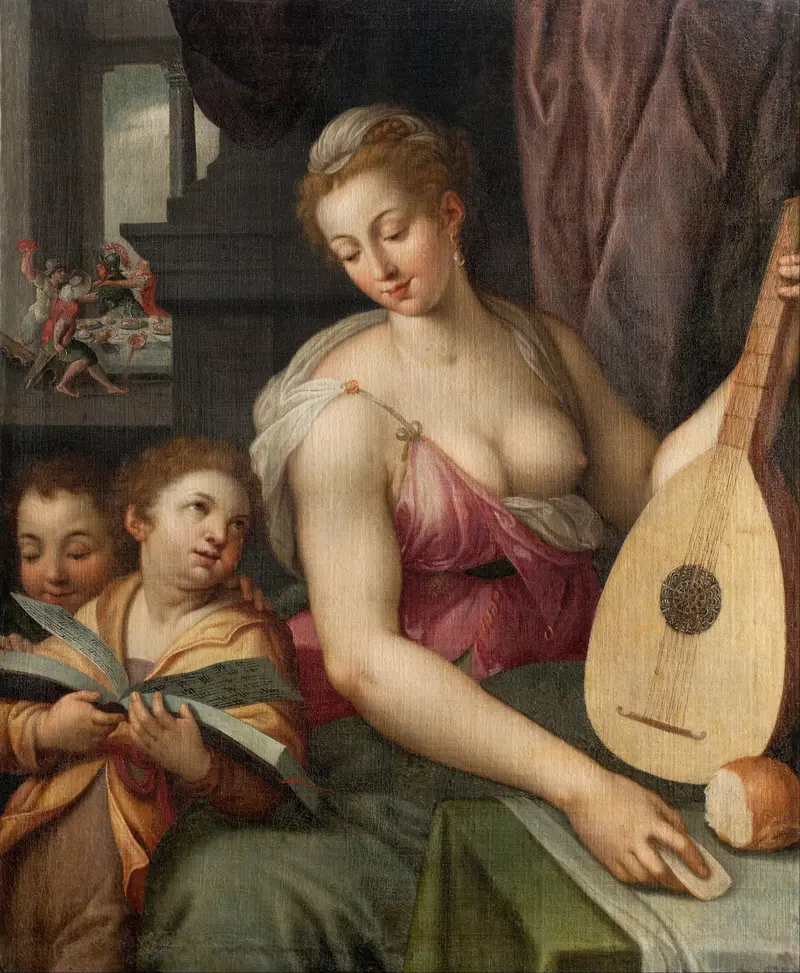
Allegory of Music
Alessandro Turchi
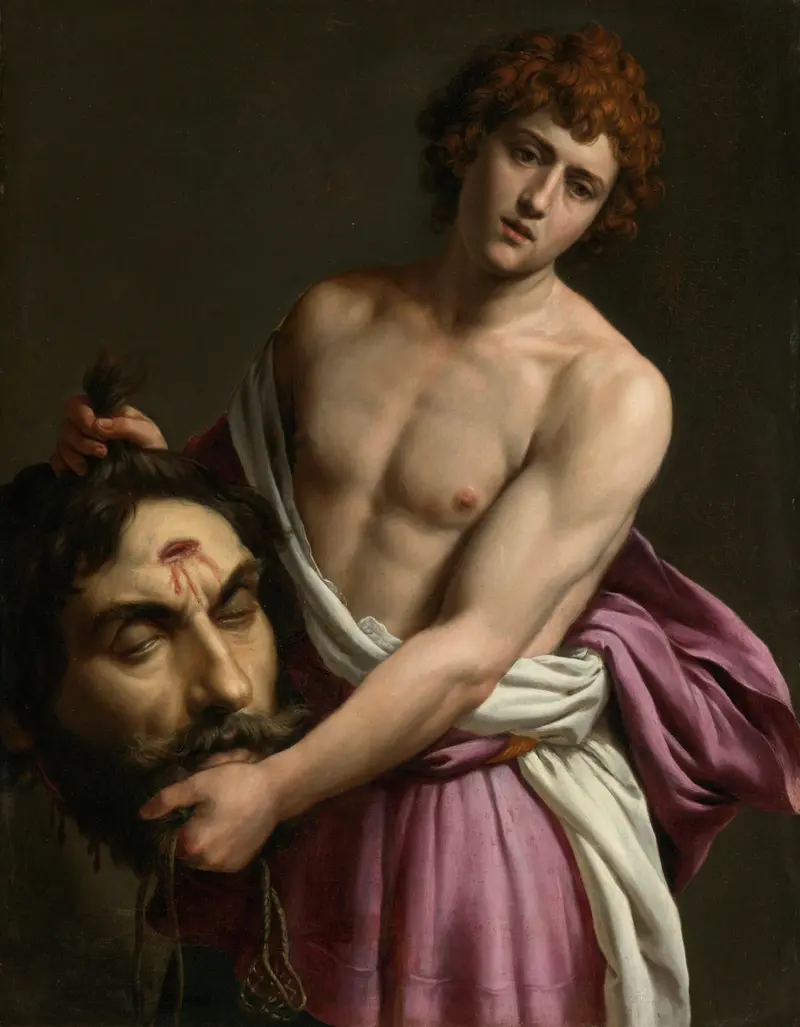
David with the Head of Goliath
Alessandro Turchi
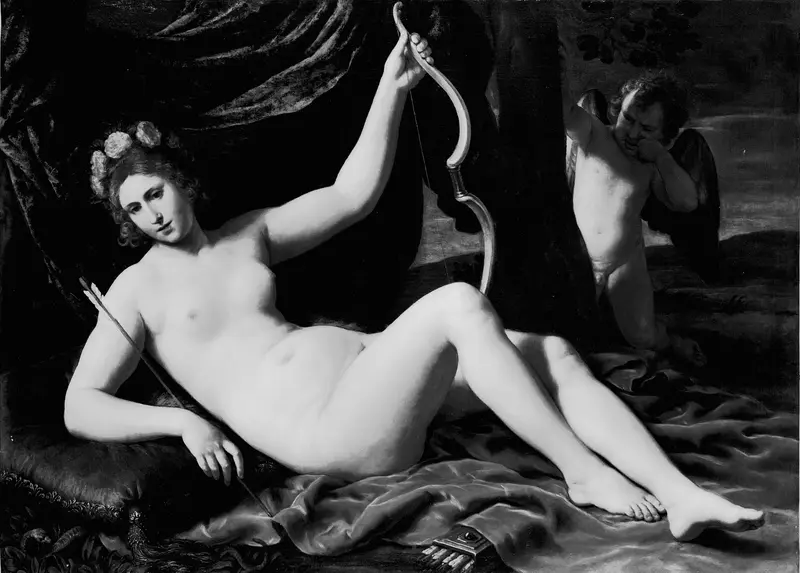
Venus and Cupid
Alessandro Turchi





