
The Four Seasons — History & Facts
Few series in 17th-century French art have inspired as much curiosity as The Four Seasons by Simon Vouet, not least because the original commission and precise dating remain elusive. What is certain is that Vouet, a central figure in introducing the Italian Baroque style to France, tackled the allegory of the seasons more than once, and his versions have been widely dispersed and sometimes confused with those of his followers. The paintings’ whereabouts and attributions have shifted over time, fueling debates among art historians about which canvases are truly Vouet’s hand and which were completed by his workshop or imitators. In The Four Seasons, Vouet personifies Spring, Summer, Autumn, and Winter as elegant female figures, each surrounded by attributes that signal their time of year: garlands of flowers for Spring, golden wheat for Summer, grape-laden vines for Autumn, and a brazier or heavy cloak for Winter.
The moment captured is not a narrative from myth or scripture, but a tableau of nature’s eternal cycle, rendered with the theatrical lighting and graceful gestures that Vouet brought back from Rome. The women’s intertwined poses and opulent drapery recall the allegorical works of Nicolas Poussin, though Vouet’s approach is softer, more decorative, and attuned to the tastes of the French court. Every object—fruit, flowers, vessels—serves as a coded reference, inviting viewers to contemplate the passage of time and the abundance of each season. The physical history of The Four Seasons is as varied as the seasons themselves.
While the original patron is unknown, such allegorical series were often commissioned by wealthy collectors or royal patrons to decorate grand interiors, reflecting both erudition and taste. Over centuries, individual paintings from the set have been separated, reunited, and sometimes misattributed, complicating the task of cataloguing Vouet’s oeuvre. Today, different versions and fragments reside in museums and private collections across Europe, testament to Vouet’s enduring appeal and the popularity of this subject in the Baroque era.
The series marks a high point in Vouet’s career, showcasing his synthesis of Italian dynamism and French refinement.
More Artworks by Simon Vouet

Portrait of Louis XIII
Simon Vouet
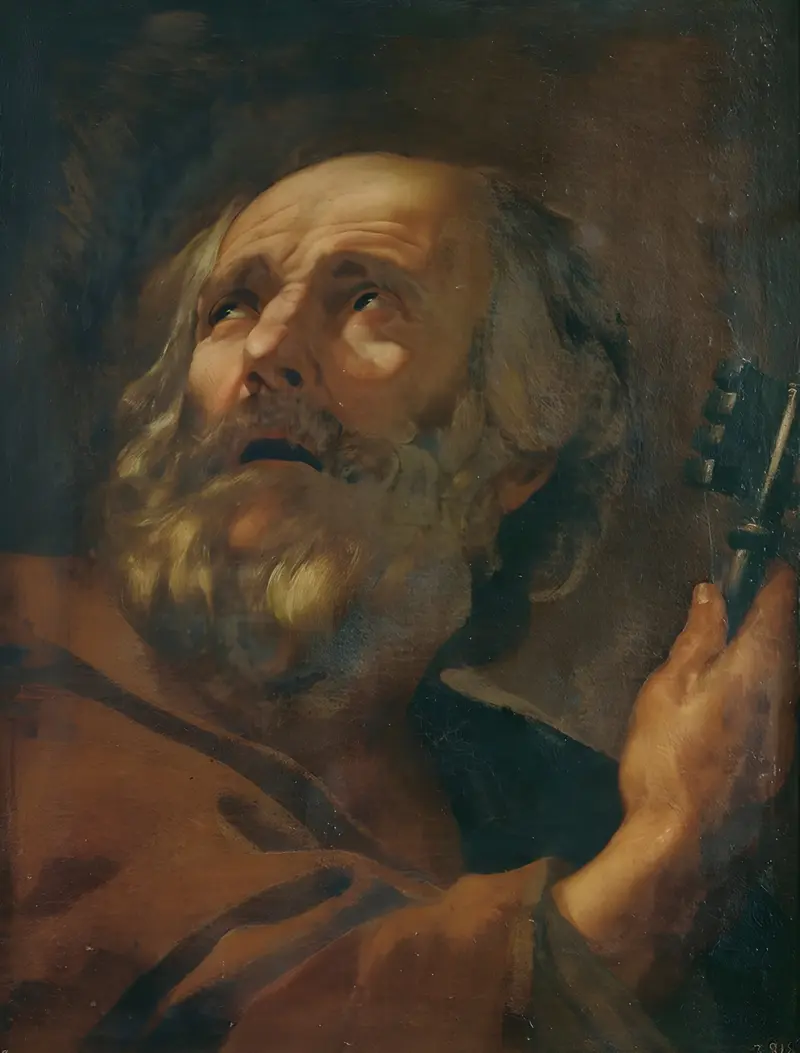
Saint Peter
Simon Vouet
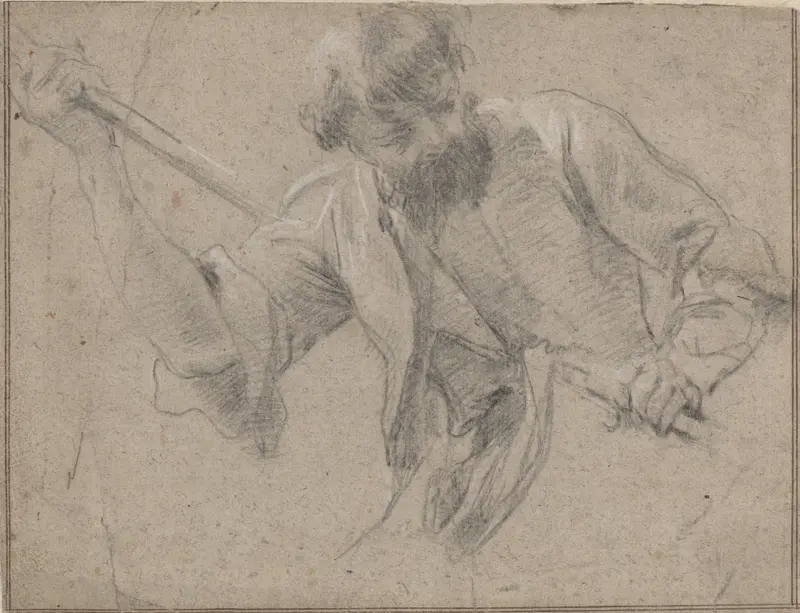
A Bearded Man with a Staff
Simon Vouet
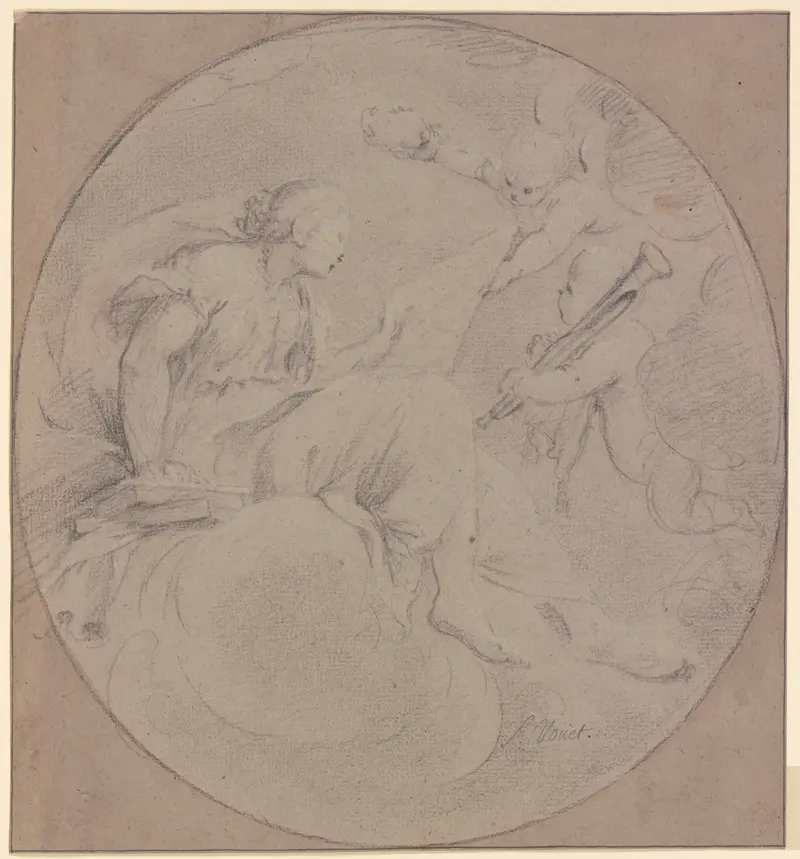
Die Muse der Musik mit zwei Genien, deren einer eine Trompete trägt
Simon Vouet
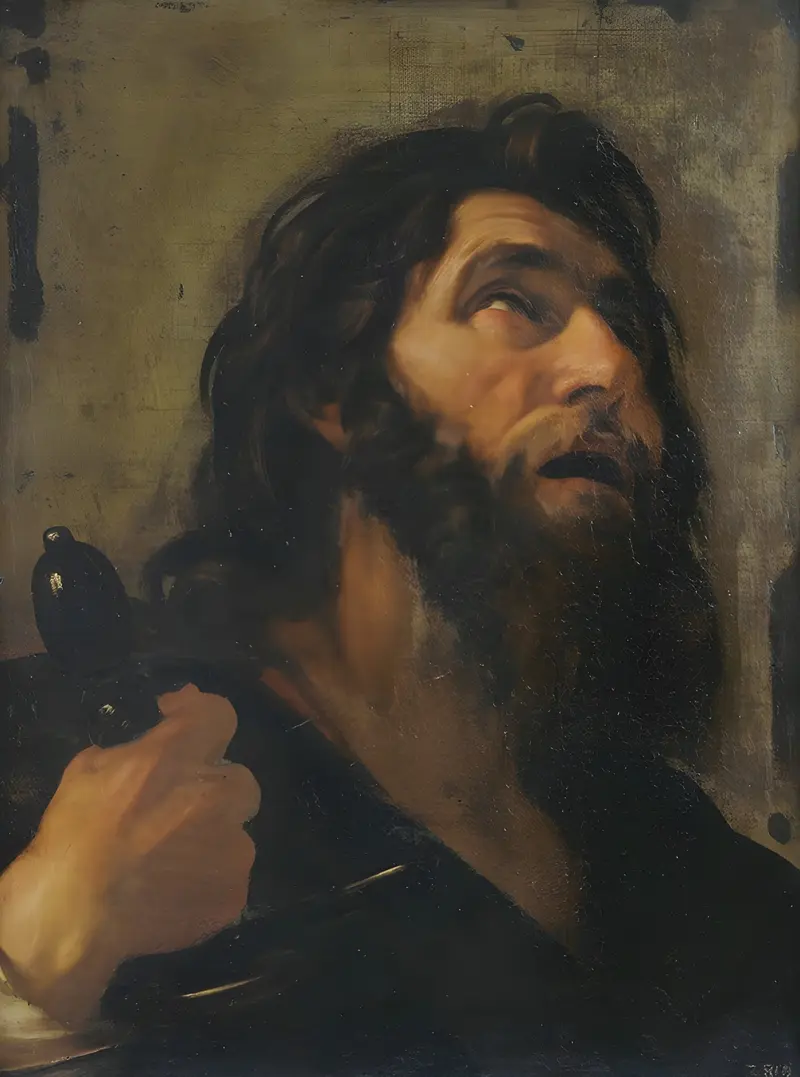
Saint Paul
Simon Vouet
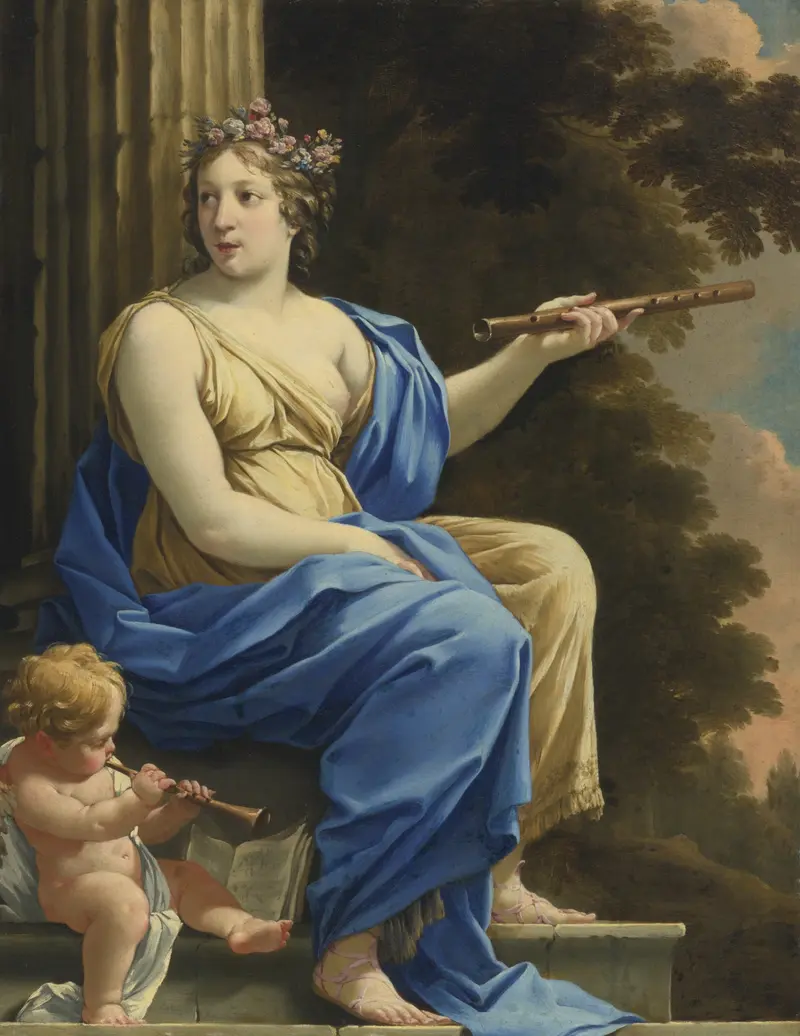
Euterpe, The Muse Of Music And Lyric Poetry
Simon Vouet
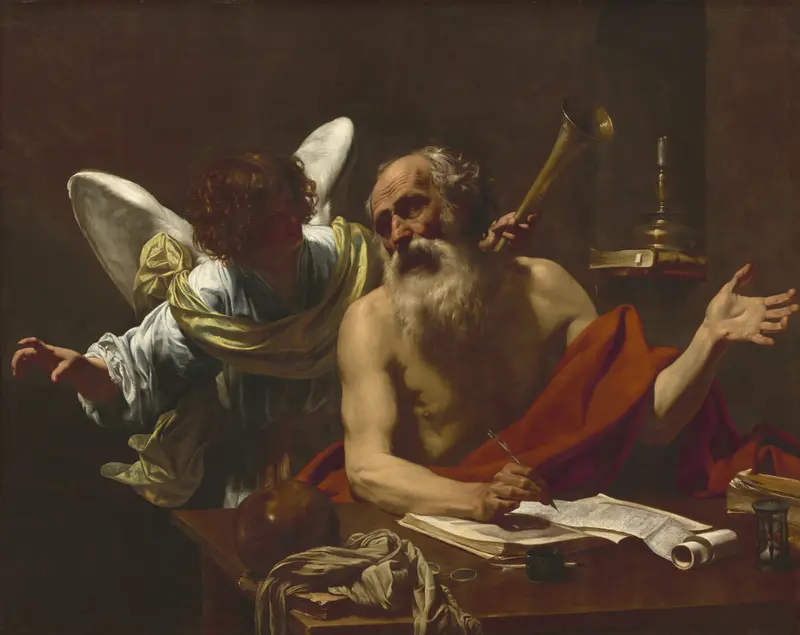
Saint Jerome and the Angel
Simon Vouet
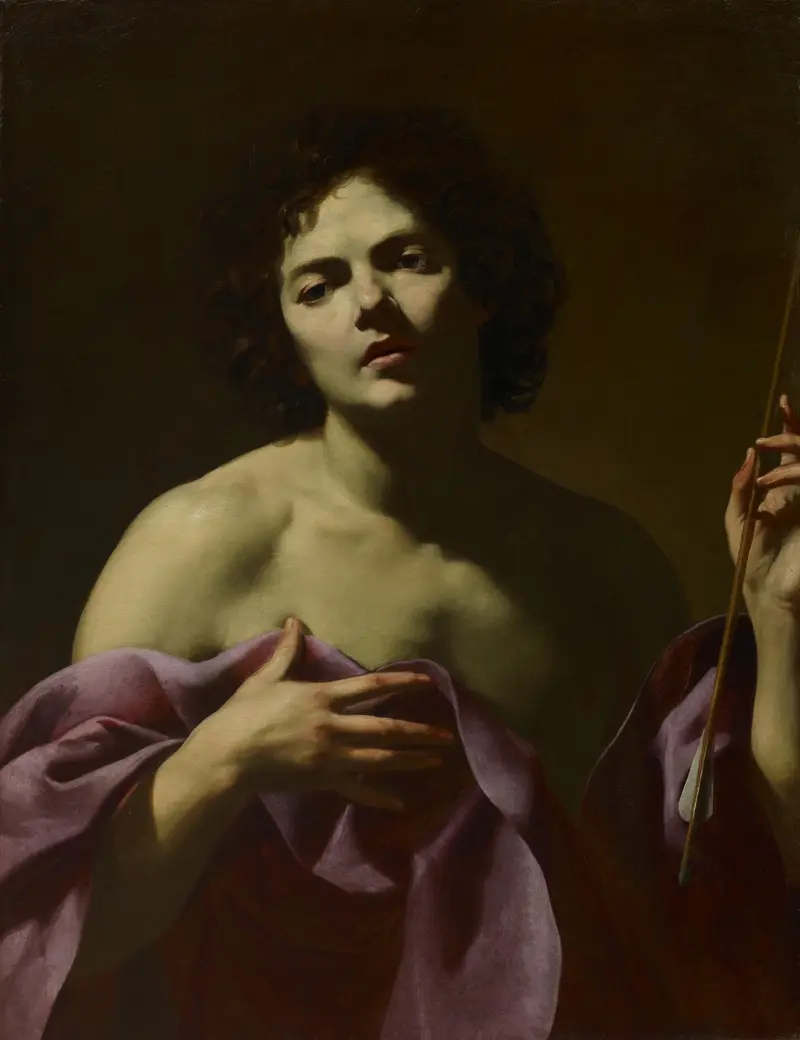
Saint Sebastian
Simon Vouet
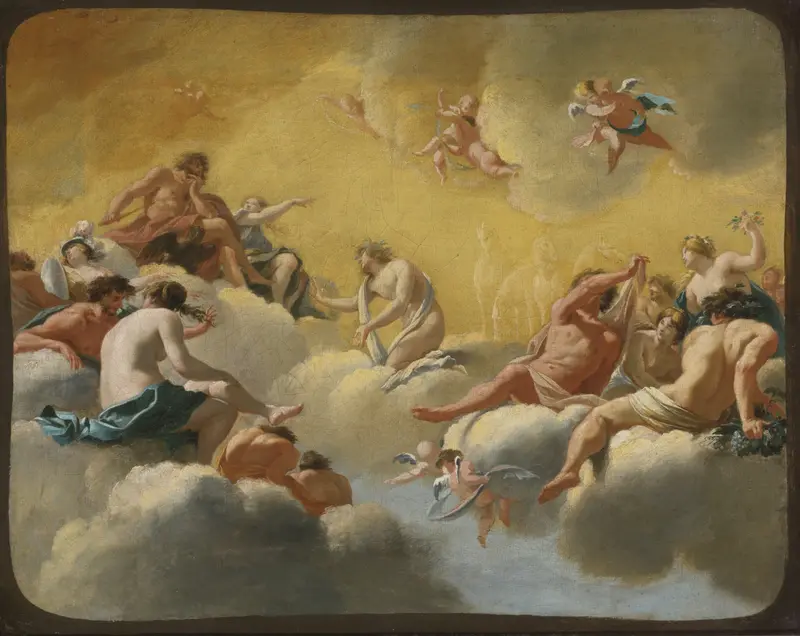
Assembly Of The Gods
Simon Vouet
Madonna and Child
Simon Vouet





