
The Golden Hour — History & Facts
No other painting by Albert Pinkham Ryder has generated as much speculation as The Golden Hour, whose date and even medium remain unknown. The work is shrouded in mystery: while Ryder’s paintings are often meticulously documented, this piece surfaced without provenance, first appearing in a private collection decades after the artist’s death. Some scholars have argued over whether it is an unfinished study or a lost commission, and its very title is drawn from a faint pencil inscription on the back of the canvas.
The uncertainty surrounding its origins has only amplified its allure among collectors and curators. Bathed in a luminous haze, The Golden Hour captures a fleeting moment as the sun dips low, gilding the landscape in warm, diffuse light. Ryder’s brushwork is characteristically thick and textured, blurring the outlines of distant trees and water so that forms seem to dissolve into the radiance. At the center, a solitary figure stands at the edge of a pond, gazing into the reflection—a motif that recurs in Ryder’s work as a symbol of introspection and longing.
Unlike the crisp, detailed approach of Hudson River School painters, Ryder’s vision here is dreamlike, the boundaries between land, sky, and water melting together, much as in his celebrated Toilers of the Sea. The painting’s physical history is as enigmatic as its imagery. With no surviving records of its exhibition during Ryder’s lifetime, The Golden Hour was first catalogued in the mid-20th century when it entered a New York gallery’s holdings. Its authenticity was initially questioned, but technical analysis of the pigments and Ryder’s signature impasto technique have since persuaded most experts of its authorship.
Today, the work resides in a private collection and is rarely loaned, making its occasional public appearances a rare event for admirers of Ryder’s singular vision. Its uncertain date places it somewhere within the artist’s mature period, when he was most preoccupied with the mysteries of light and memory.
More Artworks by Albert Pinkham Ryder

The Toilers of the Sea
Albert Pinkham Ryder
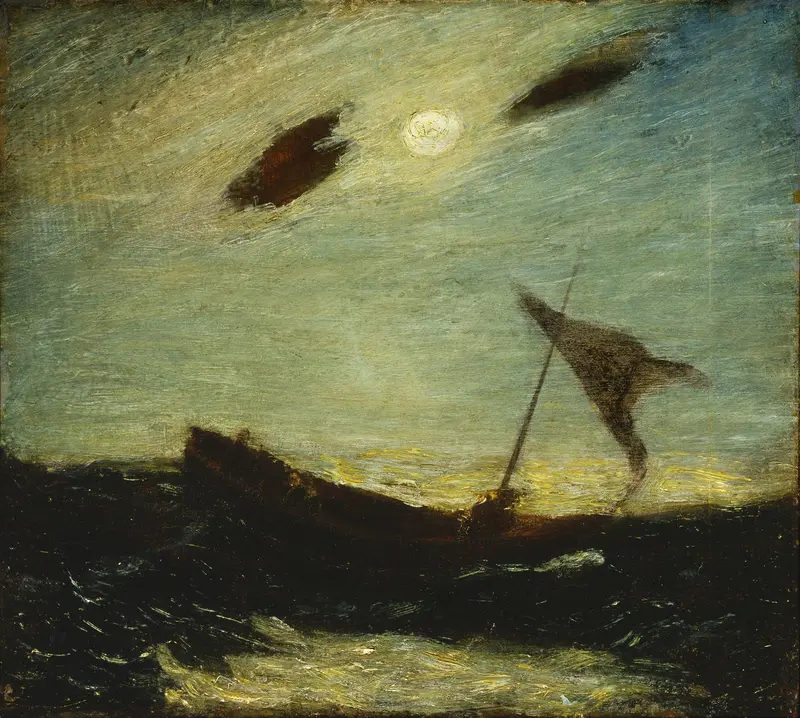
Moonlight
Albert Pinkham Ryder
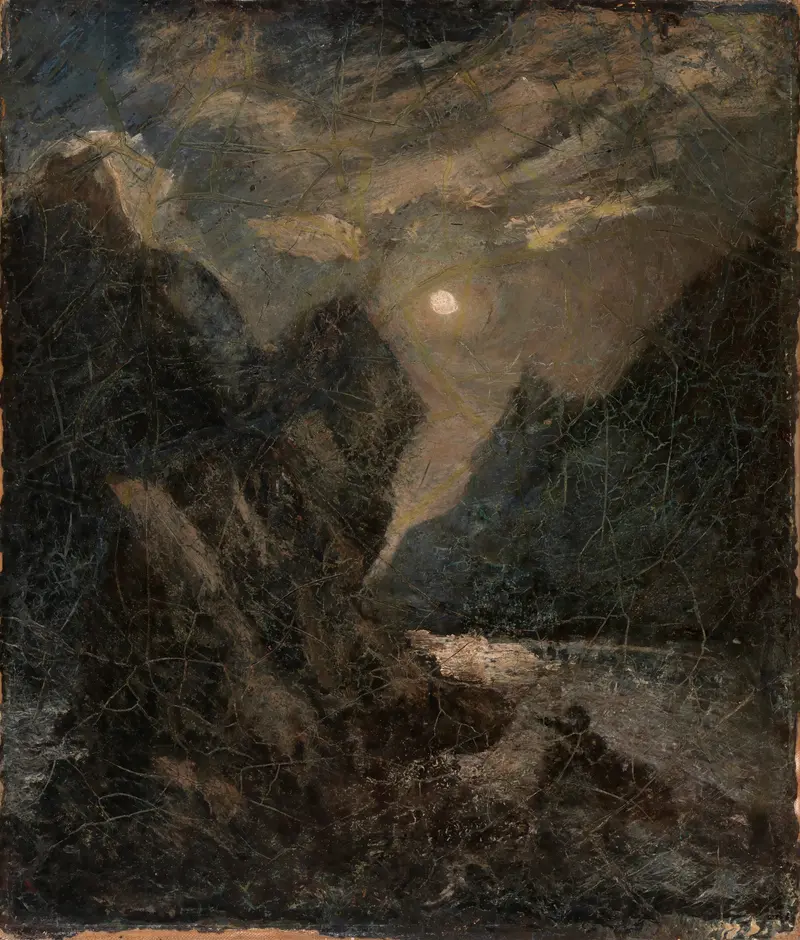
The Lorelei
Albert Pinkham Ryder
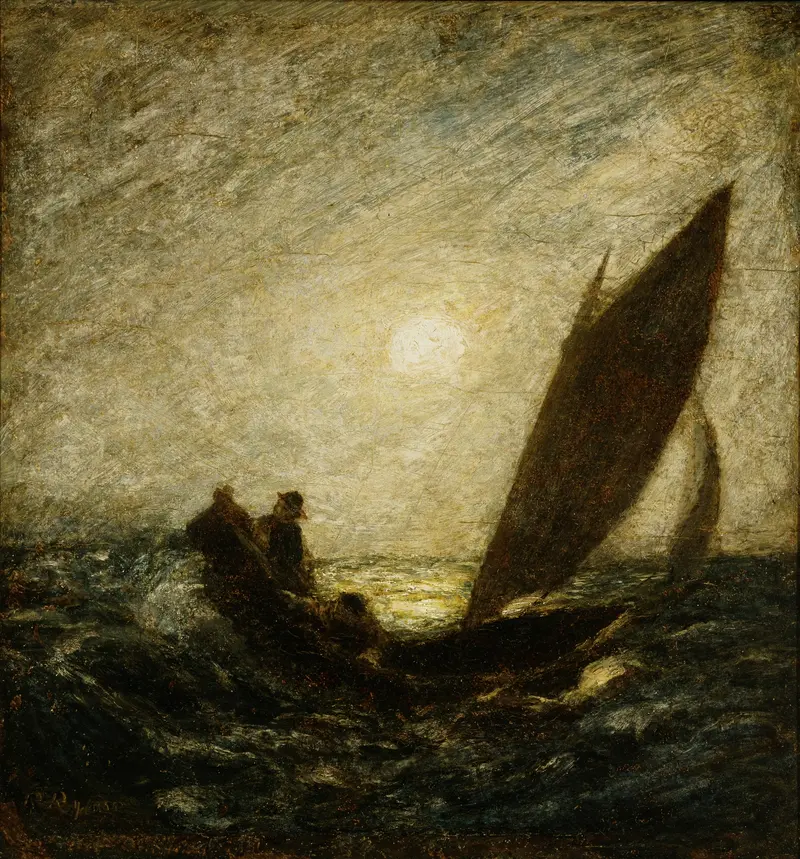
With Sloping Mast And Dipping Prow
Albert Pinkham Ryder
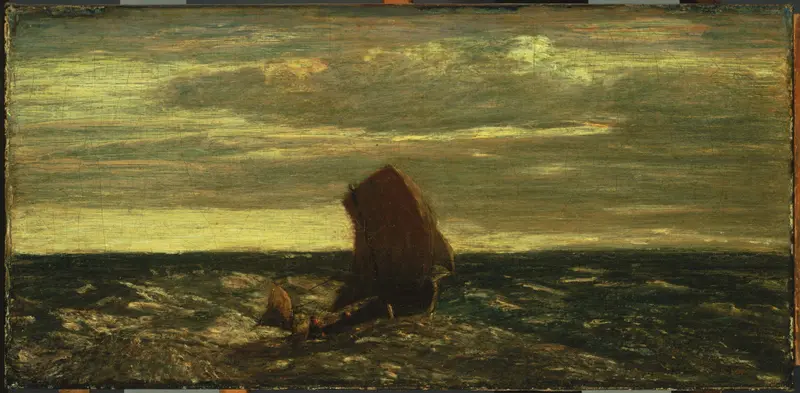
Homeward Bound
Albert Pinkham Ryder
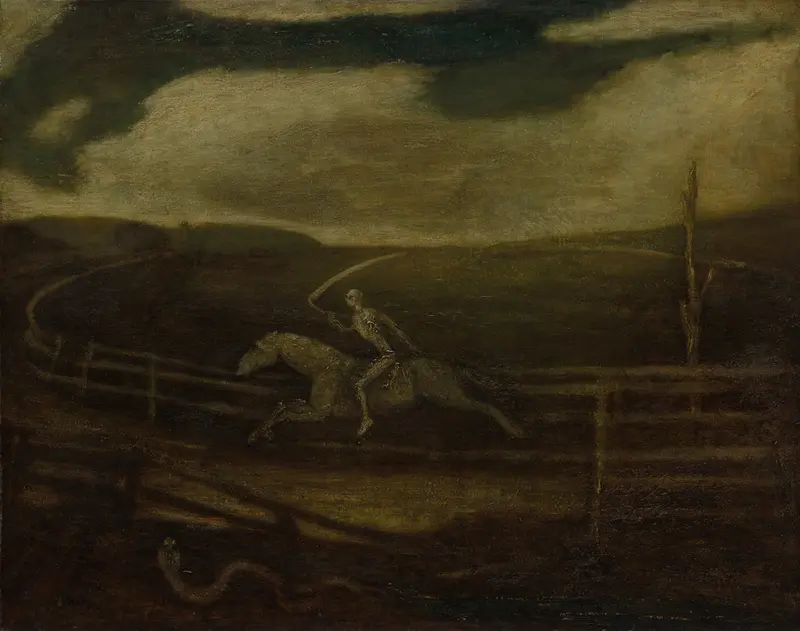
The Race Track (Death on a Pale Horse)
Albert Pinkham Ryder
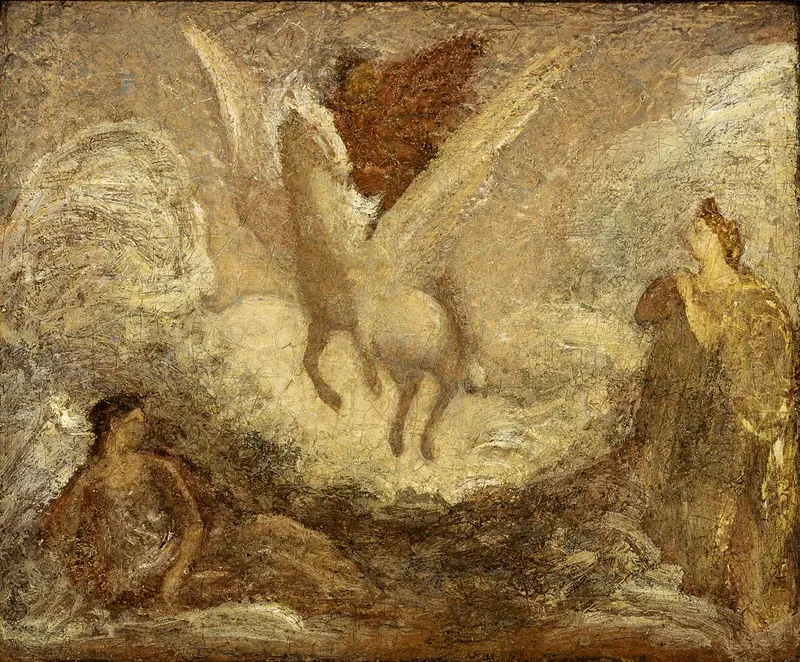
Pegasus Departing
Albert Pinkham Ryder
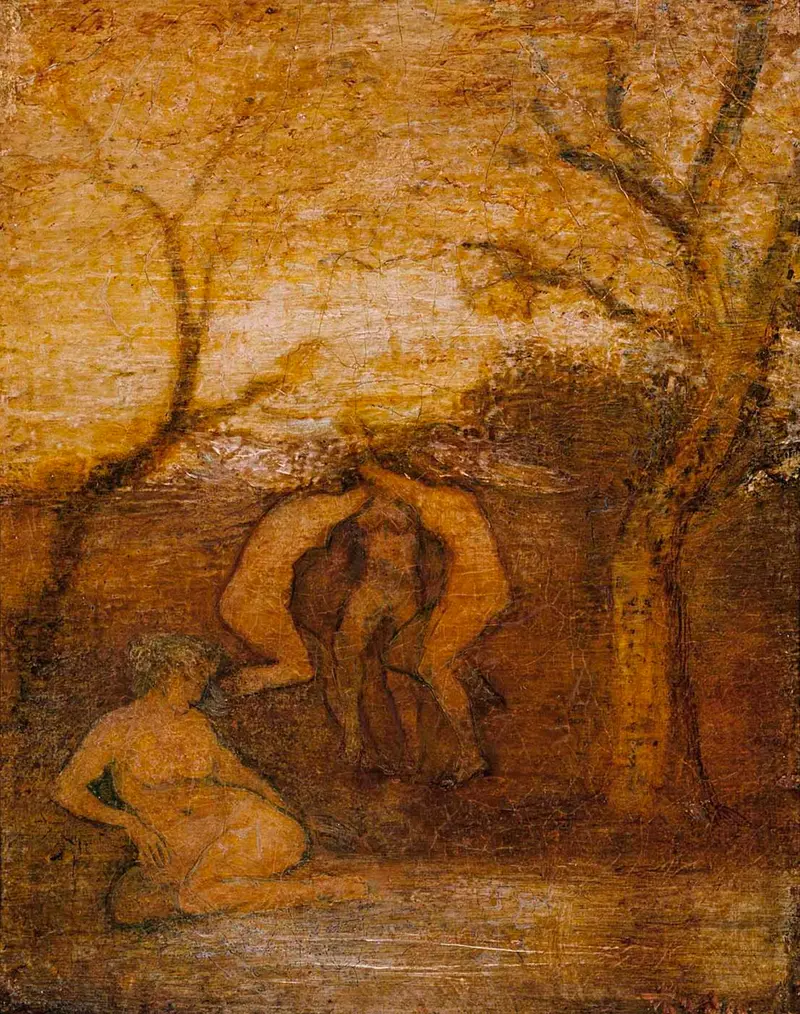
Dancing Dryads
Albert Pinkham Ryder
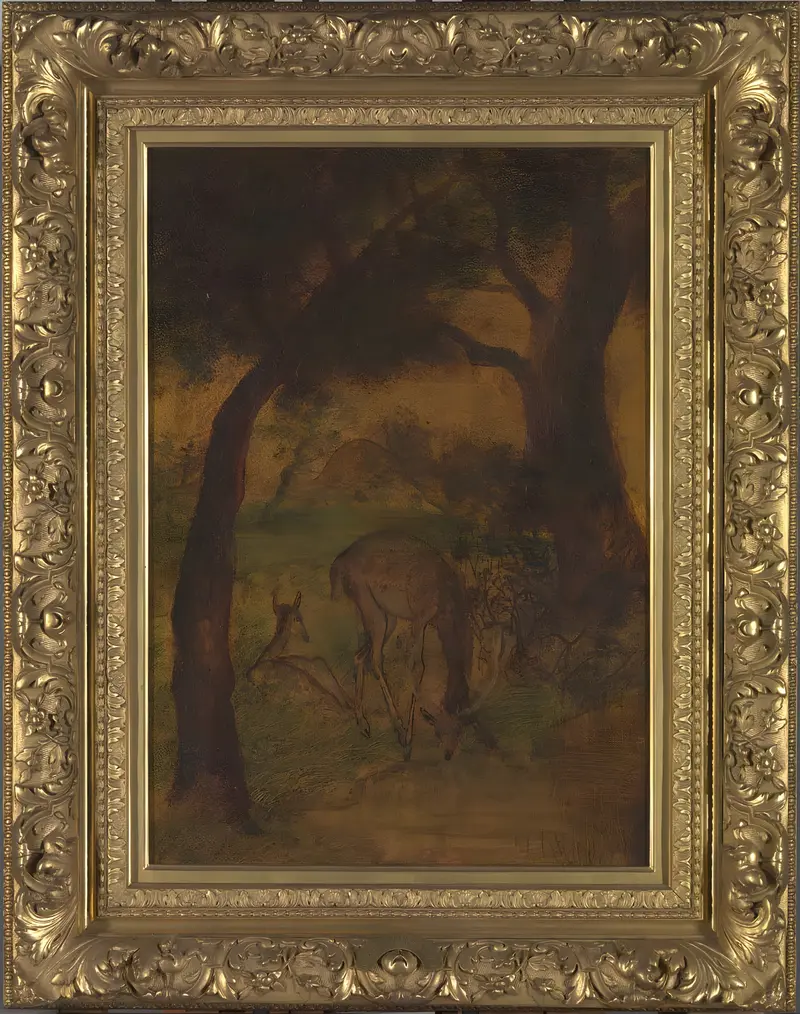
A Stag Drinking
Albert Pinkham Ryder
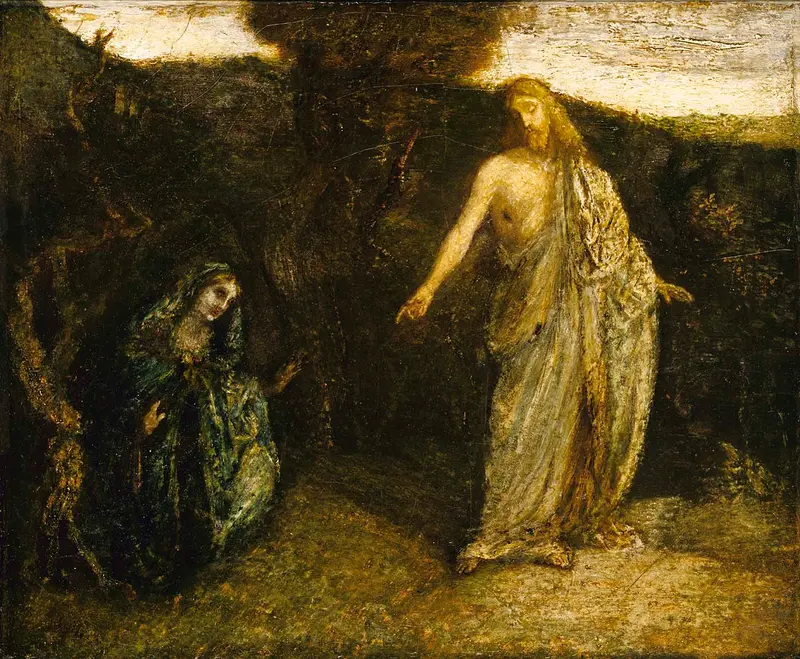
Christ Appearing to Mary
Albert Pinkham Ryder
More Landscape Art

The Starry Night
Vincent van Gogh

View of Delft
Johannes Vermeer

Water Lilies
Claude Monet

The Grand Canal, Venice, looking north-west from the Ca' Corner to the Ca' Contarini degli Scrigni, with the campanile of Santa Maria della Carità
Canaletto

Windsor Castle
Canaletto

The Grand Canal looking North-East from the Palazzo Dolfin-Manin to the Rialto Bridge
Canaletto