
The good farmer — History & Facts
Did the painter know this moment would outlive them? In The Good Farmer, a stillness resonates through a pastoral landscape, inviting contemplation of life, labor, and mortality. Look to the foreground, where a humble farmer stands serenely amidst ripened fields. His strong, weathered hands cradle a sheaf of wheat, while the warm golden glow of the setting sun bathes the scene in an almost ethereal light. The rich greens and earthy browns of the landscape contrast beautifully with the luminous sky, creating a harmony that speaks to the cyclical nature of existence.
The delicate brushstrokes suggest a gentleness of spirit, a reminder of the tender resilience of those who toil the land. Examine the layers within this composition: the farmer’s gaze, both focused and distant, hints at a deeper reflection—perhaps on the transience of life and the enduring legacy of one’s work. The juxtaposition of the farmer’s sturdy, grounded form against the vastness of the sky evokes a sense of connection between humanity and nature, an eternal dance between growth and decay. Subtle details, such as the soft bending of the wheat and the encroaching dusk, remind us that moments of beauty are fleeting; they carry within them the weight of what is to come. Samuel Palmer painted this work in 1865, during a period of personal and artistic exploration.
Living in the English countryside, his focus on rural life and spirituality reflected the Romantic ideals of the time. As he grappled with questions of existence and artistic expression, this piece emerged as a poignant homage to the steadfastness of the earth and those who nurture it, inviting viewers to reflect on their own mortality amid the unchanging rhythms of nature.
More Artworks by Samuel Palmer
Browse all →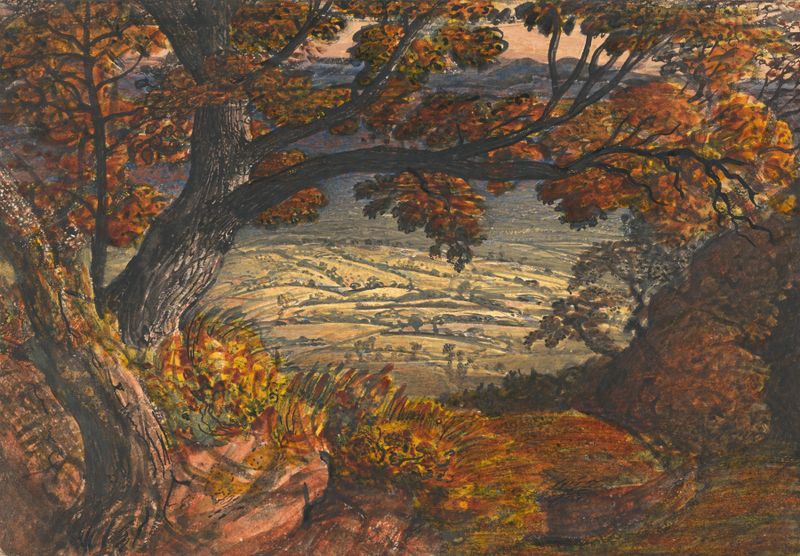
The Weald of Kent
Samuel Palmer
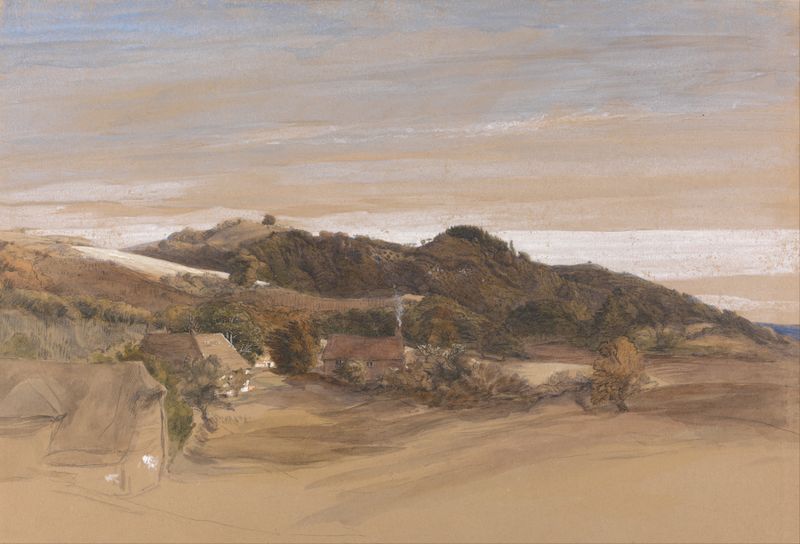
Underriver Hills, near Sevenoaks, Kent, from the Grounds of J. Herries, Esq.
Samuel Palmer
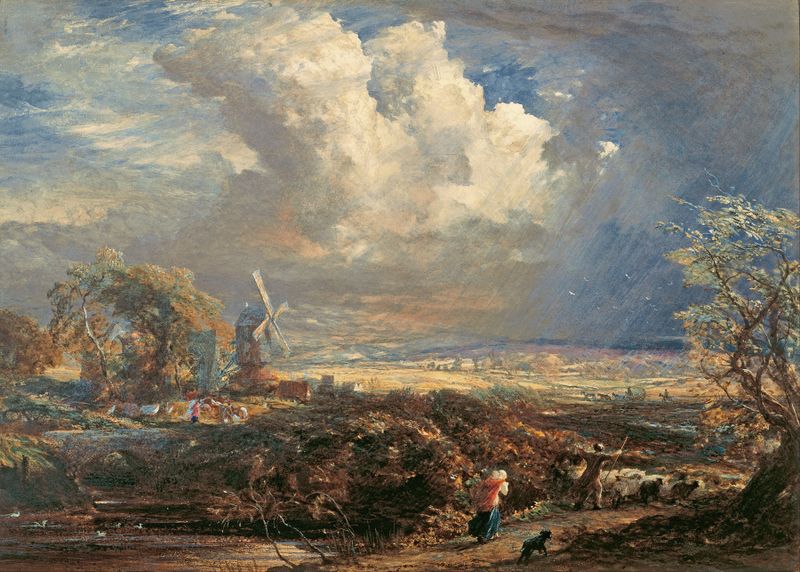
Summer Storm near Pulborough, Sussex
Samuel Palmer
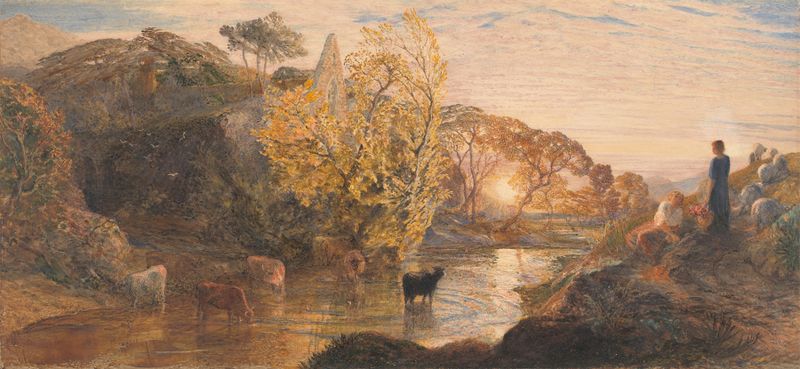
Tintern Abbey at Sunset
Samuel Palmer
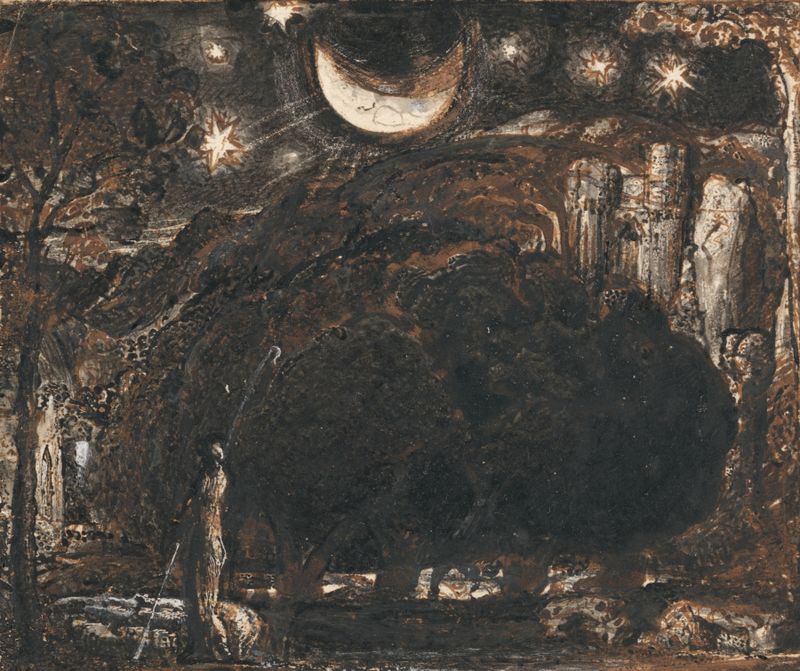
A Shepherd and his Flock under the Moon and Stars
Samuel Palmer
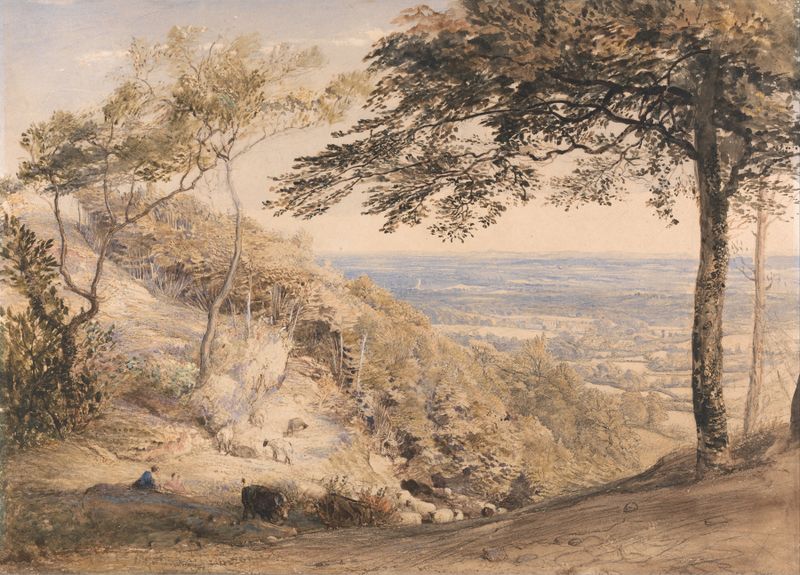
Wilmot’s Hill, Kent
Samuel Palmer
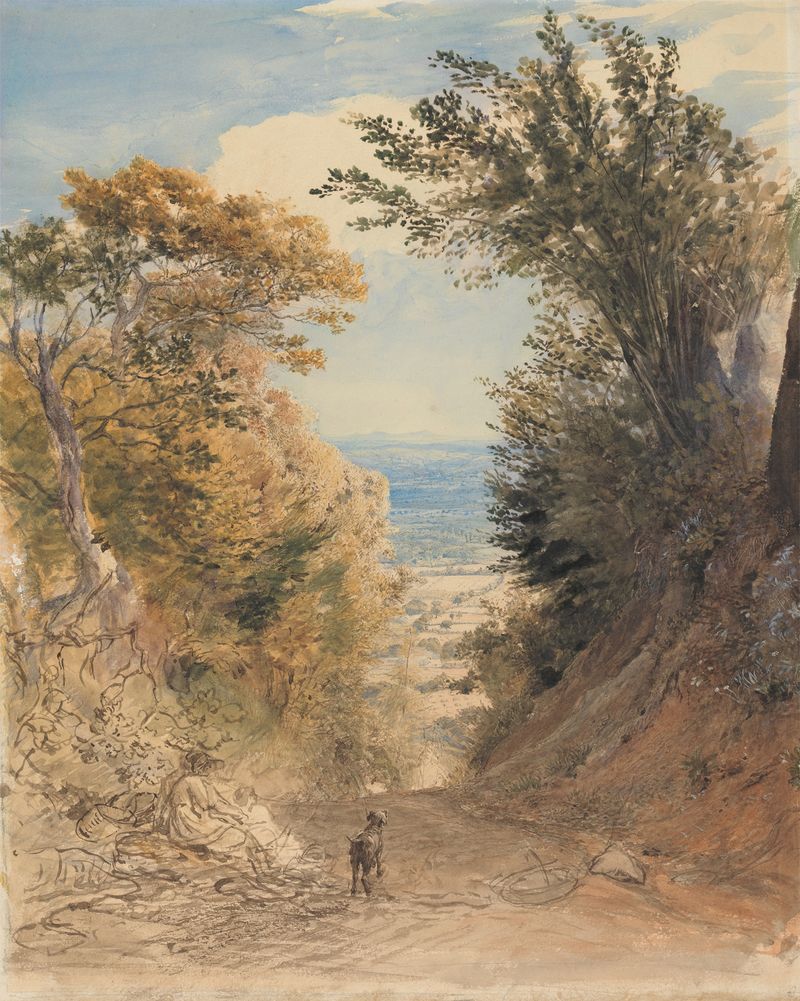
View from Rook’s Hill, Kent
Samuel Palmer
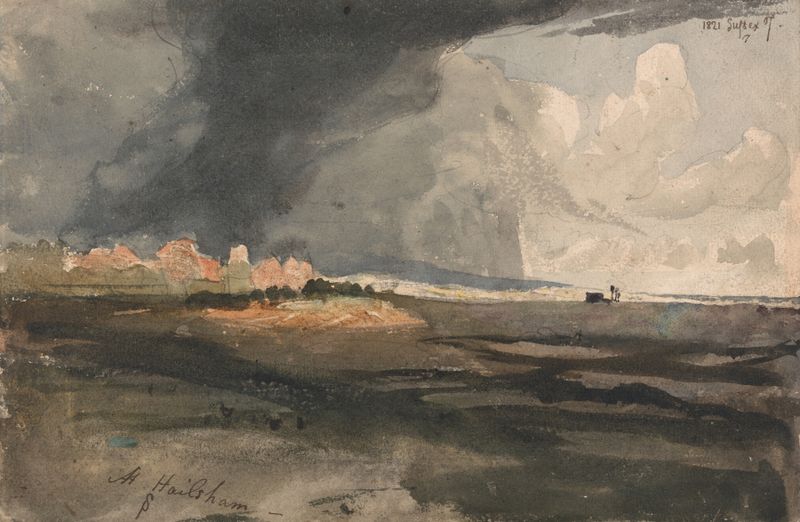
At Hailsham, Sussex; a Storm Approaching
Samuel Palmer
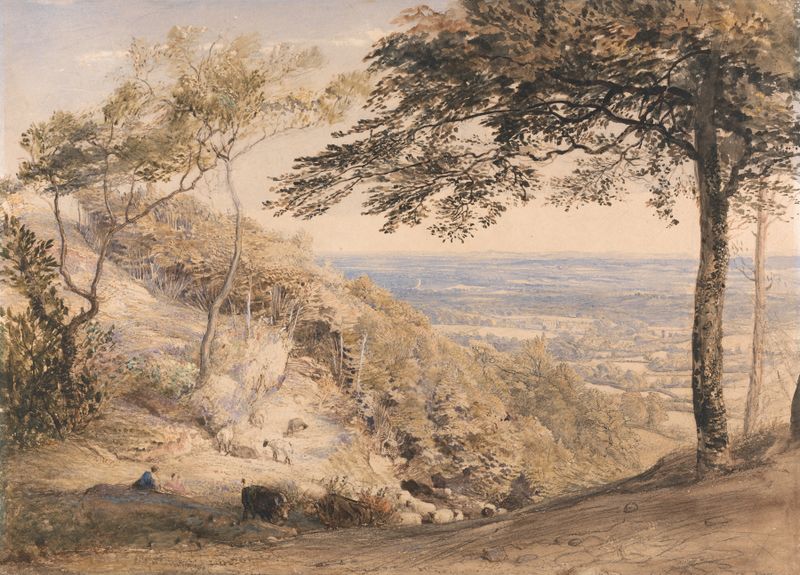
Wilmot’s Hill, Kent
Samuel Palmer
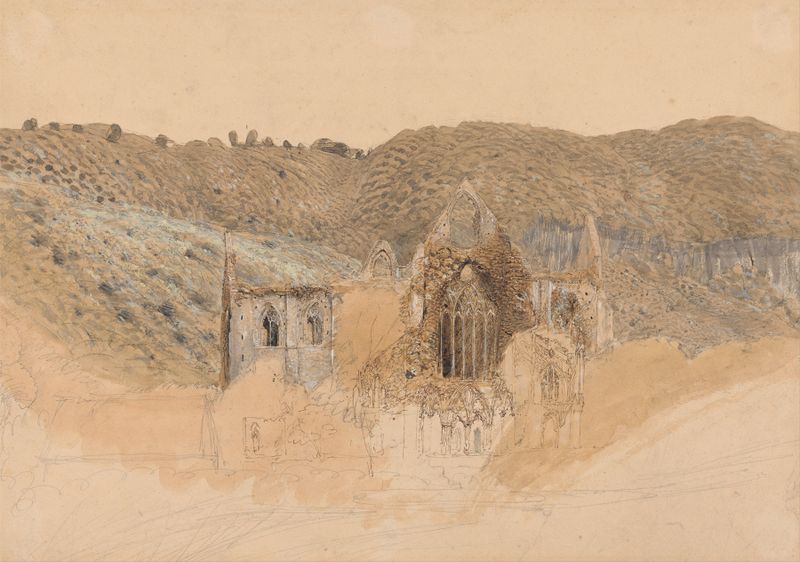
Tintern Abbey
Samuel Palmer





