The Grand Canal, Venice — History & Analysis
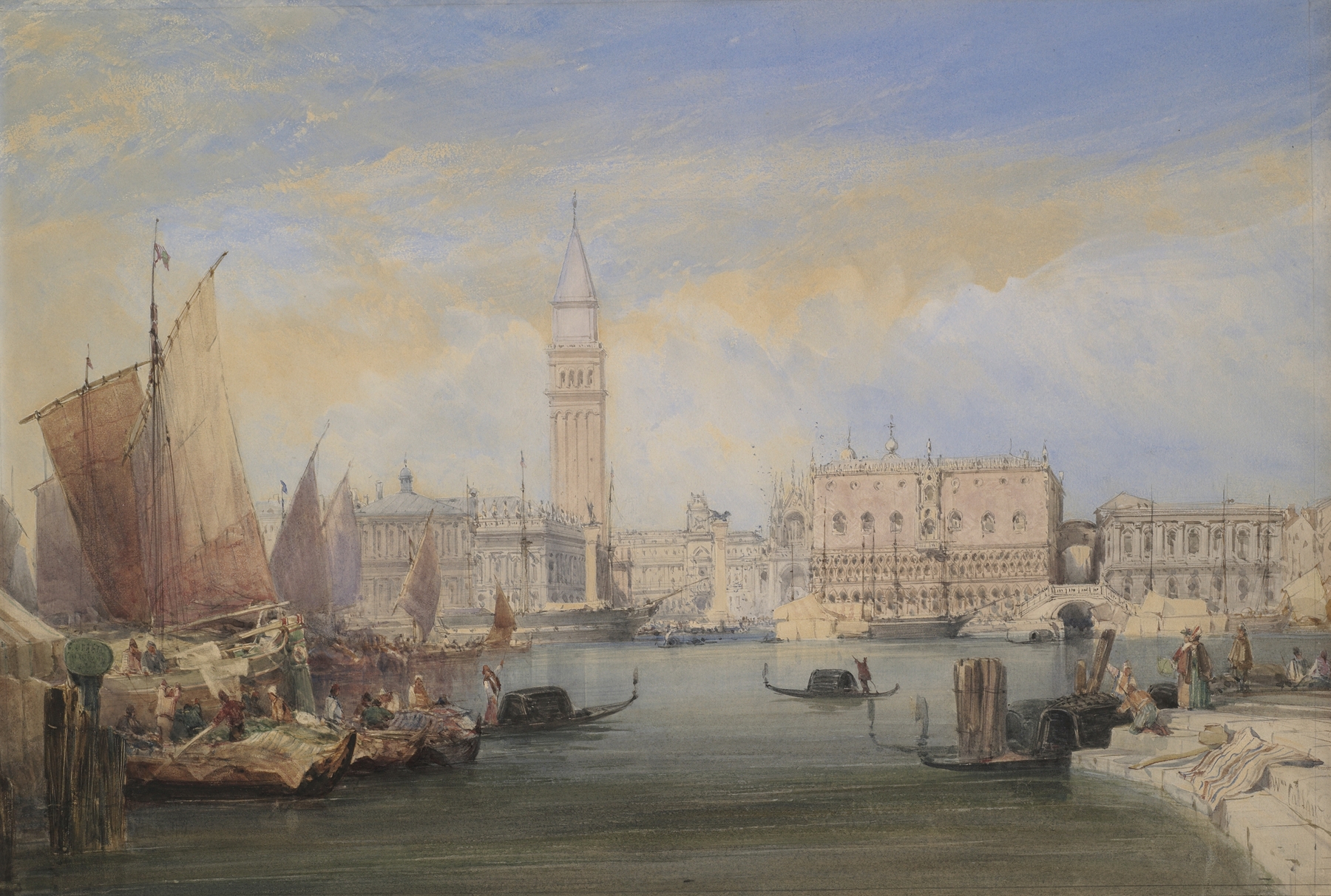
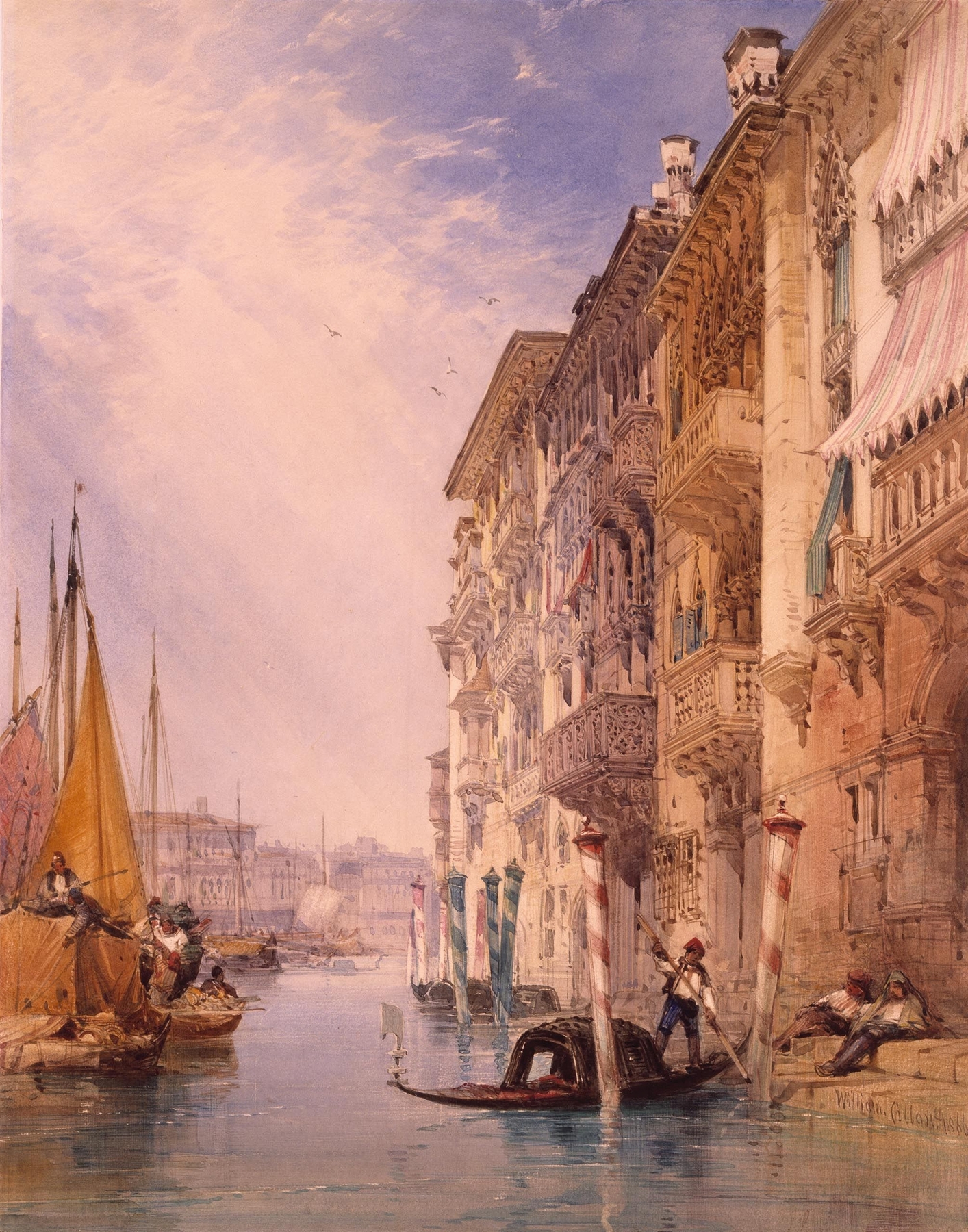
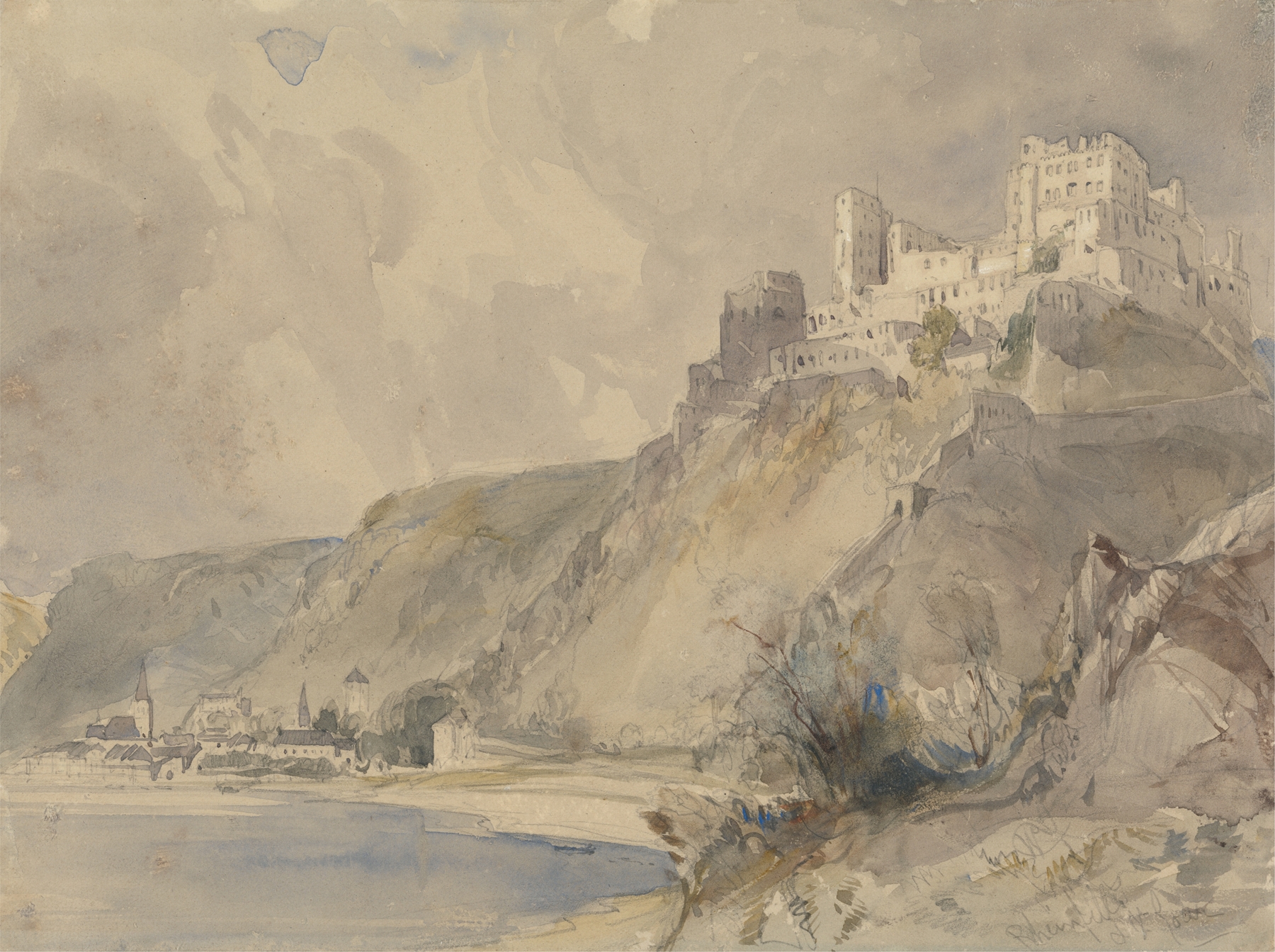
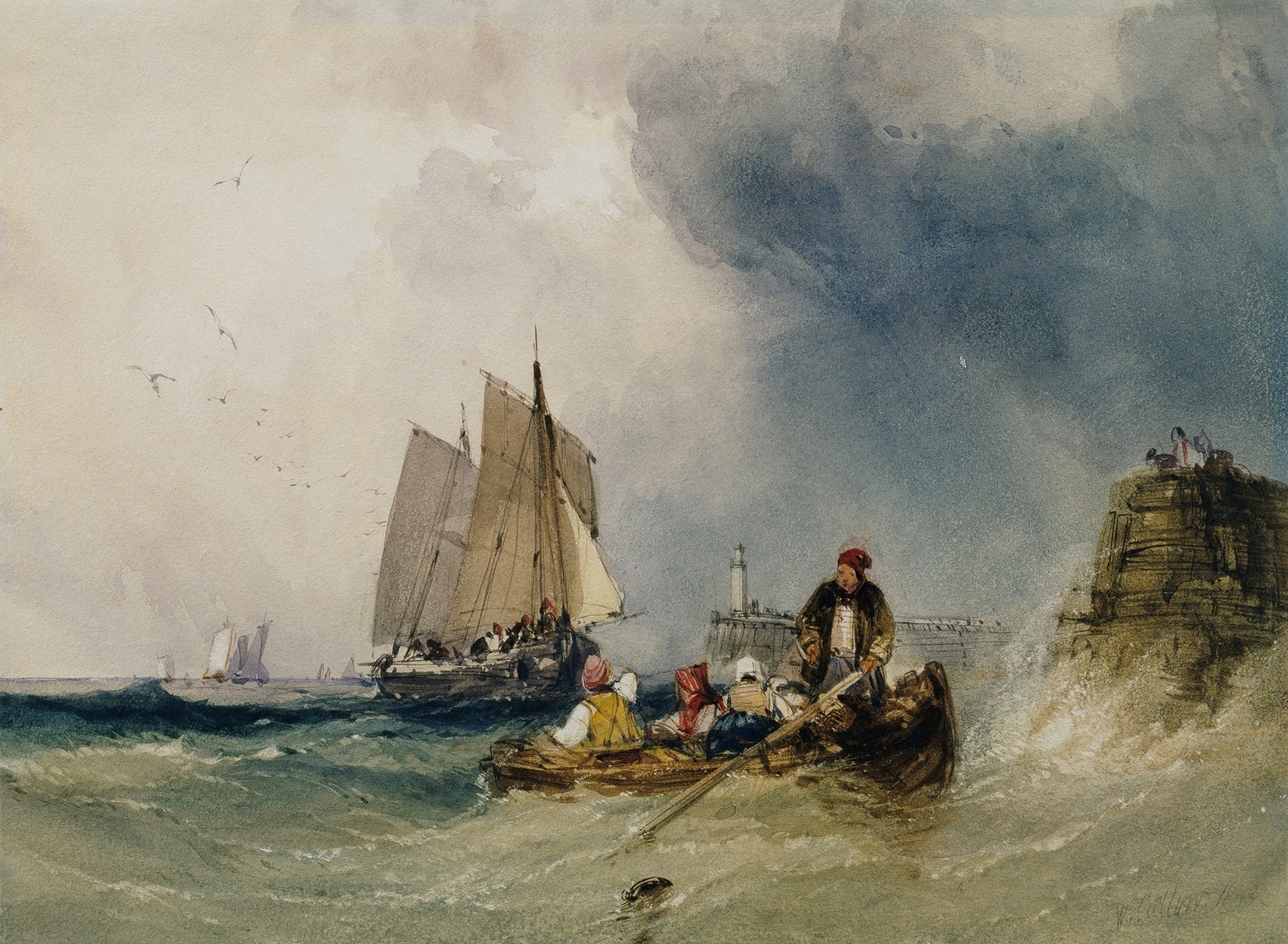
“To paint is to remember what time wants us to forget.” Shadows stretch across the surface of the Grand Canal, quietly cradling memories that flicker like reflections in water. In this moment, time stands still, inviting viewers to lose themselves in the ethereal beauty of Venice, a city that dances between light and absence, forever captured on canvas. Look closely at the tranquil waters, where the gentle ripples mirror the warm hues of sunset. Notice how the soft pastel shades blend seamlessly, creating a harmonious dialogue between the sky and the canal.
The artist’s delicate brushwork weaves together the architecture and the shimmering water, guiding our gaze to the elegant silhouette of a gondola gliding through the scene, cradled by luminous reflections and shadowy depths. Beneath this picturesque veneer lies the poignant contrast of presence and absence. The shadows cast by the buildings evoke memories of the bustling life that once thrived here, hinting at stories of love, loss, and longing. Each brushstroke encapsulates the fleeting moments that define existence in this storied city, reminding us that beauty often dwells within the ephemeral.
In 1897, during a time when Impressionism was reshaping the art world, the artist found solace in the serene landscapes of Italy. Living in England, Callow was captivated by the rich textures and light of Venice, a city that inspired countless artists before him. His work reflects the transformative power of memory and the complex interplay of light and shadow that define not only a place but also our experiences of time.