
The Great Red Dragon and the Beast from the Sea — History & Facts
No other artist in the early nineteenth century dared to visualize the Book of Revelation with the same intensity as William Blake. Between 1805 and 1810, Blake produced a series of watercolors for his patron Thomas Butts, illustrating the terrifying visions of St. John.
Among these, The Great Red Dragon and the Beast from the Sea stands out for its sheer ferocity and imaginative force. The painting is one of several "Great Red Dragon" works Blake completed, each focusing on a different apocalyptic scene, and their haunting imagery has inspired fascination and debate ever since. At the heart of this painting, Blake captures the moment from Revelation 13:1, where the monstrous Beast rises from the sea, crowned and horned, to challenge the faithful. The Great Red Dragon, with his coiling body and immense wings, looms over the scene, his form both human and inhuman, embodying evil and chaos.
The seven-headed Beast, bristling with crowns, emerges from turbulent waters, while a crowd of awestruck figures cowers below. Blake’s use of exaggerated anatomy and burning color intensifies the sense of dread, in stark contrast to the more restrained, classical interpretations of Revelation by artists like Albrecht Dürer. Every detail—the Dragon’s outstretched claws, the tumultuous sea, the unnatural light—serves to heighten the drama and terror of the biblical prophecy. The precise medium of The Great Red Dragon and the Beast from the Sea is uncertain, though it is generally accepted to be watercolor and ink on paper, typical of Blake’s works for Butts.
The painting has remained in the United States since the early twentieth century, now held in the collection of the Brooklyn Museum. Its journey from private devotional commission to public treasure mirrors the growing appreciation of Blake’s visionary art, which was largely overlooked in his own lifetime. Today, the "Great Red Dragon" series is recognized as a cornerstone of Blake’s apocalyptic imagination, bridging the worlds of literature, art, and spiritual vision.
More Artworks by William Blake
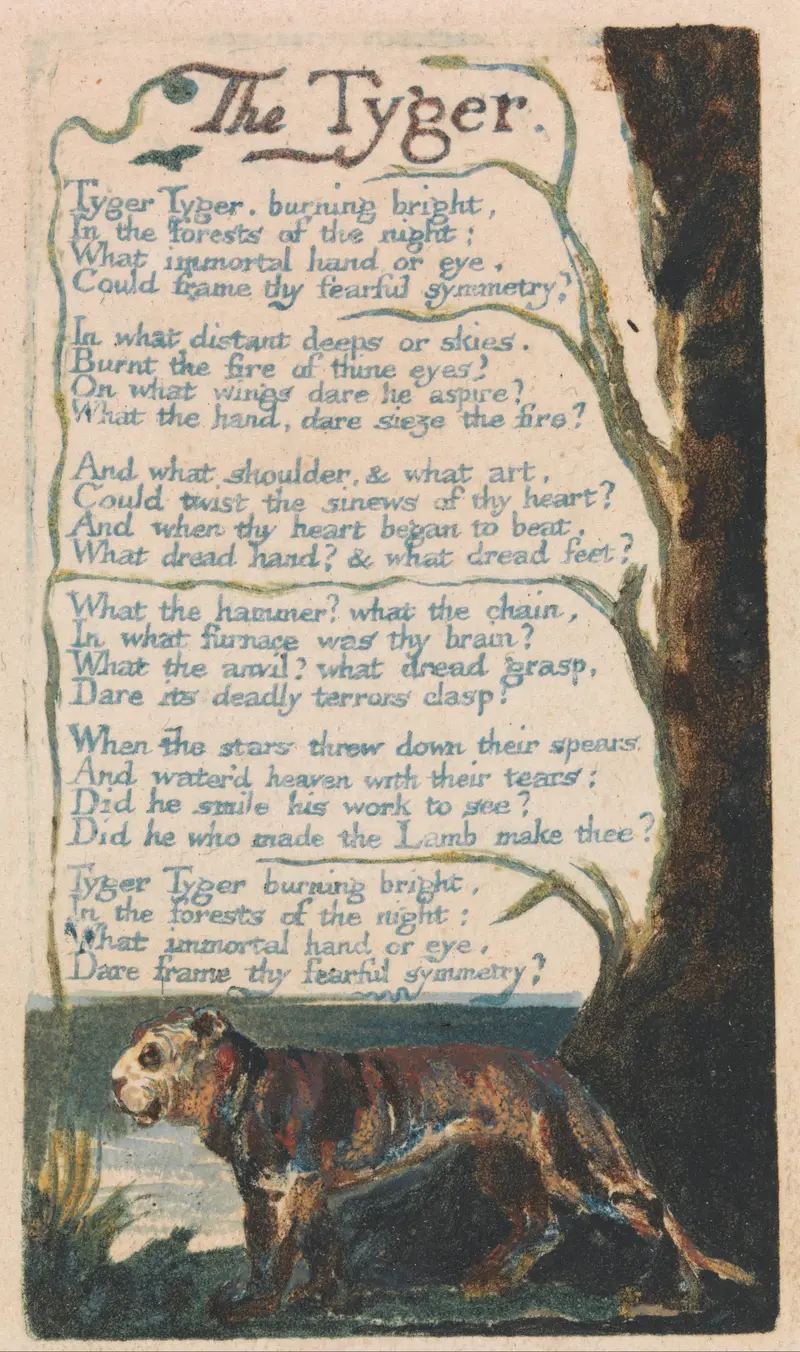
The Tyger
William Blake

Christ Blessing
William Blake
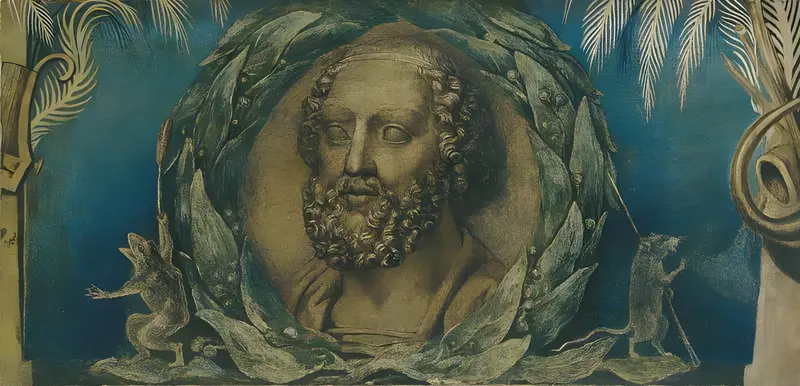
Homer
William Blake
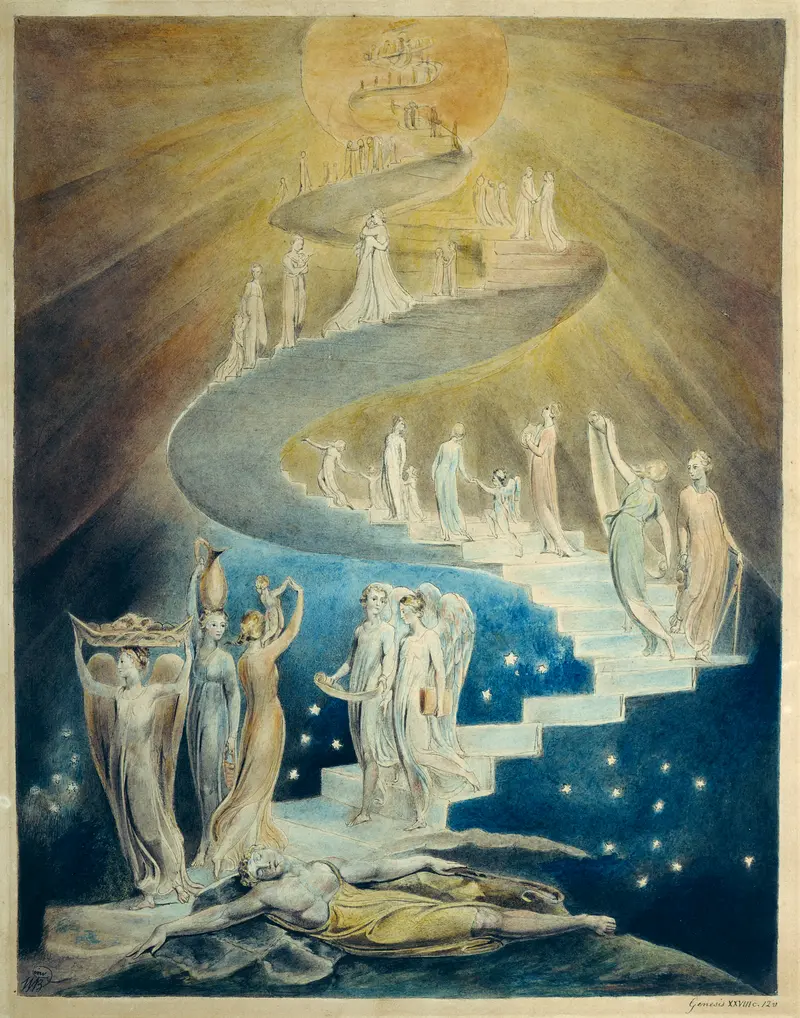
Jacob's Ladder
William Blake
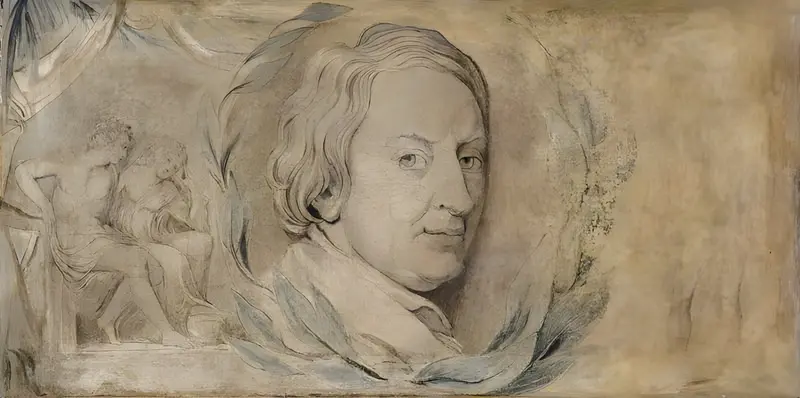
John Dryden (1631–1700)
William Blake
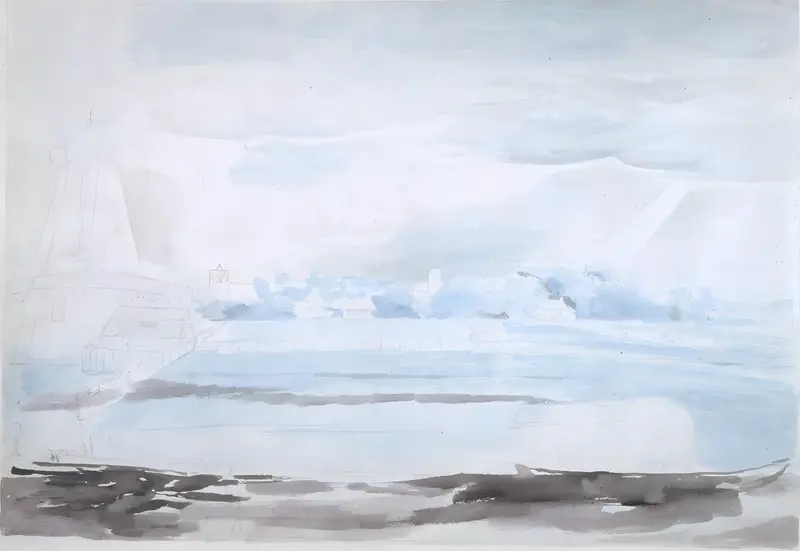
Landscape near Felpham
William Blake
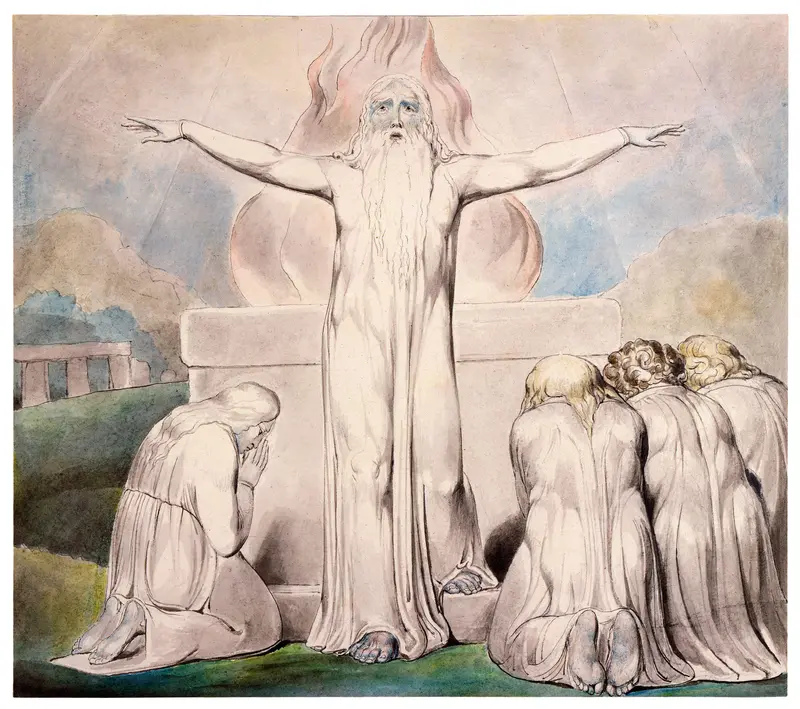
Sacrifice of Job
William Blake
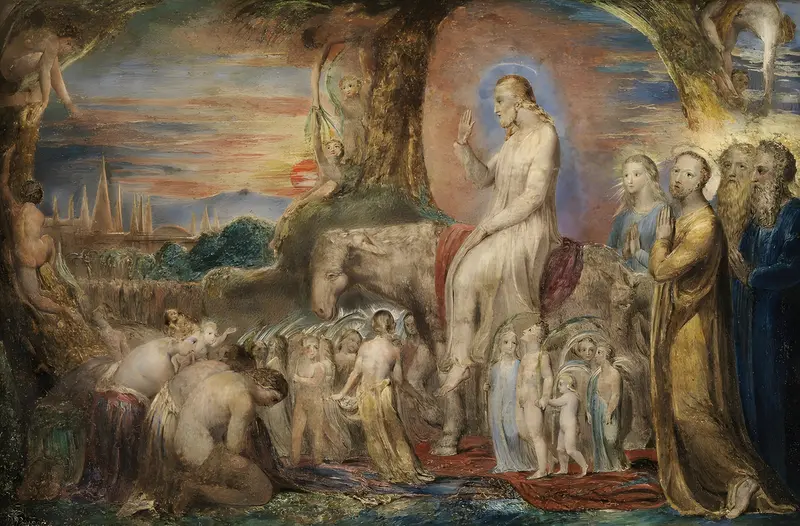
Christ's Entry into Jerusalem
William Blake
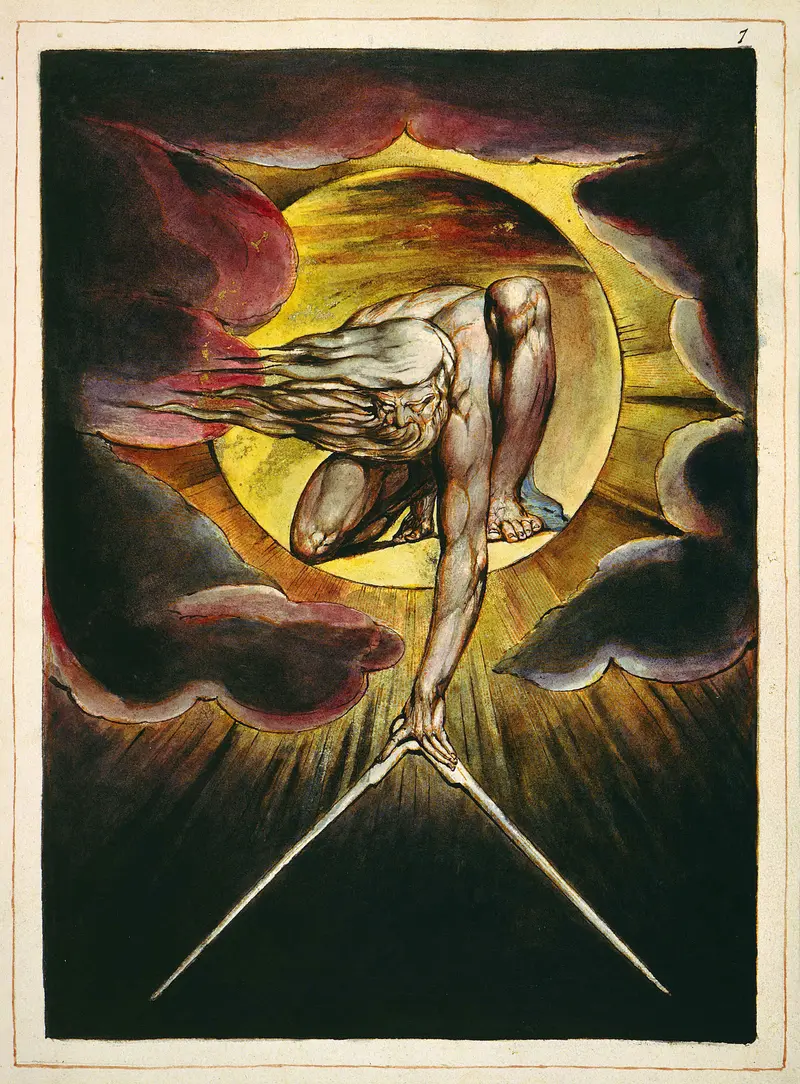
The Ancient of Days
William Blake
Adam Naming the Beasts
William Blake





