
The Harvest or Ceres and Triptolemos — History & Facts
A golden-crowned figure gestures with a sickle, caught in the act of bestowing knowledge or power, while a goddess-like woman, draped in luminous fabrics and surrounded by cherubs, extends her hand in a gesture of offering or blessing. The scene is alive with movement: children and adults gather at her feet, their bodies twisting toward the central exchange, while overhead, putti tumble through the foliage, scattering sheaves of wheat. The painter’s eye leads us from the lush, shadowed greens of the trees to the sunlit field beyond, where distant figures labor in the harvest, anchoring this mythic moment in the rhythms of rural life.
The palette is all honeyed golds, soft blues, and the gentle blush of skin, setting a mood both festive and ceremonial. Every gesture and glance is choreographed to draw the viewer into this moment of transmission—of gift, or perhaps of ritual instruction. Painted in 1769, this work belongs unmistakably to the world of late eighteenth-century France, when mythological scenes were not just decoration but a language of power, virtue, and abundance. Allegories of harvest and fertility, often featuring figures from Greco-Roman myth, were favored by aristocratic patrons eager to associate themselves with the cycles of nature and the promise of prosperity.
Louis-Jean-François Lagrenée was known for his refined, theatrical compositions, and here he draws on the conventions of the Rococo—the playful putti, the silken draperies, the air of cultivated ease—while hinting at the moralizing tone that would soon come to dominate French art. History has kept few traces of this specific painting’s journey, but its date and style place it squarely in the twilight of the ancien régime, when even the gods seemed to pause for a lesson in the art of plenty. Look again at the exchange at the painting’s heart: what, exactly, is being given—and who, in the end, receives it?
More Artworks by Louis-Jean-François Lagrenée
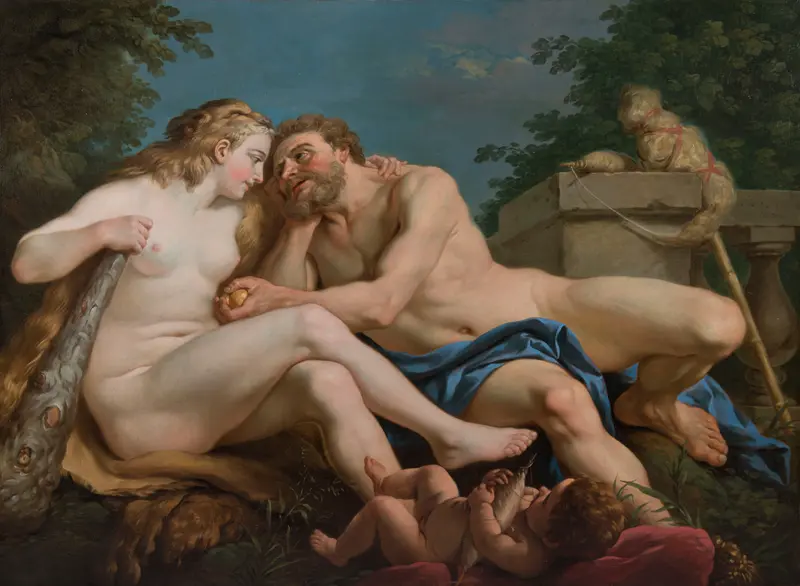
Herkules and Omphale
Louis-Jean-François Lagrenée
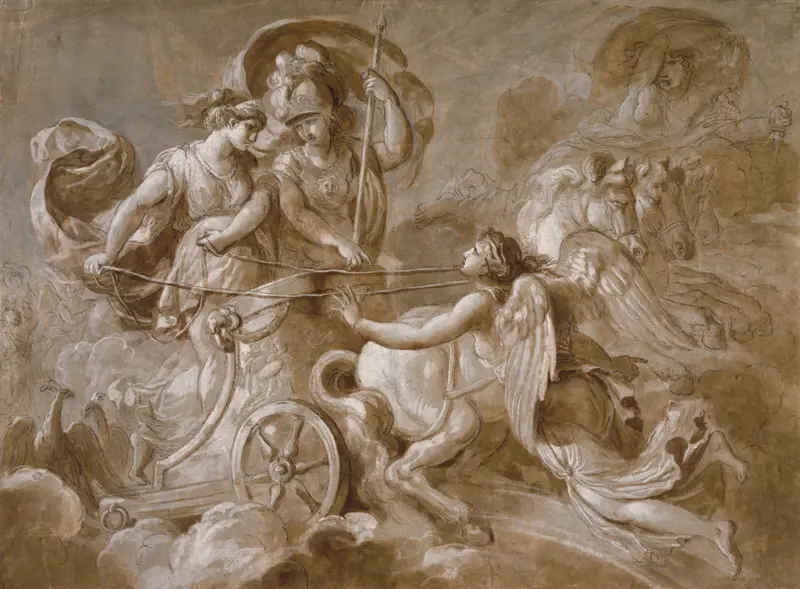
Iris Approaching Athena and Hera
Louis-Jean-François Lagrenée
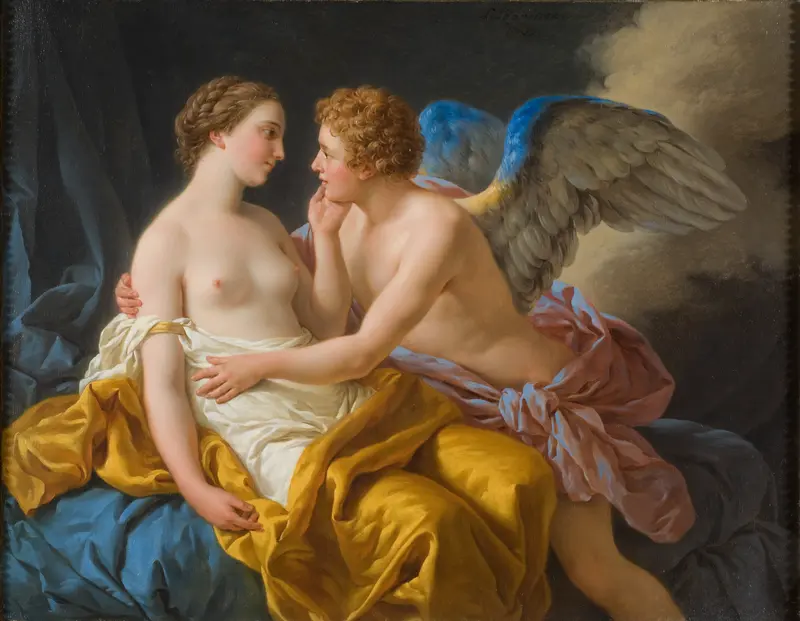
Cupid and Psyche
Louis-Jean-François Lagrenée
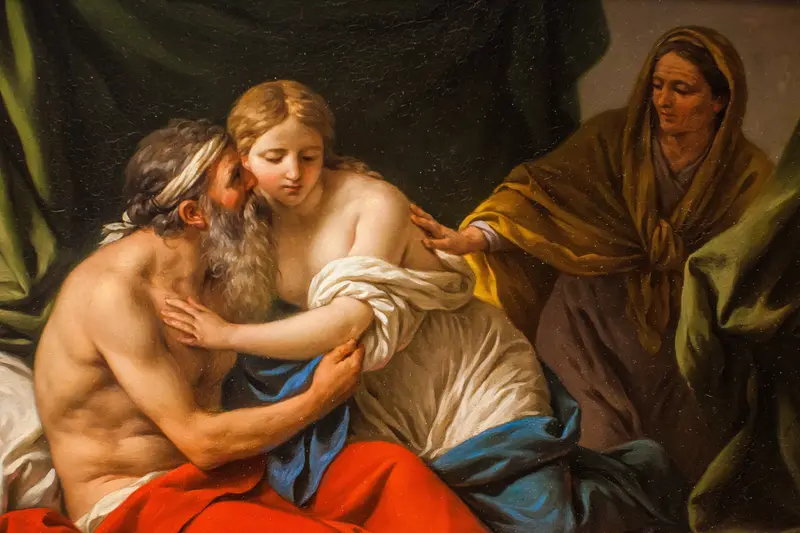
Sarah Presenting Hagar to Abraham
Louis-Jean-François Lagrenée
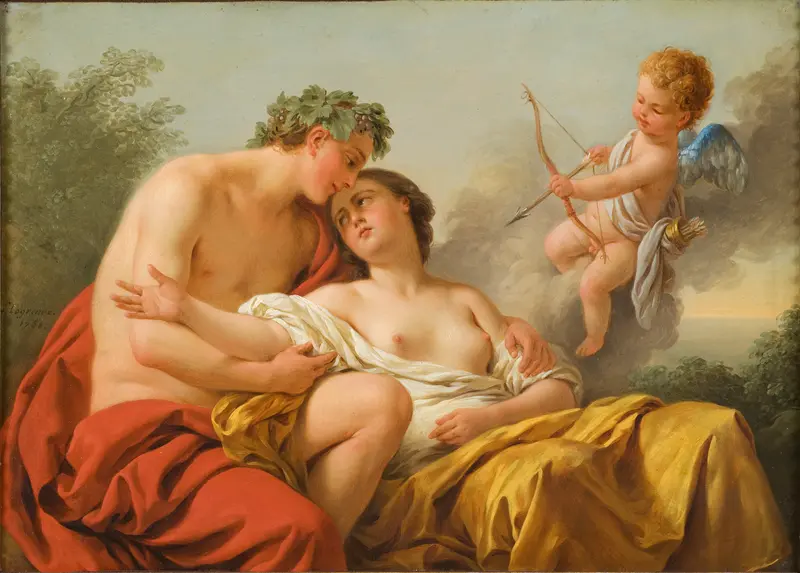
Bacchus and Ariadne
Louis-Jean-François Lagrenée
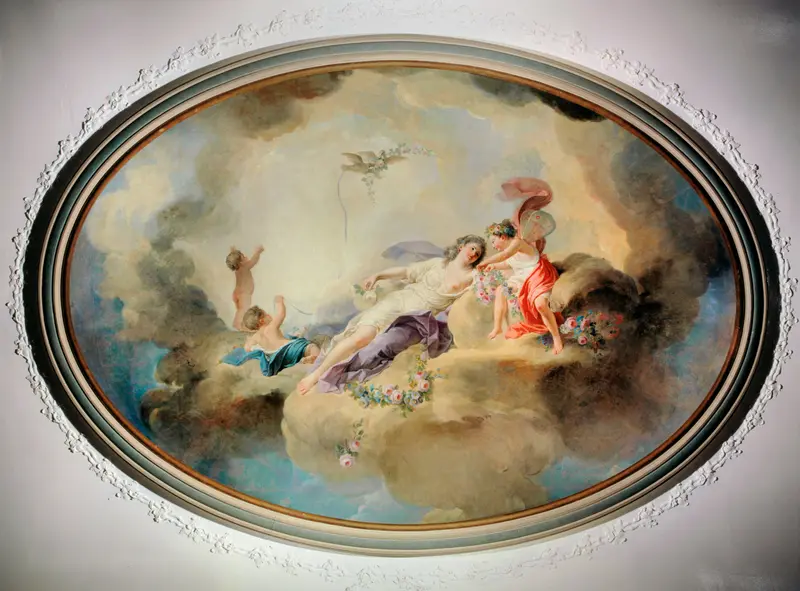
Louis Jean François Lagrenée Le triomphe de Flore P787 Musée Carnavalet
Louis-Jean-François Lagrenée
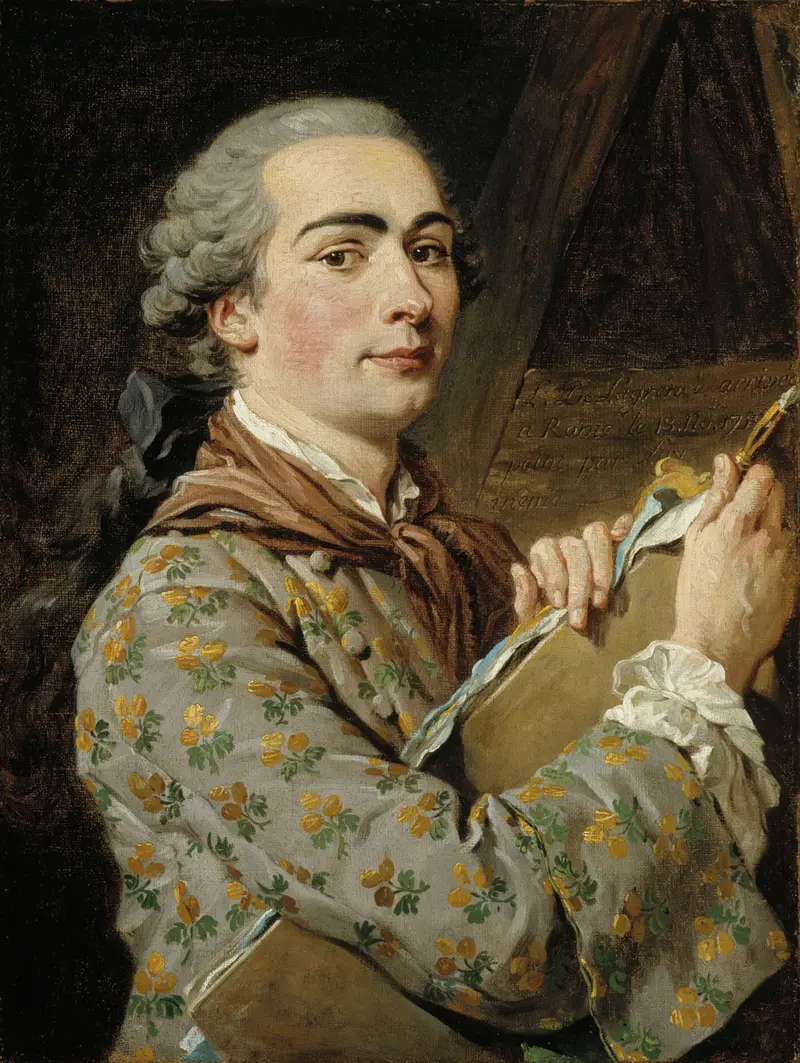
Self-Portrait
Louis-Jean-François Lagrenée
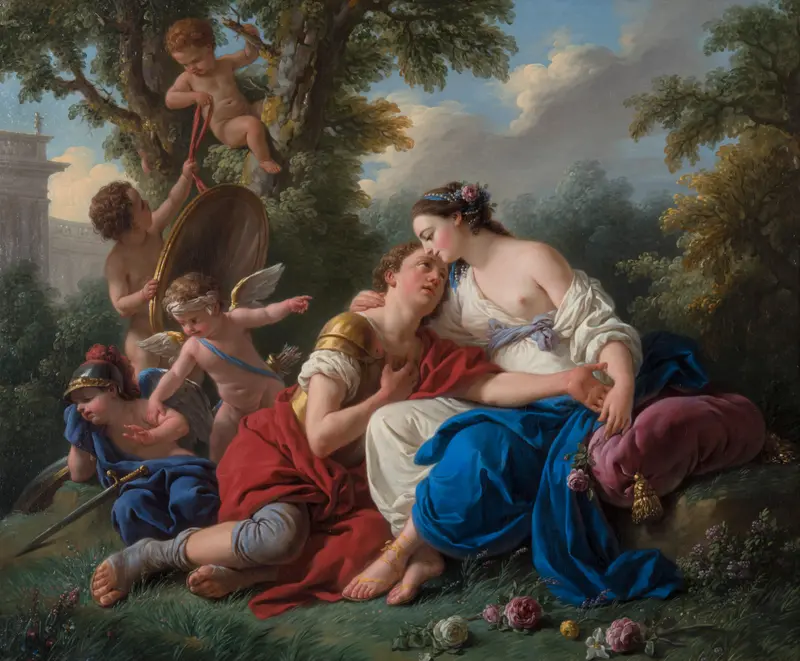
Rinaldo and Armida
Louis-Jean-François Lagrenée
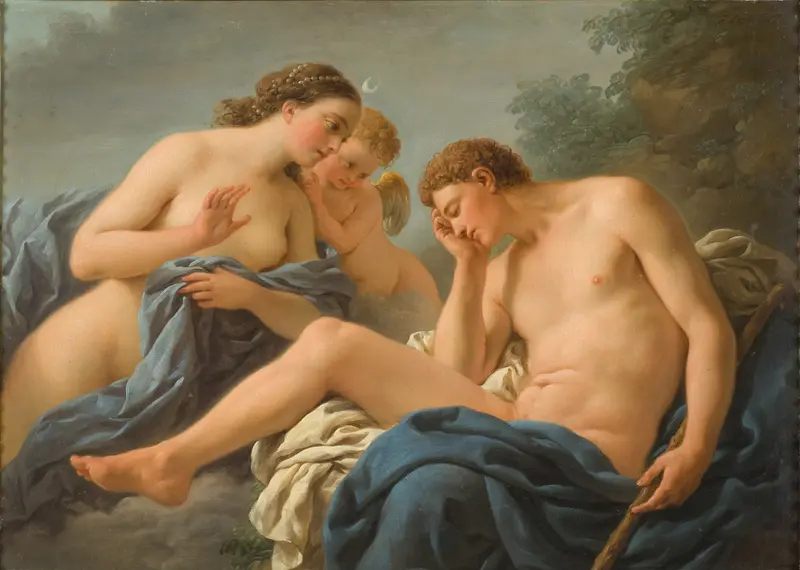
Diana and Endymion
Louis-Jean-François Lagrenée
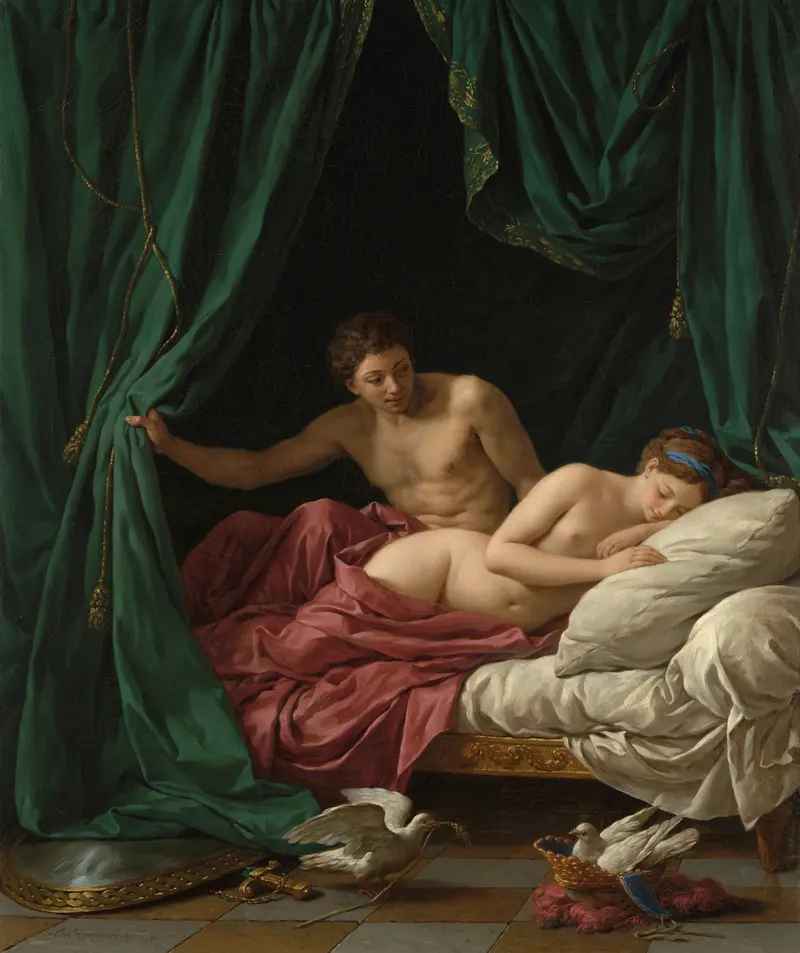
Mars and Venus, Allegory of Peace
Louis-Jean-François Lagrenée





