
The Herengracht, Amsterdam, Viewed from the Leliegracht — History & Facts
In the bustling heart of Amsterdam’s Golden Age, Jan van der Heyden became renowned for his almost architectural precision in cityscapes, and nowhere is this more evident than in The Herengracht, Amsterdam, Viewed from the Leliegracht. What sets this painting apart is its role as a visual record of urban transformation: the Herengracht canal, depicted here, was at the time a symbol of the city’s prosperity and ambitious expansion. Van der Heyden’s meticulous rendering of the canal houses and bridges not only celebrates Amsterdam’s civic pride but also serves as a document of a rapidly modernizing metropolis.
The city’s elite vied for homes along these new waterways, making this scene as much about social status as about urban beauty. The eye is drawn along the tranquil waterway, where sunlight glances off the ripples and the facades of newly built houses stand in orderly ranks. Van der Heyden chooses a vantage point that allows the viewer to peer down the canal, with the Leliegracht bridge elegantly arching in the foreground and a procession of gabled roofs receding into the distance. Every windowpane, brick, and tree is rendered with care, reflecting the artist’s background as an inventor and engineer.
The absence of bustling figures—just a few distant pedestrians—shifts the focus to the city itself as the protagonist, a contrast to the more animated scenes of daily life painted by contemporaries like Jan Steen. Here, order and clarity reign, inviting viewers to marvel at both the city’s design and the painter’s control. The exact date and original patron of The Herengracht, Amsterdam, Viewed from the Leliegracht remain uncertain, as is the case with many of van der Heyden’s works, but it fits squarely within his celebrated series of Amsterdam cityscapes from the late 17th century. Over the centuries, paintings like this have been prized not only as art but as invaluable historical records, often finding homes in both private collections and major European museums.
Today, the painting stands as a testament to van der Heyden’s dual legacy as a painter and chronicler of his city’s golden era, his works continuing to inform historians and delight viewers with their blend of beauty and documentary precision.
More Artworks by Jan van der Heyden

View of the Westerkerk, Amsterdam
Jan van der Heyden
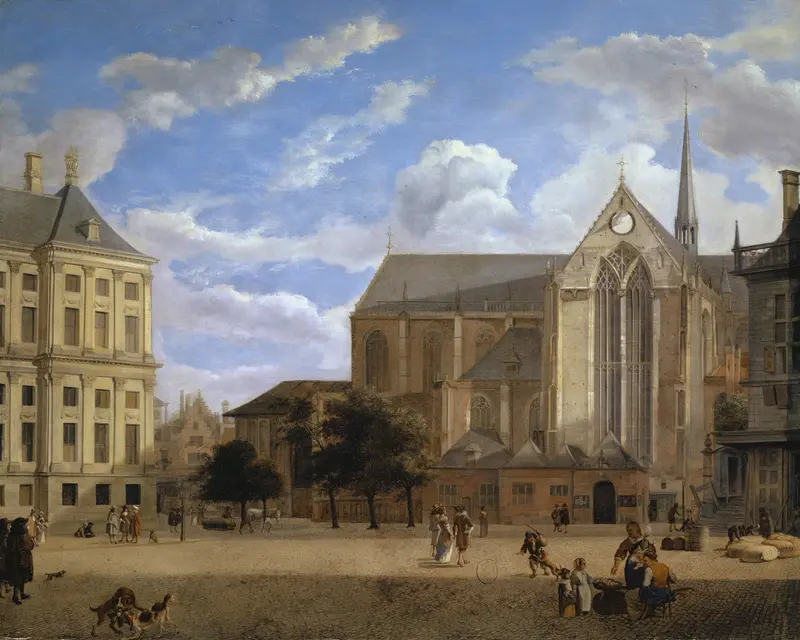
The Dam in Amsterdam towards the Townhall and Nieuwe Kerk
Jan van der Heyden
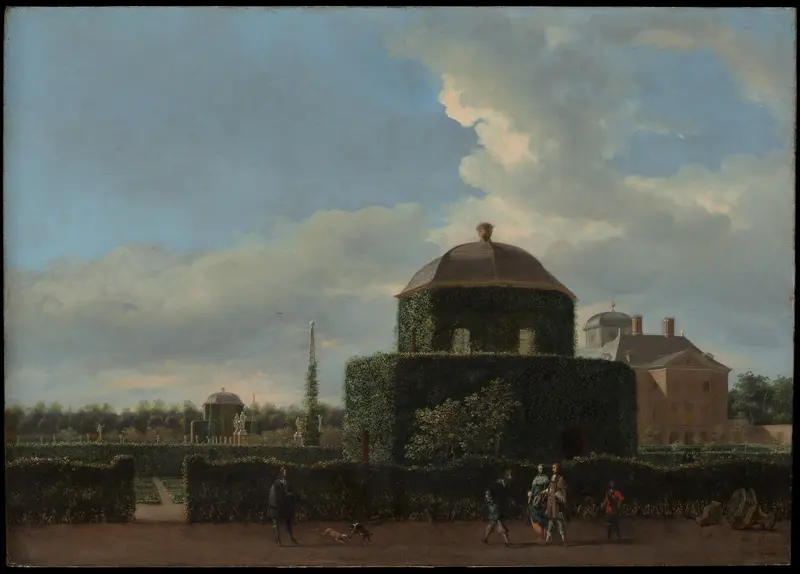
The Huis ten Bosch at The Hague and Its Formal Garden (View from the East)
Jan van der Heyden
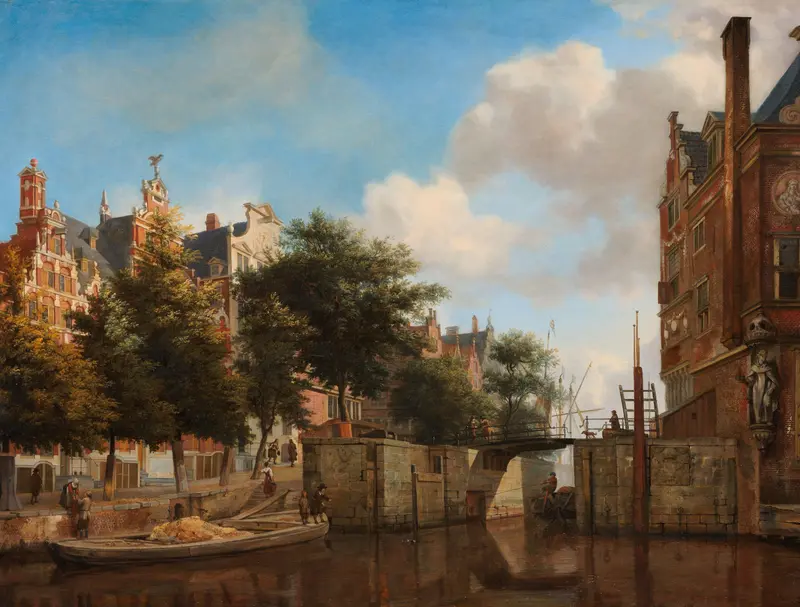
Amsterdam City View with Houses on the Herengracht and the old Haarlemmersluis
Jan van der Heyden
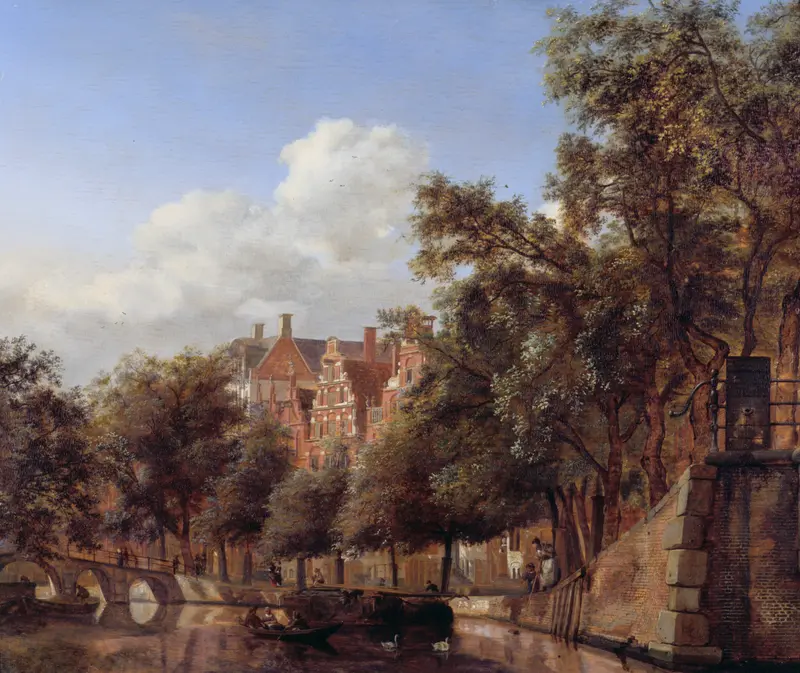
The Herengracht, Amsterdam, Viewed from the Leliegracht
Jan van der Heyden
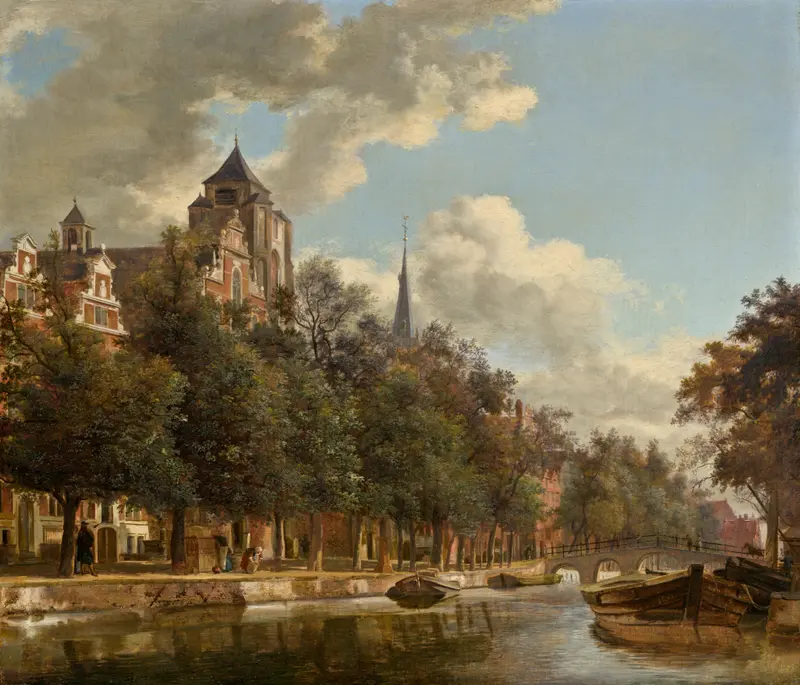
View Down a Dutch Canal
Jan van der Heyden
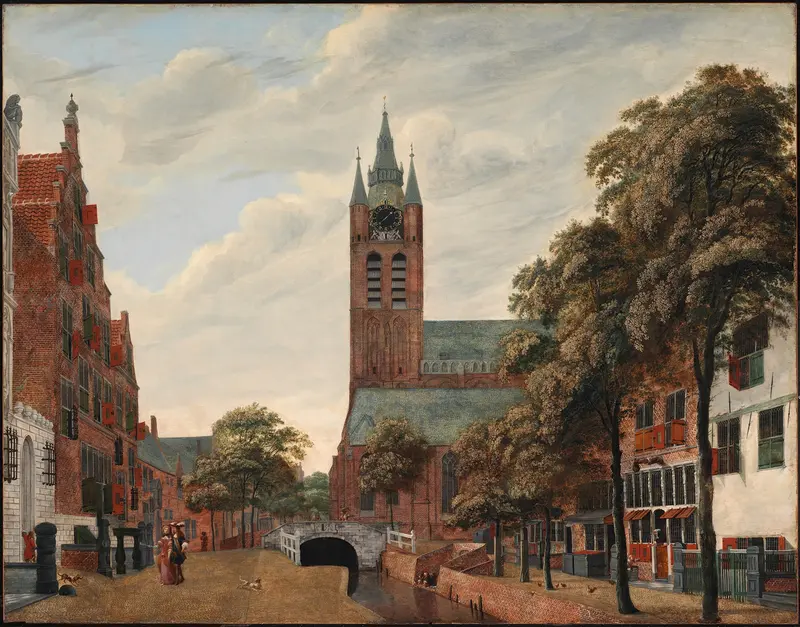
View of the Oude Delft Canal, Delft
Jan van der Heyden
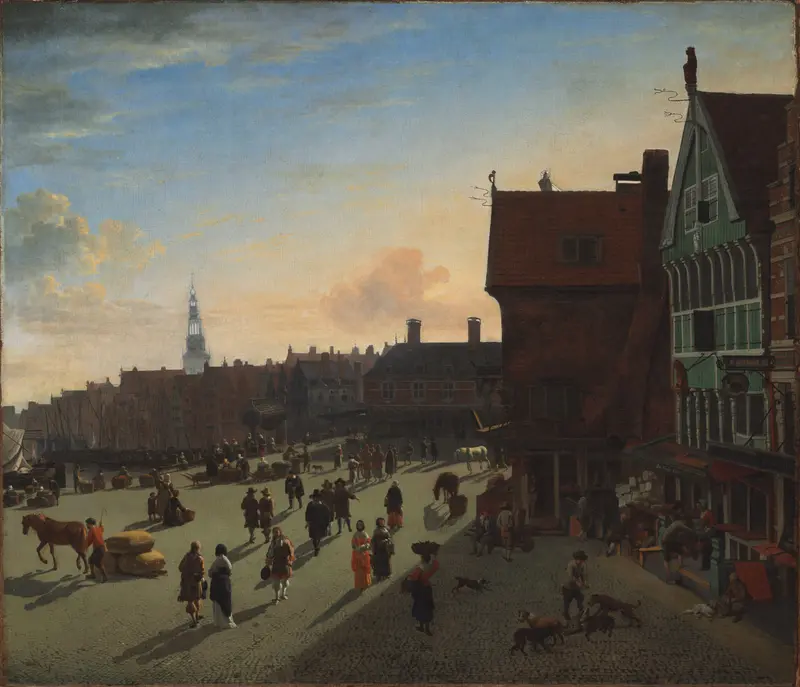
The Dam and Damrak, Amsterdam
Jan van der Heyden
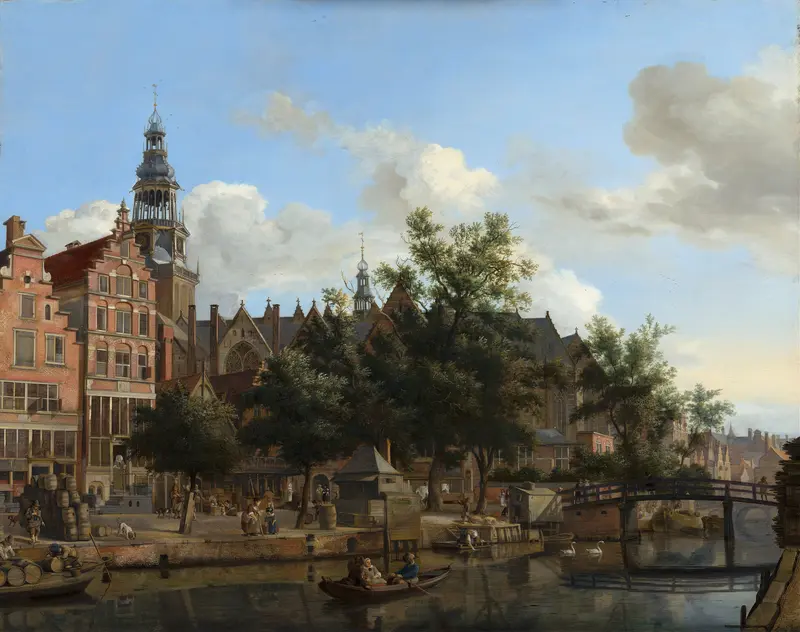
View of Oudezijds Voorburgwal with the Oude Kerk in Amsterdam
Jan van der Heyden
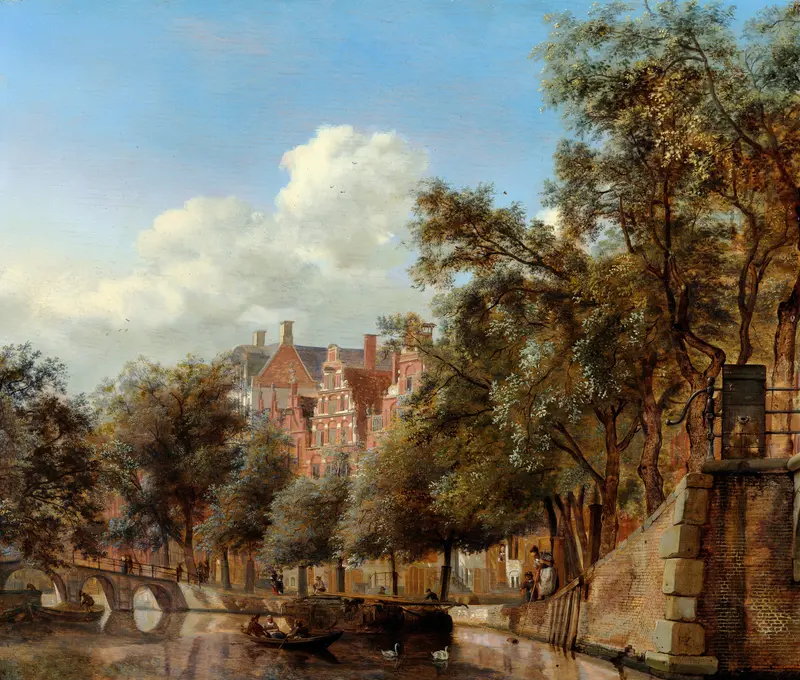
The Herengracht, Amsterdam, Viewed from the Leliegracht
Jan van der Heyden
More Landscape Art

The Starry Night
Vincent van Gogh

View of Delft
Johannes Vermeer

Water Lilies
Claude Monet

The Grand Canal, Venice, looking north-west from the Ca' Corner to the Ca' Contarini degli Scrigni, with the campanile of Santa Maria della Carità
Canaletto

Windsor Castle
Canaletto

The Grand Canal looking North-East from the Palazzo Dolfin-Manin to the Rialto Bridge
Canaletto