
The Houses under the Trees — History & Facts
The first thing that seizes your attention in The Houses under the Trees is the way the world dissolves into a cascade of forms and fractured color. Fernand Léger, working in 1913, gives us not a tranquil village scene but a puzzle of geometry—arches of green that hint at foliage, blocks of red and blue that might be rooftops, all pressed together in a restless, almost musical rhythm. The eye is drawn in, forced to navigate a labyrinth where nothing is quite what it seems, and yet everything feels alive with the energy of the modern city and the filtered light of a forest canopy.
The palette—cool greens, sharp reds, and the occasional flash of blue—guides us, suggesting depth and movement, even as the forms themselves resist easy identification. This painting emerges from a moment when artists like Léger, inspired by the Cubist innovations of Picasso and Braque, were breaking apart the visible world to rebuild it on their own terms. In 1913, the boundaries between landscape, architecture, and abstraction were dissolving; painters sought to capture not just what things looked like, but how they felt in a world transformed by machines and speed. Léger’s The Houses under the Trees belongs to this restless era, and while little is recorded about the fate or journey of this specific work, its presence in the Google Art & Culture collection today is a reminder of how radical these experiments once were.
Stand before it and let your eyes wander—see if you can find the houses, or if the trees themselves begin to move.
More Artworks by Fernand Léger

The Tugboat Bridge
Fernand Léger
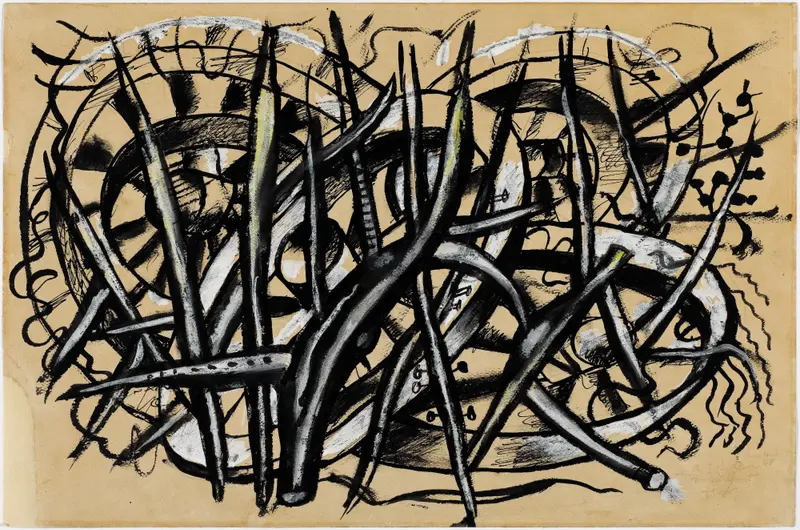
The Wheels
Fernand Léger

Le Cirque Médrano
Fernand Léger
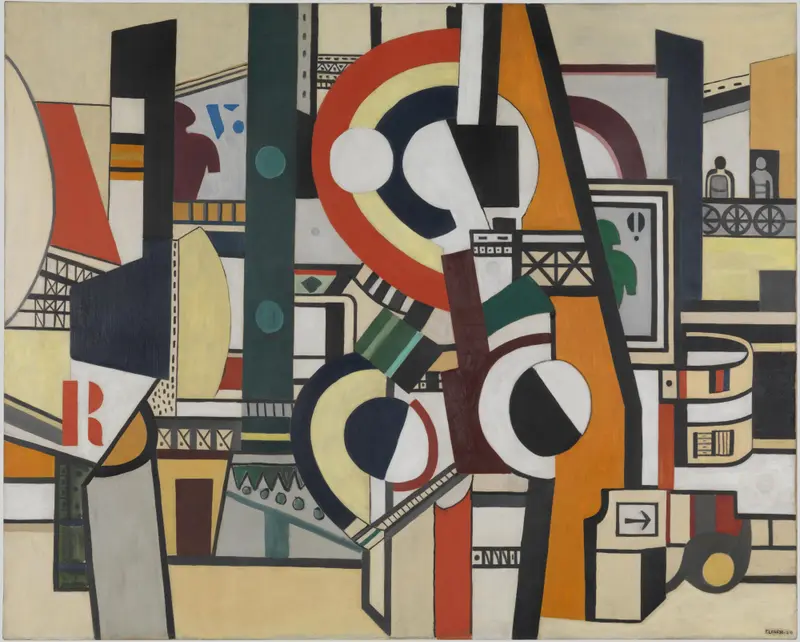
The Disks in the City
Fernand Léger
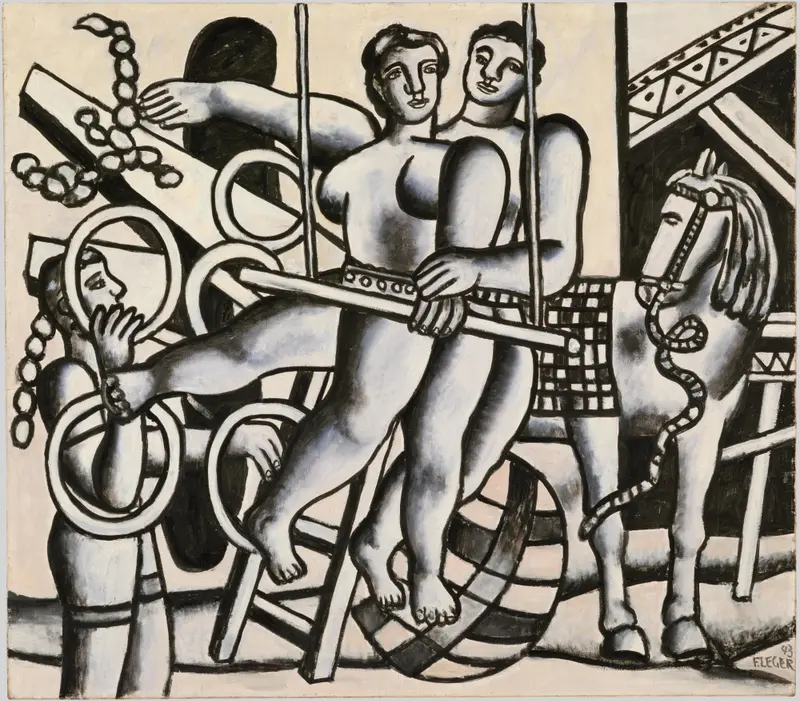
Le Jongleur et les acrobates
Fernand Léger
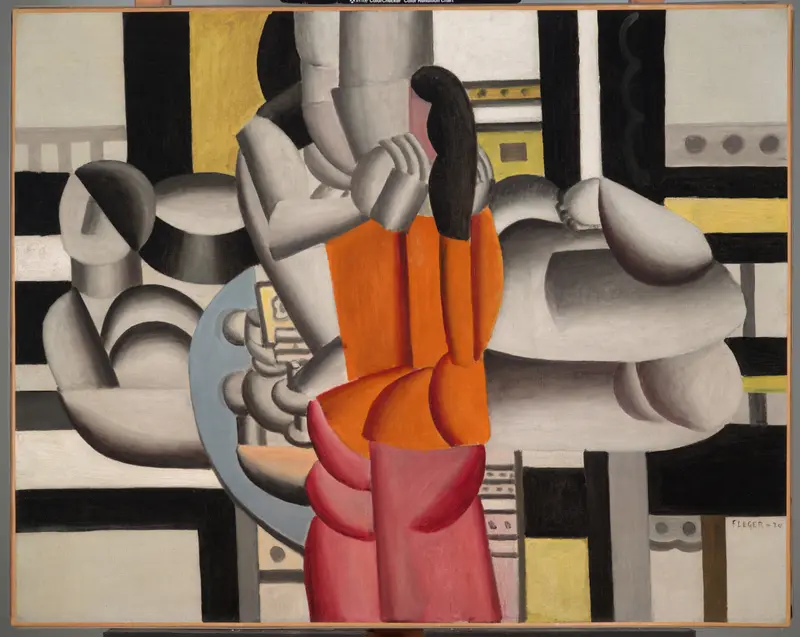
Three Women and Still Life (Déjeuner)
Fernand Léger
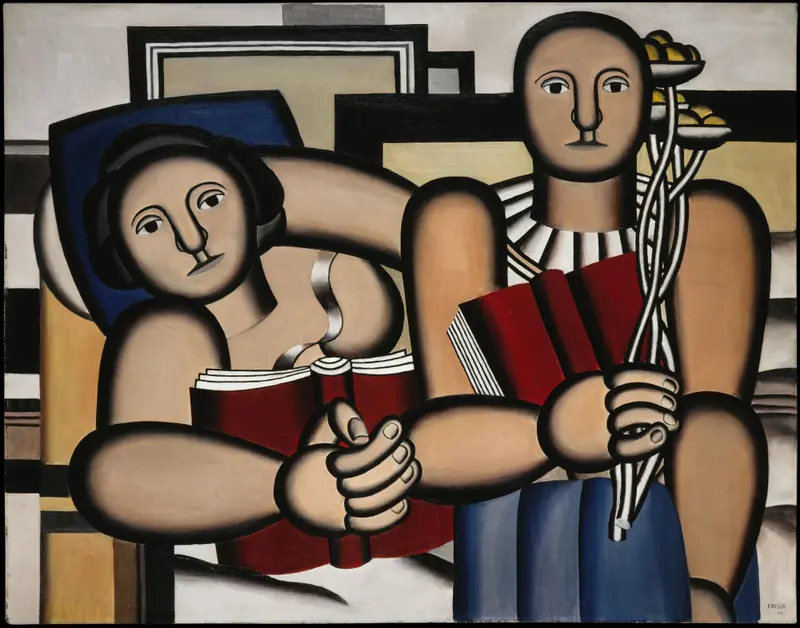
Reading
Fernand Léger
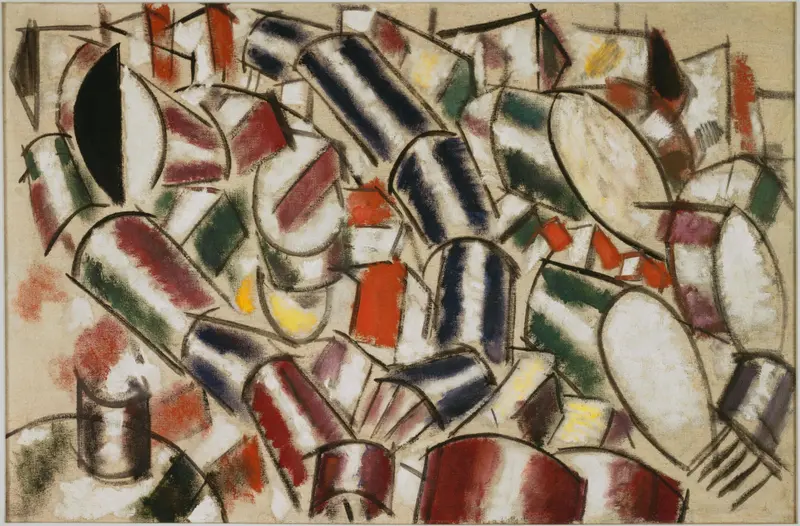
Femme couchée
Fernand Léger
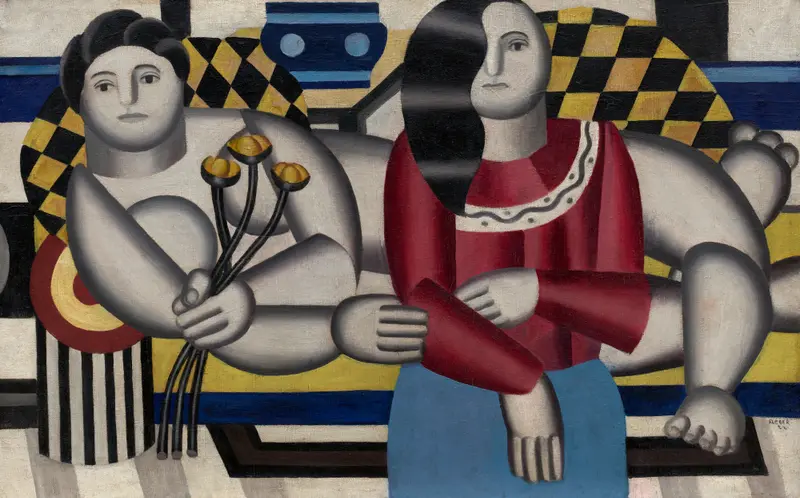
Woman holding flowers
Fernand Léger
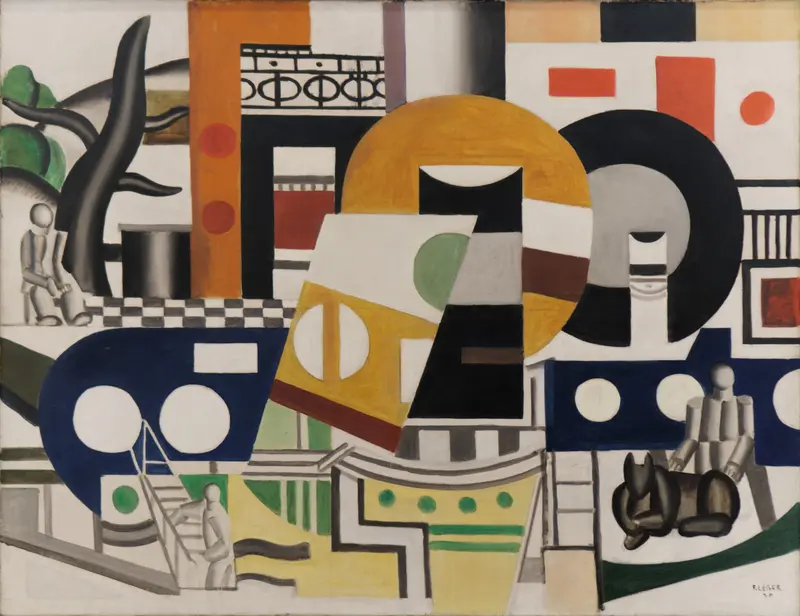
The Tug
Fernand Léger
More Landscape Art

The Starry Night
Vincent van Gogh

View of Delft
Johannes Vermeer

Water Lilies
Claude Monet

The Grand Canal, Venice, looking north-west from the Ca' Corner to the Ca' Contarini degli Scrigni, with the campanile of Santa Maria della Carità
Canaletto

Windsor Castle
Canaletto

The Grand Canal looking North-East from the Palazzo Dolfin-Manin to the Rialto Bridge
Canaletto