
The Imperial Progress (Miyuki), Illustration to Chapter 29 of the Tale of Genji (Genji monogatari) — History & Facts
What if beauty was never meant to be finished? In the intricate whispers of a bygone era, the allure of fleeting moments comes alive, inviting us to linger in its delicate embrace. Look closely at the center of this vibrant tableau, where the noble figures of court life are gracefully arranged. Notice how the soft pastels blend harmoniously, each hue flowing into the next like the silken garments adorning the characters. The flowing lines of their kimonos, embellished with intricate patterns, command immediate attention, while a gentle breeze seems to animate the scene, creating a sense of movement among the stillness. Beneath this enchanting spectacle lies a tapestry of contrasts.
The richness of the opulent colors against the muted background speaks to the duality of wealth and the ephemeral nature of existence. Each figure's expression tells a story, hinting at joy and yearning simultaneously, revealing a world where appearance and emotion intertwine. The subtle yet profound ecological elements, such as cherry blossoms viewed in the background, symbolize the transient beauty of life, heightening the sense of ecstasy inherent in their social interactions. In the early 16th century, during the Muromachi period, Tosa Mitsunobu created this work amid a flourishing interest in courtly life and the arts.
Japan was experiencing a cultural renaissance, merging traditional themes with innovative styles. Mitsunobu, a master of the Yamato-e style, sought to breathe life into classical narratives, responding to evolving tastes and the growing appreciation for beauty that resonates as deeply as it dazzles.
More Artworks by Tosa Mitsunobu
Browse all →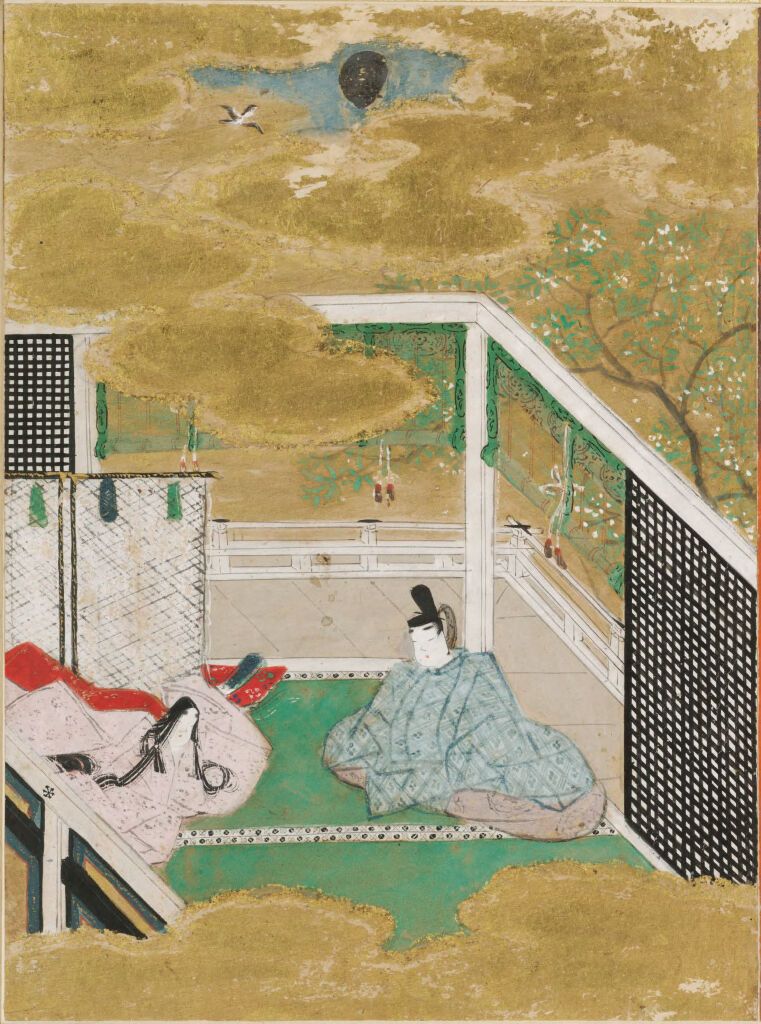
Falling Flowers (Hanachirusato), Illustration to Chapter 11 of the Tale of Genji (Genji monogatari)
Tosa Mitsunobu
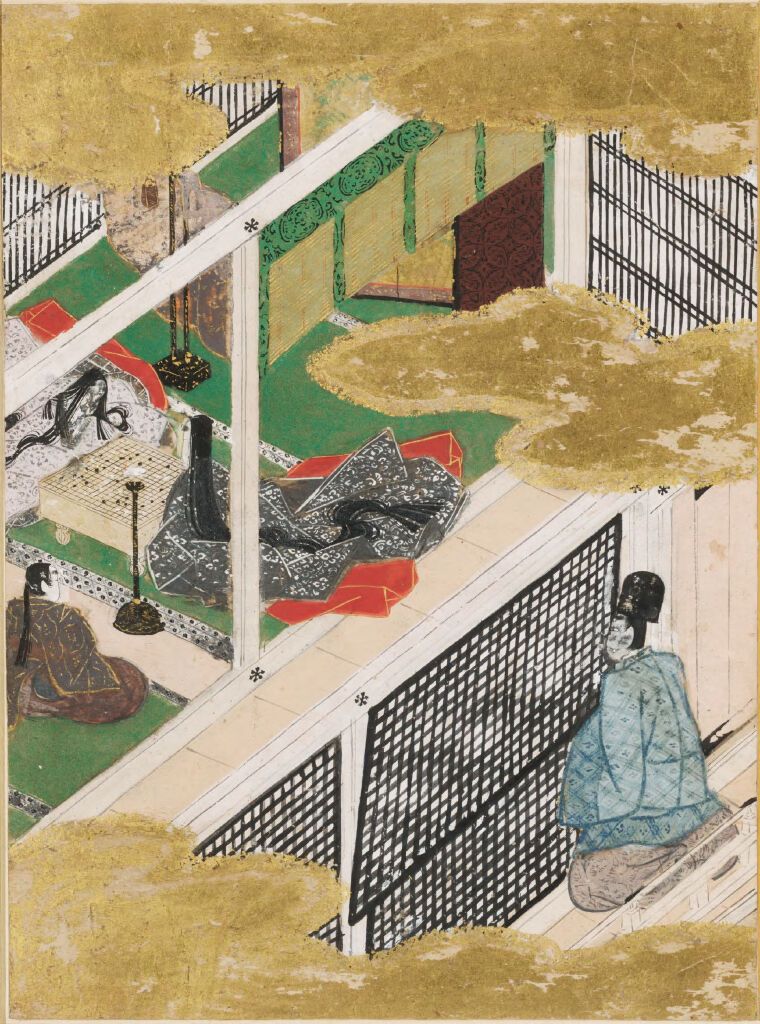
The Cicada Shell (Utsusemi), Illustration to Chapter 3 of the Tale of Genji (Genji monogatari)
Tosa Mitsunobu
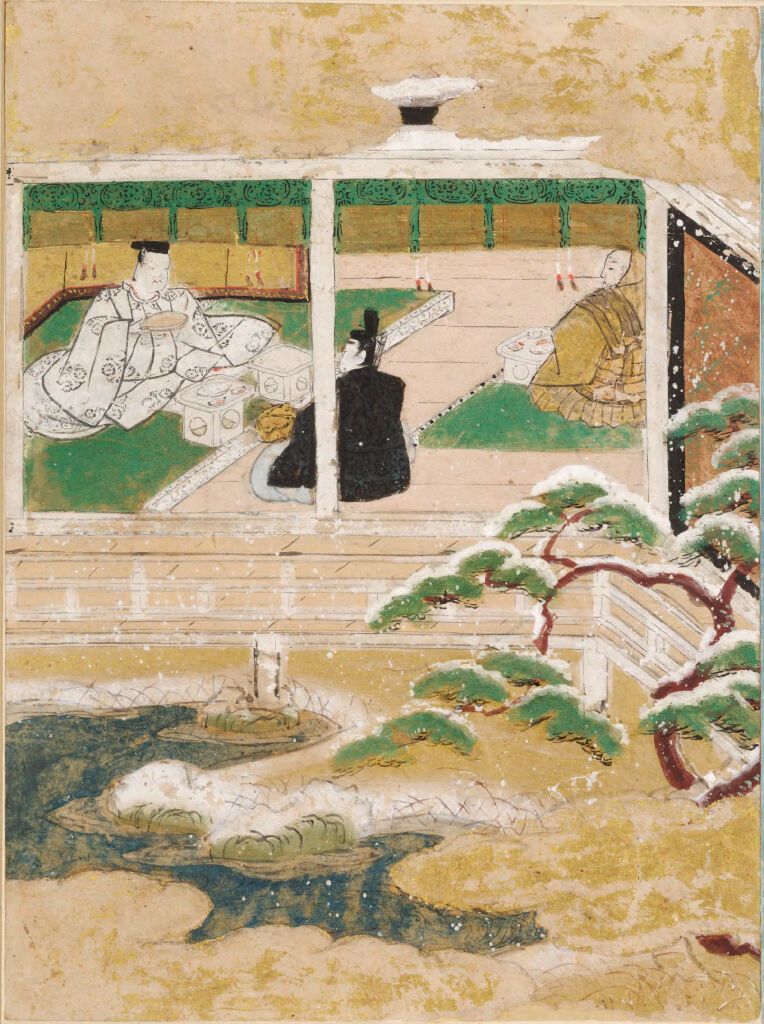
The Seer (Maboroshi), Illustration to Chapter 41 of the Tale of Genji (Genji monogatari)
Tosa Mitsunobu
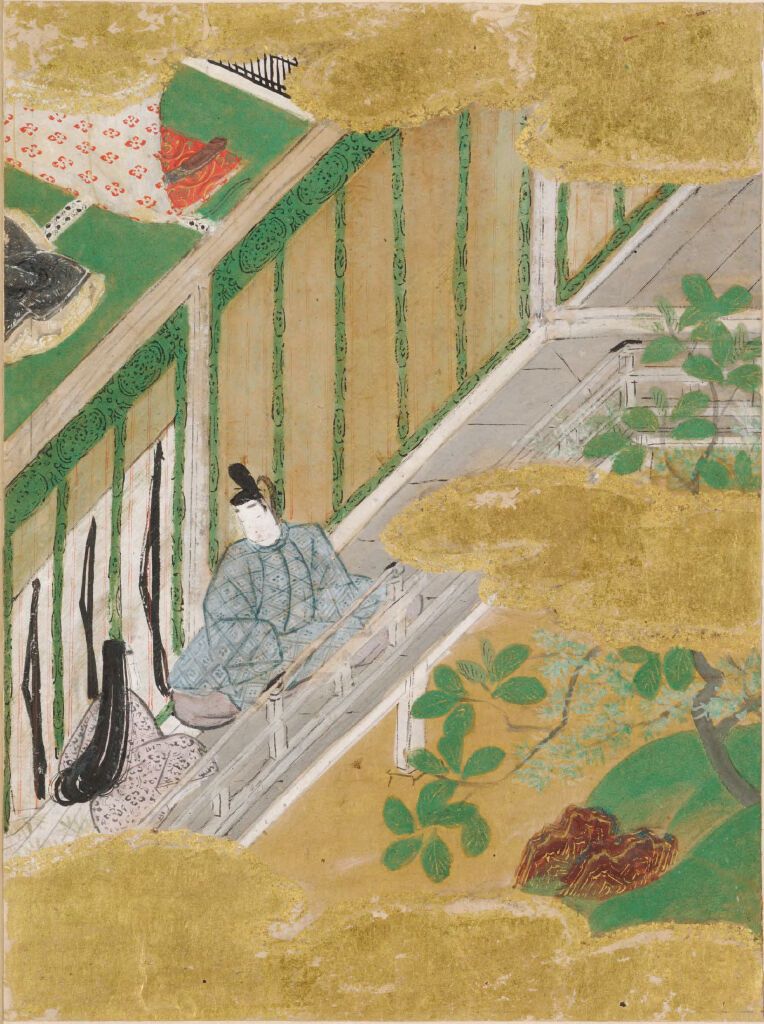
The Oak Tree (Kashiwagi), Illustration to Chapter 36 of the Tale of Genji (Genji monogatari)
Tosa Mitsunobu
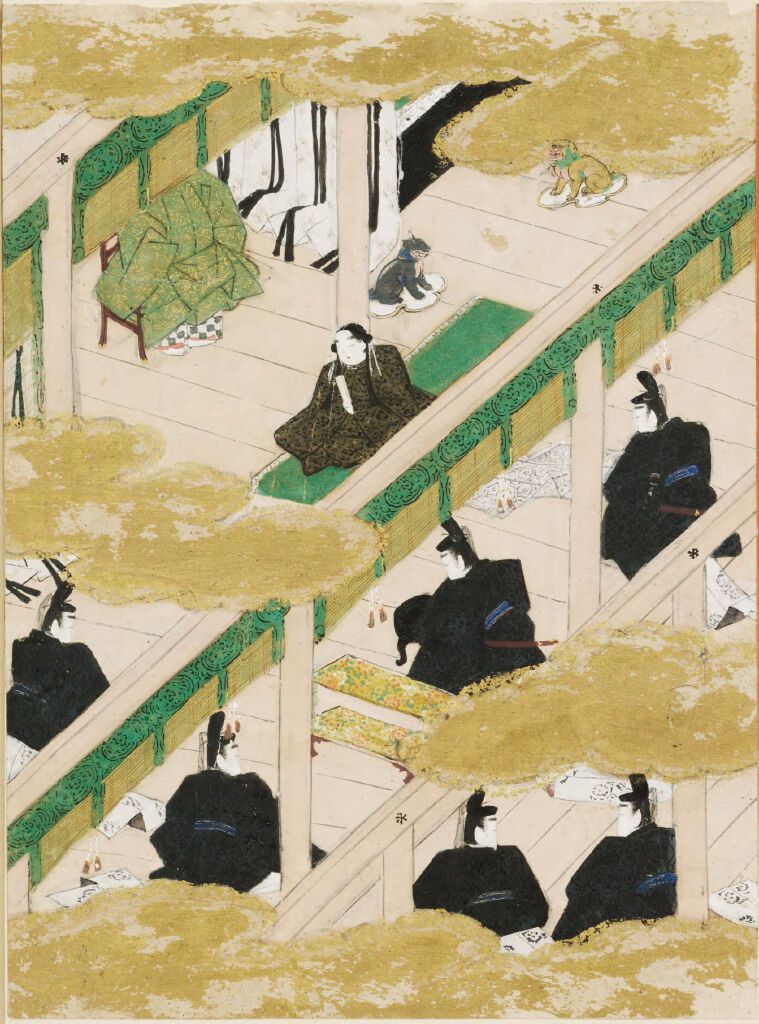
The Paulownia Pavilion (Kiritsubo), Illustration to Chapter 1 of the Tale of Genji (Genji monogatari)
Tosa Mitsunobu
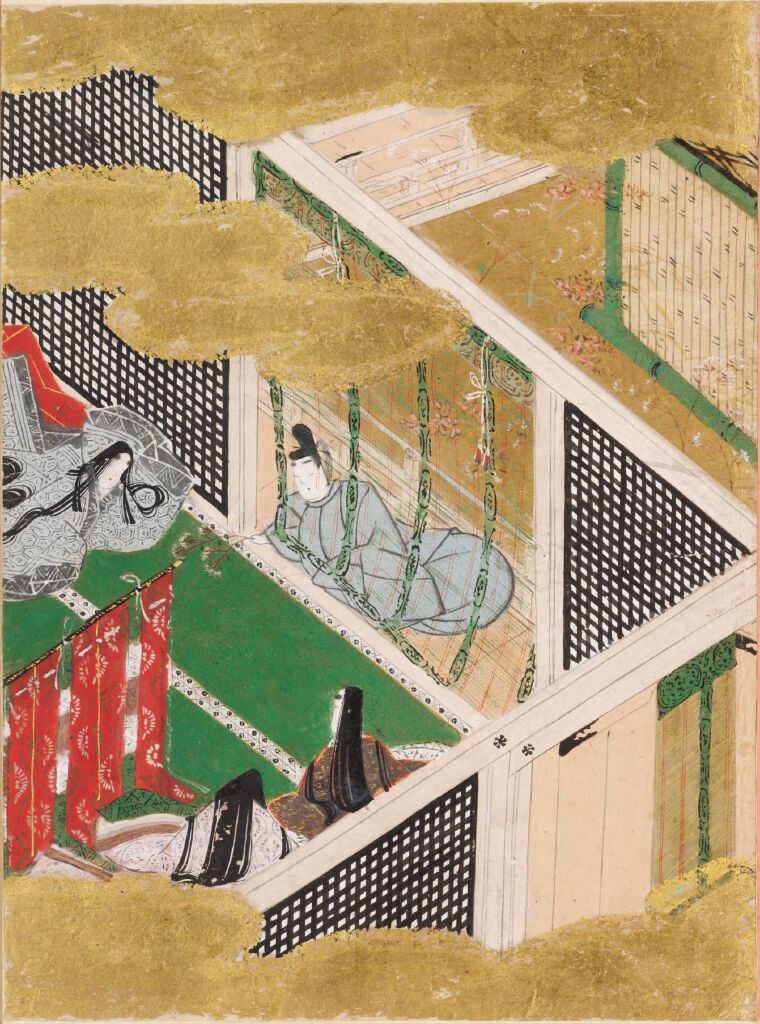
Thoroughwort Flowers (Fujibakama), Illustration to Chapter 30 of the Tale of Genji (Genji monogatari)
Tosa Mitsunobu

Under the Cherry Blossoms (Hana no En), Illustration to Chapter 8 of the Tale of Genji (Genji monogatari)
Tosa Mitsunobu

The Pilgrimage to Sumiyoshi (Miotsukushi), Illustration to Chapter 14 of the Tale of Genji (Genji monogatari)
Tosa Mitsunobu
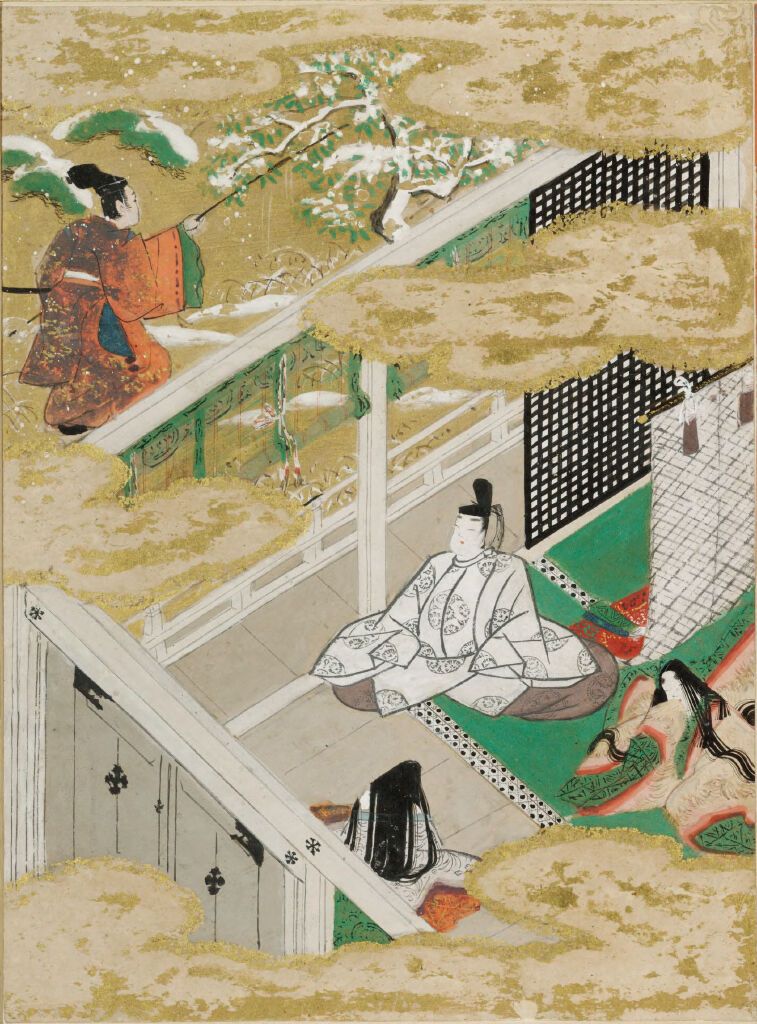
The Safflower (Suetsumuhana), Illustration to Chapter 6 of the Tale of Genji (Genji monogatari)
Tosa Mitsunobu
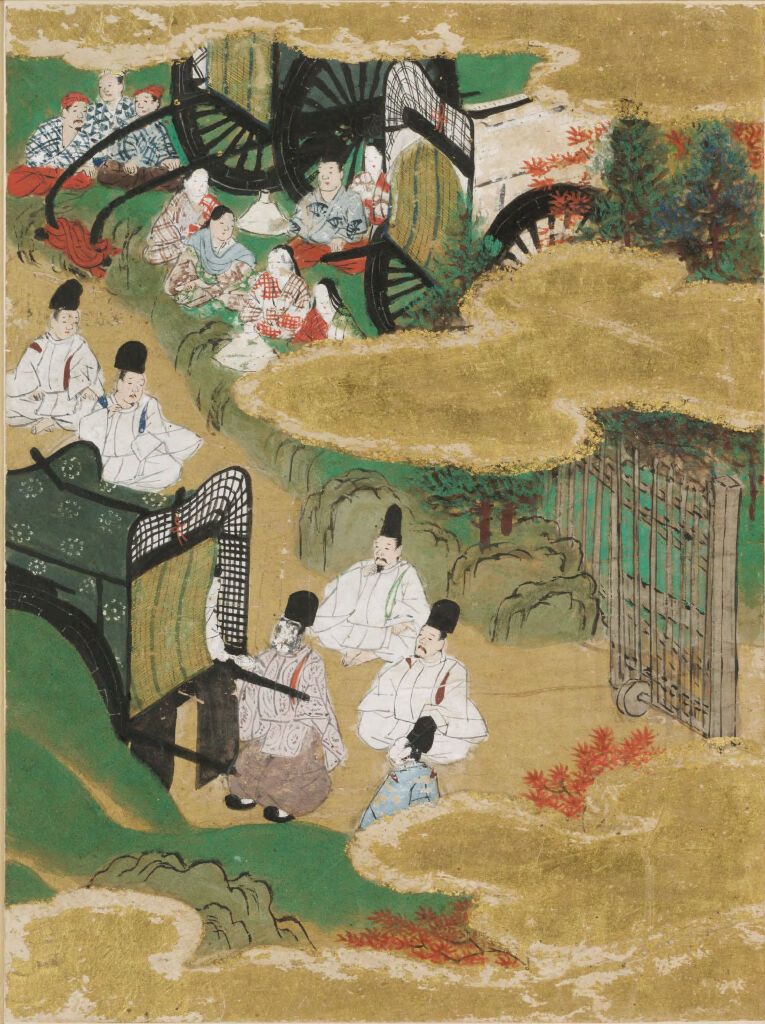
At the Pass (Sekiya), Illustration to Chapter 16 of the Tale of Genji (Genji monogatari)
Tosa Mitsunobu





