
The Lamentation of Christ — History & Facts
What first grips the eye in The Lamentation of Christ is not the drama of the scene, but the hush that settles over it—a silence built from the cool, ashen palette and the sweep of sky that presses down on the group below. The body of Christ, lifeless and heavy, is cradled by a figure whose upward gaze and open hand seem to plead with the heavens, while an angel at his side gently supports his arm. Every gesture is charged with meaning: the crown of thorns and nails laid in the foreground, the cross and ladder receding into the rocky distance, and the mourners whose faces are caught between grief and awe.
The composition draws the viewer’s gaze in a slow spiral, from the limp form of Christ outward to the sorrowing figures and then up to the brooding clouds, as if inviting us to linger in the aftermath. Painted between 1630 and 1675, this work belongs to a moment when artists across Europe were drawn to the intense emotion and theatricality of the Lamentation—a subject that allowed for both narrative and meditation. Such paintings were often commissioned for private devotion or small chapels, intended to prompt reflection on suffering and redemption. In the Dutch and Flemish world, artists like Abraham Jansz.
van Diepenbeeck worked at the intersection of Catholic tradition and the new tastes of a changing society, balancing drama with restraint. While history has kept few traces of this particular painting’s journey, its presence in a modern collection reminds us how these works, once tools of prayer and contemplation, now invite us to read their silent stories anew. The landscape, the gestures, the mournful sky—they all wait for the viewer to return and look again.
More Artworks by Abraham Jansz. van Diepenbeeck
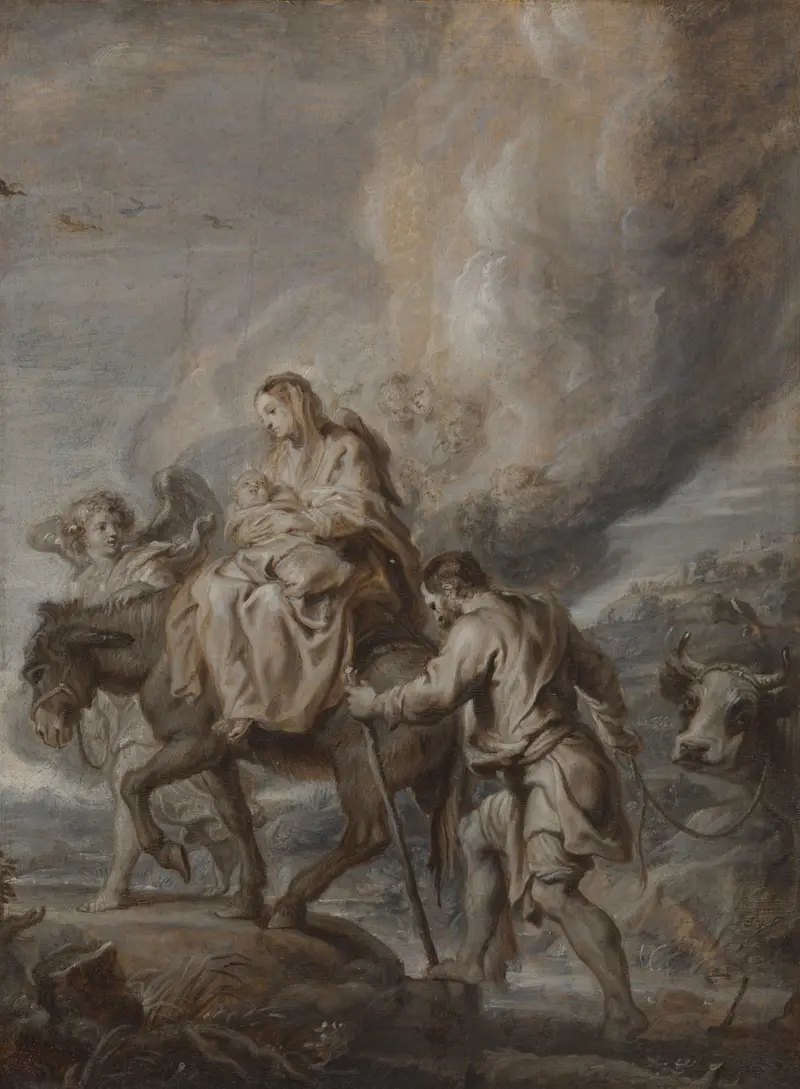
The Flight into Egypt
Abraham Jansz. van Diepenbeeck
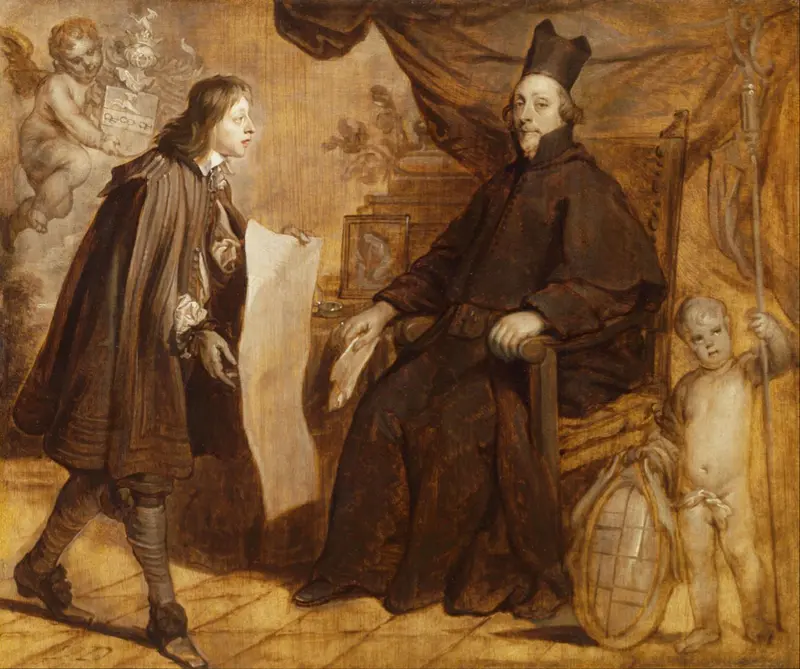
Portrait of a Prelate and a Young Man
Abraham Jansz. van Diepenbeeck
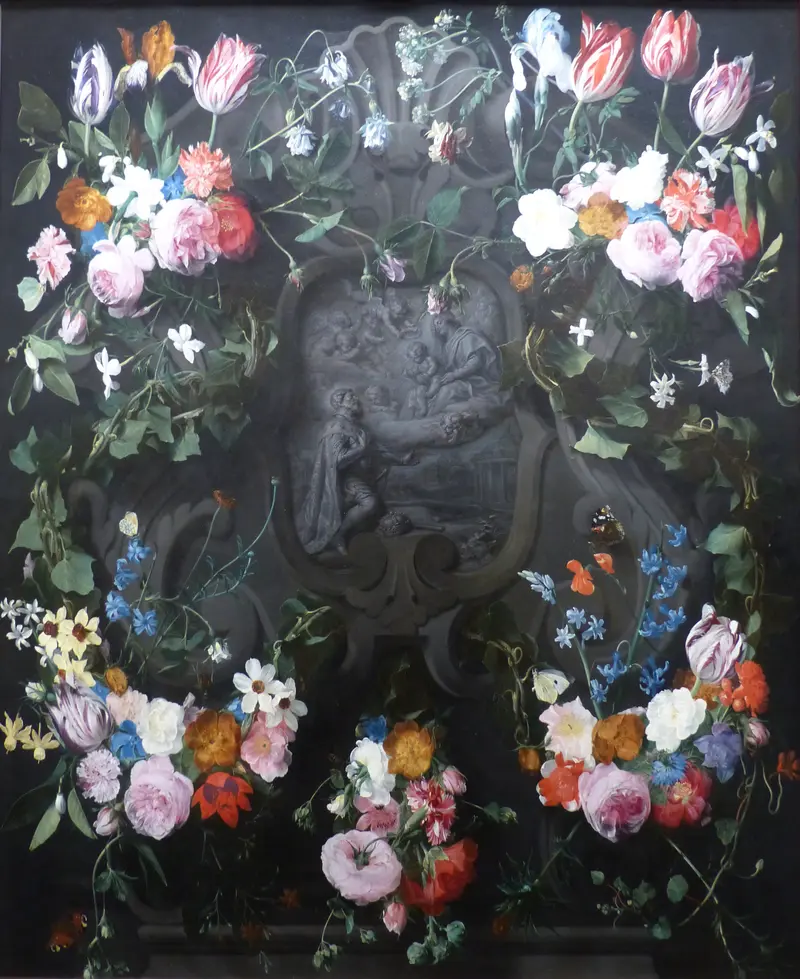
Guirlande de fleurs avec l'apparition de la Vierge-à-l'Enfant à St Léopold
Abraham Jansz. van Diepenbeeck
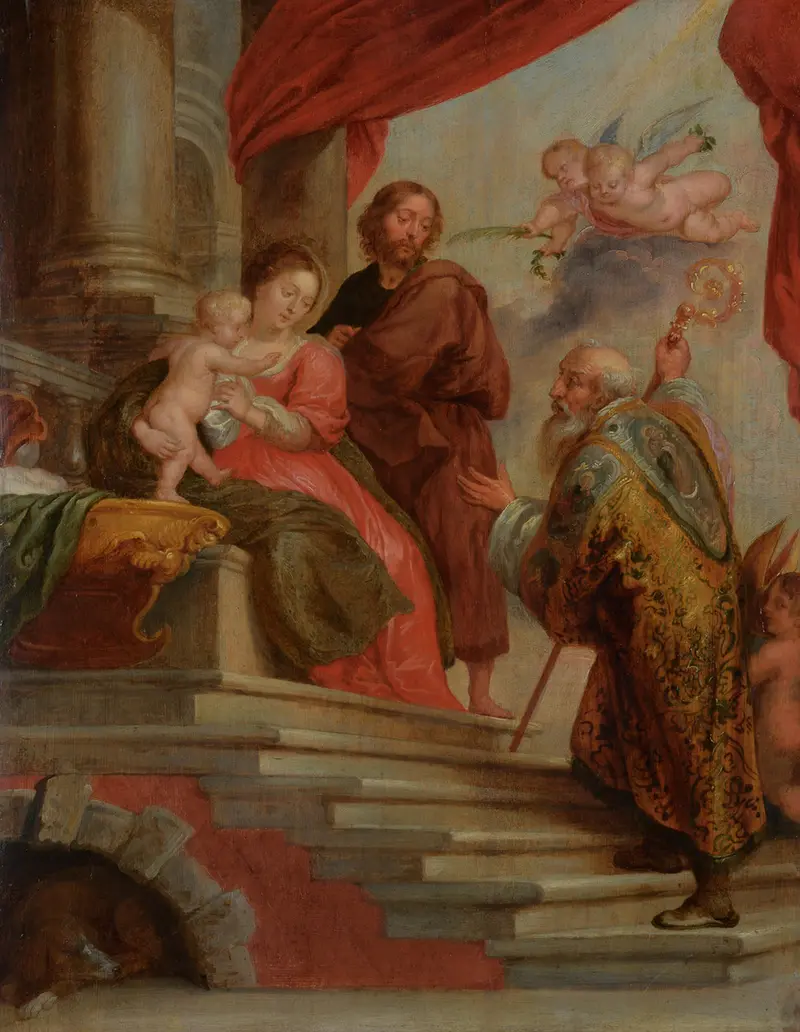
Holy family and Saint Willibrord
Abraham Jansz. van Diepenbeeck
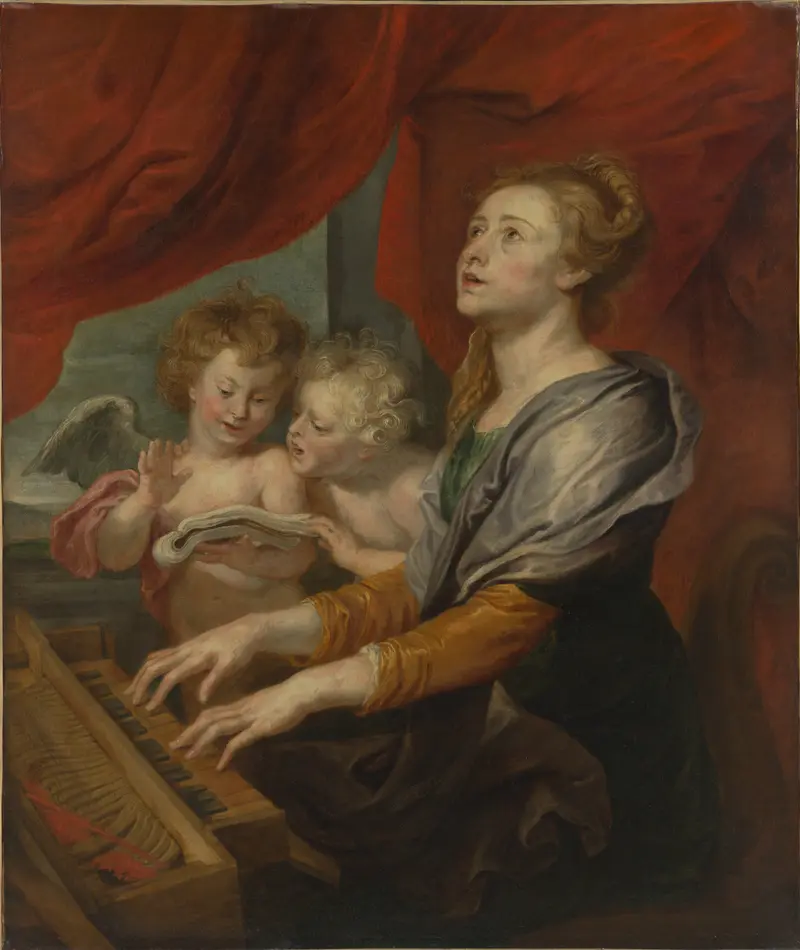
Saint Cecilia
Abraham Jansz. van Diepenbeeck
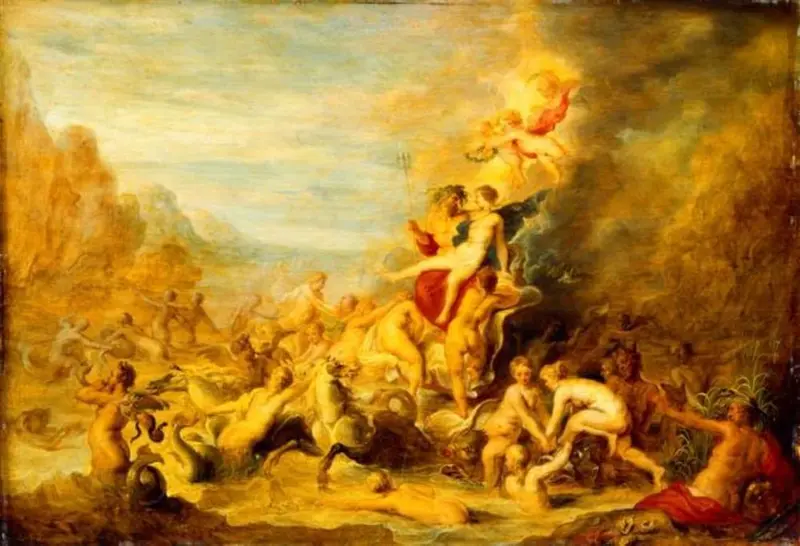
Triumph of Neptune and Amphitrite
Abraham Jansz. van Diepenbeeck
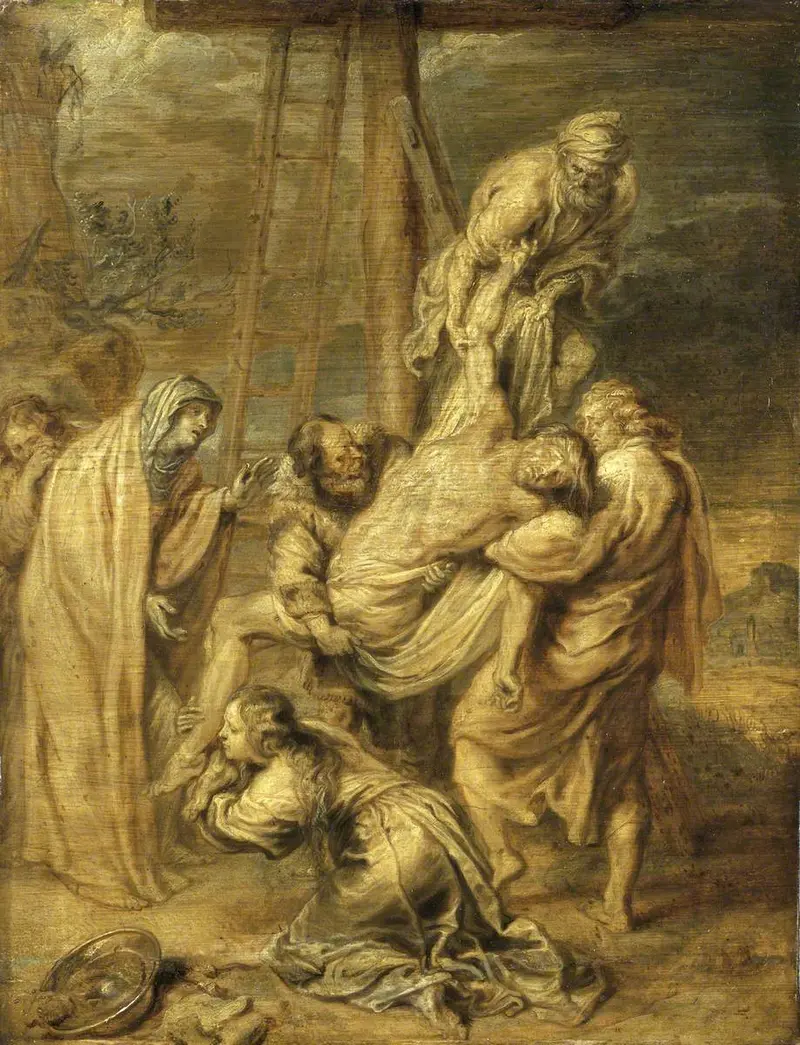
The Deposition
Abraham Jansz. van Diepenbeeck
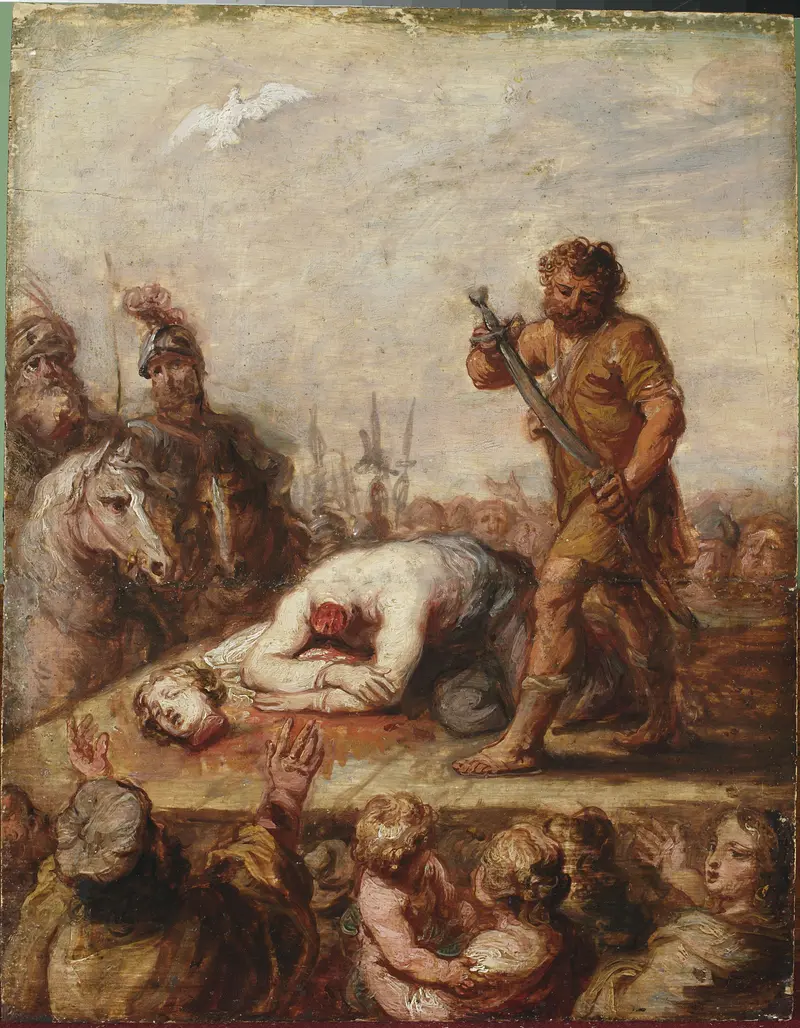
Sketch for a Decapitation of a Saint Woman (St. Catherine?)
Abraham Jansz. van Diepenbeeck
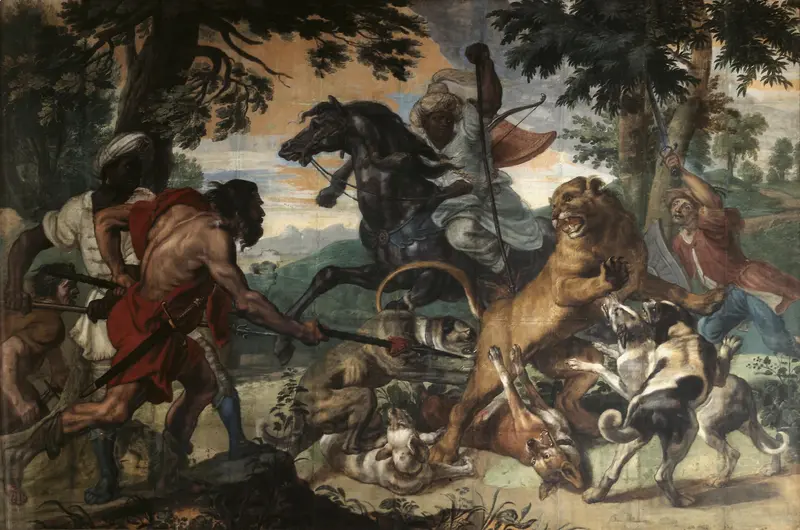
Lion Hunting
Abraham Jansz. van Diepenbeeck
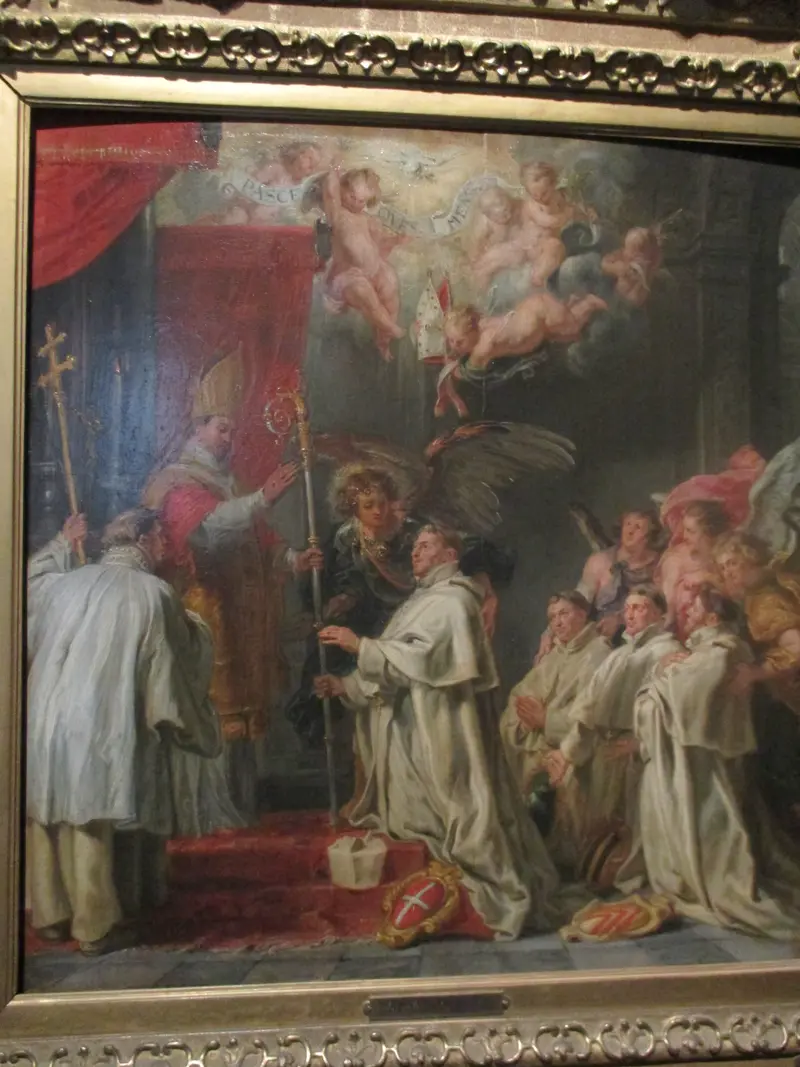
The archangel Michael supports the blessed Waltmann, who is being consecrated abbot by Saint Norbert
Abraham Jansz. van Diepenbeeck





