
The lamentation over the dead Christ — History & Facts
The first thing that seizes the viewer in The lamentation over the dead Christ is the sheer intimacy of grief: the figures do not simply mourn, they cradle, touch, and lean into one another as if the act of holding Christ’s body might keep the world from breaking apart. The light falls with deliberate tenderness, illuminating the pallor of Christ’s body and the gentle, almost protective gestures of the mourners. The sweep of white cloth beneath him is not just a shroud, but a stage for the drama of loss, drawing the eye to the wounds in his feet and side, and then outward to the faces—each one caught at a different moment of sorrow.
The palette is warm but somber, the reds and pinks of the garments echoing the blood just visible on Christ’s hands and feet, while the background recedes into darkness, as if the world itself has dimmed in mourning. This painting belongs to a tradition that flourished in the early seventeenth century, when artists across Catholic Europe were called upon to make the mysteries of faith immediate and human. Such works were often commissioned for altars or private chapels, meant to draw the viewer into the emotional heart of the Passion. Abraham Janssens was active at a time when the influence of Italian art was reshaping the visual language of the North, and his figures recall the weight and presence of those by Caravaggio or Rubens, yet with a quieter, more reflective mood.
Although history has kept few traces of this particular work—documented only as “own work” in 2012-10—its power lies in how it invites us to witness not only a biblical event, but the universal experience of loss and consolation. Let your gaze linger on the hands, the faces, and the gentle fall of light: this is where the story unfolds.
More Artworks by Abraham Janssens

Jupiter Rebuked by Venus
Abraham Janssens
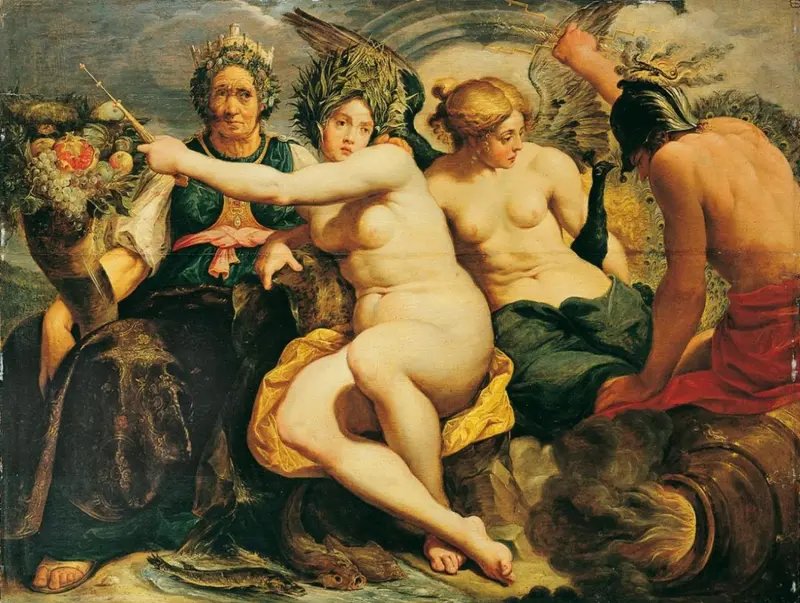
Allegorie der vier Elemente
Abraham Janssens
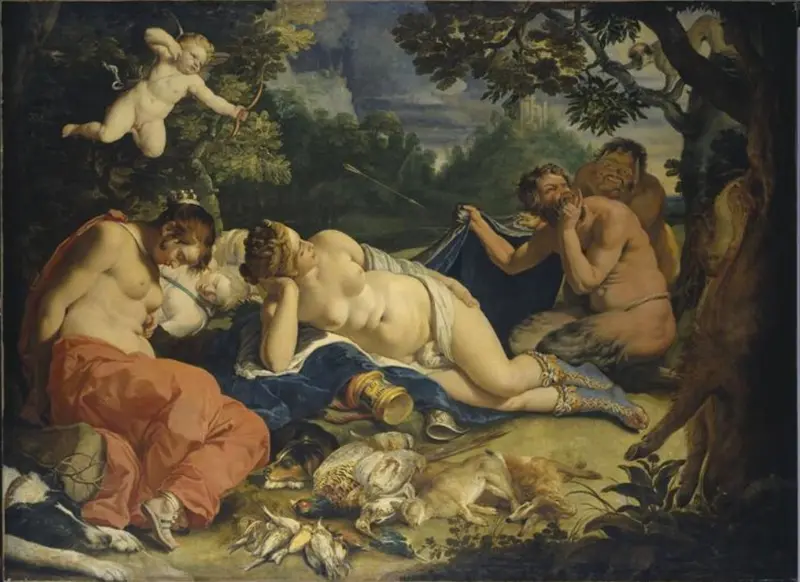
Diana and her nymphs spied on by satyrs
Abraham Janssens

Die Erweckung des Lazarus 153 Bavarian State Painting Collections
Abraham Janssens
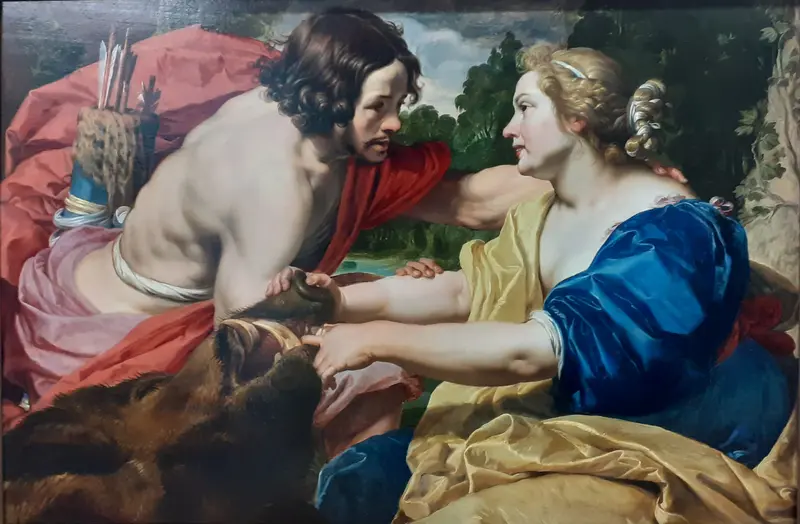
Meleager presents the head of the Calydonian Boar to Atalanta
Abraham Janssens
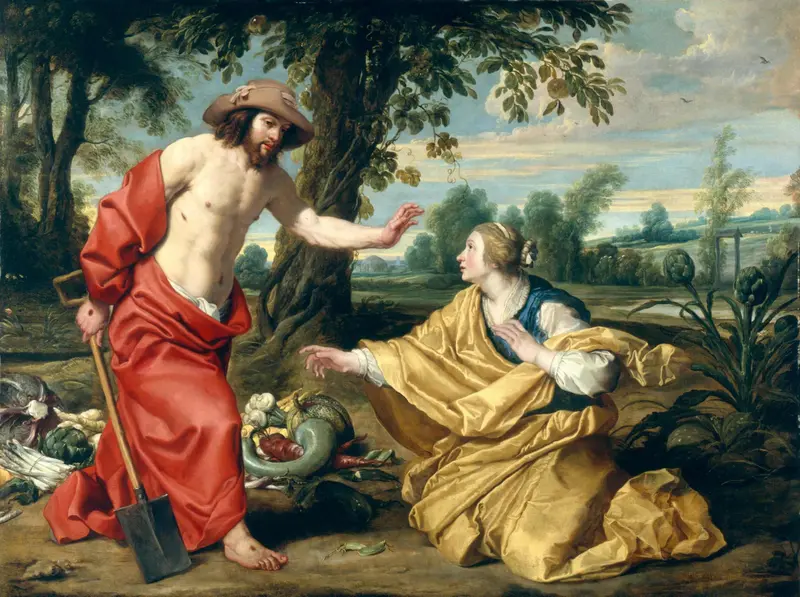
Noli me Tangere
Abraham Janssens
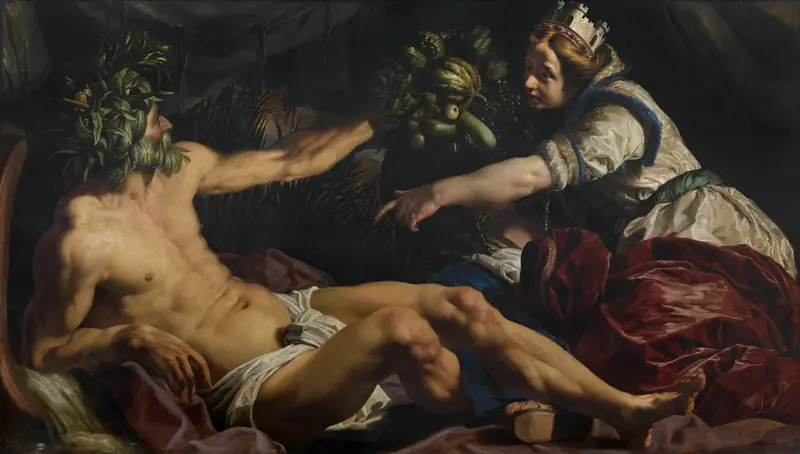
Scaldis and Antverpia
Abraham Janssens
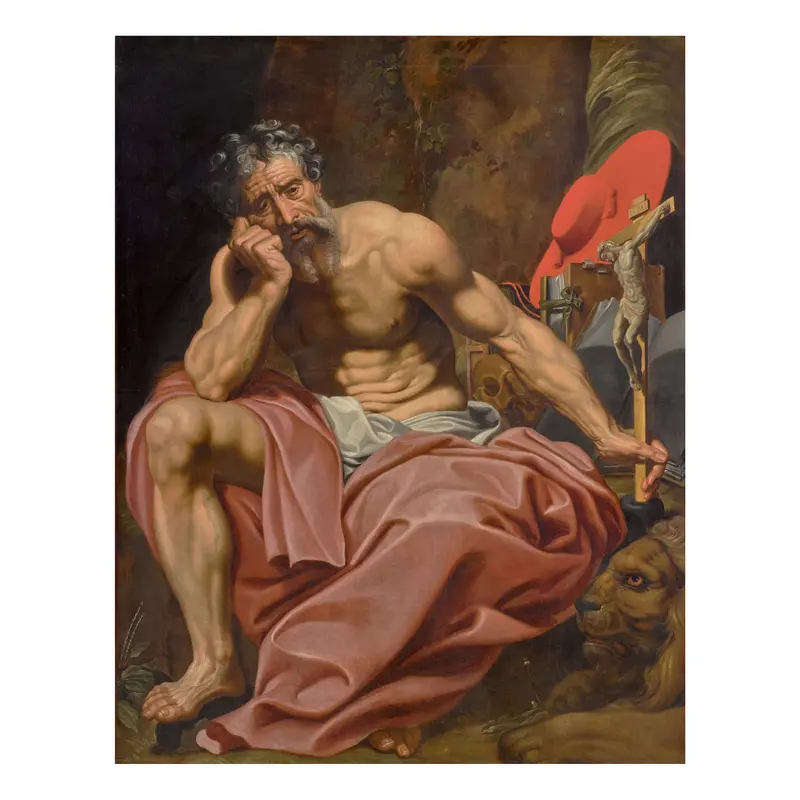
Saint Jerome
Abraham Janssens
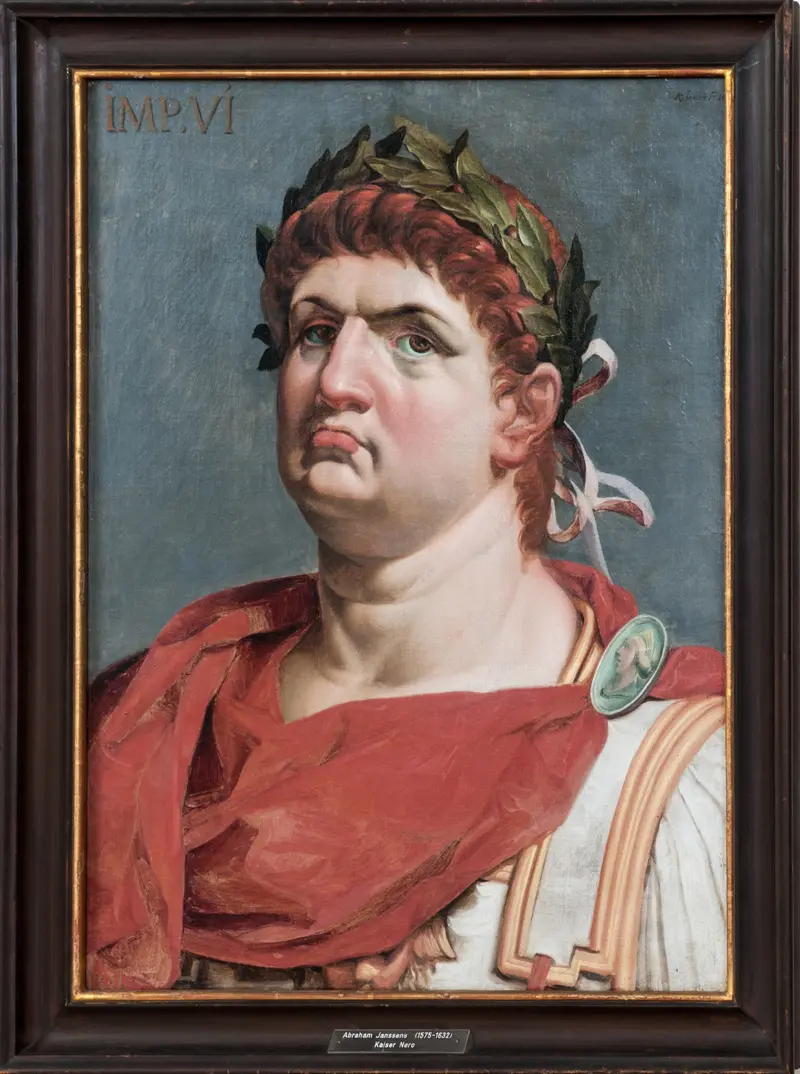
Nero
Abraham Janssens
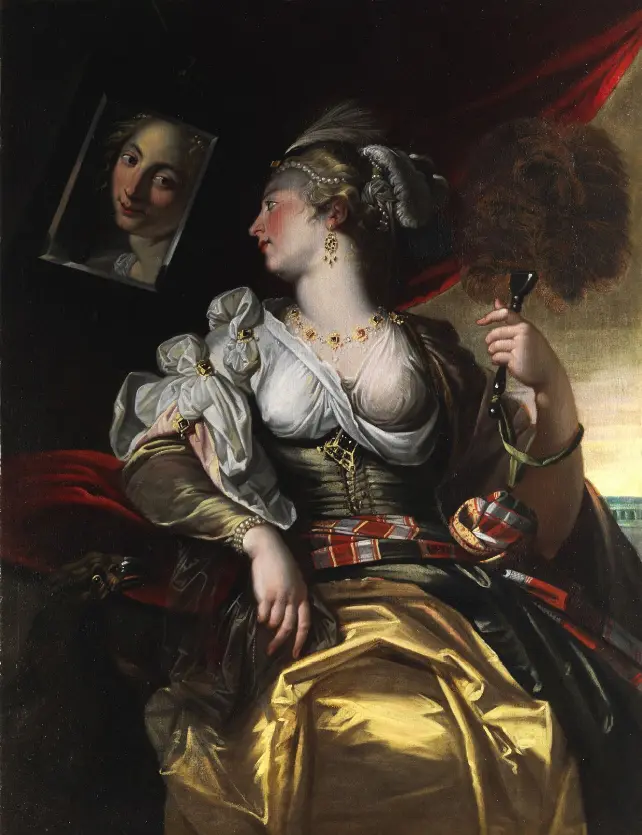
The Face
Abraham Janssens





