
The Lamentation with Saints Mark and Nicholas of Bari — History & Facts
No one knows for certain why Giovanni Bellini placed Saints Mark and Nicholas of Bari at the foot of Christ’s body in The Lamentation with Saints Mark and Nicholas of Bari—a pairing that has puzzled scholars for generations. While the Lamentation over Christ was a familiar subject in Venetian art, the inclusion of these two saints, especially together, is rare and may hint at a lost commission or a patron’s personal devotion. Some have speculated that the painting was originally intended for a chapel dedicated to one or both saints, but so far, no documentation has surfaced to confirm this theory. At the heart of the scene, the lifeless body of Christ is mourned by the Virgin Mary and his followers, their grief palpable in their gestures and faces.
Saint Mark, identified by his lion emblem and a richly embroidered robe, stands to one side, his hand raised in a gesture of blessing or intercession. Opposite him, Saint Nicholas of Bari, known for his bishop’s attire and gentle expression, leans forward, his presence suggesting compassion and care for the suffering. The cool, silvery light that bathes the figures is typical of Bellini’s mature style, lending a quiet solemnity to the moment.
Compared to the more crowded and dramatic lamentations by Mantegna, Bellini favors a sense of stillness and intimacy, focusing attention on the emotional bonds between the figures. The early history of The Lamentation with Saints Mark and Nicholas of Bari remains uncertain, as neither its original location nor its patron has been securely identified. What is clear is that the painting belongs to a period when Bellini was at the height of his powers, experimenting with new ways to convey human emotion and sacred presence. Over the centuries, the work has been admired for its harmonious composition and psychological depth, though its provenance is still a matter of scholarly debate.
Today, it stands as a testament to Bellini’s role in shaping Venetian painting, bridging the devotional art of the late Gothic with the naturalism and warmth that would define the Renaissance.
More Artworks by Giovanni Bellini
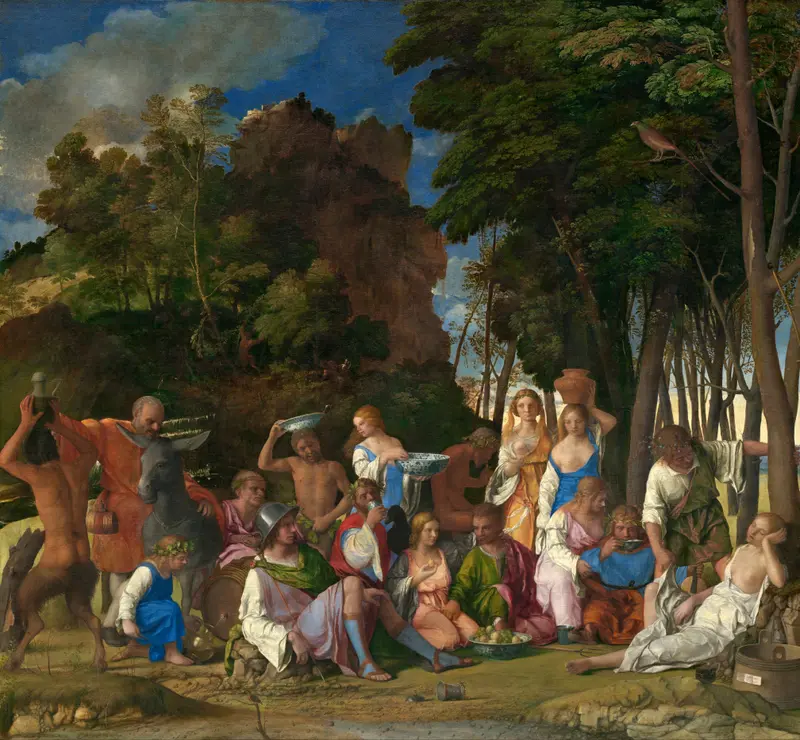
The Feast of the Gods
Giovanni Bellini

Madonna and Child enthroned with Saints and Angels
Giovanni Bellini
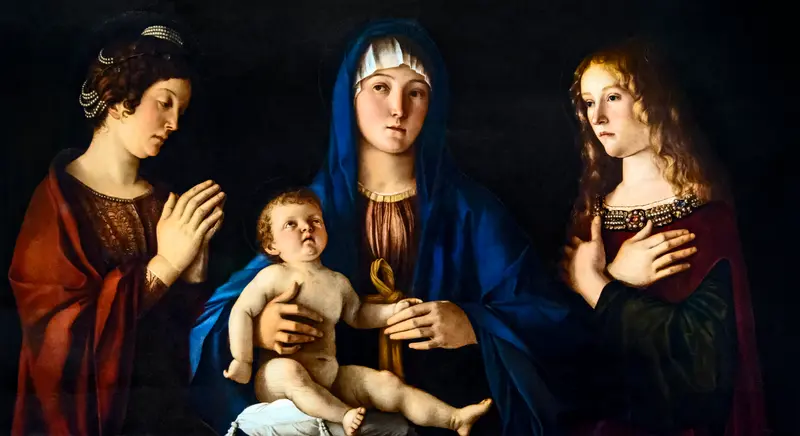
Madonna and Child between Saints Catherine and Mary Magdalene
Giovanni Bellini
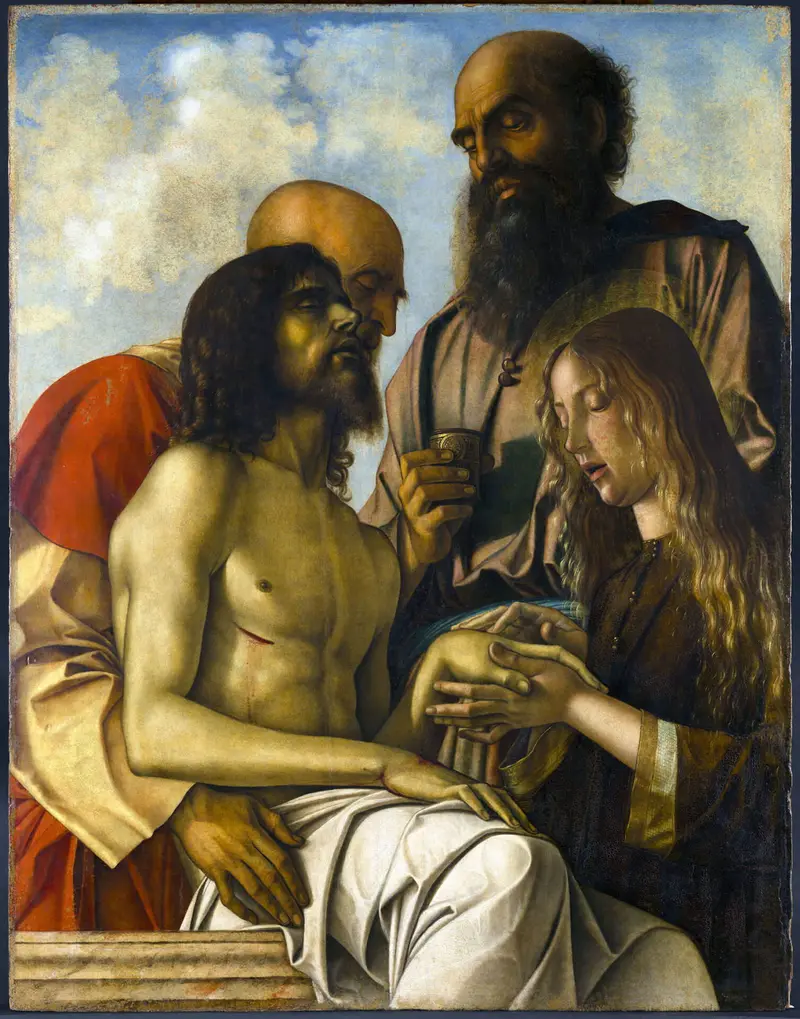
Lamentation over the Dead Christ
Giovanni Bellini
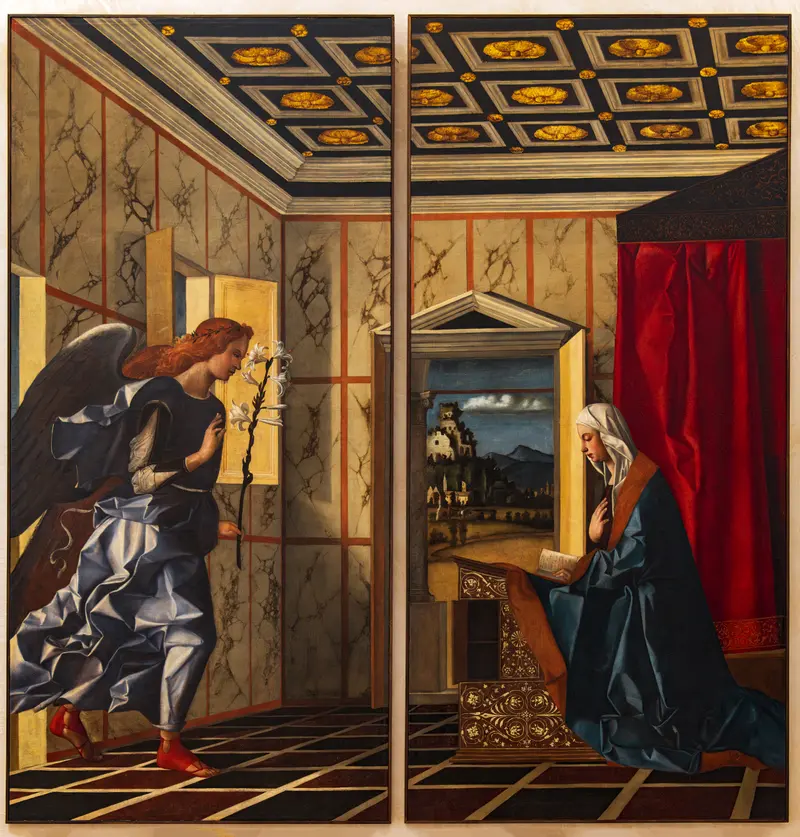
Annunciation
Giovanni Bellini
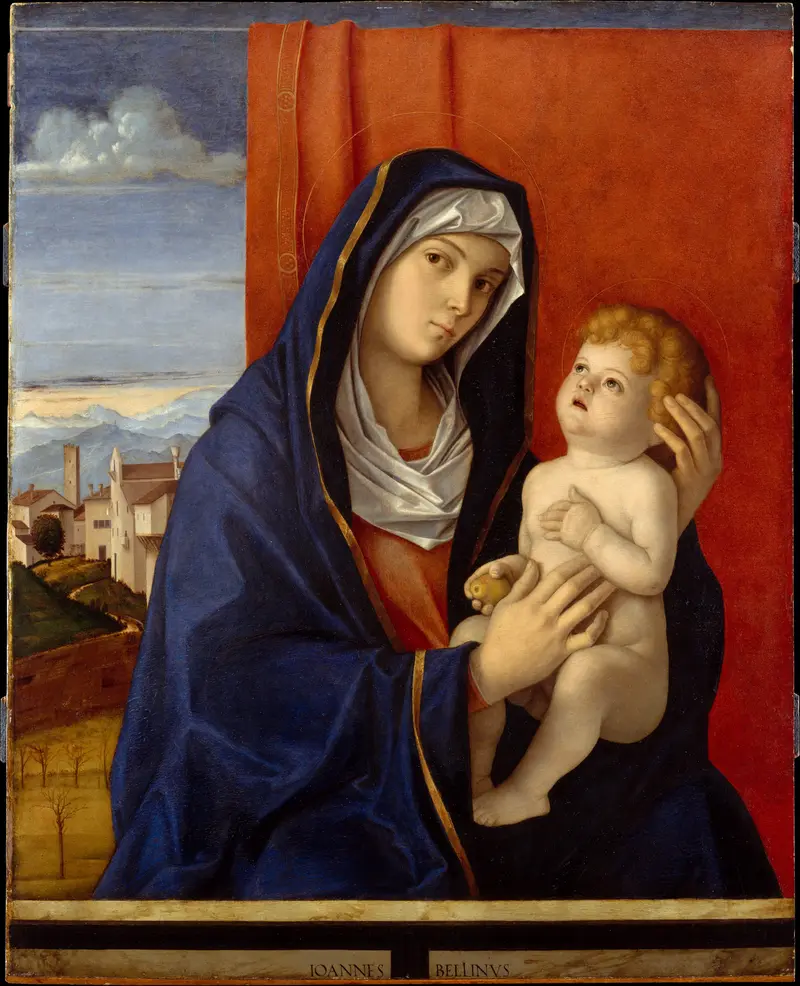
Madonna and Child
Giovanni Bellini
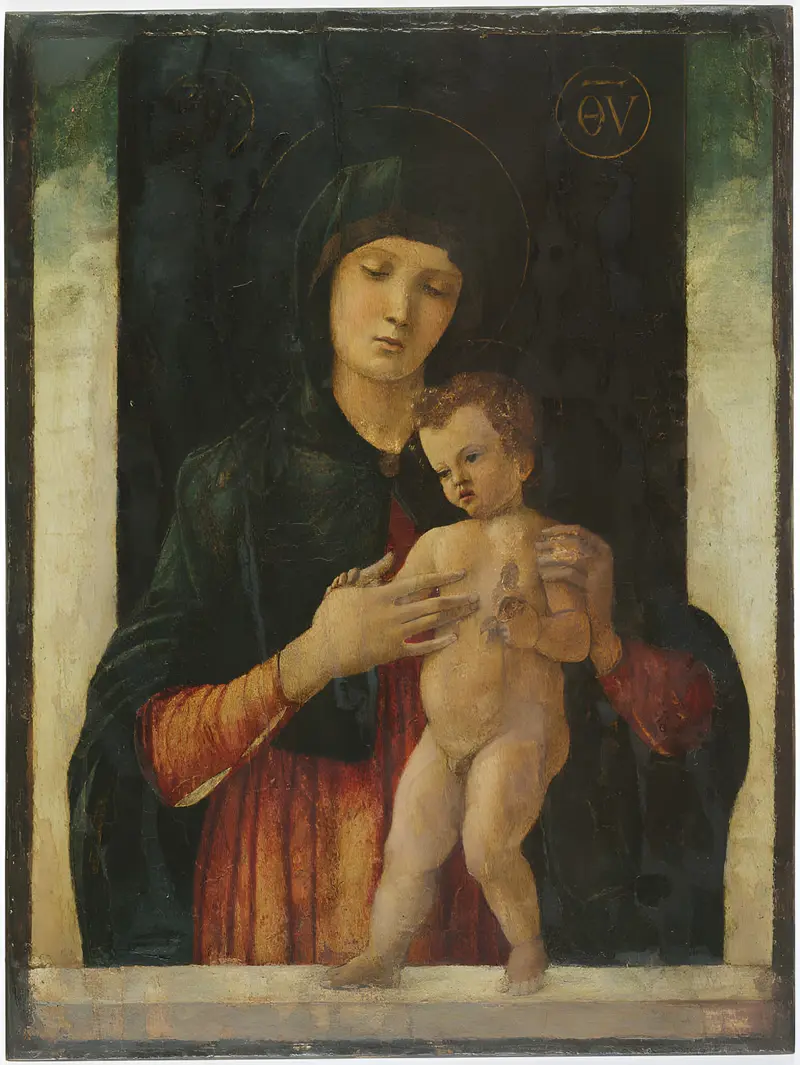
The Virgin and Child
Giovanni Bellini
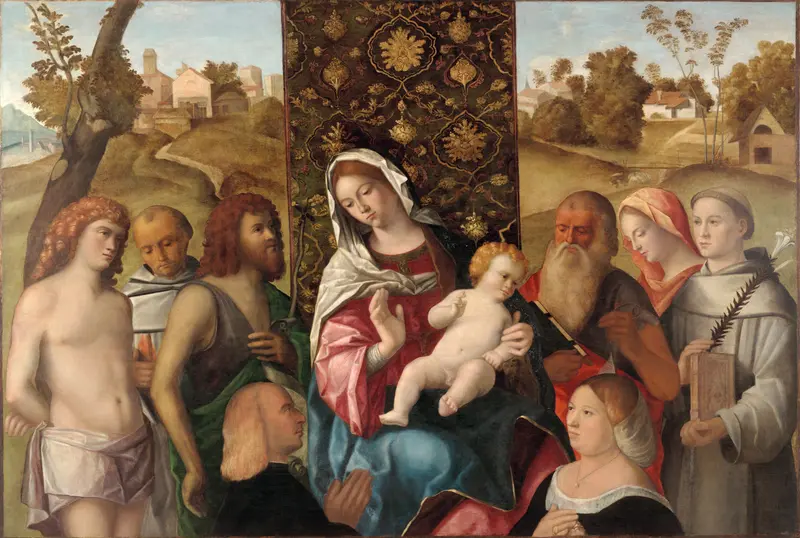
Virgin and Child with Saints Sebastian, Francis, John the Baptist, Jerome, an unidentified female saint, Saint Anthony of Padua and two donors
Giovanni Bellini
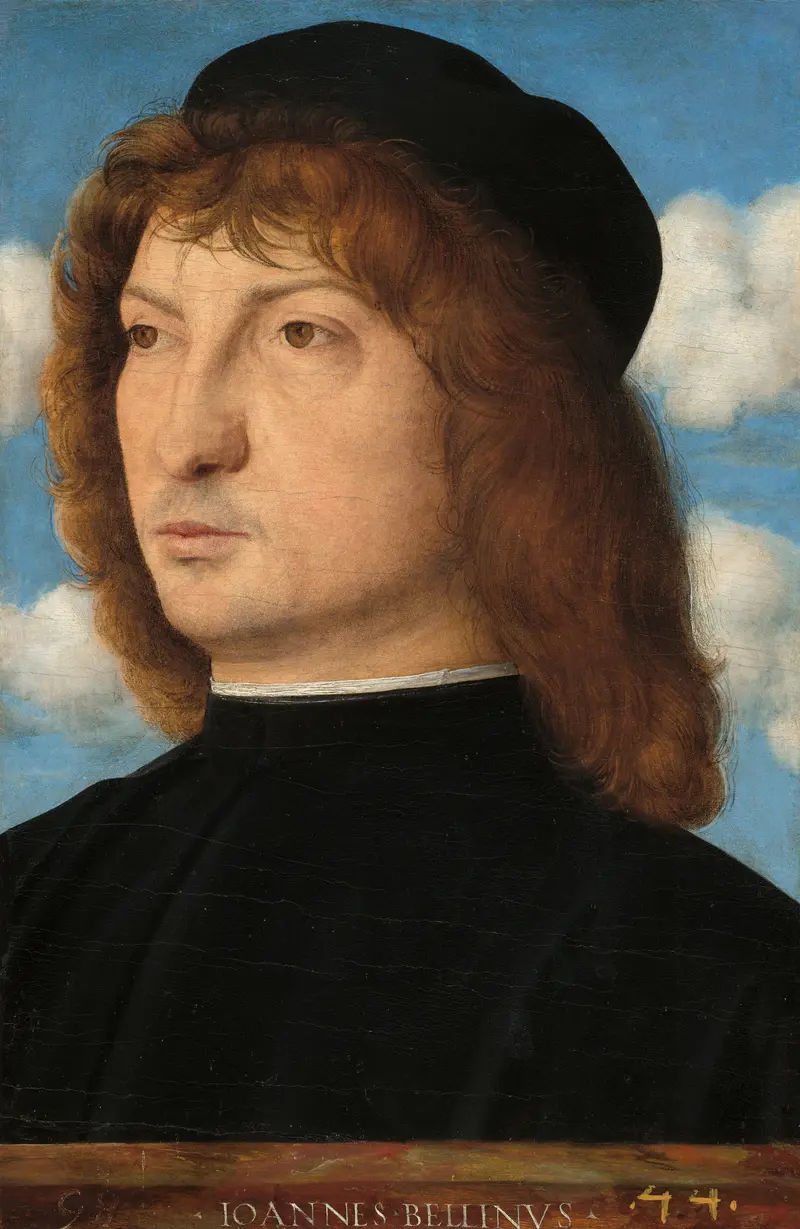
Portrait of a Venetian Gentleman
Giovanni Bellini
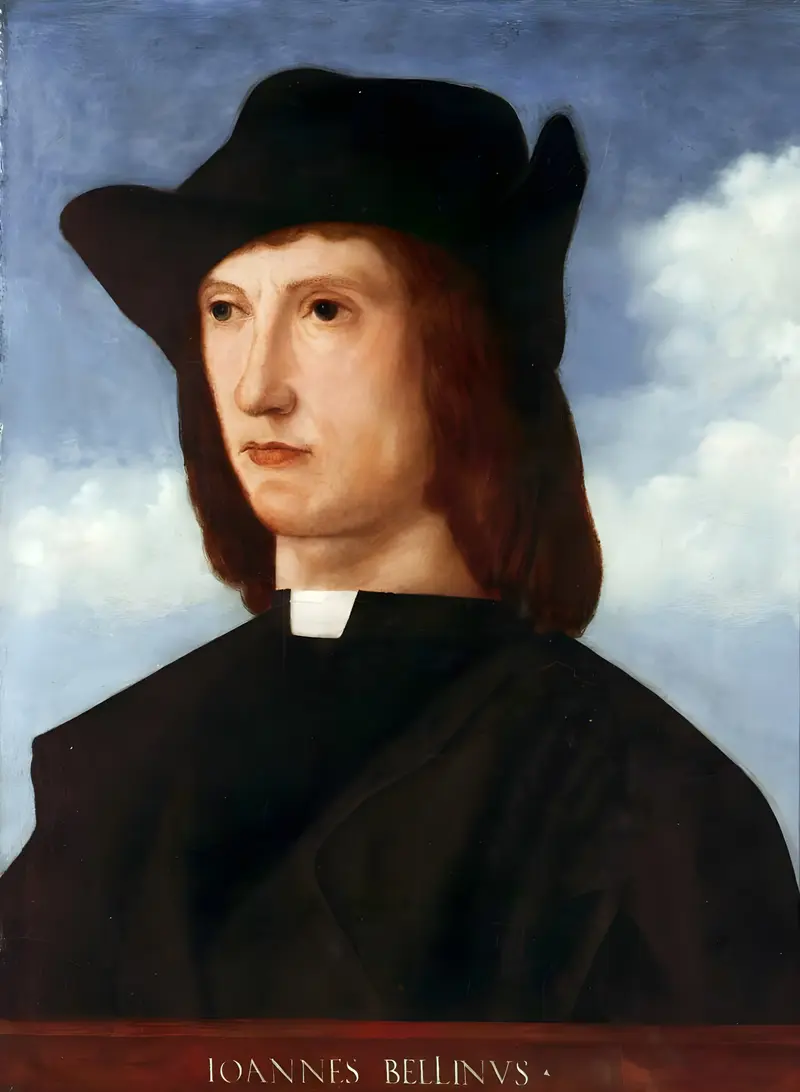
Portrait of a Young Man
Giovanni Bellini





