
The Last Communion of St. Jerome — History & Facts
In The Last Communion of St. Jerome, Giovanni Battista Tiepolo presents a scene filled with rich colors and dramatic contrasts. The figures are arranged around St.
Jerome, who is depicted in a moment of solemnity. The warm tones of the drapery contrast with the cooler hues of the background. Light plays a crucial role, illuminating the central figure and enhancing the emotional weight of the moment. The painting is executed in oil on canvas, showcasing Tiepolo's characteristic brushwork and attention to detail.
The composition is dynamic, with figures that appear to move and interact with one another. Tiepolo employs a variety of textures, from the smoothness of the skin to the intricate patterns of the garments. The use of light and shadow adds depth, drawing the viewer's eye to the focal point of St.
Jerome. Giovanni Battista Tiepolo was a prominent Italian painter of the Rococo style, known for his grand and theatrical compositions. This work, believed to be created in the 1750s, reflects his mastery of light and color. An interesting fact about this painting is that it was commissioned for a church, emphasizing the importance of St.
Jerome in Catholic tradition. Tiepolo's ability to convey emotion through his figures is evident in this poignant scene.
More Artworks by Giovanni Battista Tiepolo
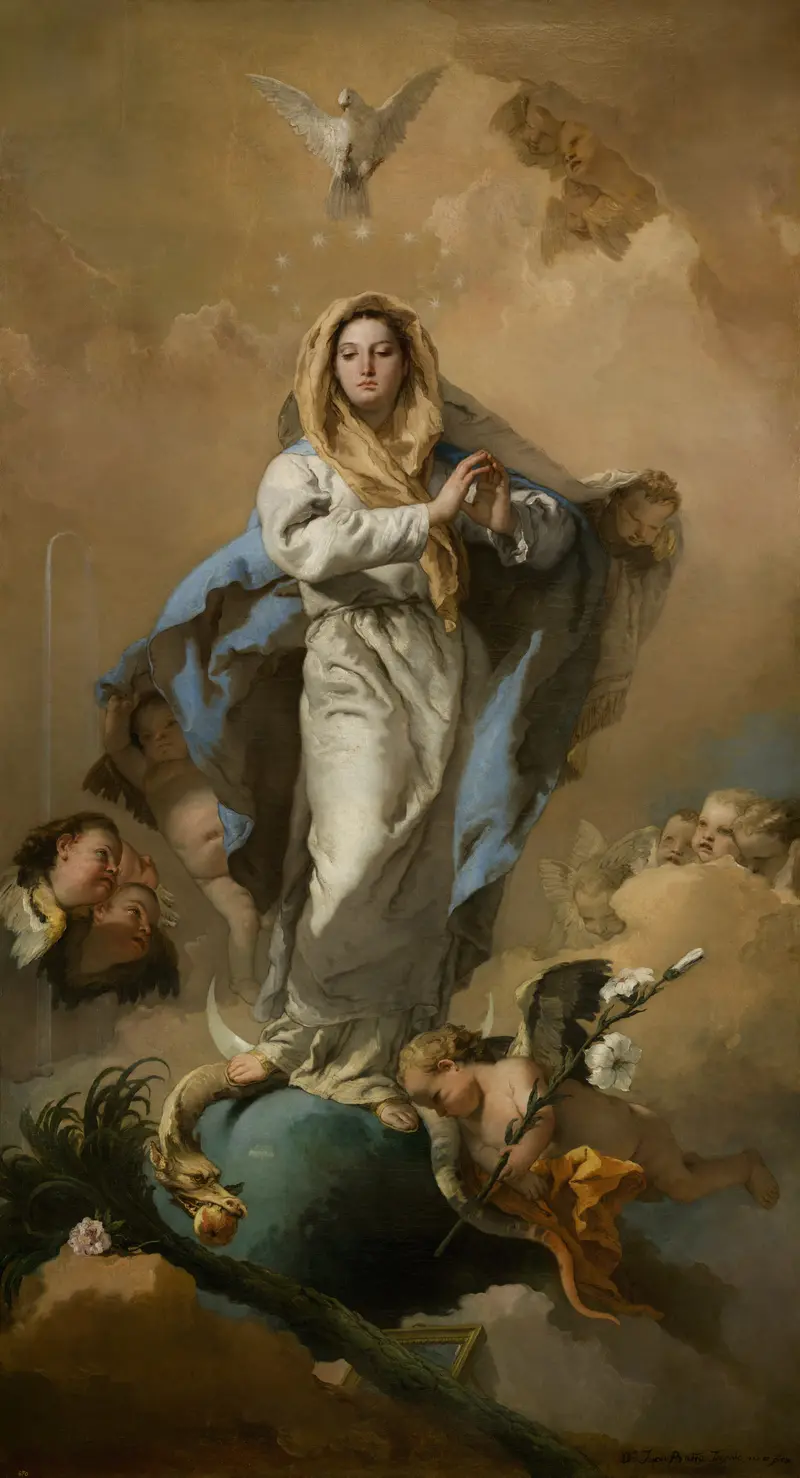
The Immaculate Conception
Giovanni Battista Tiepolo
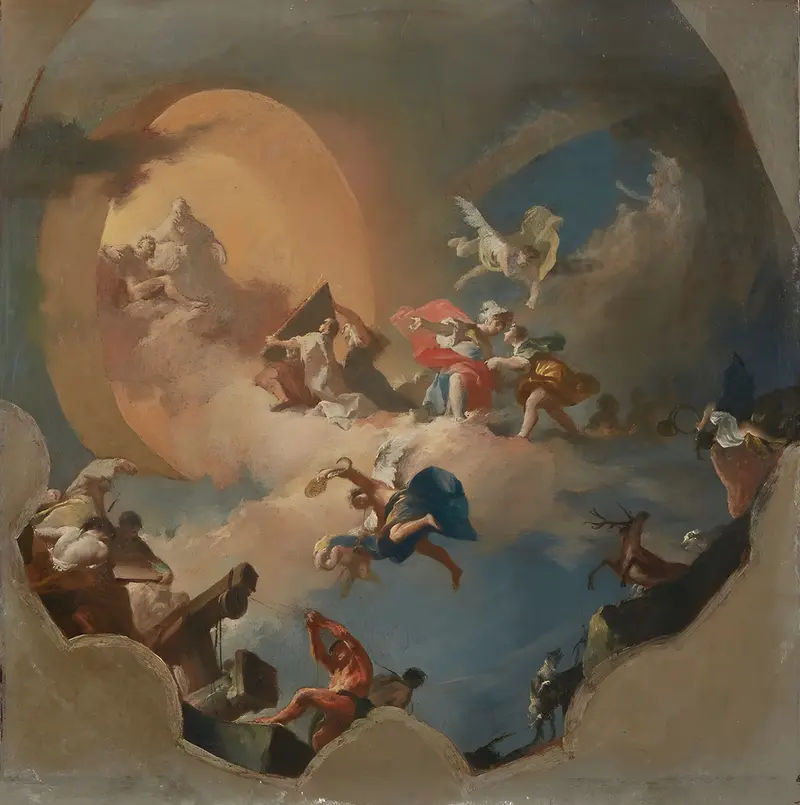
The Apotheosis of the Arts
Giovanni Battista Tiepolo
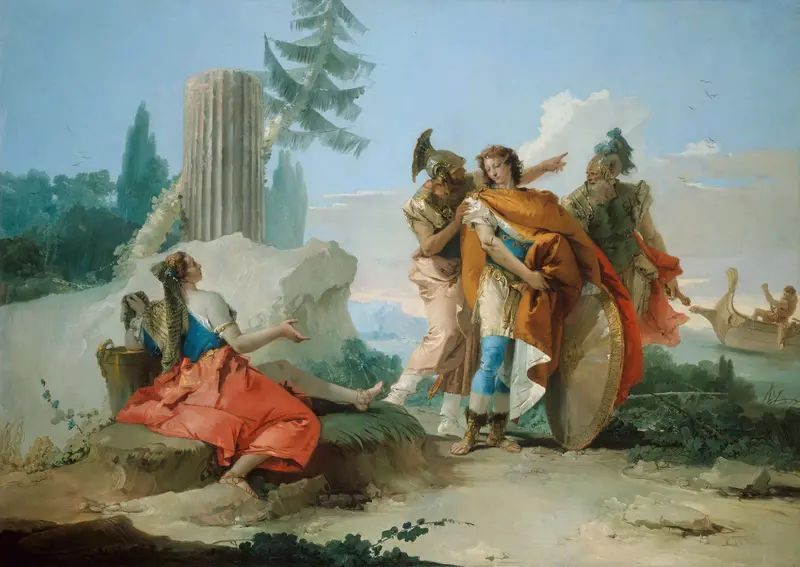
Armida Abandoned by Rinaldo
Giovanni Battista Tiepolo
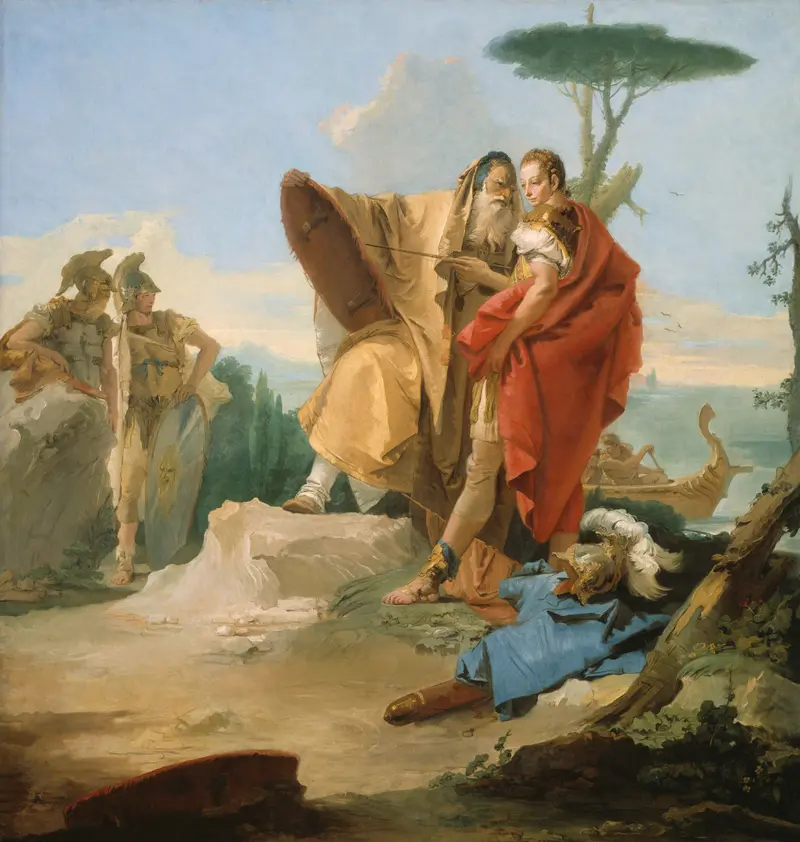
Rinaldo and the Magus of Ascalon
Giovanni Battista Tiepolo
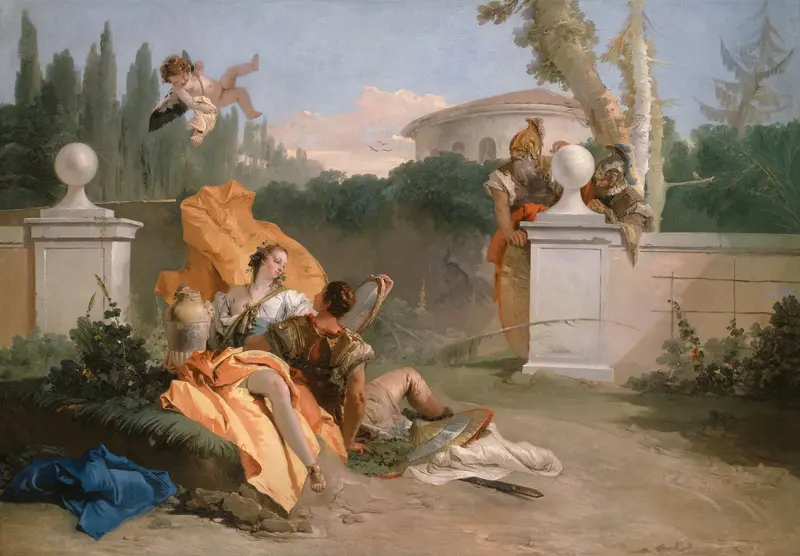
Rinaldo and Armida in Her Garden
Giovanni Battista Tiepolo
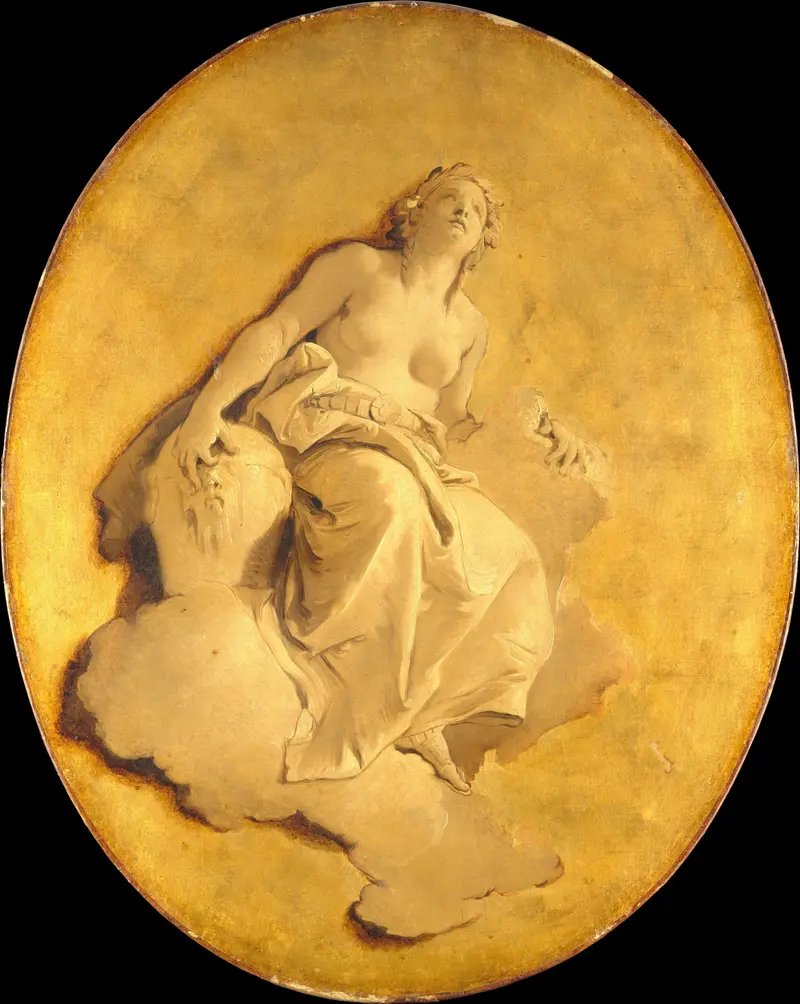
A Female Allegorical Figure
Giovanni Battista Tiepolo
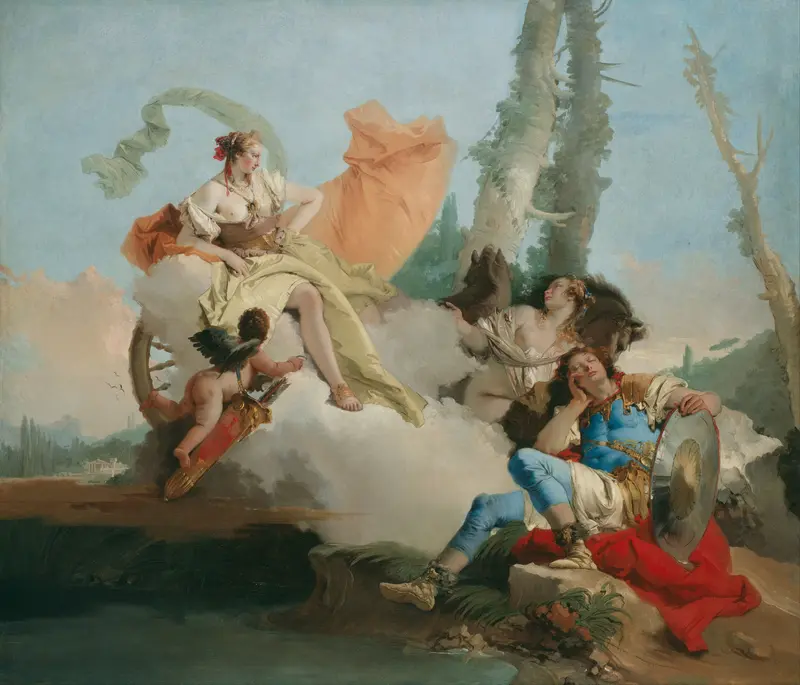
Armida Encounters the Sleeping Rinaldo
Giovanni Battista Tiepolo
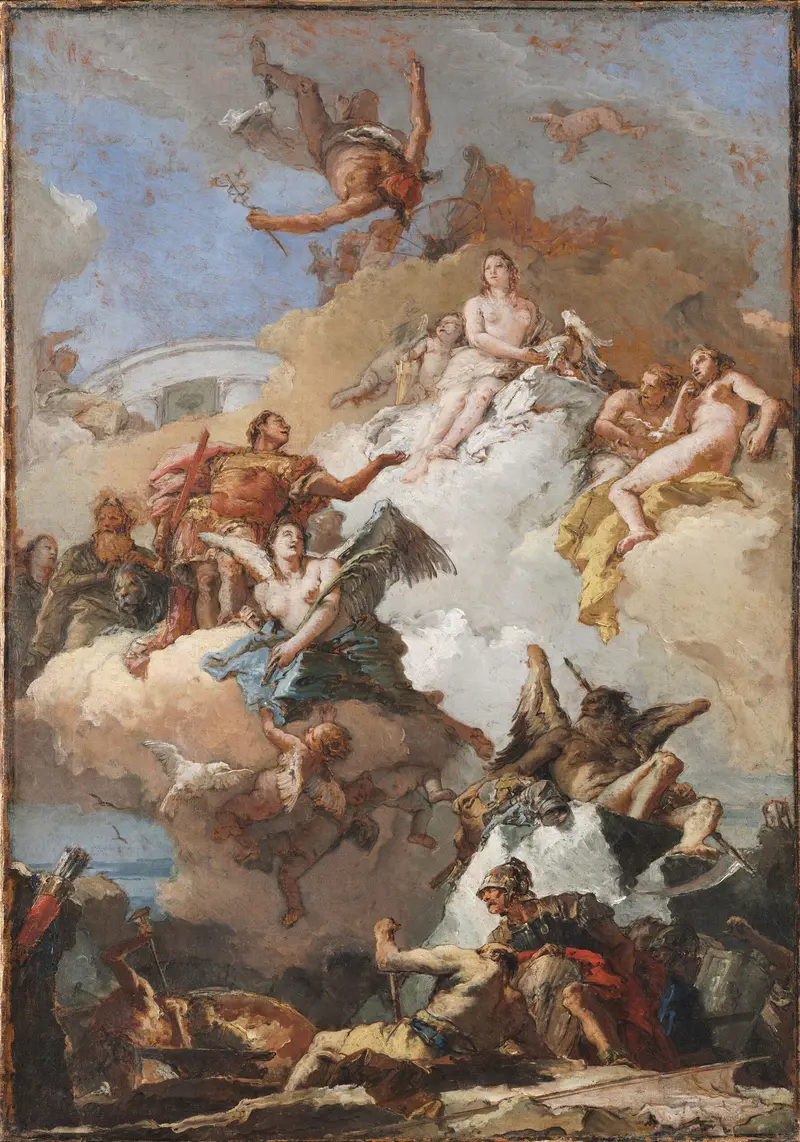
The Apotheosis of Aeneas
Giovanni Battista Tiepolo
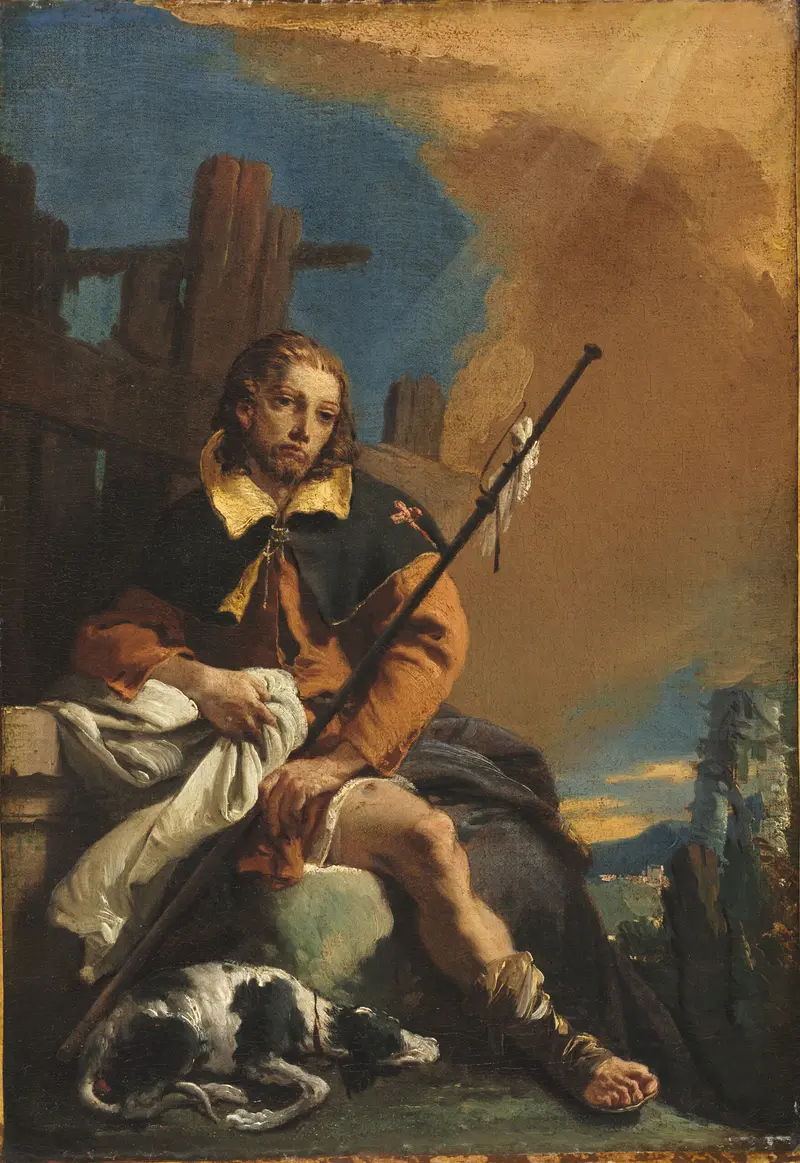
Saint Roch as a Pilgrim
Giovanni Battista Tiepolo
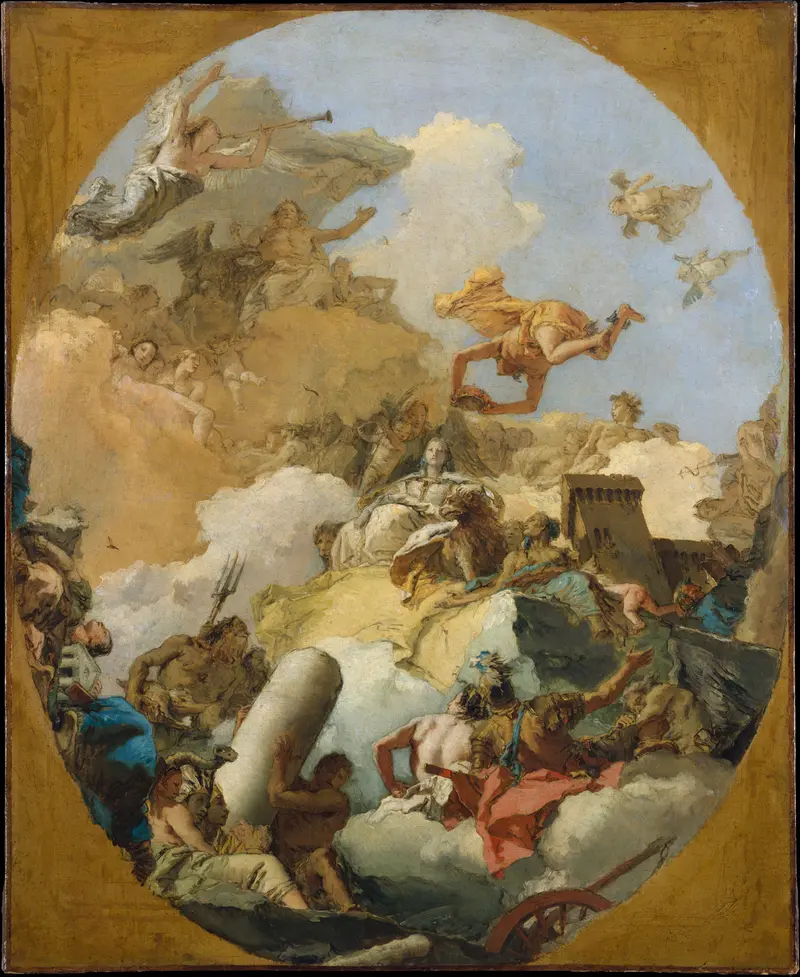
The Apotheosis of the Spanish Monarchy
Giovanni Battista Tiepolo





