
The Last Supper — History & Facts
A single shaft of light falls on the central figure, drawing every eye in the room—and ours as well—toward the calm at the heart of the gathering. In The Last Supper by Abraham Jansz. van Diepenbeeck, the drama is not in wild gestures or chaos, but in the hush before revelation.
The apostles cluster close, their faces caught in flickering shadow, each one searching for meaning in the words and gestures of their teacher. The servant in the foreground, caught mid-stride, gives the scene a sense of immediacy, as if the moment is still unfolding and we are witnessing history in motion. This is a painting born of the Baroque age, where artists like van Diepenbeeck sought to make familiar stories vivid and immediate for their viewers. Such works were often commissioned for churches or private devotion, intended to draw the faithful into the emotional core of the biblical narrative.
The grand architecture and heavy drapery speak to the era’s taste for theatricality, but the true power lies in the faces—each one a study in doubt, devotion, or dawning understanding. Though little is recorded about this specific canvas, its presence in the Art UK collection is a reminder of how these images once shaped the imagination of a world in search of meaning. Let your gaze linger on the play of light and shadow; it is here that the painter’s hand and the story’s mystery truly meet.
More Artworks by Abraham Jansz. van Diepenbeeck
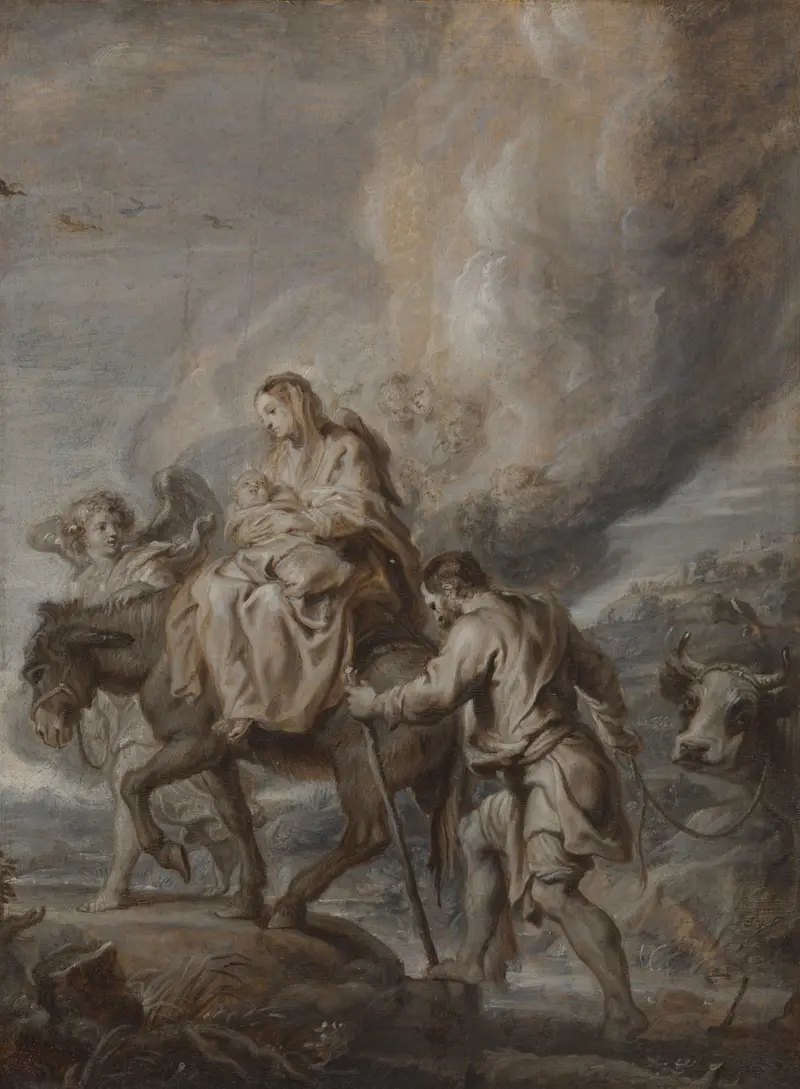
The Flight into Egypt
Abraham Jansz. van Diepenbeeck
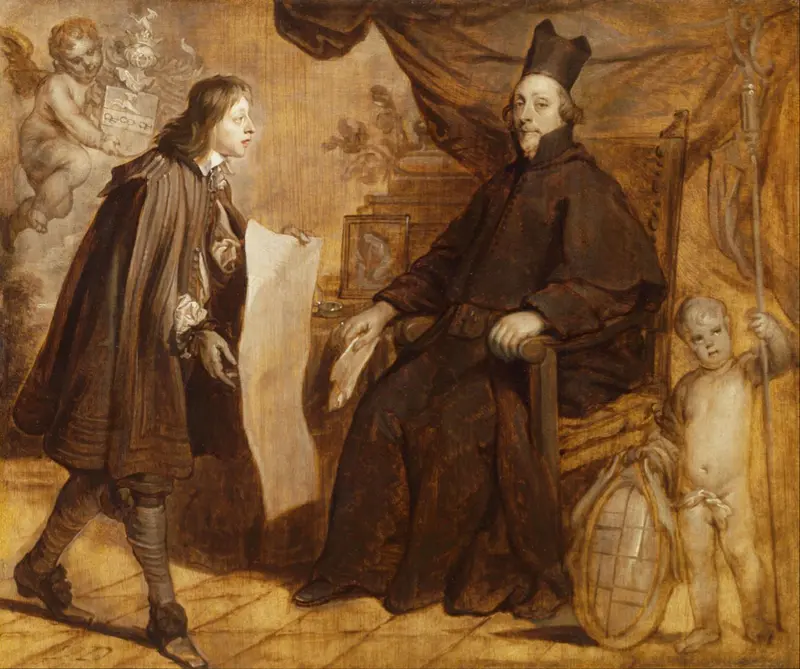
Portrait of a Prelate and a Young Man
Abraham Jansz. van Diepenbeeck
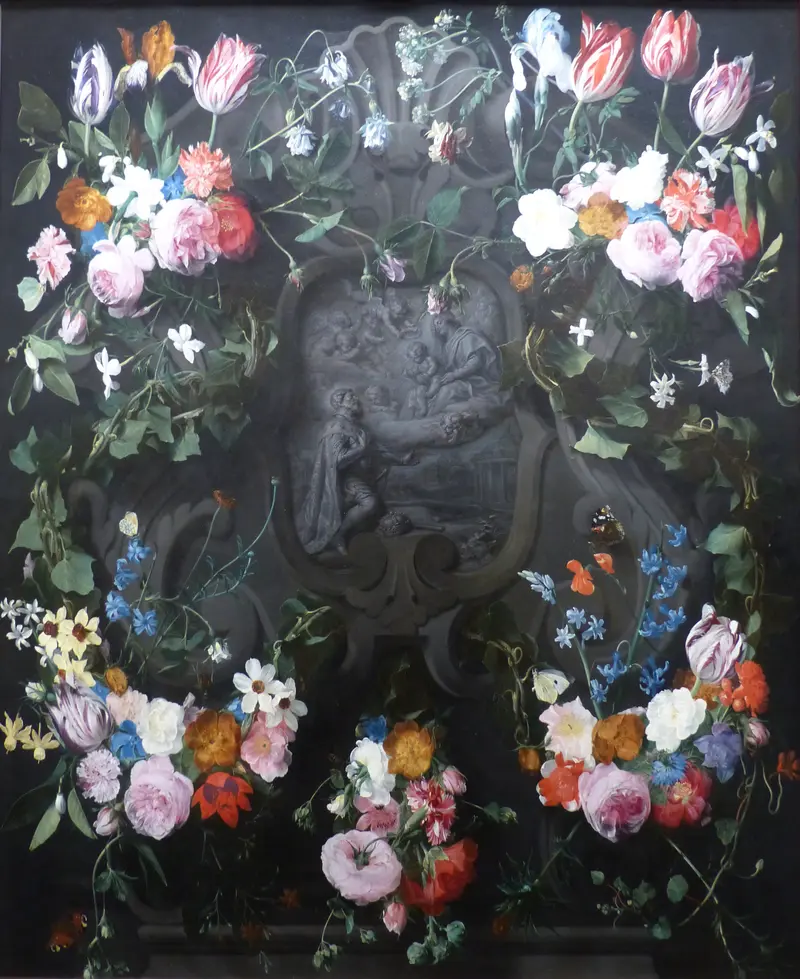
Guirlande de fleurs avec l'apparition de la Vierge-à-l'Enfant à St Léopold
Abraham Jansz. van Diepenbeeck
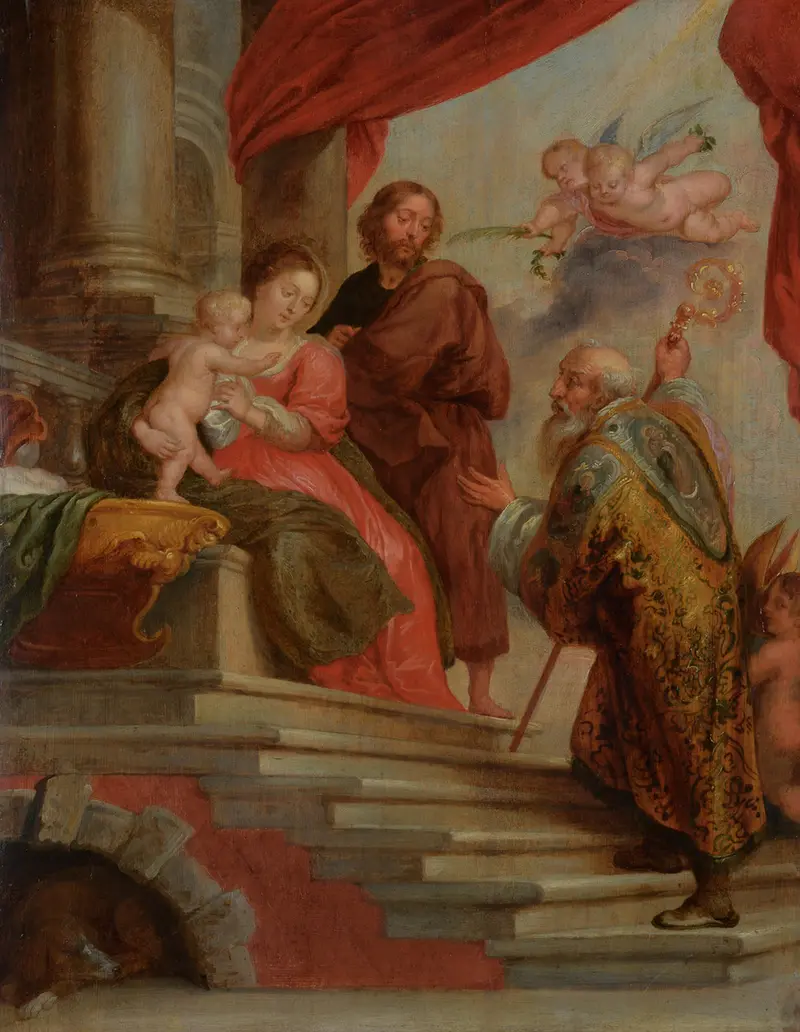
Holy family and Saint Willibrord
Abraham Jansz. van Diepenbeeck
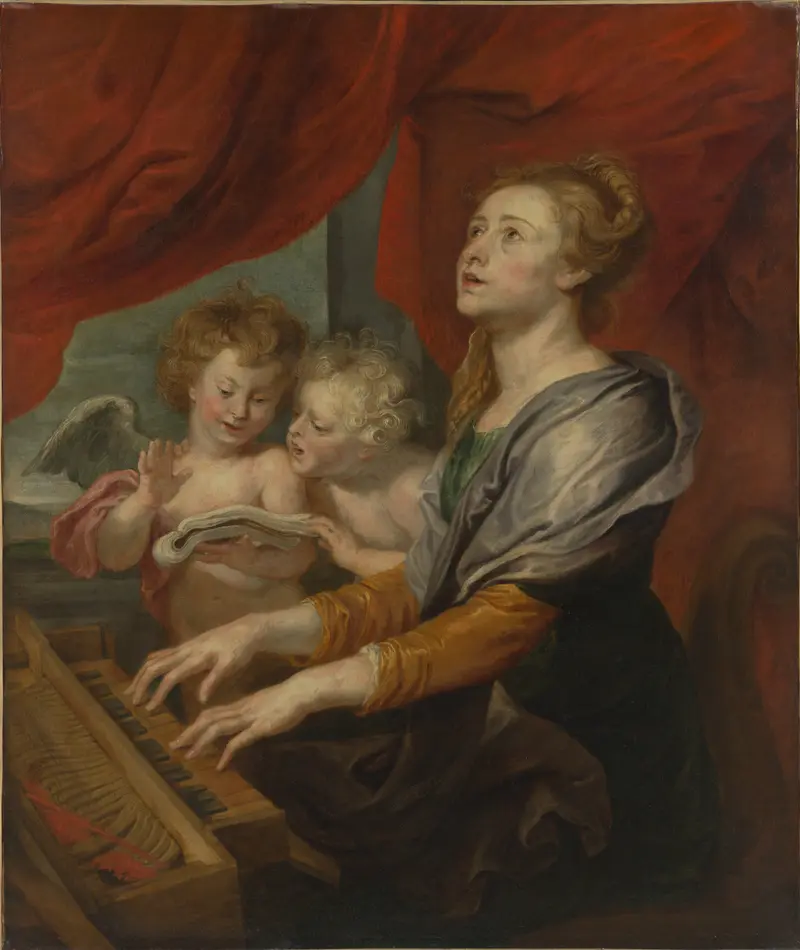
Saint Cecilia
Abraham Jansz. van Diepenbeeck
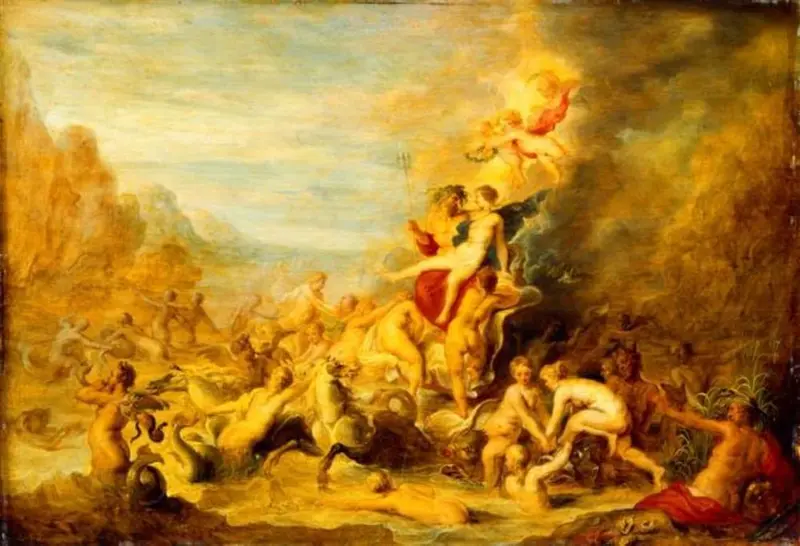
Triumph of Neptune and Amphitrite
Abraham Jansz. van Diepenbeeck
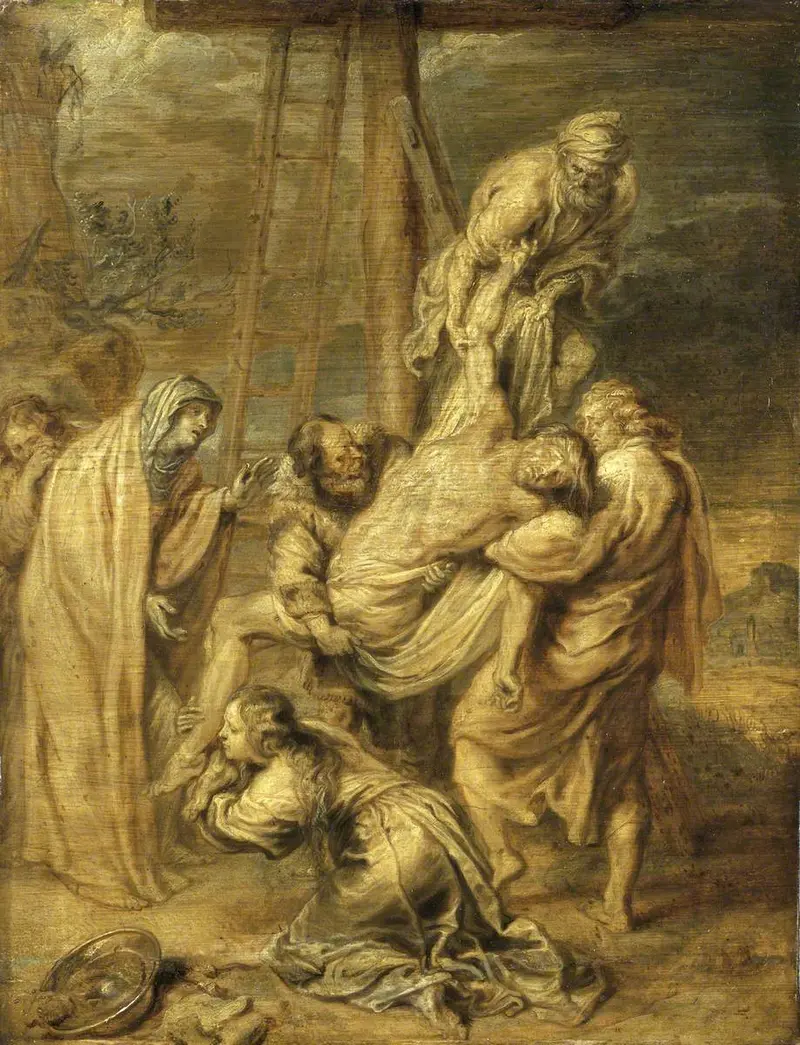
The Deposition
Abraham Jansz. van Diepenbeeck
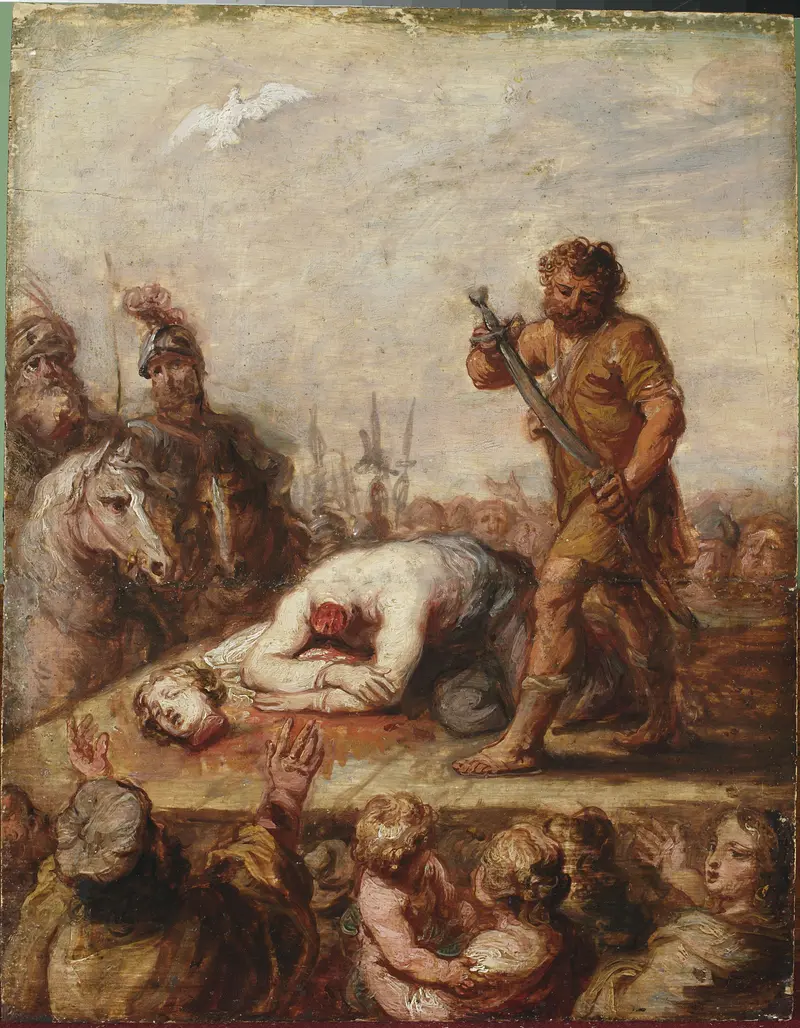
Sketch for a Decapitation of a Saint Woman (St. Catherine?)
Abraham Jansz. van Diepenbeeck
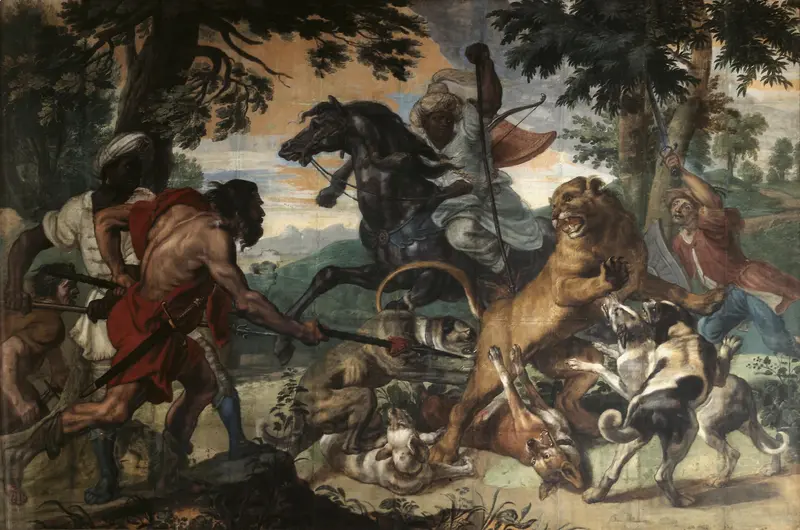
Lion Hunting
Abraham Jansz. van Diepenbeeck
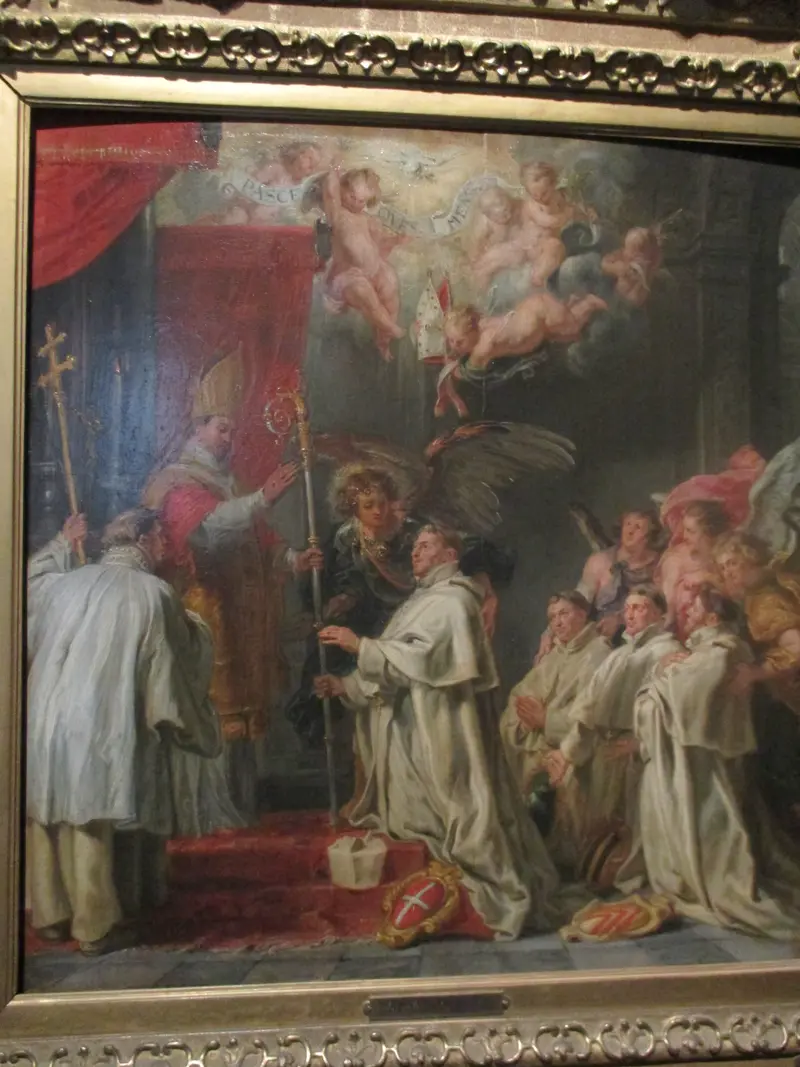
The archangel Michael supports the blessed Waltmann, who is being consecrated abbot by Saint Norbert
Abraham Jansz. van Diepenbeeck





